Locked out of your own home? It’s a frustrating feeling when your deadbolt won’t budge, and you don’t have a spare key nearby.
You might be wondering how to break into your house deadbolt without causing damage or calling a locksmith. This article will guide you through simple, practical steps you can try right now to regain access quickly and safely. Keep reading, because the solution might be easier than you think—and it could save you time, money, and stress.

Credit: www.reddit.com
Types Of Deadbolts
Deadbolts provide extra security for your home. They come in different types, each with unique features. Knowing these types helps understand how they work and how to open them if needed.
Deadbolts vary in locking mechanisms and key usage. Some use keys only on one side, some on both, and others use codes or electronic methods. Let’s explore the main types.
Single Cylinder Deadbolts
Single cylinder deadbolts have a key slot outside and a thumb turn inside. You lock and unlock from inside without a key. Outside access requires a key only. They are common and easy to use.
This type can be opened by picking the lock or breaking the door glass near the lock. Simple tools may work on these locks.
Double Cylinder Deadbolts
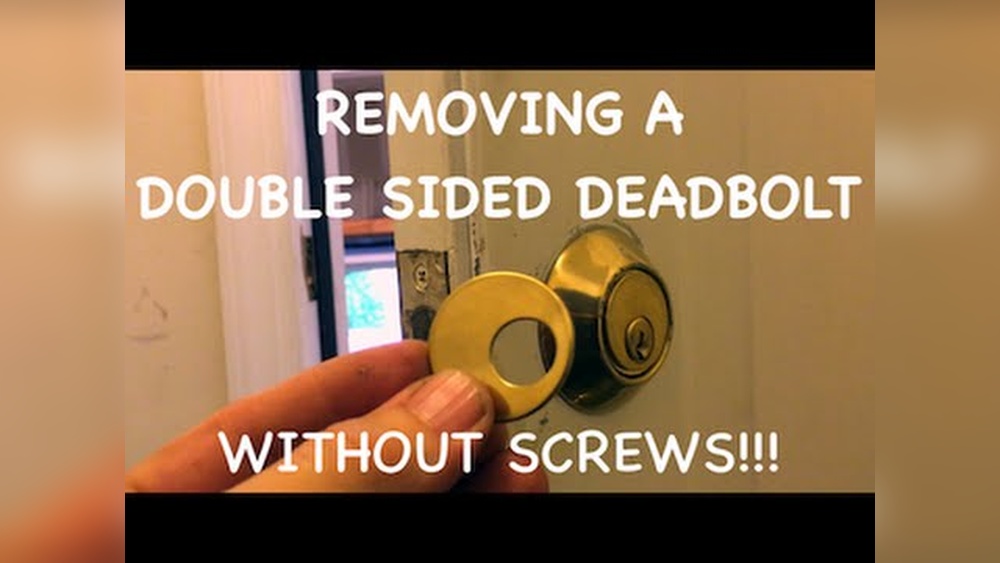
Double cylinder deadbolts need a key on both sides. No thumb turn inside. This adds more security. You cannot open the door without a key from either side.
Breaking a window near the door does not help because the lock needs a key. These deadbolts are harder to bypass but require careful key management.
Keyless Deadbolts
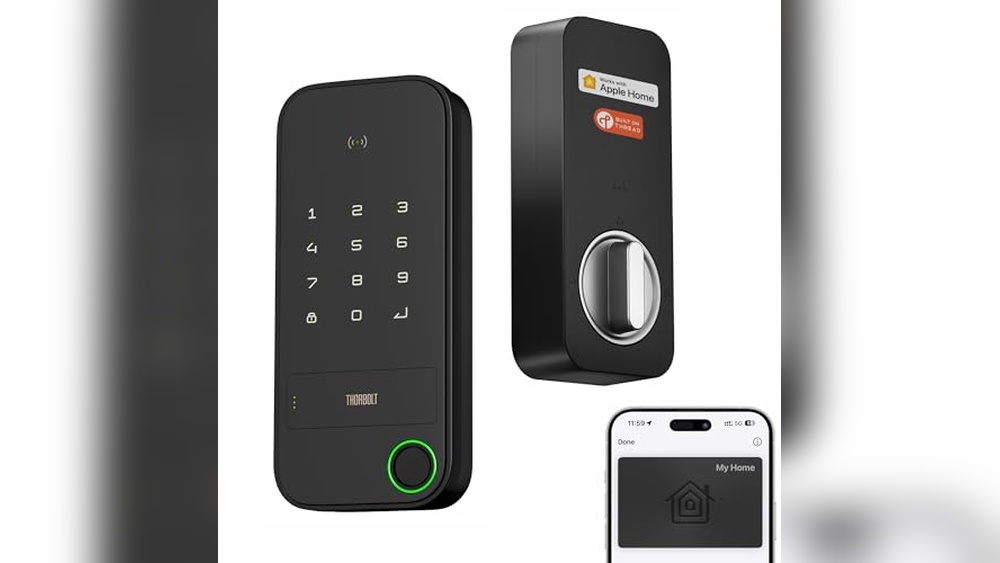
Keyless deadbolts use codes, cards, or fingerprints to unlock. No physical keys needed. They offer convenience and quick access. Codes can be changed often for security.
These locks depend on batteries or electricity. Hacking or electronic tampering are common ways to break them. Physical force or bypass tools may also work.

Credit: www.youtube.com
Tools For Entry
Breaking into a house deadbolt requires specific tools. These tools help open the lock without the key. Knowing the right tools can save time and effort. Each tool works differently and suits different situations.
Lock Picks
Lock picks are thin tools designed to move the pins inside a lock. They allow the lock to turn open. You need some skill to use lock picks well. Practice helps improve your technique and speed.
Lock pick sets usually include a tension wrench and several picks. The tension wrench applies slight pressure while the picks manipulate the pins. This method works best on standard pin tumbler locks.
Bump Keys
Bump keys are special keys cut to fit many locks. You insert the bump key and tap it to force the pins to jump. This can quickly open some deadbolts. It requires careful control to avoid damage.
Bump keys work well on traditional locks but may fail on high-security models. They are easy to carry and use, making them popular for quick entry.
Credit Card Method
The credit card method uses a flexible card to slip between the door and frame. This method pushes the latch back to open the door. It works best on spring bolt locks, not deadbolts.
This method needs a thin, sturdy card and some patience. It can damage the card and may not work on modern locks with strong frames.
Step-by-step Entry Methods
Breaking into a house deadbolt can be tricky. Knowing step-by-step methods helps in emergencies or practice for locksmith skills. These methods require patience and care. Each technique works differently depending on the lock type and situation.
Using Lock Picks
Lock picking uses small tools to move the lock pins. Insert the tension wrench into the keyhole. Apply slight pressure to turn the lock. Use the pick to lift each pin carefully. Feel for pins that stick and set them. Keep tension steady until all pins set. The lock will turn open. Practice helps to improve skill and speed.
Employing A Bump Key
A bump key is a special key cut to fit many locks. Insert the bump key fully into the lock. Use a small hammer or object to tap the key. The tapping moves the pins inside quickly. Apply slight turning pressure while tapping. The lock should turn open after a few bumps. This method needs caution to avoid damage.
Sliding A Credit Card
This method works on spring bolt locks, not deadbolts. Use a flexible card like an old credit card. Slide the card between the door and frame at the latch. Push and wiggle the card while pushing the door. The latch may retract, allowing the door to open. This method works best on doors that are not fully closed.
Precautions And Safety Measures
Breaking into a deadbolt lock requires caution and care. Taking the right safety steps protects you and your property. It helps avoid legal trouble and damage to the lock. Knowing when to get expert help saves time and stress. This section covers important precautions and safety measures to keep in mind.
Legal Considerations
Only attempt to open a deadbolt on your own property. Trying to break into someone else’s home is illegal. It can lead to serious penalties, including fines and jail time. Always have proof of ownership or permission. Check local laws before attempting any lock entry. Respect privacy and property rights at all times.
Avoiding Damage To The Lock
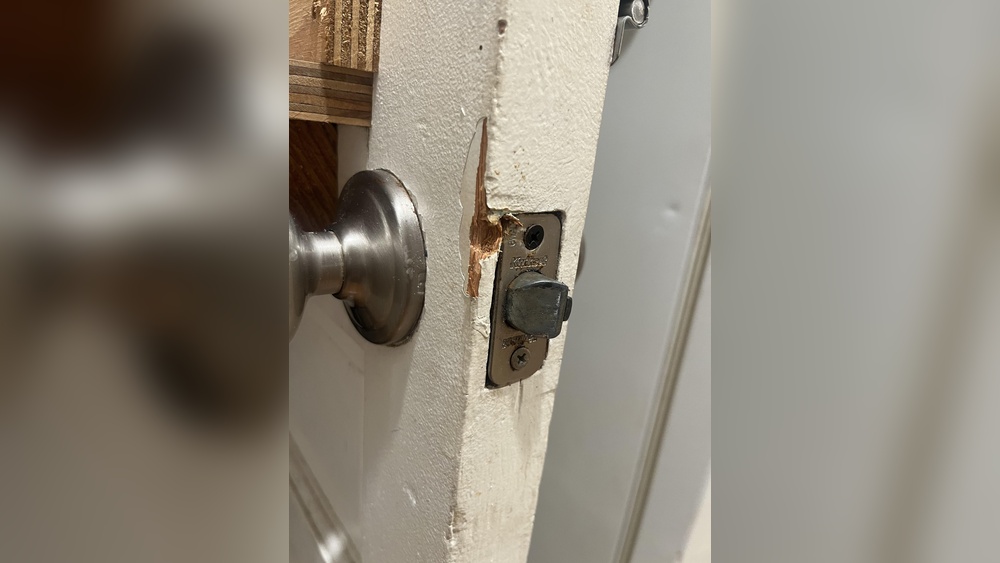
Use proper tools designed for deadbolt locks. Avoid using force or sharp objects that can break the lock. Gentle movements reduce the risk of damage. Damaging the lock can mean costly repairs or replacement. Take your time and stay calm. This approach can save money and effort in the long run.
When To Call A Professional
Call a locksmith if you cannot open the lock quickly. Professionals have the right tools and skills. They can open your deadbolt without damage. If the lock is old or stuck, a pro is best. Avoid damaging your door or lock with guesswork. Hiring help can be safer and more efficient.
Preventing Lockouts
Lockouts happen to many people. They cause stress and waste time. Preventing lockouts is smart. It keeps you safe and saves you trouble. Simple steps can help you avoid these problems.
Spare Key Strategies
Keeping a spare key is an easy way to avoid lockouts. Give a spare key to a trusted neighbor or friend. Hide a spare key in a safe, secret spot outside your home. Avoid obvious places like under the doormat or flowerpot.
Use a lockbox with a combination code. This keeps the key secure but accessible. Check your spare key regularly. Make sure it still works and is easy to find.
Smart Lock Alternatives
Smart locks offer a modern solution to lockouts. They use codes, fingerprints, or phone apps to open doors. No need to carry physical keys. Change access codes easily if needed.
Some smart locks allow temporary codes for visitors. They provide convenience and control over who enters your home. Ensure your smart lock has strong security features.
Regular Lock Maintenance
Locks need care to work well. Clean locks regularly to remove dirt and dust. Use graphite powder to lubricate the lock cylinder. Avoid oil-based lubricants; they attract more dirt.
Check for any damage or wear. Replace old or broken parts immediately. Well-maintained locks reduce the chance of jamming or breaking.

Credit: www.reddit.com
Frequently Asked Questions
How Can I Legally Open A Stuck Deadbolt Lock?
To legally open a stuck deadbolt, use the correct key or contact a locksmith. Avoid damaging the lock or door. If locked out, proof of ownership is required for professional help. Never attempt forced entry on someone else’s property.
What Tools Are Needed To Break A Deadbolt Lock?
Common tools include a bump key, lock pick set, or a drill for emergencies. Use these tools carefully and legally. Proper knowledge is essential to avoid damage or injury. Always prioritize non-destructive entry methods first.
Can I Pick A Deadbolt Without Special Tools?
Picking a deadbolt without special tools is very difficult. Basic items like bobby pins might work but are unreliable. Investing in proper lock-picking tools or professional help ensures better results and less damage.
How Long Does It Take To Break A Deadbolt Lock?
Breaking a deadbolt lock typically takes 5 to 15 minutes with proper tools. Time varies depending on lock quality and method used. Skilled locksmiths can open locks faster without damage. Forced entry often causes door or lock damage.
Conclusion
Breaking into a house deadbolt takes patience and the right tools. Practice helps improve your skill and speed. Always respect the law and use this knowledge responsibly. Remember, safety comes first for you and others. Keep learning to handle different lock types with care.
Stay calm and focused during any lock-picking task. This guide offers a basic start, but experience matters most.