Are you worried about the safety and stability of your walls? Knowing how much to have anchored walls can save you from costly repairs and potential accidents.
Whether you’re dealing with a new construction or reinforcing an existing structure, understanding the costs involved is crucial for your budget and peace of mind. You’ll discover clear, straightforward answers to help you make the best decision for your home or project.
Keep reading to find out what affects the price and how to get the most value for your money.
Anchored Walls Basics
Understanding anchored walls is key before deciding on costs and construction. Anchored walls provide strong support for soil and structures. They keep earth in place and prevent landslides or collapse. Knowing the basics helps in planning and budgeting your project.
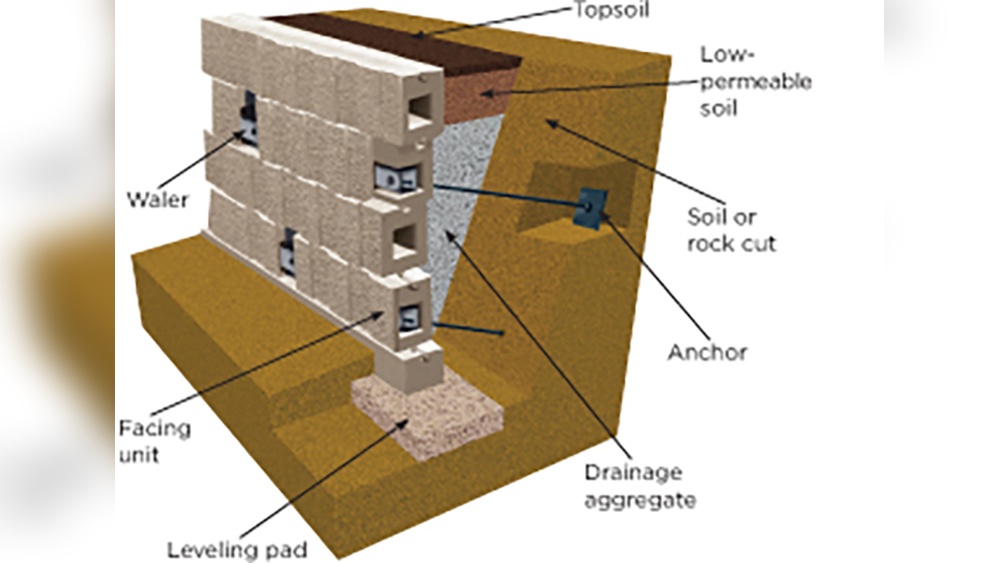
These walls use anchors fixed deep into the soil or rock. The anchors hold the wall firmly, increasing stability. This method allows building taller and thinner walls than ordinary retaining walls. Anchored walls work well in difficult soil conditions and steep slopes.
What Are Anchored Walls
Anchored walls are retaining walls with special support. They use cables or rods called anchors. These anchors go deep into the ground behind the wall. The anchors are tightened to hold the wall in place.
This design makes the wall stronger and more stable. It stops soil from pushing the wall over. Anchored walls can be made from concrete, steel, or wood. They adapt to many landscape and construction needs.
Common Uses And Benefits
Anchored walls often hold back soil on slopes or hills. They are used in road construction and building foundations. These walls protect against erosion and landslides. They also create level areas for gardens or parking lots.
The main benefit is strong support with less material. Anchored walls save space and reduce costs over time. They last long and require little maintenance. This makes them a smart choice for many projects.

Credit: www.reddit.com
Factors Affecting Cost
Several factors influence the cost of having anchored walls installed. Understanding these elements helps plan your budget better. Each factor affects the price in a unique way. Some increase the cost significantly, while others have a smaller impact.
Wall Size And Height
The bigger and taller the wall, the more it costs. Large walls need more materials and stronger anchors. Taller walls require extra support to stay stable. This means more labor and equipment are needed. Size and height directly affect the total price.
Soil And Site Conditions
The type of soil changes the difficulty of installation. Soft or loose soil needs deeper anchors. Rocky or uneven ground requires special tools. Site access also matters. Hard-to-reach places need more time and effort. These factors raise the overall cost.
Material Choices
Different materials have different prices. Concrete and steel cost more than wood or vinyl. High-quality materials last longer but are pricier. The type of anchors used also affects cost. Choosing durable materials can save money over time.
Labor And Equipment
Skilled workers charge more for complex jobs. Specialized equipment increases the price. Longer projects mean higher labor costs. Local labor rates also play a role. Efficient teams can lower costs by working faster.
Material Options And Prices
Choosing the right materials affects the cost of anchored walls. Different materials have different prices and uses. Knowing the options helps plan your budget well. Each material suits specific wall needs and soil types.
Concrete Anchors
Concrete anchors are common for strong, long-lasting support. They hold walls firmly against soil pressure. Prices range from $5 to $15 per anchor, depending on size. Installation costs add about $10 to $20 per anchor. Concrete anchors work best for heavy loads and large walls.
Steel Anchors
Steel anchors offer high strength with flexible designs. They resist corrosion when coated properly. Steel anchors cost between $8 and $20 each. Labor for steel anchor installation may add $15 to $25 per unit. These anchors suit walls needing strong, adjustable support.
Tiebacks And Other Components
Tiebacks connect the wall to stable soil farther back. They usually include rods, plates, and grout. Tieback materials cost $10 to $30 each, based on length and type. Other components like plates and grout add extra cost. Tiebacks provide extra strength for tall or deep walls.
Installation Process
Installing anchored walls requires careful steps to ensure safety and strength. The process involves preparing the site, placing the anchors correctly, and verifying the work with inspections. Each stage plays a key role in building a stable structure that lasts.
Site Preparation
Clear the area of debris and loose soil. Level the ground where the wall will stand. Mark the exact spots for anchor placement. Use proper tools to measure and create guide lines. Good preparation helps avoid problems during installation.
Anchor Installation Steps
Begin by drilling holes into the wall or ground. Insert the anchors securely into each hole. Tighten bolts or screws according to specifications. Use the right materials for the wall type and load. Follow safety rules to prevent accidents during installation.
Inspection And Testing
Check all anchors for tightness and proper placement. Test the wall’s stability with pressure or load tests. Look for any signs of movement or weakness. Fix any issues before completing the project. Regular inspections keep the wall safe over time.
Average Cost Estimates
Understanding the average cost to have anchored walls helps plan your budget well. Costs vary based on project size, wall type, and location. Knowing these estimates guides your financial decisions and avoids surprises.
Residential Projects
Anchored walls for homes usually cost between $30 and $70 per square foot. Small jobs may cost less. Larger or complex walls push costs higher. Labor, materials, and permits affect pricing. Expect costs near $5,000 to $15,000 for typical home projects.
Commercial Projects
Commercial anchored walls cost more due to size and safety rules. Prices range from $50 to $100 per square foot. Big buildings need stronger walls and special anchors. Expect total costs from $20,000 to over $100,000. Commercial projects require skilled contractors and extra inspections.
Additional Expenses To Expect
Extra costs include soil testing, permits, and engineering fees. Removing old walls or debris adds to expenses. Waterproofing and drainage work may be needed. Always budget 10% to 20% more for these extras. Planning ahead avoids delays and extra charges.

Credit: www.reddit.com
Ways To Save Money
Saving money on anchored walls requires smart choices and careful planning. Small steps can cut costs without losing quality. Focus on materials, labor, and timing to keep expenses low.
Choosing Materials Wisely
Pick strong but affordable materials for your walls. Some options cost less but still last long. Compare prices of concrete, steel, and wood. Avoid expensive brands that don’t add much value. Buying in bulk can lower material costs too.
Hiring Experienced Contractors
Skilled contractors work faster and make fewer mistakes. This reduces extra costs from delays or repairs. Check reviews and ask for quotes before hiring. Choose someone who knows anchored walls well. It saves money and stress in the long run.
Planning Ahead
Plan your project before starting any work. Clear plans help avoid last-minute changes. Changes often increase costs and waste materials. Schedule work during off-peak seasons for better deals. Early planning keeps your budget on track and prevents surprises.
Common Cost Pitfalls
Understanding common cost pitfalls helps avoid budget surprises. Anchored walls require careful planning and budgeting. Many factors can increase the total cost beyond the initial estimate. Knowing these pitfalls can save time and money.
Unexpected Site Issues
Soil problems often cause extra expenses. Rocky or unstable ground needs special equipment. Drainage issues might require additional work. These site conditions can delay the project. Unseen problems may increase labor and material costs.
Permit And Inspection Fees
Local permits are mandatory for anchored walls. Permit costs vary by location and project size. Inspection fees may add to the total expense. Skipping permits can lead to fines or rebuilds. Always check local rules before starting work.
Delays And Rework
Weather delays can stall construction and increase costs. Mistakes in construction cause rework and extra labor. Changes in design during the project add expenses. Proper planning reduces the chances of delays. Staying on schedule helps control the budget.

Credit: www.researchgate.net
Frequently Asked Questions
How Much Does It Cost To Have Anchored Walls Installed?
The cost to install anchored walls ranges from $15 to $40 per square foot. Prices vary based on materials, labor, and wall size. Additional factors like site conditions and wall height also affect total expenses.
What Factors Influence The Price Of Anchored Walls?
Material type, wall height, soil condition, and labor complexity impact anchored wall costs. Custom designs or additional reinforcements can increase prices. Location and contractor rates also play key roles.
Are Anchored Walls More Expensive Than Traditional Retaining Walls?
Yes, anchored walls generally cost more due to specialized materials and engineering. They provide extra stability for tall or unstable soil conditions, justifying the higher price.
How Long Does Anchored Wall Installation Usually Take?
Installation time varies but typically takes 1 to 3 weeks. Project size, site accessibility, and weather conditions influence duration. Proper planning ensures timely completion.
Conclusion
Anchored walls add strength and safety to buildings. Costs vary by size, materials, and location. Planning ahead helps control expenses and avoid surprises. Always choose quality work for long-lasting results. Knowing these basics makes your project clearer. Take time to compare prices and services.
A solid wall is worth the investment.