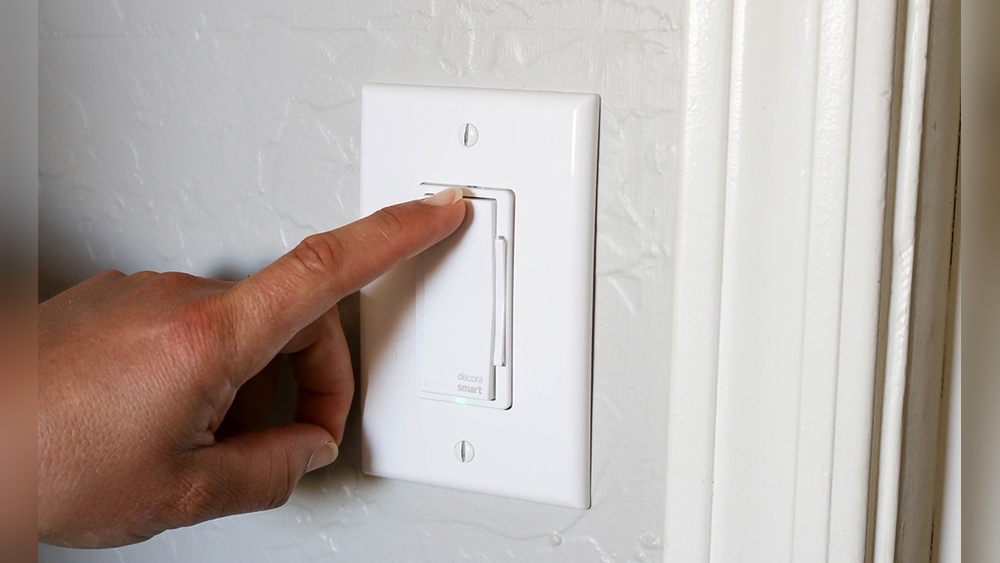
Have you ever wished you could set the perfect mood with just a flick of a switch? Changing your regular light switch to a dimmer is easier than you think—and it can transform any room instantly.
Imagine having the power to soften harsh lighting for a cozy evening or brighten things up when you need to focus. You’ll discover simple, step-by-step instructions to make this upgrade yourself, saving money and adding comfort to your home. Ready to take control of your lighting?
Let’s dive in.

Credit: www.youtube.com
Tools And Materials Needed
Changing a light switch to a dimmer requires some basic tools and materials. Having the right items makes the task easier and safer. Prepare everything before starting to avoid interruptions.
Below are the main tools and materials needed for this project. Each item plays an important role in the installation process.
Tools Required
- Flathead screwdriver – to remove the switch cover and screws
- Phillips screwdriver – to work with screws inside the switch box
- Wire stripper – to strip insulation from wires cleanly
- Voltage tester – to check if the power is off
- Needle-nose pliers – to bend and twist wires securely
- Flashlight – to see clearly inside dark switch boxes
Materials Needed
- Dimmer switch – choose one compatible with your light bulbs
- Wire connectors (wire nuts) – to join wires safely
- Electrical tape – for extra insulation on wire connections
- Wall plate – to cover the dimmer switch neatly
Credit: www.gelighting.com
Safety Precautions
Changing a light switch to a dimmer can improve your room’s lighting. Safety is very important during this task. Taking the right precautions protects you from electric shocks and damage. Follow these safety steps carefully before starting.
Turn Off The Power
Always switch off the power at the circuit breaker. Do not rely on the wall switch alone. Use a tester to check if the wires are live. Make sure no electricity flows to the switch.
Use Proper Tools
Use insulated tools designed for electrical work. Avoid using damaged or worn-out tools. This reduces the risk of electric shock. Keep your tools organized and within reach.
Wear Safety Gear
Wear rubber-soled shoes to avoid grounding yourself. Use safety glasses to protect your eyes. Avoid loose clothing that may catch on wires or tools.
Work In A Dry Area
Never work near water or damp places. Water increases the risk of electric shock. Ensure the area is dry before starting any work.
Follow Manufacturer Instructions
Read and follow the dimmer switch instructions carefully. Each model may have specific installation steps. Proper installation ensures safety and functionality.
Choosing The Right Dimmer Switch
Choosing the right dimmer switch is important for a smooth lighting experience. The right dimmer controls light levels easily and works well with your bulbs. Picking the correct type ensures safety and efficiency in your home. Understanding different dimmers and bulb compatibility helps you make the best choice.
Types Of Dimmer Switches
There are several dimmer switch types. Rotary dimmers turn a knob to adjust light. Slide dimmers move a slider up or down. Touch dimmers use a tap on the surface to change brightness. Smart dimmers connect to Wi-Fi for remote control. Pick a type that fits your style and needs.
Compatibility With Bulbs
Not all dimmers work with every bulb. Incandescent and halogen bulbs work with most dimmers. LED and CFL bulbs need special dimmers made for them. Check the dimmer packaging for bulb compatibility. Using the wrong dimmer can cause flickering or damage. Match your bulbs with the right dimmer for best results.
Turning Off The Power
Turning off the power is the first and most important step in changing your light switch to a dimmer. It keeps you safe from electric shock while working. Always take this step seriously to avoid accidents.
Before you start, locate your home’s electrical panel. This is where you can control the power for each room. Switching off the correct breaker stops electricity from reaching the light switch.
Locate The Electrical Panel
Find the main electrical panel in your home. It is often in a basement, garage, or utility room. Open the panel door to see the circuit breakers inside.
Identify The Correct Breaker
Look for the breaker that controls the room with the light switch. It usually has a label. If not labeled, turn off breakers one by one and check the light switch.
Turn Off The Breaker
Flip the breaker switch to the off position. This stops power flow to the light switch. You may hear a click or feel resistance when it turns off.
Verify Power Is Off
Test the light switch by flipping it on. The light should not turn on. Use a voltage tester for extra safety to confirm no power is present.
Removing The Existing Switch
Removing the existing switch is the first step in changing it to a dimmer. This process requires care and safety. Always turn off the power before starting. This avoids electric shocks and keeps you safe.
Next, gather the tools needed. A screwdriver and a voltage tester are essential. These help remove the switch and check the power status.
Turn Off The Power
Locate the circuit breaker panel. Switch off the power to the room you are working in. Use a voltage tester to confirm the power is off. Never touch wires if the power is on.
Remove The Switch Cover Plate
Use a screwdriver to remove the screws holding the cover plate. Carefully take off the plate without damaging the wall. Set it aside for later use or replacement.
Unscrew The Existing Switch
Remove the screws that attach the switch to the electrical box. Pull the switch out gently. Avoid pulling the wires too hard.
Disconnect The Wires
Note how the wires connect to the switch. This helps when installing the dimmer. Loosen the screws holding the wires. Remove the wires carefully from the switch terminals.
Wiring The Dimmer Switch
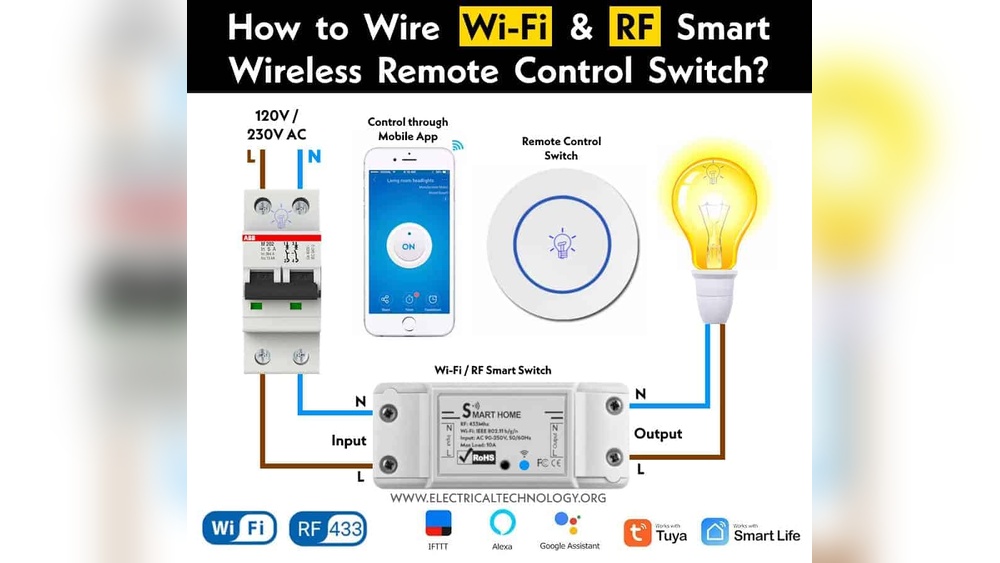
Wiring the dimmer switch is a key step in changing your light switch. This part requires careful attention to safety and accuracy. A dimmer switch controls light brightness by adjusting the electrical flow. Proper wiring ensures it works well and lasts long.
Before wiring, turn off power at the circuit breaker. Use a tester to confirm no electricity flows. This prevents shocks while working with wires. Wear insulated gloves for extra safety.
Identifying Wires
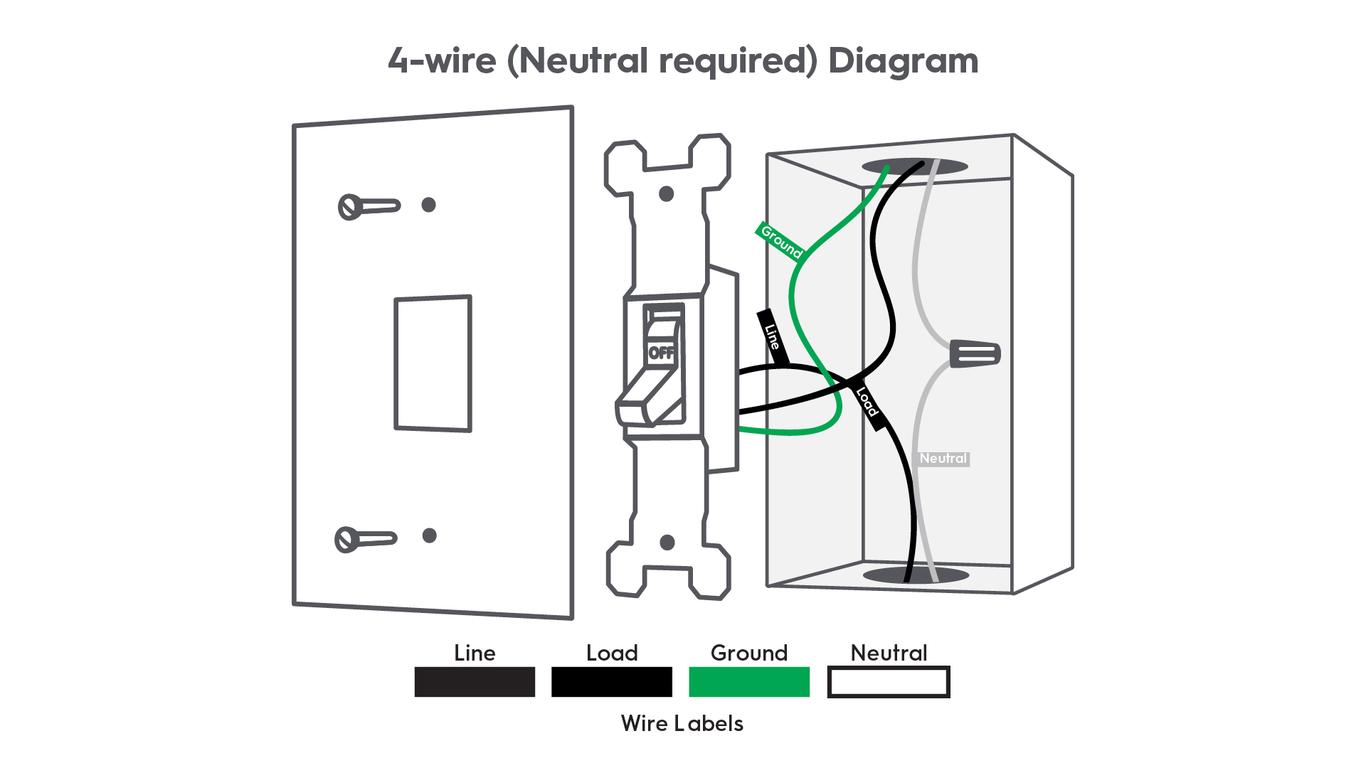
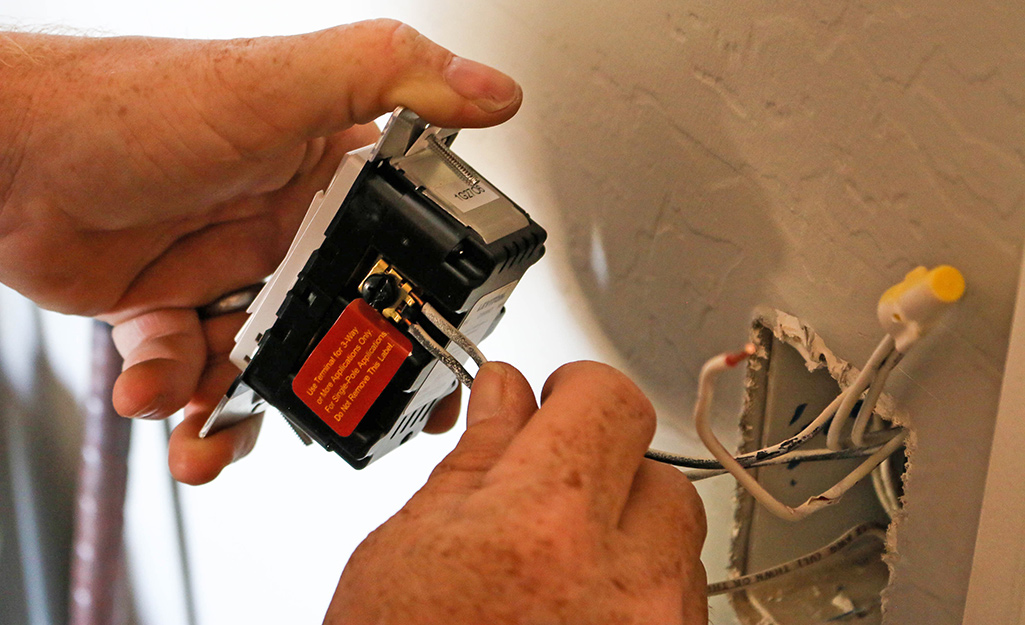
Look inside the switch box to find the wires. Usually, you will see three types: live (hot), neutral, and ground. Live wires carry current to the switch. Neutral wires return current to the power source. Ground wires provide safety by directing electricity away.
Live wires are often black or red. Neutral wires are white or gray. Ground wires are green or bare copper. Use a voltage tester to double-check live wires before touching.
Connecting Wires Safely
Match wires from the dimmer switch with wires in the box. Connect live wire to live wire, neutral to neutral, and ground to ground. Use wire nuts to join wires tightly. Wrap connections with electrical tape for extra protection.
Do not force wires into the dimmer switch. Follow the switch’s instructions for wire placement. After connecting, carefully push wires back into the box. Secure the dimmer switch with screws.
Mounting The Dimmer Switch
Mounting the dimmer switch is a key step in changing your light switch. It secures the new switch to the wall and connects it to your home’s wiring. This step must be done carefully to ensure safety and proper function.
Prepare The Switch Box
Start by checking the switch box for any loose wires or debris. Make sure the box is clean and dry. This helps avoid electrical problems and makes mounting easier.
Attach The Dimmer Switch To The Box
Hold the dimmer switch against the box. Align the screw holes on the switch with the box holes. Use a screwdriver to fasten the screws tightly. This keeps the switch steady and secure.
Check The Switch Position
Ensure the dimmer switch is straight and level. Adjust as needed before fully tightening the screws. A neat installation looks better and works well.
Install The Switch Cover Plate
Place the cover plate over the dimmer switch. Line up the screw holes. Screw the cover plate in place. This protects the switch and completes the look.
Restoring Power And Testing
After installing your new dimmer switch, restoring power and testing is the final step. This ensures the dimmer works correctly and safely controls your light’s brightness.
Restoring power must be done carefully. Testing helps confirm the dimmer switch functions as expected without any issues.
Turn The Circuit Breaker Back On
Find the circuit breaker you turned off earlier. Flip it back to the ON position. This restores electricity to the switch and light fixture. Avoid touching wires or switches until power is back.
Test The Dimmer Switch
Press the dimmer switch or slide the control gently. The light should turn on and adjust brightness smoothly. Check if the dimmer dims the light from bright to low without flickering or buzzing sounds.
Check For Any Problems
Look for signs of issues. Flickering, buzzing, or no light means something is wrong. Turn off the circuit breaker again and recheck your wiring. Correct any mistakes before restoring power again.
Troubleshooting Common Issues
Changing a light switch to a dimmer can improve your room’s lighting and mood. Still, some issues might occur during or after installation. Troubleshooting these problems helps you fix the dimmer quickly. Understanding common problems saves time and frustration.
Check The Dimmer Compatibility
Not all dimmers work with every bulb type. Make sure your dimmer matches the bulb you use. LED bulbs need special dimmers. Using the wrong type can cause flickering or no dimming at all.
Inspect The Wiring Connections
Loose or wrong wiring causes the dimmer to fail. Turn off the power before checking wires. Ensure all wires connect tightly and correctly. Follow the dimmer’s wiring instructions carefully.
Test The Bulbs
Some bulbs do not dim well or at all. Try swapping the bulbs with dimmable ones. If the problem stops, your bulbs were the issue. Use only dimmable bulbs for the best results.
Look For Overheating Signs
A dimmer that gets hot can shut off or break. Check for overheating during use. If hot, the dimmer may be rated for lower wattage than your bulbs. Replace it with a higher wattage dimmer.
Reset The Circuit Breaker
If the dimmer does not work after installation, check the circuit breaker. It might have tripped during the process. Flip it off and on again to reset. This can restore power to the dimmer.
Credit: www.homedepot.com
Frequently Asked Questions
What Tools Are Needed To Change A Light Switch To A Dimmer?
You need a screwdriver, voltage tester, wire stripper, and a dimmer switch. Always turn off power before starting. These tools help safely remove the old switch and install the dimmer.
Can I Install A Dimmer Switch Myself?
Yes, if you follow safety guidelines and instructions carefully. Basic electrical knowledge is helpful. Turn off power, connect wires correctly, and test the dimmer after installation to ensure it works properly.
Will A Dimmer Switch Work With All Types Of Bulbs?
No, dimmer switches work best with incandescent, halogen, and some LED bulbs. Check bulb compatibility before installation. Using incompatible bulbs may cause flickering or damage.
How Do I Know If My Wiring Supports A Dimmer Switch?
Most standard wiring supports dimmer switches. Look for two or three wires: black (hot), white (neutral), and green or copper (ground). Use a voltage tester to confirm power is off before handling wires.
Conclusion
Changing your light switch to a dimmer brings better control and comfort. It lets you set the mood and save energy easily. The steps are simple and safe if you follow them carefully. Take your time and double-check each part as you go.
Enjoy softer lighting that fits any moment in your home. This small change can make a big difference every day. Give it a try and feel the cozy glow.