Have you ever hung a picture or shelf, only to find the anchor slipping or the wall damaged? Fixing anchors in your wall can feel frustrating and confusing, but it doesn’t have to be that way.
Imagine being able to secure your items firmly without worrying about them falling or ruining your walls. In this guide, you’ll discover simple, effective ways to fix anchors and keep your walls strong and looking great. Keep reading, and you’ll learn easy steps that anyone can follow, saving you time, money, and stress.
Types Of Wall Anchors
Wall anchors come in many types. Each type works best for different walls and weights. Knowing the right anchor helps you fix things firmly. Here are some common wall anchors to consider.
Plastic Expansion Anchors
Plastic expansion anchors are simple and easy to use. You drill a hole, push in the anchor, then insert the screw. The anchor expands inside the wall to hold tight. These work well in drywall and light materials.
Toggle Bolts
Toggle bolts have wings that open inside the wall. These wings spread the load over a larger area. They hold heavy items securely on hollow walls. You need a bigger hole to insert toggle bolts.
Molly Bolts
Molly bolts are metal anchors with expandable sleeves. You insert them into a drilled hole and tighten the screw. The sleeve expands behind the wall for a strong hold. Molly bolts work well for medium-weight items on drywall.
Self-drilling Anchors
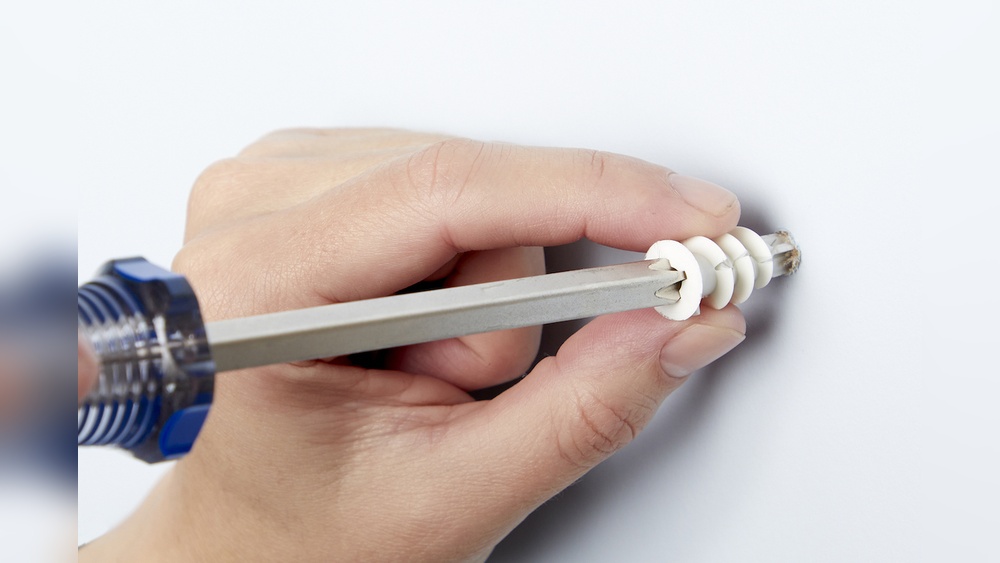
Self-drilling anchors do not need a pre-drilled hole. You screw them directly into the wall. They cut their own thread inside the drywall. These anchors are quick to install and hold light to medium loads.
Choosing The Right Anchor
Choosing the right anchor is key to fixing anchors in walls safely. It helps hold items firmly without damage. Picking the correct anchor depends on several factors. These include the wall type, the weight you want to support, and the anchor size.
Assessing Wall Material
Check the wall material first. Drywall, concrete, brick, and plaster all need different anchors. Drywall needs plastic or metal anchors that spread weight. Concrete and brick require heavy-duty anchors like sleeve or wedge types. Plaster walls are fragile and may need special anchors with wide flanges.
Considering Load Weight
Think about the weight of the item you want to hang. Light items need simple anchors. Heavy items need strong anchors that hold more weight. Overloading anchors can cause damage or accidents. Match the anchor’s weight rating with your item’s weight.
Selecting Anchor Size
Choose an anchor size that fits your drill bit and wall hole. Too small anchors will not hold well. Too large anchors can crack the wall. Use anchors that match the screw size for a tight fit. Proper size ensures better grip and stability.
Tools Needed For Installation
Fixing anchors in a wall requires the right tools for a strong hold. Using proper tools makes the job easier and safer. Basic tools help you drill, measure, and check alignment. Below are the main tools you need for this task.
Drill And Bits
A drill helps create holes for anchors in the wall. Use drill bits that match the anchor size. Different walls need different bits, like masonry or wood bits. A steady drill ensures precise holes without wall damage.
Screwdriver
A screwdriver tightens screws into the anchors. Choose a screwdriver that fits the screw head well. Manual or electric screwdrivers work fine. This tool helps secure the anchor firmly in place.
Measuring Tape
Measuring tape helps mark exact spots for drilling. Accurate measurements avoid misplaced holes. It ensures your anchors line up correctly. Always measure twice for better results.
Level
A level checks that anchors are straight and even. Use it after marking and after installing anchors. Straight anchors keep shelves and fixtures balanced. This tool prevents crooked installations.
Step-by-step Installation
Installing wall anchors correctly ensures a strong hold and prevents damage. Follow these simple steps to fix anchors securely. Each step helps you prepare and place the anchor with care. This method works for drywall, plaster, and masonry walls.
Marking Anchor Position
Start by deciding where to place the anchor. Use a pencil to mark the exact spot. Check the level to keep your marks straight. Accurate marking avoids mistakes during drilling.
Drilling The Hole
Choose a drill bit that matches the anchor size. Drill slowly at the marked spot. Keep the drill straight to avoid angled holes. Stop drilling once the hole is deep enough for the anchor.
Inserting The Anchor
Push the anchor into the drilled hole. Use a hammer gently if it doesn’t fit easily. The anchor should sit flush with the wall surface. Make sure it is secure and does not move.
Securing The Screw
Place the screw into the anchor’s center. Tighten the screw with a screwdriver carefully. Do not over-tighten or strip the screw. The anchor should hold firm without damaging the wall.
Common Mistakes To Avoid
Fixing anchors in walls may seem simple but many make common errors. These mistakes cause weak holds or damage to walls. Avoid these errors to secure anchors properly and safely.
Using Wrong Anchor Type
Not all anchors fit every wall type. Drywall needs different anchors than brick or concrete. Using the wrong anchor lowers strength and may cause the anchor to fall out. Check wall material first. Choose anchors designed for that surface. This step ensures a strong hold.
Drilling Incorrect Hole Size
Drilling holes too big or too small is a common problem. A hole too large makes the anchor loose. A hole too small can break the anchor or wall. Use the anchor package to find the right drill size. Measure twice before drilling. This avoids weak or damaged anchors.
Over-tightening Screws
Many tighten screws too much. Over-tightening can crack the wall or strip the anchor. Tighten screws just enough to hold the object firmly. Stop once resistance increases. This prevents damage and keeps anchors secure.

Credit: www.amazon.com
Testing Anchor Strength
Testing anchor strength is a key step after fixing anchors in a wall. It ensures the anchor holds firmly and will support the weight. Without testing, the anchor might fail, causing damage or injury. This section explains how to check the anchor’s strength safely and effectively.
Applying Gradual Pressure
Start by applying gentle pressure on the anchor. Use your hand or a tool to push or pull slowly. Increase the force little by little. This prevents sudden stress that can damage the wall or anchor. Watch how the anchor reacts. A strong anchor will stay firm without shifting or loosening.
Checking For Movement
Look closely for any movement around the anchor. Wiggle the anchor lightly from side to side and up and down. Even small shifts mean the anchor is not secure. If the anchor moves, remove it and try a different fixing method. A steady anchor shows good grip and can hold weight safely.
Tips For Removing Anchors
Removing anchors from walls can be tricky. It requires care to avoid damage. Follow these tips to take out anchors safely and keep your wall smooth.
Unscrewing And Pulling Out
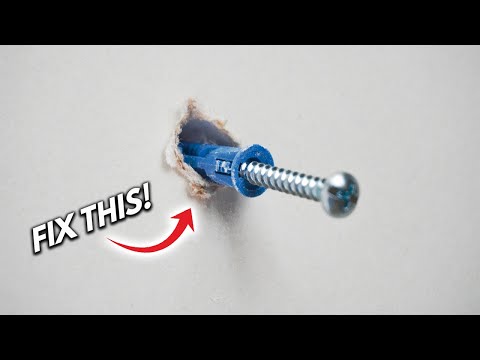
Start by unscrewing the screw from the anchor. Use a screwdriver that fits well. After removing the screw, try pulling the anchor out gently. Use pliers if the anchor is tight. Pull slowly to avoid breaking the wall surface.
If the anchor is stuck, push it into the wall cavity. This works for plastic anchors. Be careful not to damage the wall further.
Patching The Wall
Once the anchor is out, you will see a hole. Clean the hole by removing dust and loose material. Use a putty knife to apply wall filler or spackle. Fill the hole completely and smooth the surface.
Let the filler dry fully before sanding it down. Sand lightly to make the surface even. Paint over the patch to match the wall color. This restores the wall and hides the repair.

Credit: diy.stackexchange.com
Credit: www.youtube.com
Frequently Asked Questions
What Tools Do I Need To Fix Wall Anchors?
You need a drill, screwdriver, wall anchors, and a hammer. A level and pencil help for precise placement. Choose anchors based on wall type and load requirements.
How Do I Remove Old Wall Anchors Safely?
Use pliers to gently pull out plastic anchors. For metal anchors, unscrew or tap them inward carefully. Patch holes afterward to restore the wall surface.
Can I Reuse Wall Anchors After Removal?
It’s best to use new anchors for secure hold. Reused anchors may lose grip and cause damage. Always select anchors suitable for your wall material.
What Types Of Anchors Work Best For Drywall?
Plastic expansion anchors, toggle bolts, and molly bolts work well. Choose based on the weight of the item you hang. Proper anchor selection ensures a strong, lasting fix.
Conclusion
Fixing wall anchors can be simple and quick with the right steps. Use the proper tools and take your time. Clean the hole before inserting a new anchor for a strong hold. Avoid over-tightening screws to prevent damage. Small repairs keep your walls safe and sturdy.
Practice these tips to handle anchors with confidence. Your walls will stay secure and look neat. Try these fixes anytime you need to hang something.