Are you ready to hang your curtains but worried about finding the right support? Installing wall anchors for your curtain rod is the key to a secure and sturdy setup.
Without the right anchors, your curtain rod could fall, causing damage and frustration. In this guide, you’ll learn simple, step-by-step instructions to install wall anchors like a pro—even if you’ve never done it before. By the end, your curtains will hang perfectly, and you’ll feel confident tackling other home projects too.
Let’s get started and make your space look amazing!

Credit: diy.stackexchange.com
Types Of Wall Anchors
Choosing the right wall anchor is key for a strong curtain rod installation. Different anchors suit different wall types and weights. Knowing the options helps pick the best one for your project. Here are common types of wall anchors used for curtain rods.
Plastic Expansion Anchors
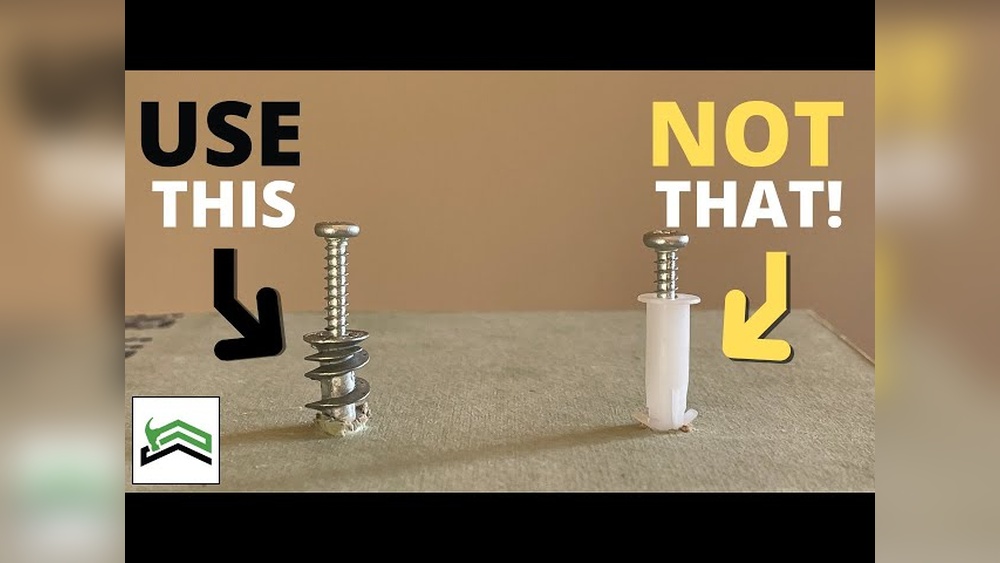
Plastic expansion anchors work well in drywall. They are easy to install. The anchor expands inside the wall when a screw is driven in. This creates a tight grip. They hold light to medium-weight curtains securely.
Toggle Bolts
Toggle bolts are strong anchors for heavy curtains. They have metal wings that open inside the wall. The wings spread the load over a large area. This gives a very firm hold in hollow walls.
Molly Bolts
Molly bolts are metal anchors that expand behind the wall. They fit well in drywall and plaster. Tightening the screw pulls the bolt’s legs outward. This locks the anchor firmly in place. They support medium to heavy curtain rods.
Self-drilling Anchors
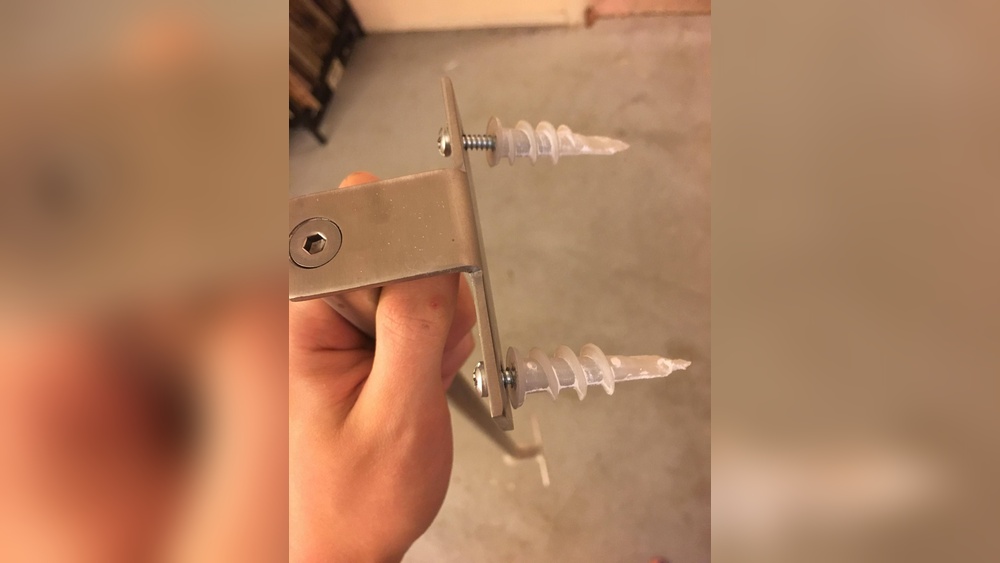
Self-drilling anchors do not need pre-drilling. They screw directly into drywall. The wide threads create a strong grip. These anchors are good for light to medium loads. Installation is quick and simple.

Credit: www.youtube.com
Tools And Materials Needed
Installing wall anchors for a curtain rod requires some basic tools and materials. Having the right tools makes the job easier and ensures a strong hold. Gather everything before you start to save time and avoid frustration.
Measuring Tape And Pencil
Use a measuring tape to find the exact spot for your curtain rod. Mark the points clearly with a pencil. This helps to keep the rod level and centered on the wall. Accurate measurements prevent mistakes and keep the installation neat.
Drill And Drill Bits
A drill is necessary to create holes for the wall anchors. Choose drill bits that match the size of your anchors. This ensures the anchors fit snugly and hold the weight of the rod and curtains. A steady hand helps to drill straight holes.
Screwdriver
A screwdriver tightens screws into the wall anchors. Use the right type of screwdriver, either flathead or Phillips, to avoid stripping screws. Tight screws keep the rod brackets secure and stable.
Level
A level ensures your curtain rod is perfectly horizontal. Place it on the rod brackets before final tightening. This prevents uneven curtains and improves the room’s look. A level is a small tool that makes a big difference.
Choosing The Right Anchor
Choosing the right wall anchor is key to a strong curtain rod installation. The right anchor keeps your rod secure and prevents damage to your wall. Different walls need different anchors. Choosing carefully saves time and effort.
Assessing Wall Material
Check what type of wall you have. Drywall, plaster, brick, and concrete all need different anchors. Drywall is soft and weak. Brick and concrete are hard and dense. Knowing your wall helps pick an anchor that grips well.
Weight Capacity Considerations
Think about how heavy your curtains are. Heavy curtains need stronger anchors. Each anchor shows a weight limit. Pick one that holds more than your curtains weigh. This stops the rod from pulling out.
Anchor Size And Length
Choose an anchor size that fits your screw. The anchor should be long enough to go deep into the wall. A longer anchor holds better in thick walls. Size and length keep the rod steady and safe.
Marking Drill Points
Marking drill points is a key step in installing wall anchors for a curtain rod. Precise marks ensure the anchors hold tight and the rod stays level. Take your time to measure and mark carefully. This helps avoid mistakes and saves effort later.
Measuring Curtain Rod Placement
First, decide where the curtain rod will sit on the wall. Measure the width of your window. Add extra length on each side for curtain overlap. Use a tape measure to find exact points for brackets. Write down these measurements for reference.
Using A Level For Accuracy
Next, use a level to make sure the rod will be straight. Hold the level against the wall where you want the rod. Adjust until the bubble is centered. This step prevents crooked curtains. Mark a light line along the level’s edge.
Marking Anchor Spots
Finally, mark the exact drill points for the wall anchors. Place the curtain rod brackets at the measured spots. Use a pencil to mark holes through the bracket screw slots. Double-check the marks with the level line. Clear marks lead to secure anchors and a stable curtain rod.
Drilling Holes
Drilling holes is the key step to fix wall anchors for your curtain rod. It creates the right space for the anchors to hold firmly in the wall. Proper drilling ensures the curtain rod stays secure and can carry the weight of your curtains. Taking care in this step prevents damage to your wall and makes installation easier.
Selecting The Proper Drill Bit
Choose a drill bit that matches the size of your wall anchors. The bit should be slightly smaller or equal to the anchor’s diameter. This fit helps the anchor stay tight in the wall. Use a masonry bit for brick or concrete walls. For drywall, a standard bit works best. Using the right bit prevents loose anchors and falling rods.
Drilling At Marked Points
Mark the exact spots where the anchors will go. Use a pencil and level to get precise points. Hold the drill steady and straight to avoid angled holes. Drill slowly and apply light pressure to avoid cracking the wall. Stop drilling once you reach the correct depth for the anchor. Accurate holes lead to a strong hold and a neat finish.
Cleaning Out Debris
Remove dust and debris from the drilled holes before inserting anchors. Use a small brush or blow air into the hole. Cleaning helps anchors fit tightly and grip better. Debris can cause anchors to slip or not hold weight properly. Clean holes improve the durability and safety of your curtain rod installation.

Credit: www.youtube.com
Inserting Wall Anchors
Inserting wall anchors is key to hanging curtain rods securely. Anchors hold screws tightly in drywall or plaster. They stop screws from pulling out under weight. Different anchors work best for different wall types and weights. Choose the right anchor for your curtain rod and wall type.
Installing Plastic Anchors
Plastic anchors are simple and common. First, drill a hole matching the anchor size. Push the plastic anchor into the hole. Tap it gently with a hammer until flush with the wall. Insert the screw through the curtain rod bracket into the anchor. Tighten the screw slowly. The anchor expands and grips the wall firmly.
Securing Toggle Bolts
Toggle bolts are strong for heavy rods and drywall. Drill a hole large enough for the folded toggle. Thread the screw through the bracket and toggle. Push the toggle through the hole inside the wall. It springs open behind the drywall. Pull back slightly to lock it in place. Tighten the screw carefully to secure the bracket.
Setting Molly Bolts
Molly bolts provide solid support in hollow walls. Drill a hole to fit the molly bolt size. Insert the molly bolt into the hole. Use a screwdriver to tighten the bolt head. This action expands the sleeve inside the wall. The expansion locks the anchor firmly. Attach the curtain rod bracket and tighten the screw.
Using Self-drilling Anchors
Self-drilling anchors save time and effort. No pre-drilling needed. Place the anchor tip on the wall. Screw it in using a screwdriver. The anchor cuts into the drywall while turning. Stop when the anchor is flush with the wall. Insert the screw into the anchor. Tighten to secure the curtain rod bracket firmly.
Attaching Curtain Rod Brackets
Attaching curtain rod brackets is a key step for hanging curtains safely. The brackets hold the rod and support the weight of the curtains. Proper attachment prevents the rod from falling or tilting. Follow clear steps to secure the brackets firmly to the wall anchors.
Aligning Brackets With Anchors
Start by matching the bracket holes with the wall anchors. Hold the bracket against the wall. Check the holes line up perfectly with the anchors. This alignment is vital for strong support. Adjust the bracket position if needed. Use a level to keep it straight. Straight brackets improve curtain appearance and function.
Screwing Brackets Securely
Use screws that fit your wall anchors. Insert screws through the bracket holes into the anchors. Tighten screws with a screwdriver or drill. Make sure screws are snug but not too tight. Over-tightening can damage anchors or wall. Secure screws keep brackets fixed and stable.
Double-checking Stability
After screwing, test the bracket’s hold. Gently wiggle the bracket to check for movement. No wiggle means a strong fit. If loose, tighten screws more or reposition anchors. Proper stability ensures the rod holds curtain weight. Safe brackets prevent accidents and damage.
Hanging Curtains
Hanging curtains is the final step after installing wall anchors and brackets. This part brings your room style and privacy together. Properly hanging curtains keeps them secure and lets them move smoothly. Follow each step carefully to make sure your curtains look great and work well.
Placing Curtain Rod On Brackets
Start by lifting the curtain rod gently. Place the rod into the brackets on each side. Make sure the rod sits firmly without wobbling. Check both ends to confirm the rod is even. A steady rod supports your curtains and avoids damage.
Adjusting Curtain Position
Slide the curtains onto the rod evenly. Adjust the fabric so it hangs straight and smooth. Pull the curtains to cover the window fully or partially. Check the curtain length to ensure it touches the floor or sill. This step improves the room’s look and function.
Final Inspection
Look at the curtain rod and fabric from different angles. Make sure the rod is level and the curtains hang without gaps. Test the curtains by opening and closing them slowly. Fix any twists or uneven parts. A final check guarantees your curtains stay in place and look perfect.
Troubleshooting Common Issues
Installing wall anchors for curtain rods can be tricky. Some common problems may occur during or after the installation. Knowing how to fix these issues keeps your curtains hanging safely and looks neat. This section covers simple solutions to common problems.
Loose Anchors
Loose anchors make the curtain rod unstable. Check if the anchor is too big for the hole. If so, use a smaller drill bit next time. Push the anchor fully inside the wall. Tap it gently with a hammer if needed. Use anchors designed for your wall type. Tighten screws carefully without overdoing it. If loose anchors remain, try expanding anchors that grip inside the wall.
Uneven Brackets
Uneven brackets cause curtains to hang crooked. Measure the height for both brackets before drilling. Use a level tool to ensure they are straight. Mark the spots clearly on the wall. Drill holes at the marked points only. If brackets are uneven, loosen screws and adjust. Tighten screws after checking the alignment again. Re-measure to confirm even placement before hanging curtains.
Wall Damage Prevention Tips
Wall damage happens if drilling is careless. Use a stud finder to avoid drilling into studs or pipes. Choose the right type of anchor for your wall material. Drill slowly and stop if the wall cracks. Avoid large holes that weaken the wall. Patch holes with spackle or filler if needed. Clean dust from drilled holes before inserting anchors. These steps protect walls and keep anchors firm.
Frequently Asked Questions
What Types Of Wall Anchors Work Best For Curtain Rods?
Plastic expansion anchors and toggle bolts work well for curtain rods. Choose anchors based on wall type and curtain weight for secure support.
How Do I Choose The Right Size Wall Anchor?
Select a wall anchor that matches the curtain rod bracket screw size. Larger anchors provide better support for heavy curtains and rods.
Can I Install Wall Anchors Without Drilling?
No, drilling a pilot hole is necessary to insert most wall anchors securely. It ensures proper grip and prevents wall damage.
How Deep Should I Drill For Wall Anchors?
Drill a hole slightly deeper than the anchor length. This allows the anchor to fit fully and hold the curtain rod firmly.
Conclusion
Installing wall anchors for curtain rods is simple with the right steps. Choose the correct anchor for your wall type. Drill holes carefully and insert anchors firmly. Tighten screws without forcing them. This ensures a strong hold and prevents damage.
Proper installation keeps your curtains secure and your walls safe. Take your time and follow the guide closely. Soon, your curtains will hang nicely and stay put. Enjoy your well-installed curtain rods every day.