Looking to hang something sturdy on your wall but don’t want to deal with the hassle of drilling? You’re in the right place.
Installing plastic anchor wall hooks without drilling is easier than you think—and it saves your walls from damage. You’ll discover simple, step-by-step tips to get your anchors in place quickly and securely. By the end, you’ll have the confidence to hang your favorite items without any noise, dust, or extra tools.
Ready to transform your space without the mess? Let’s dive in.

Credit: www.amazon.com
Choosing The Right Plastic Anchor
Choosing the right plastic anchor is key for a strong, secure hold. The anchor must fit the wall type and the item’s weight. Picking the wrong anchor can cause damage or failure.
Plastic anchors come in different shapes and sizes. Knowing which to use helps avoid problems and saves time.
Types Of Plastic Anchors
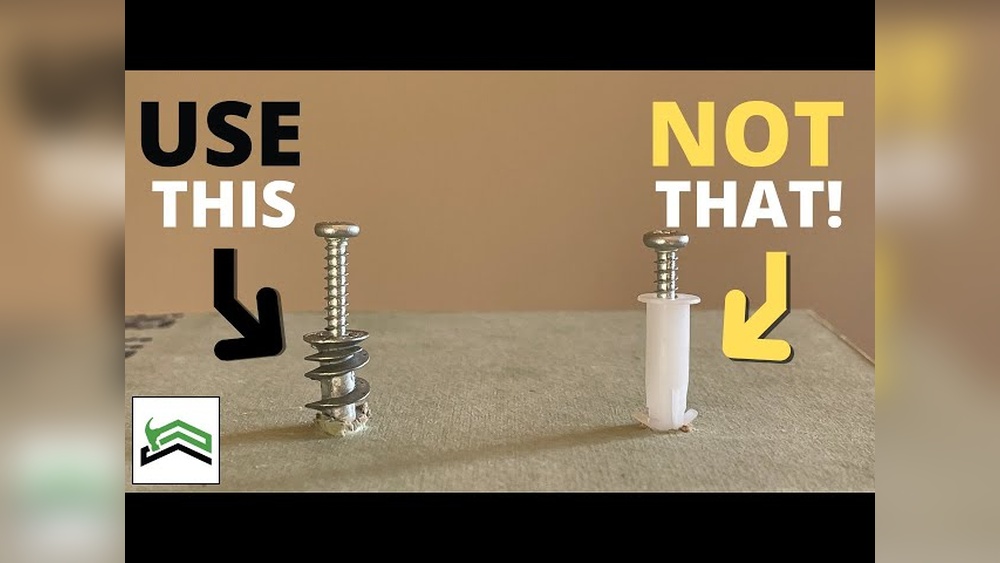
There are several types of plastic anchors. Expansion anchors spread out inside the wall for grip. Ribbed anchors have ridges to prevent slipping. Screw-in anchors twist into drywall for a tight fit. Each type works best with certain walls and weights.
Selecting Based On Wall Material
Wall material affects anchor choice. Drywall needs anchors that expand or screw in. Plaster walls require anchors that hold without cracking. Concrete or brick needs heavy-duty anchors that fit tightly. Match the anchor to the wall for best results.
Weight Capacity Considerations
Weight capacity is important for safety. Check the anchor’s weight limit before buying. Light anchors suit small frames or decorations. Heavy anchors hold shelves or large mirrors. Always pick an anchor that supports more than your item weighs.
Tools Needed For No-drill Installation
Installing plastic anchor wall hangers without drilling is simple and fast. You only need a few tools to get the job done. Knowing which tools to have ready makes your work easier and safer.
Some tools are basic and essential. Others are optional but help speed up the process or improve accuracy. This section lists both types of tools for no-drill installation.
Basic Tools Checklist
- Plastic anchor wall anchors (no-drill type)
- Measuring tape or ruler
- Pencil or marker to mark spots
- Hammer or rubber mallet
- Level for straight hanging
Optional Tools For Ease
- Stud finder to avoid weak spots
- Adhesive cleaner for smooth surfaces
- Masking tape to hold anchors temporarily
- Small screwdriver for adjustments
Preparing The Wall Surface
Preparing the wall surface is an important first step before installing plastic anchor wall no drill. It helps ensure the anchors hold securely and the installation lasts long. Proper preparation prevents damage and makes the process smooth. Follow simple steps to get the wall ready for the anchors.
Cleaning And Marking Spots
Start by cleaning the wall surface. Use a damp cloth to remove dust, dirt, and grease. A clean wall helps the anchor stick better. Let the wall dry completely before moving on.
Next, mark the spots where you want to place the anchors. Use a pencil and a ruler for accuracy. Marking helps you position the anchors evenly and avoids mistakes.
Checking For Obstacles
Check the wall for obstacles like wires, pipes, or studs. These can cause problems during installation. Use a stud finder or a small tool to detect hidden objects.
Mark any obstacles clearly to avoid them while installing anchors. This step protects your wall and keeps the installation safe.

Credit: www.amazon.com
Step-by-step Installation Process
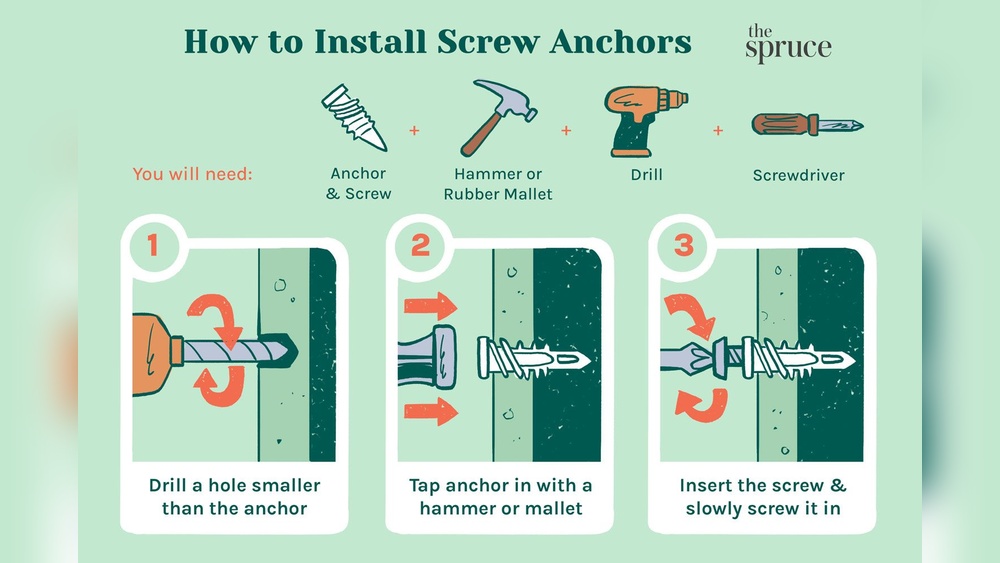
The step-by-step installation process for plastic anchor walls without drilling is simple. It saves time and keeps your walls intact. This method works well for lightweight items and drywall surfaces. Follow these clear steps to get a secure hold without any damage.
Positioning The Anchor
Start by choosing the exact spot on the wall. Mark it lightly with a pencil. Make sure the surface is clean and dry. Position the anchor at the mark so it fits flat against the wall. Check the alignment before moving on.
Inserting The Anchor Without Drilling
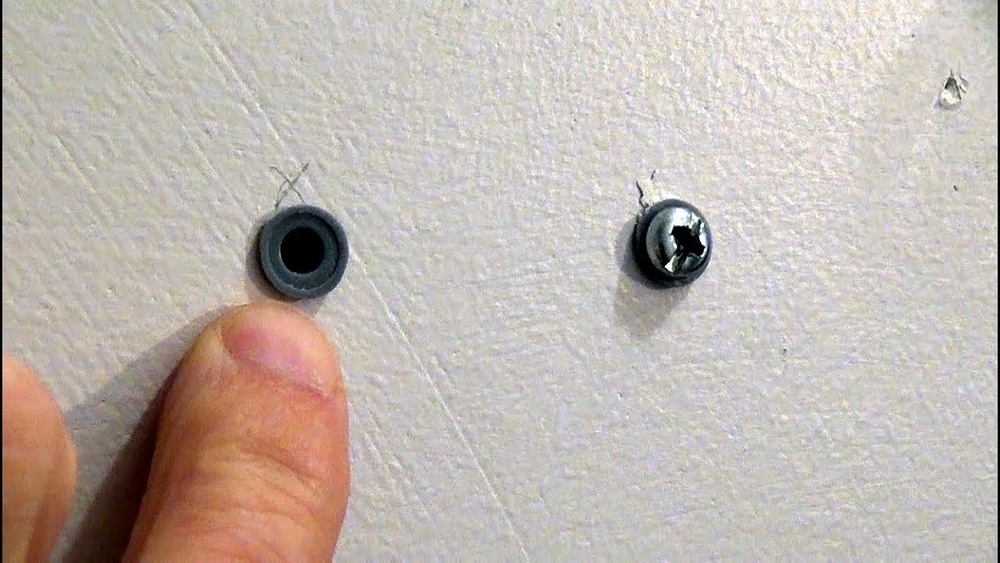
Take the plastic anchor and push it into the wall gently. Use your fingers or a small tool to help if needed. The anchor should slide in with slight pressure. Avoid forcing it too hard to prevent wall damage. Stop once the anchor is flush with the surface.
Securing The Anchor Firmly
Press the anchor firmly to ensure it grips the wall well. Use a rubber mallet or the back of a hammer for light taps. This makes the anchor expand inside the wall for a tight fit. Test the anchor by pulling gently. It should stay secure without moving.
Testing Anchor Strength
Testing the strength of a plastic anchor wall no drill is important. It ensures your anchor holds well and stays safe. This step helps avoid damage or accidents from loose anchors. Follow simple methods to check if the anchor can support the weight. Act early if you spot any issues.
Weight Test Methods
Start by hanging a light object on the anchor. Use a small bag or a few books. Slowly add more weight in small steps. Watch the anchor closely for any movement or slipping. Stop adding weight if the anchor shifts or feels loose. This method shows how much weight the anchor can hold safely.
Troubleshooting Loose Anchors
Loose anchors need quick fixing to avoid damage. First, remove the item hanging on the anchor. Check if the anchor is pushed in fully. If not, try to push it deeper by hand. If it still feels loose, remove and try a new anchor. Using a bigger anchor may help. Always test the anchor again after fixing it.
Tips For Maintenance And Removal
Plastic anchor walls without drilling are easy to install. Proper care keeps them strong and lasting. Knowing how to maintain and remove them protects your walls and anchors.
Maintaining Anchor Stability
Check anchors regularly for any signs of looseness. Gently press around the anchor to test its hold. Avoid hanging items heavier than the anchor’s weight limit. Keep the wall area dry to prevent damage. Clean the anchor and surrounding wall with a soft cloth. Do not use harsh chemicals that can weaken the plastic.
Safe Removal Techniques
Remove anchors carefully to avoid wall damage. Twist the anchor slowly to loosen it. Use pliers for a better grip if needed. Pull the anchor straight out to prevent wall holes. Fill any small holes with wall filler for a smooth finish. Sand the area lightly before repainting or decorating.
Common Mistakes To Avoid
Installing plastic anchor walls without drilling saves time and effort. Many make simple mistakes that cause anchors to fail. Avoid these common errors to ensure a strong hold and safe installation.
Wrong Anchor Selection
Choosing the wrong anchor weakens the hold. Plastic anchors come in different sizes and types. Match the anchor size to the wall material and weight of the item.
Using a small anchor for heavy objects leads to slipping or falling. Avoid picking anchors meant for drywall on concrete walls. Check product labels carefully before buying.
Improper Installation Techniques
Incorrect installation reduces anchor strength. Do not force the anchor into the wall. This can crack or damage the wall surface.
Insert the anchor gently and push it flush with the wall. Avoid over-tightening screws, which can break the plastic. Follow instructions for proper depth and alignment.
Ensure the wall surface is clean and dry before installation. Dirt or moisture can reduce grip and cause anchors to loosen over time.
:max_bytes(150000):strip_icc()/how-to-use-and-discard-anchor-screws-1822671-Final-ec8091ccf65241b1b1f888549f25003a.jpg)
Credit: www.thespruce.com
Frequently Asked Questions
What Tools Are Needed For No-drill Plastic Anchor Installation?
You only need plastic anchors, a hammer, and a screwdriver. No drill or power tools are necessary. This makes installation easy and safe for all wall types.
How Do Plastic Anchors Hold Without Drilling Holes?
Plastic anchors expand inside wall cavities when pressed in. This expansion grips the drywall firmly. The anchor provides strong support without damaging the wall.
Can I Use Plastic Anchors On All Wall Types?
Plastic anchors work best on drywall and plaster walls. They are not recommended for concrete or brick. For those, use specialized anchors or drill holes.
How Much Weight Can No-drill Plastic Anchors Support?
Weight capacity varies by anchor size and wall type. Generally, they support light to medium loads up to 20 pounds. Always check manufacturer guidelines for exact limits.
Conclusion
Installing plastic anchor wall no drill saves time and effort. It keeps your walls safe from damage. The process is simple and uses common tools. Anyone can do it with a little care. This method works well for light to medium items.
You avoid dust and mess without drilling. Try this easy way to hang things today. It makes home projects quicker and cleaner. A practical solution for renters and homeowners alike. Give it a shot and see the difference.