Have you ever tried to hang something on your wall, only to find those stubborn plastic wall anchors left behind? Removing them can be tricky and frustrating, especially if you don’t know the right steps.
But don’t worry—this guide will show you simple, effective ways to get those anchors out without damaging your walls. Keep reading to discover easy tricks that will save you time and effort, so your walls look flawless again.
Credit: www.familyhandyman.com
Types Of Plastic Wall Anchors
Plastic wall anchors come in different types. Each type works in a unique way to hold screws firmly in the wall. Knowing these types helps you remove them correctly without damaging your wall.
Expansion Anchors
Expansion anchors spread out inside the wall when a screw is pushed in. This creates a strong grip. They are usually smooth and expand in hollow walls or drywall. Removing them can be tricky since they hold tight by expanding.
Threaded Anchors
Threaded anchors look like small plastic screws. They twist into the wall and create their own hole. These anchors hold well in drywall and plaster. You can unscrew them like a normal screw to remove them easily.
Ribbed Anchors
Ribbed anchors have small ridges on their sides. These ribs stop the anchor from spinning in the hole. They are pushed into the wall and hold fast. Removing ribbed anchors often requires pulling or prying them out carefully.

Credit: www.hgtv.com
Tools Needed For Removal
Removing plastic wall anchors requires a few simple tools. Having the right tools makes the job easier and faster. Each tool plays a specific role in pulling out or loosening the anchor. Below are the basic tools needed for plastic wall anchor removal.
Pliers And Needle-nose Pliers
Pliers are great for gripping the anchor firmly. Needle-nose pliers work well for small or hard-to-reach anchors. Use them to pull the anchor straight out. They help avoid breaking the anchor inside the wall.
Screwdriver Options
A flathead or Phillips screwdriver can help loosen the anchor. Turn the screw inside the anchor to release it. Sometimes the anchor spins with the screw, so use the screwdriver carefully. It also helps to pry the anchor slightly if stuck.
Drill And Drill Bits
A drill with the right drill bit can remove anchors quickly. Use a bit slightly larger than the anchor hole. Drill slowly to avoid wall damage. This method works well for anchors that are flush with the wall.
Putty Knife Or Flat Tool
A putty knife or another flat tool can pry the anchor out. Slide it gently between the wall and anchor edge. This loosens the anchor for easy pulling. It also helps clean the wall surface after removal.
Removing Anchors With Screws
Removing anchors with screws is a common and straightforward method. It works well for plastic wall anchors that hold screws tightly. This approach avoids damage to the wall and allows easy removal of the anchor. Follow simple steps to unscrew and pull out the anchor safely.
Unscrewing The Anchor
Start by turning the screw counterclockwise. Use a screwdriver that fits well to avoid slipping. Turn slowly and gently to back the screw out. Sometimes the anchor will come out with the screw. If it doesn’t, stop and prepare to use pliers.
Using Pliers For Stubborn Anchors
Grip the screw head with pliers firmly. Pull the screw straight out with steady force. Avoid twisting or bending to prevent wall damage. For very stuck anchors, wiggle the screw slightly while pulling. Pliers give extra grip and control to remove tough anchors.

Credit: www.youtube.com
Removing Anchors Without Screws
Removing plastic wall anchors without screws can be tricky. These anchors often stay firmly in the wall. You might not have the screws or they may be lost. Still, there are easy ways to get rid of them. This section explains two simple methods to remove anchors safely and cleanly.
Pushing The Anchor Through The Wall
This method works best for small anchors. Use a long, thin object like a screwdriver or a nail. Place it against the anchor’s center. Gently push the anchor through the wall. It will fall inside the wall cavity. This leaves a small hole. You can fill the hole later with spackle or putty.
Pulling The Anchor Out Carefully
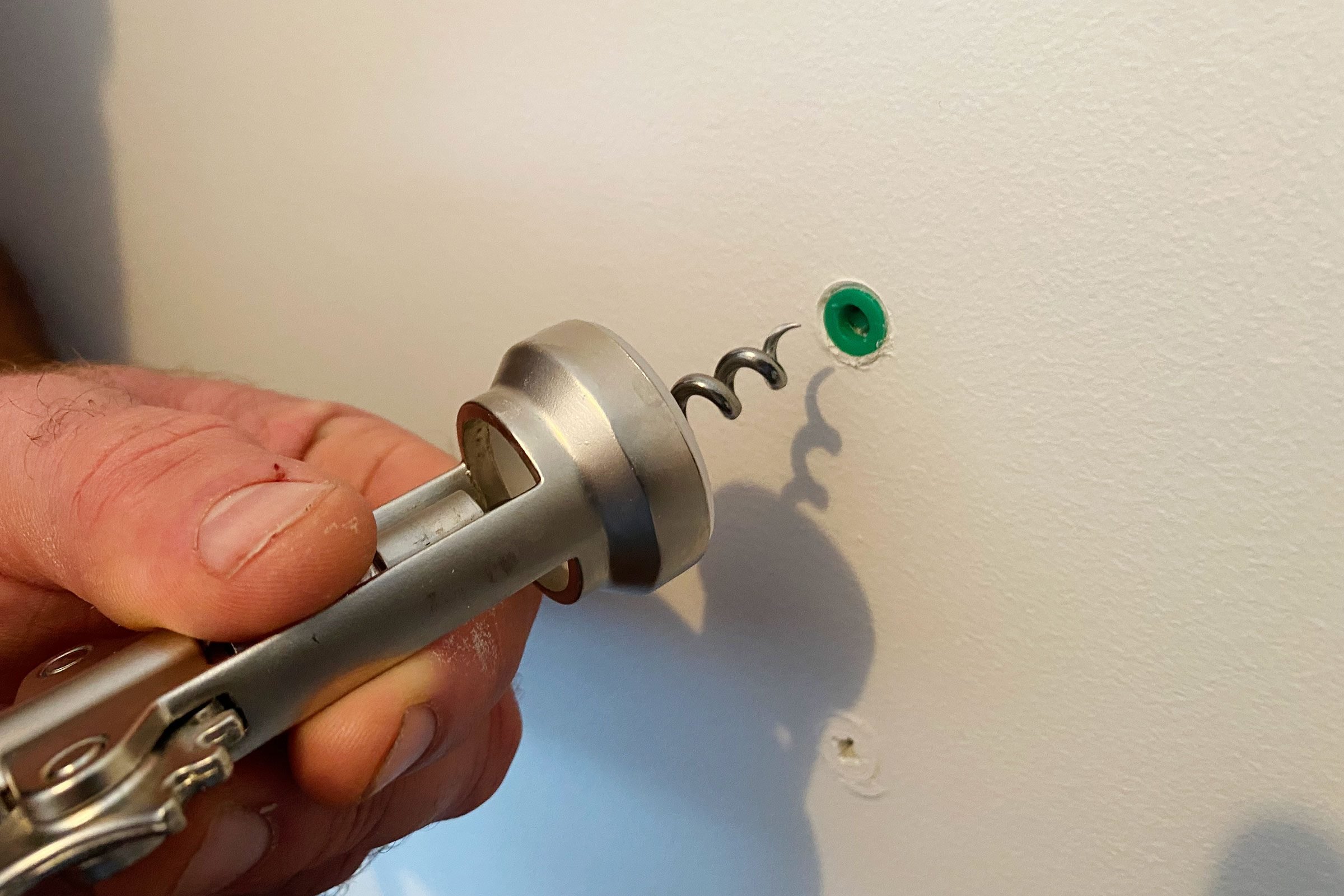
For this, use pliers or needle-nose pliers. Grip the edge of the anchor firmly. Pull it straight out slowly. Wiggle it a little if it feels stuck. Be gentle to avoid wall damage. Sometimes the anchor breaks. Remove pieces bit by bit. After removal, fill the hole for a smooth finish.
Dealing With Stuck Or Damaged Anchors
Removing plastic wall anchors can be tricky when they get stuck or damaged. These anchors often expand inside the wall, making them hard to pull out. Careful steps help avoid wall damage and make removal easier. Two common ways to handle tough anchors are drilling them out or prying them with a putty knife. Both methods work well depending on the anchor’s condition and the tools available.
Drilling Out The Anchor
Drilling is a simple way to remove stuck plastic anchors. Use a drill bit slightly smaller than the anchor’s diameter. Drill slowly into the center of the anchor. This breaks the anchor apart inside the wall. After drilling, the anchor pieces can be pushed or pulled out easily. Wear safety glasses to protect your eyes from plastic shards. This method avoids damaging the wall surface. It works best for anchors that are flush with the wall.
Using A Putty Knife To Pry
A putty knife can pry out anchors that stick out from the wall. Slide the knife’s edge gently between the anchor and wall. Twist the knife carefully to loosen the anchor. Pull the anchor out once it moves freely. This method is good for anchors that did not set deeply. Use a wide putty knife to avoid wall dents. Take care to avoid breaking the wall’s paint or drywall surface. Prying works well for damaged anchors that are too fragile to drill.
Repairing The Wall After Anchor Removal
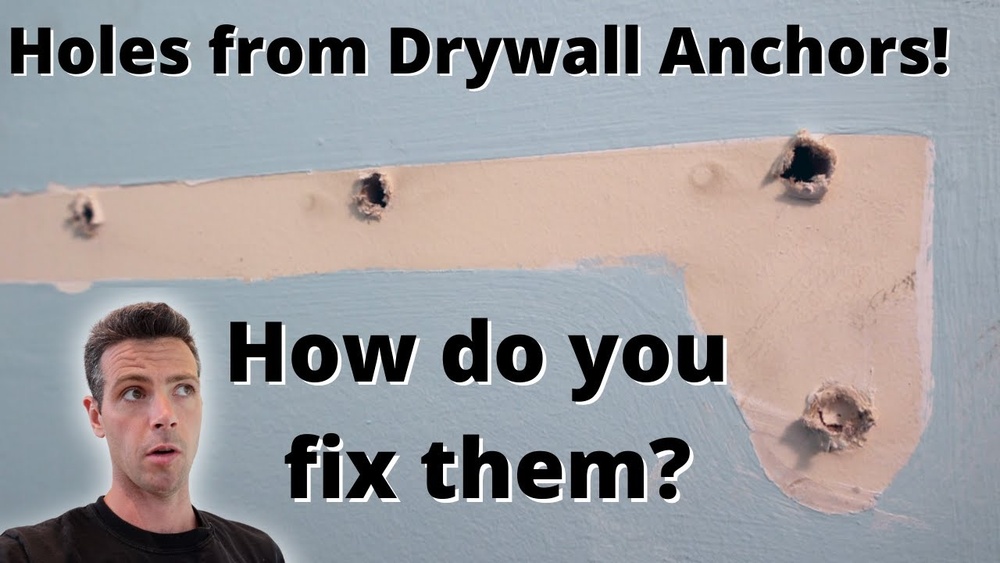
Removing plastic wall anchors leaves holes that need fixing. Repairing the wall restores its smooth look. It also prepares the surface for painting. Proper repair keeps your walls strong and neat. Follow simple steps for a clean finish.
Filling Holes With Spackle
Use spackle to fill anchor holes. Scoop a small amount with a putty knife. Press it firmly into the hole. Overfill slightly to allow for sanding. Let the spackle dry completely before moving on.
Sanding And Smoothing
Sand the dried spackle with fine-grit sandpaper. Move in gentle circles to smooth the surface. Remove dust with a dry cloth. Check the area for bumps or dips. Repeat filling and sanding if needed.
Repainting Tips
Choose paint that matches your wall color. Use a small brush for precise application. Apply thin coats to avoid drips. Allow each coat to dry before adding another. Blend edges to match the surrounding wall.
Frequently Asked Questions
How Do You Safely Remove Plastic Wall Anchors?
To safely remove plastic wall anchors, use pliers to gently pull them out. If resistant, push the anchor inside the wall and fill the hole with spackle.
Can I Remove Plastic Anchors Without Damaging The Wall?
Yes, carefully pulling or pushing anchors prevents wall damage. Use gentle force and fill holes afterward for a smooth finish.
What Tools Are Best For Removing Plastic Wall Anchors?
Pliers, screwdrivers, and putty knives work best. Use pliers for pulling, screwdrivers for pushing, and putty knives for filling holes.
How Do I Fix Holes After Removing Plastic Anchors?
Fill holes with spackling paste or wall filler. Sand smooth once dry, then repaint to restore the wall’s appearance.
Conclusion
Removing plastic wall anchors does not have to be hard. With the right tools and steps, you can do it safely. Take your time and work carefully to avoid wall damage. Small holes can be fixed easily with some filler and paint.
Now, you are ready to hang new items or leave a clean wall. Keep these tips in mind for any future wall projects. Simple and clear – that’s the best way to handle plastic anchors.