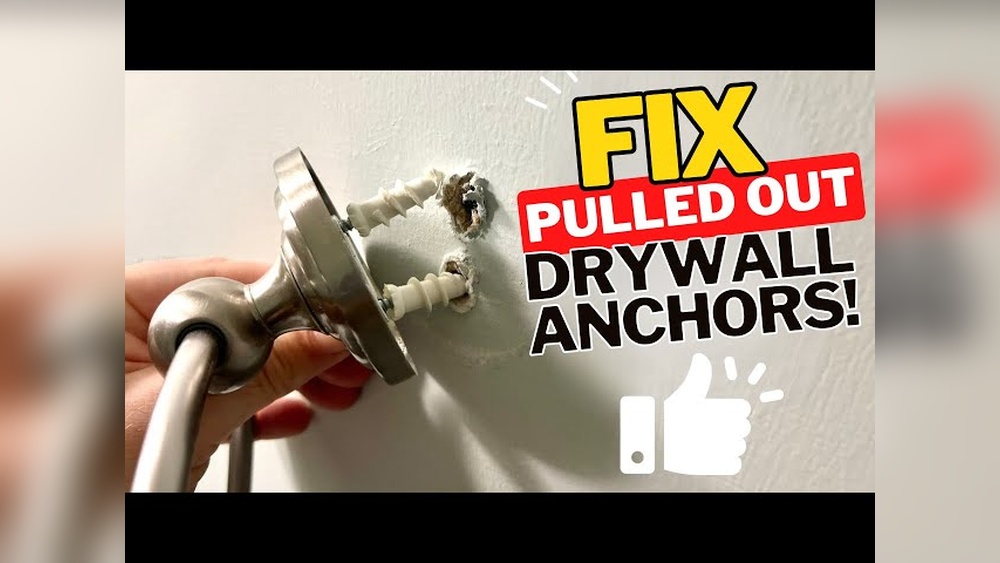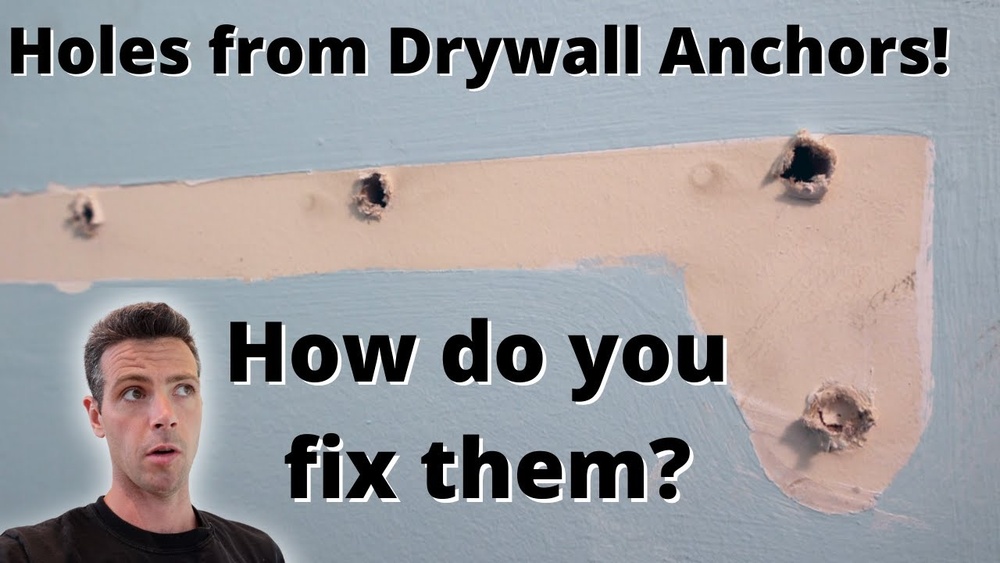
Have you ever removed a wall anchor only to find an annoying hole staring back at you? Those tiny holes can ruin the look of your walls and leave you wondering how to fix them quickly and easily.
You don’t need to hire a professional or spend hours on repairs. You’ll discover simple, step-by-step methods to repair those holes and make your walls look flawless again. Keep reading, and by the end, you’ll have the confidence to fix your walls like a pro—no stress, no mess.

Credit: www.youtube.com
Tools And Materials Needed
Fixing holes from wall anchors needs the right tools and materials. Having these ready makes the repair easier and cleaner. Gather everything before starting to save time and avoid frustration.
Tools Needed
You will need a putty knife to apply and smooth the filler. A sanding block or sandpaper helps to make the surface flat. A drill or screwdriver might be useful to remove any leftover anchor parts. A damp cloth cleans the area before and after repair.
Materials Needed
Use wall filler or spackle to fill the holes. Primer helps the paint stick better to the repaired spot. Choose paint that matches your wall color for a seamless finish. Painter’s tape protects areas around the hole from paint smudges.
Credit: www.thehandymansdaughter.com
Preparing The Hole
Preparing the hole is the first step to fix holes from wall anchors. It makes sure the patch will stick well. A clean, smooth surface is important for a strong repair. Take your time to get this right.
Remove Loose Debris
Start by clearing any loose pieces around the hole. Use a small brush or your fingers. Dust, crumbled drywall, or anchor bits can stop the patch from holding. Be gentle but thorough. Remove everything that might fall off later.
Clean The Area
Wipe the hole and the space around it with a damp cloth. This removes dust and dirt. Let the wall dry fully before moving on. A clean, dry surface helps the filler stick better. Avoid using harsh cleaners that could damage the paint or drywall.
Filling Small Holes
Filling small holes from wall anchors is simple and quick. These holes usually appear after removing screws or anchors. Fixing them helps restore a smooth wall surface. It also prepares the wall for painting or decoration.
Using Spackle Or Putty
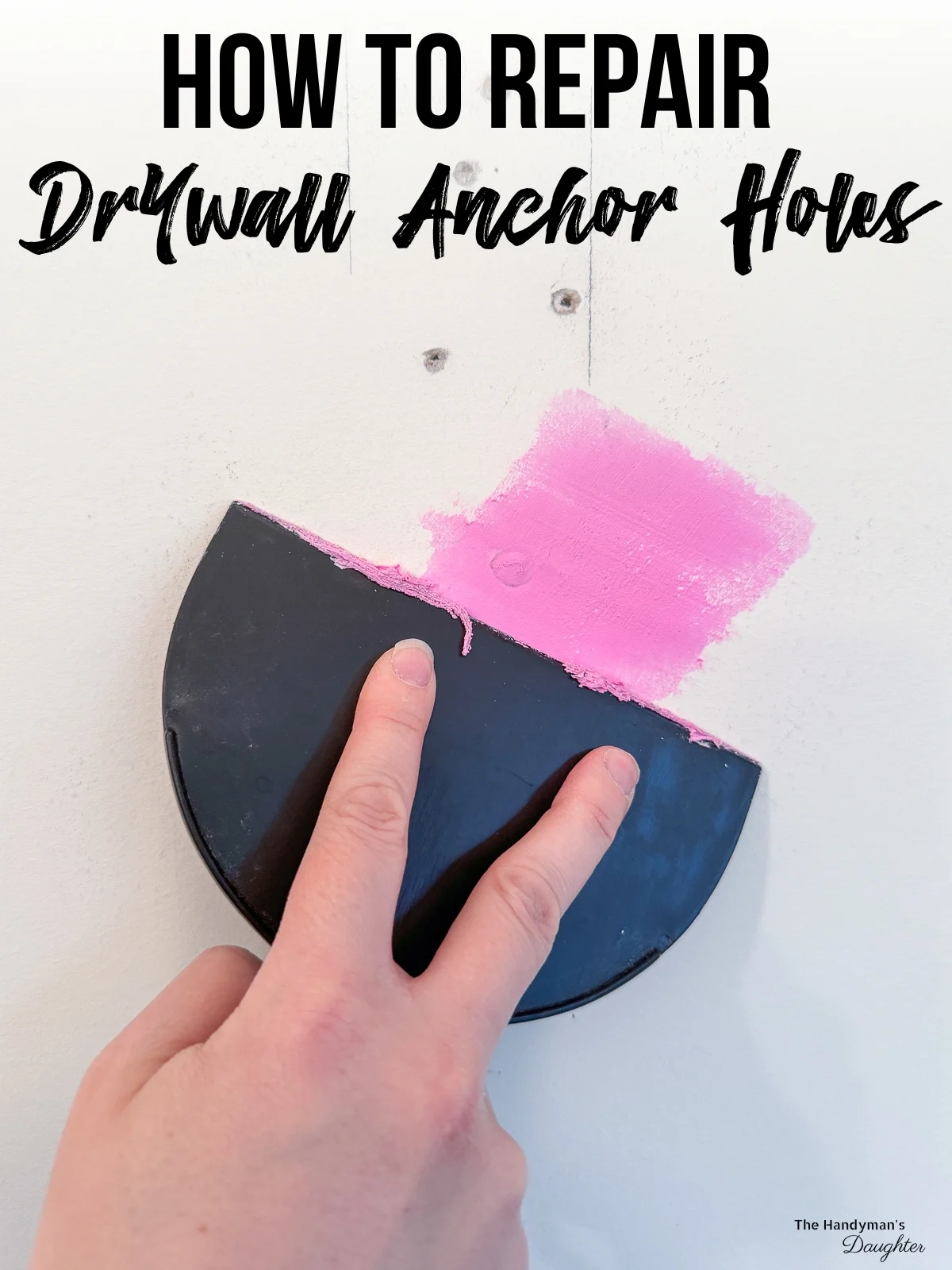
Choose spackle or putty made for wall repairs. Use a small putty knife to apply it. Press the spackle into the hole firmly. Spread it evenly over the hole’s surface. Let the spackle dry according to the instructions on the package. Drying usually takes about 15 to 30 minutes.
Sanding For Smoothness
After the spackle is dry, use fine sandpaper. Gently sand the area until it is smooth and even. Sand in small, circular motions. Avoid sanding too hard to prevent damage. Wipe away dust with a dry cloth before painting.
Repairing Large Holes
Large holes from wall anchors can spoil the look of any room. Fixing these holes takes some effort but restores your wall’s smooth surface. The right method depends on the hole size and wall type. This guide shows easy steps to repair big holes and make your wall look new again.
Applying Patch Kits
Patch kits are a quick way to cover large holes. These kits include a mesh patch and compound. Start by cleaning the hole edges. Place the mesh patch over the hole. Press it flat against the wall. The patch gives a strong base for the filler.
Next, spread the compound over the patch. Use a putty knife for smooth application. Make sure the compound covers the patch completely. Let it dry as per the instructions on the kit. Patch kits save time and work well for big holes.
Using Joint Compound
Joint compound works well for large holes and cracks. First, remove any loose debris around the hole. Apply a layer of joint compound with a putty knife. Fill the hole fully and extend a bit beyond the edges. This helps blend the repair with the wall.
Allow the compound to dry completely. Drying times vary, so check the product label. Apply a second coat if needed. Make sure the surface is even and filled. Joint compound is easy to sand and paint later.
Sanding And Smoothing
After the compound dries, sanding is key. Use fine-grit sandpaper for a smooth finish. Sand gently to avoid damaging the repair. Wipe away dust with a damp cloth. Check if the wall feels even to touch.
Repeat sanding if bumps or rough spots remain. Smooth walls help paint stick better. A well-sanded patch looks invisible once painted. Take your time; good sanding improves the final result.
Priming And Painting
Fixing holes from wall anchors needs careful priming and painting. This step protects the patched area. It also helps the paint stick well. Priming stops uneven color and shines. Painting last gives your wall a smooth, fresh look.
Choosing The Right Primer
Pick a primer that suits your wall type. Use a stain-blocking primer for patched spots. It seals the repair and stops paint from peeling. For drywall, a water-based primer works well. For wood or metal, use a primer made for those surfaces. Apply one thin coat and let it dry fully.
Matching Paint Color
Match the paint color to your wall for a clean finish. Take a small paint chip from the wall to a store. They can mix a close match for you. Test the paint on a small spot first. Let it dry to check the true color. Use a small brush for the patch to blend edges smoothly.

Credit: diy.stackexchange.com
Preventing Future Damage
Preventing future damage to your walls is key after fixing holes from wall anchors. Proper care stops new holes and keeps walls strong. Follow simple steps to protect your walls and avoid repeated repairs.
Selecting Proper Anchors
Choose anchors that fit the wall type. Drywall anchors work for drywall only. Masonry anchors fit brick or concrete walls. Match anchor size to the weight of the item. Using the right anchor reduces stress on the wall. This prevents cracks and bigger holes.
Installing Anchors Correctly
Drill a hole that matches anchor size. Avoid making holes too big or too small. Insert anchors straight and flush with the wall. Tighten screws gently to avoid expanding the hole. Check the anchor holds firmly before hanging items. Correct installation keeps walls intact and strong.
Frequently Asked Questions
How Do You Repair Holes Left By Wall Anchors?
To repair holes, remove the anchor and clean the area. Fill the hole with spackle or joint compound. Let it dry, then sand smooth. Finally, paint over the patch to match the wall color.
What Materials Are Needed To Fix Wall Anchor Holes?
You need spackle or joint compound, a putty knife, sandpaper, primer, and paint. Optionally, use a wall patch for larger holes. These materials help restore the wall’s surface smoothly and invisibly.
Can Small Wall Anchor Holes Be Fixed Without Sanding?
Yes, small holes can be filled with spackle and wiped smooth. Once dry, paint directly over the patch. Sanding is optional but recommended for the best finish and durability.
How Long Does It Take To Fix Wall Anchor Holes?
Fixing holes usually takes 1-2 hours, including drying time. Drying varies by compound type, often 30 minutes to 1 hour. Painting adds extra time but improves the final look.
Conclusion
Fixing holes from wall anchors is simple and quick. Use the right materials and tools for best results. Clean the hole, fill it carefully, and smooth the surface. Let the patch dry fully before painting or hanging items. This small repair keeps your walls neat and strong.
Practice these steps to improve your home’s look. A little effort goes a long way. You can handle these repairs with ease and confidence.