Are you struggling to find the right plastic wall anchors for your next project? Whether you’re hanging shelves, pictures, or heavy mirrors, choosing the right anchors makes all the difference.
In this guide, you’ll discover exactly where and how to get quality plastic wall anchors that fit your needs. Keep reading to avoid common mistakes and make your walls stronger and safer—your home will thank you!

Credit: www.youtube.com
Types Of Plastic Wall Anchors
Plastic wall anchors come in different types. Each type serves a special purpose for holding items on walls. Choosing the right anchor helps keep things secure and safe.
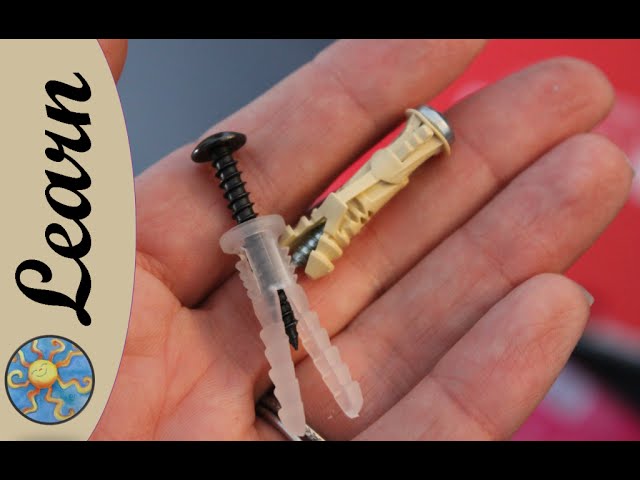
Standard Expansion Anchors
Standard expansion anchors are the most common type. They work by expanding inside the wall when a screw is inserted. This expansion creates a tight grip. These anchors are good for drywall and light materials. They come in various sizes for different weight needs.
Self-drilling Anchors
Self-drilling anchors do not need a pre-drilled hole. Their sharp tips cut into drywall easily. They save time and effort during installation. These anchors hold well in drywall and thin plaster. Ideal for medium-weight items like shelves or frames.
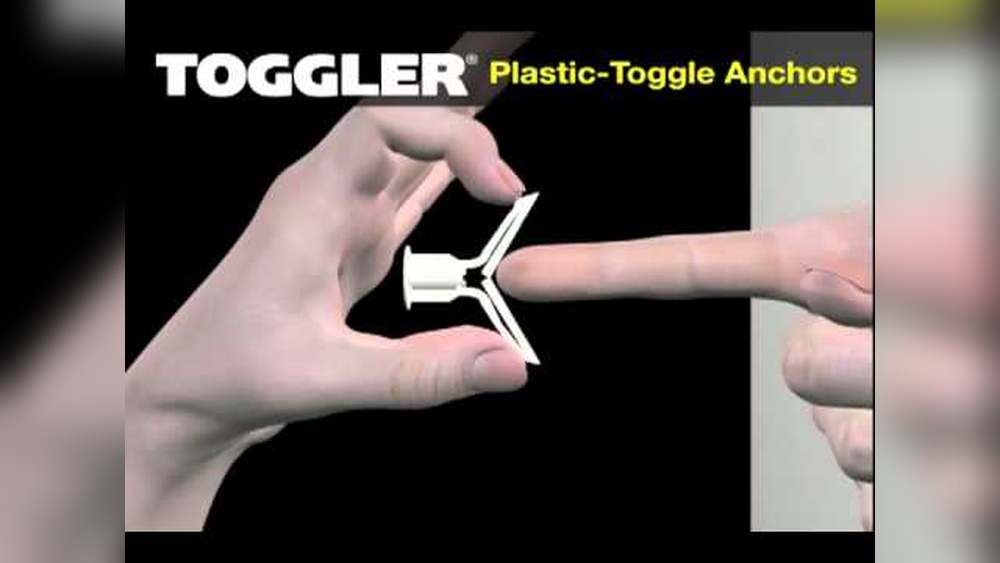
Toggle Anchors
Toggle anchors have wings that open behind the wall. This design spreads the load over a large area. They are strong and hold heavy items securely. Best for hollow walls or ceilings. These anchors need a larger hole for installation but offer high strength.
Credit: www.youtube.com
Where To Buy Plastic Wall Anchors
Choosing the right plastic wall anchor is key for a strong hold and safe mounting. The right anchor depends on the wall type, the weight of the object, and the size of the anchor. Knowing what to pick helps avoid damage and keeps things steady.
Matching Anchor To Wall Material
Walls come in many types like drywall, plaster, or brick. Each needs a different anchor. Some anchors work best in soft walls like drywall. Others hold better in hard surfaces like concrete. Picking an anchor that fits your wall material ensures better grip and safety.
Weight Capacity Considerations
Every anchor has a weight limit. Check the weight of the item you want to hang. Choose an anchor that can hold more than this weight. This extra strength keeps your items from falling. Safety first with the right weight capacity.
Anchor Size And Length
Anchors come in many sizes and lengths. Bigger anchors hold more weight. Longer anchors go deeper into the wall for stronger support. Match the anchor size and length to the weight and wall thickness. This balance gives the best hold for your project.
Online Shopping Options
Installing plastic wall anchors requires a few basic tools. These tools help make the process smooth and secure. Having the right equipment ensures the anchors hold well and the job lasts long. Here are the key tools you need for installation.
Drills And Bits
A drill is essential to make holes in the wall. Use a drill bit that matches the size of the anchor. Too big or too small can weaken the hold. A cordless drill works well for easy handling. Make sure the drill bit is sharp for clean holes.
Screwdrivers
Screwdrivers help to drive screws into the anchors. Choose a screwdriver that fits your screw head. Phillips and flathead are the most common types. A power screwdriver can save time and effort. Turn screws gently to avoid stripping them.
Measuring Tools
Measuring tools ensure proper placement of anchors. A tape measure helps find the right spot on the wall. Use a pencil to mark drilling points clearly. A level can keep your marks straight and even. Accurate measurements prevent mistakes and improve results.
:max_bytes(150000):strip_icc()/how-to-use-and-discard-anchor-screws-1822671-Final-ec8091ccf65241b1b1f888549f25003a.jpg)
Credit: www.thespruce.com
Tips For Choosing The Right Anchor
Checking local availability saves time and effort. It helps find plastic wall anchors near you fast. Knowing where to buy avoids unnecessary trips. This section guides you to check local sources easily.
Using Store Locators
Many hardware stores have store locators on their websites. Enter your zip code or city name to find nearby branches. Store locators show store addresses and contact details. Some also list current stock or product availability. Use them to spot stores that carry plastic wall anchors.
Calling Ahead To Confirm Stock
Phone calls save wasted trips. Call the store before visiting. Ask if they have the plastic wall anchors you need. Confirm the size and quantity in stock. Staff can also tell you about similar products. This step ensures the store has what you want.
Checking Local Classifieds And Marketplaces
Local classifieds often list hardware items. Check websites like Craigslist, Facebook Marketplace, or community boards. People sometimes sell unused wall anchors at low prices. This option might save money and time. Watch for seller location to keep it local.
Frequently Asked Questions
Where Can I Buy Plastic Wall Anchors Locally?
You can buy plastic wall anchors at home improvement stores like Home Depot or Lowe’s. Many hardware stores also stock them. Check online marketplaces like Amazon for convenient delivery options.
What Sizes Of Plastic Wall Anchors Are Available?
Plastic wall anchors come in various sizes, typically from 3/16 inch to 1/2 inch. Choose the size based on the screw and wall material to ensure a secure fit.
How To Choose The Right Plastic Wall Anchor?
Select anchors based on wall type and weight load. For drywall, use expandable anchors. For heavier items, opt for larger or metal anchors for better support.
Can I Reuse Plastic Wall Anchors?
Plastic wall anchors are usually single-use. Removing them can damage the anchor or wall. It’s best to use new anchors for secure fastening.
Conclusion
Finding plastic wall anchors is easy with the right approach. Check hardware stores or online shops for options. Choose anchors that fit your wall type and weight needs. Always follow instructions for safe installation and lasting support. With these tips, your project will hold strong and look neat.
Simple steps lead to great results every time. Keep these points in mind and start your work confidently.