If you want your house to stand strong against storms, wind, and time, anchoring your exterior walls to concrete is a crucial step. You might think it’s a complicated job, but with the right guidance, you can do it yourself or know exactly what to ask a professional.
This article will show you simple, clear steps to secure your walls safely and effectively. Keep reading, and you’ll learn how to protect your home’s structure and increase its durability without any guesswork. Your house deserves the best foundation—let’s make sure it has it.
Choosing The Right Anchors
Choosing the right anchors is key to securing house exterior walls to concrete. The right anchors ensure strong attachment and long-lasting stability. Picking unsuitable anchors can cause damage or unsafe structures. Consider the wall material, concrete type, and load needs. This helps select the best anchors for your project.
Types Of Anchors For Exterior Walls
Several anchors work well for exterior walls on concrete. Expansion anchors spread as they tighten, gripping the concrete firmly. Sleeve anchors have a metal sleeve that expands for a strong hold. Wedge anchors use a wedge to lock into the concrete. Concrete screws are easy to install and fit smaller loads. Each type fits different wall and load needs.
Materials Compatibility
Anchor materials must match wall and concrete types. Stainless steel anchors resist rust and suit wet areas. Zinc-plated anchors offer moderate corrosion resistance. Avoid anchors that can cause metal corrosion with concrete. Plastic anchors work only in light loads and soft materials. Correct material choice prevents rust and keeps the structure safe.
Load Capacity Considerations
Anchors must support the wall’s weight and external forces. Check the anchor’s load rating before installation. Heavy walls need anchors with high load capacity. Light walls can use anchors with lower ratings. Use multiple anchors for better weight distribution. Always choose anchors rated above your estimated load for safety.
Preparing The Concrete Surface
Preparing the concrete surface is a key step in anchoring house exterior walls. It ensures strong and lasting attachment. A clean, smooth surface helps the anchors hold better. Careful marking and proper drilling keep the anchors in the right place. Follow these steps to prepare the concrete well for wall anchoring.
Cleaning And Inspection
Start by cleaning the concrete surface. Remove dirt, dust, and loose debris. Use a stiff brush or a blower for this job. Check the surface for cracks or damage. Repair any faults before proceeding. A solid surface is crucial for secure anchoring.
Marking Anchor Points
Measure the wall and mark where anchors will go. Use a pencil or chalk for clear marks. Ensure equal spacing between anchor points. Double-check measurements for accuracy. Proper marking prevents mistakes during drilling.
Drilling Proper Holes
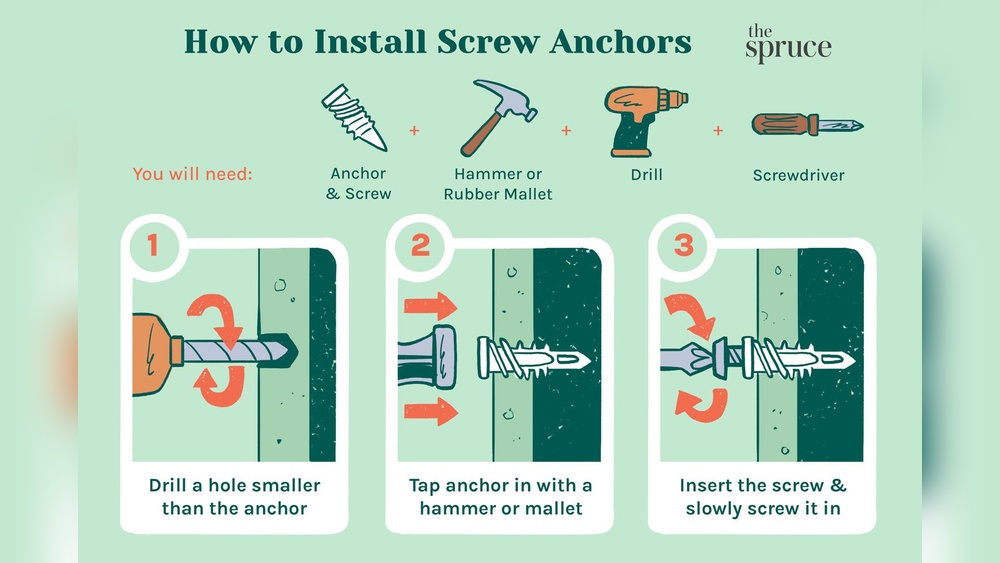
Choose the right drill bit size for your anchors. Use a hammer drill for tough concrete. Drill holes straight and to the correct depth. Clean out dust from holes with a brush or air blower. Correct holes make anchors fit tightly and hold well.
Installing Anchors Safely
Installing anchors safely is crucial for strong and lasting wall support. Proper steps prevent damage to the concrete and keep the structure stable. Careful attention to detail ensures the anchors hold firmly under pressure. Follow clear guidelines to avoid common mistakes and ensure safety.
Setting Anchor Depth
Measure the depth of the hole accurately before installation. The anchor must go deep enough to grip firmly. Too shallow, and it will not hold well. Too deep wastes material and can weaken the concrete. Use a drill stop or tape on the drill bit for control.
Using Adhesives And Epoxy
Apply adhesive or epoxy to the hole for stronger bonding. Use the right type designed for concrete and anchor rods. Clean the hole thoroughly before applying the adhesive. Fill the hole completely to avoid gaps. Allow proper curing time as per the product instructions.
Ensuring Secure Fastening
Insert the anchor carefully into the adhesive-filled hole. Tighten the fastener gradually to avoid cracking the concrete. Use a torque wrench to reach the recommended tightness. Check for any movement after installation. Secure fastening keeps the walls stable and safe.

Credit: www.dezeen.com
Attaching Exterior Walls
Attaching exterior walls to a concrete foundation is a key step in building a strong house. This process keeps the walls steady and protects the house from weather damage. Proper attachment also helps the house resist wind and earthquakes.
Each part of the wall must be carefully placed and fixed to ensure safety and durability. Careful alignment and solid fasteners create a lasting bond between the wall and the foundation. Sealing the connection stops water and air from entering the house.
Aligning Wall Frames
Start by placing the wall frames directly over the concrete foundation. Use a level to check that each frame is straight and plumb. Adjust the frames by tapping them gently with a hammer or using shims. Proper alignment prevents future problems like cracks or uneven walls.
Securing With Bolts And Screws
Fasten the wall frames using anchor bolts or concrete screws. Drill holes into the concrete to fit the bolts. Tighten the bolts firmly to hold the frame in place. Use corrosion-resistant bolts to avoid rust and damage over time. Proper fastening ensures the walls stay stable under pressure.
Weatherproofing Connections
Seal the gaps between the wall and foundation with waterproof caulk or foam. Cover the joint with flashing to direct water away from the wall. These steps stop water from seeping inside and causing mold or rot. Weatherproof connections increase the home’s energy efficiency.
Common Mistakes To Avoid
Anchoring house exterior walls to concrete is a critical task. Mistakes during this process can cause structural issues and costly repairs. Knowing common errors helps prevent problems and ensures a strong, lasting bond.
Many people overlook small details that lead to weak anchors or wall damage. Avoiding these common mistakes improves safety and durability. Below are three frequent errors to watch out for.
Overtightening Anchors
Too much force can crack concrete or damage anchors. Tighten anchors just enough to hold the wall firmly. Excess pressure may weaken the concrete and reduce anchor strength. Use a torque wrench for precise tightening.
Ignoring Concrete Condition
Old or cracked concrete cannot hold anchors well. Always inspect the concrete surface before starting. Avoid placing anchors near visible cracks or loose areas. Repair or replace damaged concrete first to ensure a secure hold.
Incorrect Anchor Selection
Using the wrong type of anchor causes poor attachment. Different walls and concrete types need specific anchors. Check anchor size, material, and load capacity carefully. Match anchors to your project needs for best results.
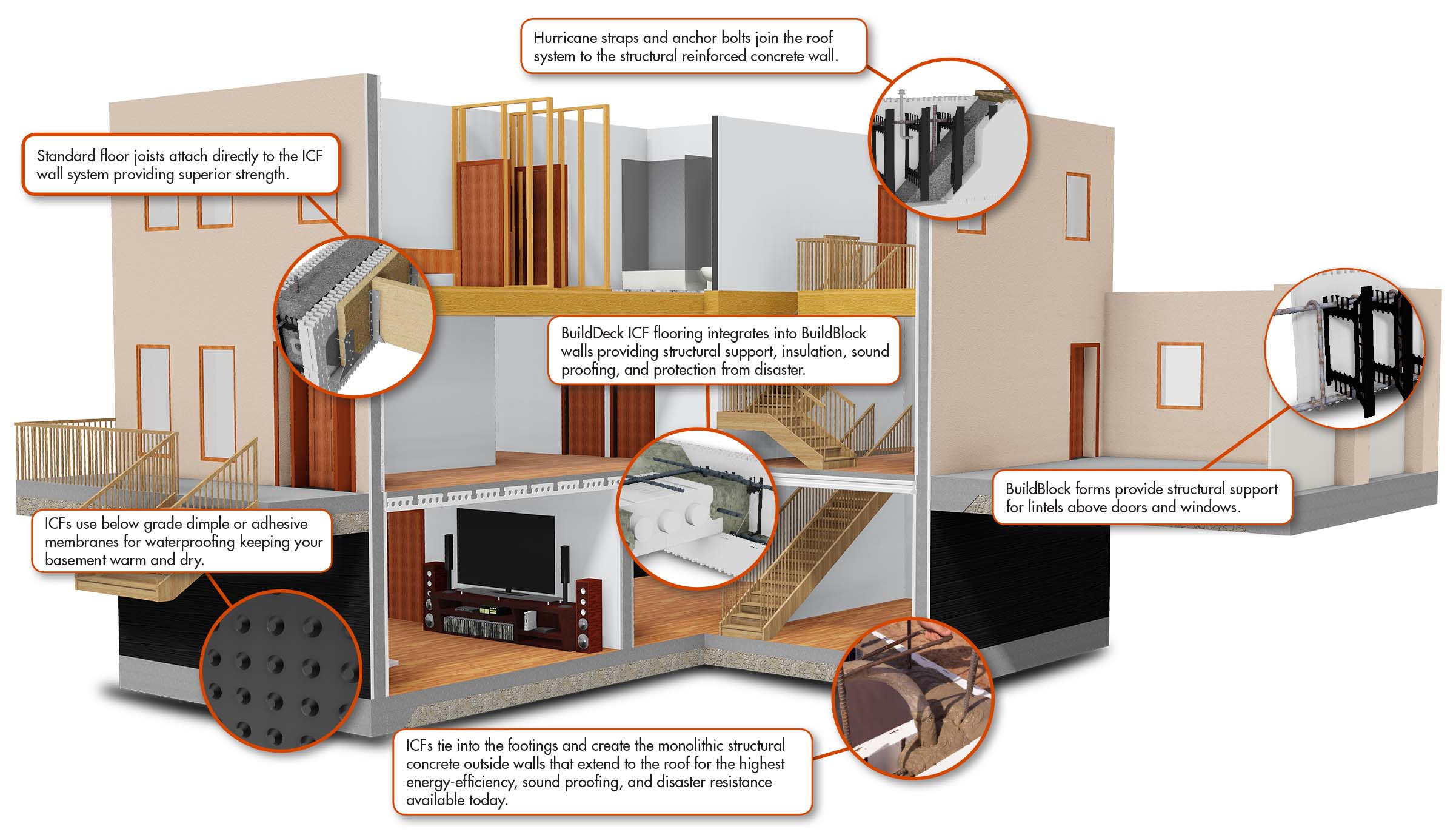
Credit: buildblock.com
Tools And Equipment Needed
Anchoring house exterior walls to concrete needs the right tools. Using proper equipment makes the job safer and easier. Prepare all tools before starting. This helps save time and avoid mistakes.
Drills And Bits
A power drill is essential to drill holes into concrete. Use a hammer drill for best results. Choose masonry drill bits that fit the anchor size. Sharp bits make clean holes and improve anchor grip.
Measuring Devices
Accurate measurements ensure walls are anchored correctly. Use a tape measure to check distances and depths. A level helps keep the wall straight and even. Mark drilling points clearly to avoid errors.
Safety Gear
Safety is important during drilling and anchoring. Wear safety goggles to protect your eyes from dust. Use gloves to guard your hands from rough surfaces. A dust mask prevents inhaling concrete dust. Proper gear prevents injuries and keeps you safe.
Maintenance And Inspection Tips
Proper maintenance and inspection keep house exterior wall anchors safe and strong. Small problems can become big issues if not caught early. Regular checks help find wear, rust, or loose anchors. This protects your home from damage and keeps walls firmly attached to the concrete foundation.
Follow these simple tips to maintain and inspect your wall anchors. They are easy to do and help ensure long-lasting support for your house exterior walls.
Regular Anchor Checks
Look at all anchors at least twice a year. Check for cracks, shifting, or looseness in the bolts or plates. Use a flashlight to see hard spots clearly. Tighten any loose parts with a wrench. Mark weak areas for follow-up repairs.
Addressing Corrosion
Rust weakens metal anchors and causes failure. Remove rust using a wire brush or sandpaper. Apply a rust-resistant primer and paint to protect metal surfaces. Replace any anchors that show deep corrosion. Keep the area dry to slow future rust build-up.
Reinforcement Upgrades
Older anchors may need stronger support over time. Add extra anchors if walls feel unstable or cracks appear. Use modern materials designed for durability and strength. Consult a professional for complex upgrades. This improves safety and extends wall lifespan.
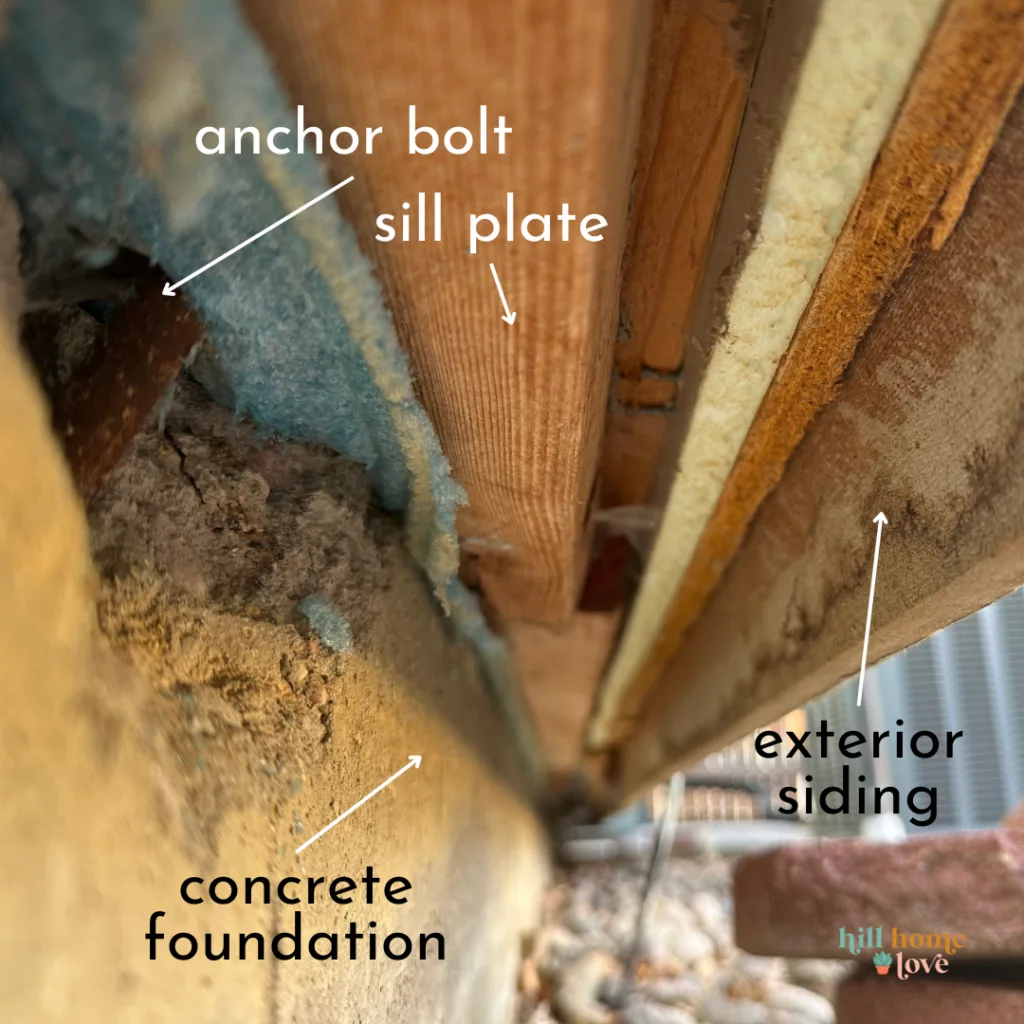
Credit: www.hillhomelove.com
Frequently Asked Questions
What Materials Are Needed To Anchor Exterior Walls To Concrete?
You need anchor bolts, washers, nuts, a drill with a masonry bit, a hammer, and a level. These tools ensure a secure and stable wall attachment to the concrete foundation.
How Do You Position Anchor Bolts For Wall Anchoring?
Anchor bolts should be placed evenly along the bottom plate of the wall. Maintain a spacing of 4 to 6 feet for proper stability and load distribution.
Can I Anchor Walls Without Professional Help?
Yes, with basic tools and knowledge, you can anchor walls yourself. Follow safety guidelines and manufacturer instructions carefully to ensure a secure installation.
What Is The Best Anchor Type For Concrete Walls?
Wedge anchors or sleeve anchors work best for concrete. They provide strong holding power and resist pull-out forces, ensuring wall stability.
Conclusion
Anchoring house exterior walls to concrete keeps your home safe and strong. It stops walls from shifting or falling during bad weather. Use the right tools and materials for the best results. Follow steps carefully to secure walls firmly to the foundation.
This process helps protect your investment and ensures long-lasting stability. Regular checks can spot any problems early. Stay safe by taking time and working slowly. Simple steps make a big difference in home safety and durability.