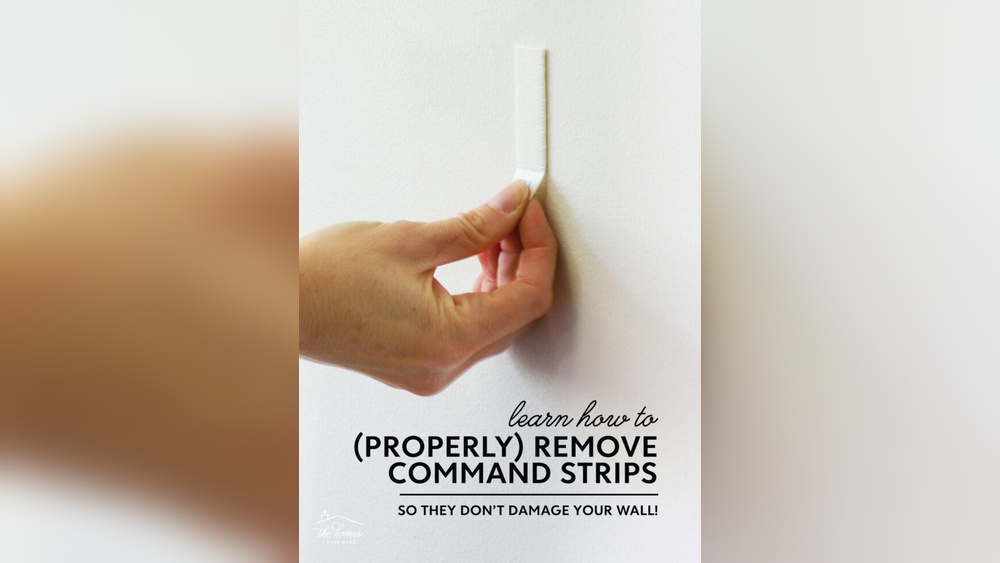
Are you tired of struggling to remove Command hooks from your walls without leaving those annoying sticky tabs behind? You’re not alone.
Those little tabs can be stubborn, and pulling them wrong might even damage your paint or wallpaper. But what if you could get your Command hooks off cleanly and easily every time? You’ll discover simple, effective tricks that make removing Command hooks a breeze—no tabs stuck, no wall damage.
Keep reading, and say goodbye to the frustration of sticky residue for good.
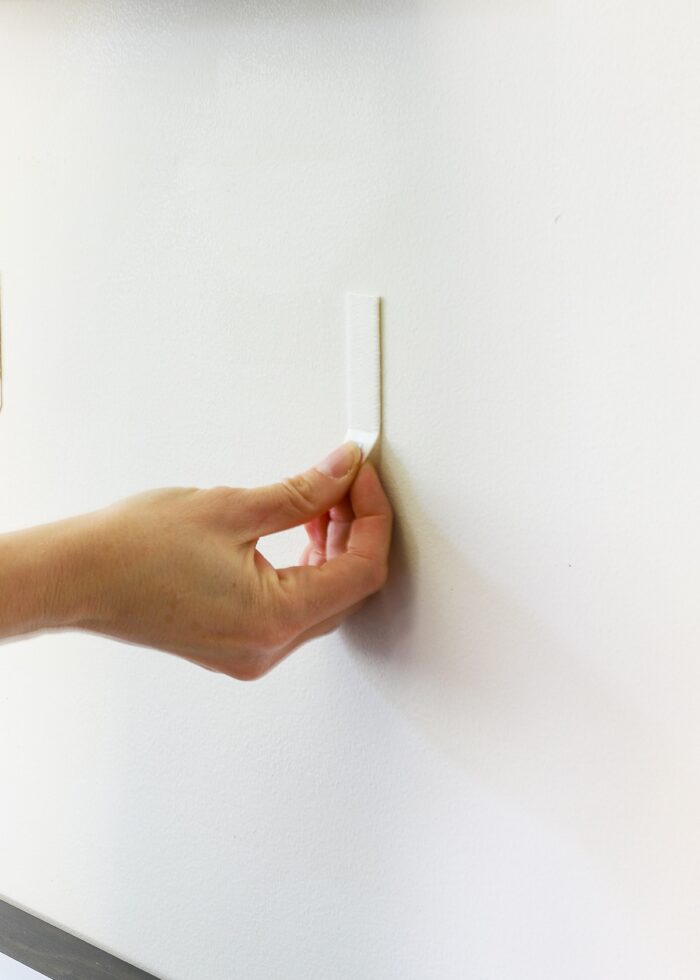
Credit: thehomesihavemade.com
Choosing The Right Command Hooks
Choosing the right command hooks is key to keeping your walls damage-free. Hooks come in many types and sizes. Picking the correct one helps hold your items safely. It also makes removal easier without marks or holes.
Understanding the different options lets you select hooks for your needs. Consider the weight you want to hang and the surface type. This will help avoid falls or wall damage. Let’s explore the main factors to choose the best command hooks.
Types Of Command Hooks
Command hooks come in various designs. Some have a simple curved hook for keys or hats. Others have multiple hooks for coats or kitchen tools. There are also decorative hooks that blend with your room style.
Hooks with adhesive strips hold strongly on walls. Some have removable strips for easy removal. You can find waterproof hooks for bathrooms or kitchens. Each type serves a different purpose. Pick one that fits your space and items.
Weight Limits And Sizes
Each hook has a weight limit. Small hooks hold light items like keys or small bags. Medium hooks can hold heavier coats or bags. Large hooks support bulky items like backpacks or tools.
Check the package for the weight limit. Do not exceed it. Using the right size hook stops items from falling. It also protects your wall from damage.
Surface Compatibility
Hooks stick best on smooth, clean surfaces. Painted walls, tiles, or glass usually work well. Avoid rough or textured surfaces like brick or wallpaper. These surfaces prevent hooks from sticking properly.
Clean the surface before applying the hook. Use rubbing alcohol to remove dirt and grease. This helps the adhesive grip better. Proper surface preparation ensures easy removal without damage.
Preparing The Wall Surface
Getting command hooks off the wall without damage starts with proper surface preparation. Clean and dry walls help hooks stick better and come off easier. Dirt, dust, and moisture make hooks less effective. Taking time to prep the wall saves effort later.
Start by removing any loose particles. Then, make sure the wall is dry. These small steps protect your paint and wall finish. A clean surface is key to a smooth hook removal.
Cleaning Techniques
Use a soft cloth or sponge with mild soap and water. Gently wipe the wall to remove dirt and grease. Avoid harsh scrubbing that can damage the paint. Let the wall air dry completely before attaching hooks.
For tougher stains, use a gentle cleaner suitable for your wall type. Test the cleaner on a small spot first. This prevents unexpected damage. Clean surfaces make hooks stick evenly and reduce peeling risk.
Avoiding Moisture And Dust
Keep the wall dry after cleaning. Moisture weakens the adhesive on command hooks. Wait at least 30 minutes for the wall to dry fully. Dust can gather quickly on a damp wall, so check the surface again before use.
Use a dry cloth to remove any dust before applying hooks. Clean, dry walls help hooks stay secure. This step reduces the chance of paint tearing during hook removal.
Applying Command Hooks Without Tabs
Applying Command Hooks without tabs can be a simple task. It allows you to hang items without damaging your walls. This method works well when you do not have the original tabs or want a cleaner look. You only need the hooks and a few basic steps to follow.
Understanding the best way to apply these hooks helps ensure they stick properly. Good adhesion is key to holding weight without falling. Use proper methods to avoid common mistakes and keep your walls safe.
Alternative Adhesion Methods
You can use double-sided tape as a substitute for tabs. Choose a strong tape made for wall use. Another option is using small pieces of poster putty. These options provide extra grip but may not hold heavy items.
Cleaning the wall surface is important before applying any adhesive. Use rubbing alcohol on a soft cloth to remove dirt and oils. Avoid using water or household cleaners as they can leave residue. Let the surface dry completely before sticking the hook.
Step-by-step Application
Start by selecting the spot where you want the hook. Clean the area well and let it dry. Peel off the backing from your chosen adhesive carefully. Press the adhesive firmly on the back of the hook. Hold it tight for about 30 seconds to secure.
Next, press the hook against the wall for 30 seconds. Apply even pressure to avoid air bubbles. Wait at least one hour before hanging anything. This waiting time helps the adhesive bond strongly with the wall.

Credit: www.reddit.com
Removing Command Hooks Without Tabs
Removing Command hooks without tabs can be tricky. These hooks stick well to walls, so pulling them off might damage paint or leave marks. Handling them carefully keeps your walls clean and smooth. Here are some tips to remove Command hooks safely without using the tabs.
Safe Removal Techniques
Start by gently pulling the hook away from the wall. Avoid yanking it hard. Use slow, steady pressure to loosen the adhesive. If the hook feels stuck, try sliding it up or down slightly. This can help break the seal without damage. Always hold the base of the hook firmly to prevent it from snapping.
Using Heat And Other Tools
Heat softens the adhesive, making removal easier. Use a hairdryer on low heat and direct it at the hook. Warm the area for about 30 seconds. Test by gently pulling the hook again. Use dental floss or fishing line behind the hook. Move it back and forth to cut through the sticky layer. Avoid sharp tools that can scratch your wall. Patience and gentle moves protect your paint and surface.
Preventing Wall Damage
Removing Command hooks without damaging the wall can be tricky. Careful steps help keep your paint and wall surface safe. Small mistakes cause paint peeling or marks. Following the right process protects your wall and keeps it clean.
Avoiding Paint Peeling
Start by warming the Command strip with a hairdryer. Heat softens the adhesive, making removal easier. Pull the tab slowly and straight down, not out. This reduces the chance of paint coming off. Avoid pulling the strip sideways or too fast. Take your time for a clean removal.
Repair Tips For Minor Marks
Light marks can be fixed with simple tools. Use a damp cloth to gently clean dirt or residue. For small paint chips, apply a matching touch-up paint. Use a fine brush for careful application. Sand lightly if the wall feels rough. These steps help restore your wall’s look quickly.
Creative Uses For Command Hooks
Command hooks are simple tools with many creative uses around the home. They stick to walls without damaging paint or leaving marks. This makes them perfect for decorating and organizing. You can use them in many clever ways to save space and keep things neat.
Decorating Ideas
Use command hooks to hang lightweight picture frames. Create a gallery wall without nails or holes. Hang string lights to add soft lighting to any room. Use hooks to display wreaths or seasonal decorations easily. Hang small planters on walls to bring greenery inside. You can also hang fabric or tapestries to change a room’s look fast.
Organizing Spaces
Command hooks help organize kitchens by holding utensils or mugs. Use them in bathrooms to hang towels or bathrobes. Keep cables and cords neat by securing them with hooks. Hang keys or small bags near the door for easy access. Organize office supplies by hanging scissors or headphones. Hooks make small spaces tidy without clutter.

Credit: www.youtube.com
Frequently Asked Questions
What Are Command Hooks Without Tabs?
Command Hooks without tabs are adhesive hooks designed to hang items without visible tabs. They provide a clean look and avoid damage to walls. These hooks use strong adhesive strips for secure mounting and easy removal, making them ideal for renters and temporary setups.
How Do I Remove Command Hooks Without Wall Damage?
To remove Command Hooks without damage, pull the adhesive strip slowly downwards, parallel to the wall. Avoid pulling outward or at an angle. This method releases the adhesive gently, preventing paint or drywall damage and leaving the surface clean and intact.
Can Command Hooks Hold Heavy Items Without Tabs?
Yes, Command Hooks without tabs can hold moderately heavy items, depending on the hook size and weight rating. Always check the packaging for weight limits and ensure the wall surface is clean and dry before application for maximum strength.
Are Command Hooks Reusable After Removal?
Command Hooks without tabs are not reusable once removed, as the adhesive strip loses its stickiness. For reuse, replace the adhesive strip with a new one designed for Command Hooks to maintain holding power and wall safety.
Conclusion
Removing Command hooks without damage is simple with the right steps. Gently pull the tab straight down to avoid wall marks. Take your time and do not rush the process. Use heat from a hairdryer if the adhesive feels stuck.
Clean the area afterward to keep your wall smooth and neat. This method saves your paint and keeps walls looking good. Try it carefully, and your walls will stay intact and clean. Easy, safe, and effective—just the way it should be.