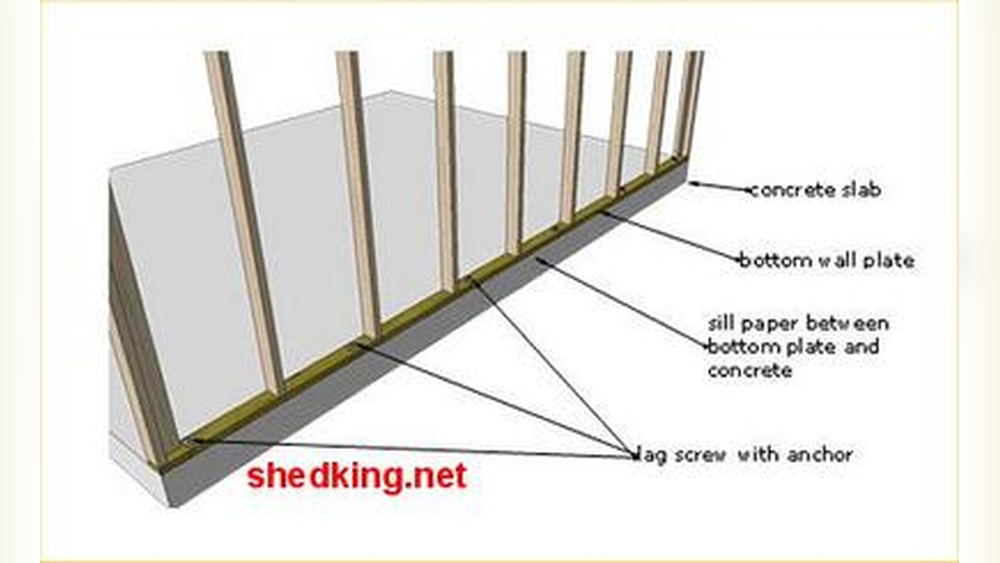
Are you ready to build a sturdy wooden wall but unsure how to secure it firmly to your concrete floor or foundation? Anchoring a wooden wall on concrete might seem tricky, but with the right steps, you can do it yourself without hassle.
In this guide, you’ll discover simple, clear instructions that will help you create a strong, lasting connection between wood and concrete. Keep reading to learn the best tools and techniques that will make your project safe and solid from start to finish.

Credit: www.youtube.com
Tools And Materials Needed
Anchoring a wooden wall on concrete requires the right tools and materials. Using proper equipment ensures a secure and lasting bond. This section lists what you need to complete the task safely and effectively.
Essential Tools
- Hammer drill – for drilling into concrete
- Masonry drill bits – to match anchor size
- Hammer – to drive anchors into place
- Level – to keep the wall straight
- Measuring tape – for accurate spacing
- Screwdriver or drill driver – to fasten screws
- Chalk line – to mark drilling spots
- Safety goggles and gloves – for protection
Recommended Materials
- Concrete anchors or wedge anchors – strong and reliable
- Wood screws or lag bolts – to attach wood to anchors
- Pressure-treated lumber – resists rot and insects
- Construction adhesive – adds extra hold
- Sealant – protects wood from moisture
Preparing The Concrete Surface
Preparing the concrete surface is a key step before anchoring a wooden wall. It ensures a strong and lasting bond. Skipping this step can cause weak attachment and future problems.
Start with a clean and solid base. Clear dirt, dust, and loose materials. Check the surface for any damage that can affect the anchor’s hold. These simple actions help create a safe and stable foundation for your wooden wall.
Cleaning The Area
Remove all dirt, dust, and debris from the concrete surface. Use a broom or brush to sweep the area thoroughly. For stubborn dirt, scrub with a stiff brush and mild detergent. Rinse the surface with water and let it dry completely.
Cleaning helps the anchor stick better to the concrete. A clean surface prevents slipping and weak spots. Take your time to ensure every part is free of loose particles.
Checking For Damage
Look closely at the concrete for cracks, chips, or holes. Small cracks can grow bigger and weaken the wall’s support. Use a hammer to tap the surface; a hollow sound may mean damage inside.
Fix any damage before anchoring. Fill cracks with concrete patch or epoxy. Allow repairs to dry fully. A strong concrete surface supports the wooden wall safely and securely.
Marking Anchor Points
Marking anchor points is a crucial step when anchoring a wooden wall on concrete. Accurate marking ensures the wall is stable and secure. It prevents mistakes that could weaken the structure or cause delays.
Start by planning where each anchor will go. This helps distribute weight evenly and supports the wall properly. Careful marking also makes drilling easier and more precise.
Measuring And Layout
Measure the length of the wooden wall carefully. Use a tape measure to find equal intervals for anchor points. Space anchors about 16 to 24 inches apart. This spacing provides good support without too many holes.
Mark the spots lightly with a pencil on the wood first. Double-check measurements before moving to the concrete. Use a level to keep marks straight and aligned. Straight lines help avoid uneven walls or stress points.
Marking Drill Spots
Transfer the pencil marks from the wood to the concrete surface. Use a piece of chalk or a marker that shows on concrete well. Position the wood frame against the concrete to match anchor marks.
Mark the exact drill points through the wood holes onto the concrete. Use a sharp tool or nail to create small indentations. These guide the drill bit and stop it from slipping. Clear, precise spots make drilling faster and safer.
Drilling Into Concrete
Drilling into concrete is a key step when anchoring a wooden wall. It creates strong holes for anchors to hold the wood firmly. Concrete is tough, so careful drilling is important. Using the right tools and techniques makes the job easier and safer. This section explains how to drill into concrete properly.
Choosing The Right Drill Bit
Select a drill bit made for concrete. Masonry bits have a carbide tip that cuts through hard surfaces. Choose the right size to match your anchor bolts. A bit too small or large can cause weak holes. Check the drill bit condition before starting. A dull bit will slow the work and damage the concrete.
Drilling Techniques
Mark the drilling spot clearly on the concrete. Use a hammer drill for better power and efficiency. Start drilling at low speed to control the bit. Apply steady pressure without forcing the drill. Let the tool do the work. Pull the bit out occasionally to clear dust from the hole. This helps the anchor fit tightly and hold well.
Installing Anchors
Installing anchors is a key step to secure a wooden wall on concrete. Anchors hold the wood firmly in place. Choosing the right type and setting them correctly ensures strong support. This section explains the types of anchors and how to set them properly.
Types Of Anchors
Concrete anchors come in several types. Expansion anchors fit tightly inside drilled holes. Sleeve anchors expand when tightened. Wedge anchors offer strong holding power for heavy loads. Tapcon screws are easy to install and work well for lighter walls. Choose the anchor type based on wall weight and wood size.
Setting The Anchors
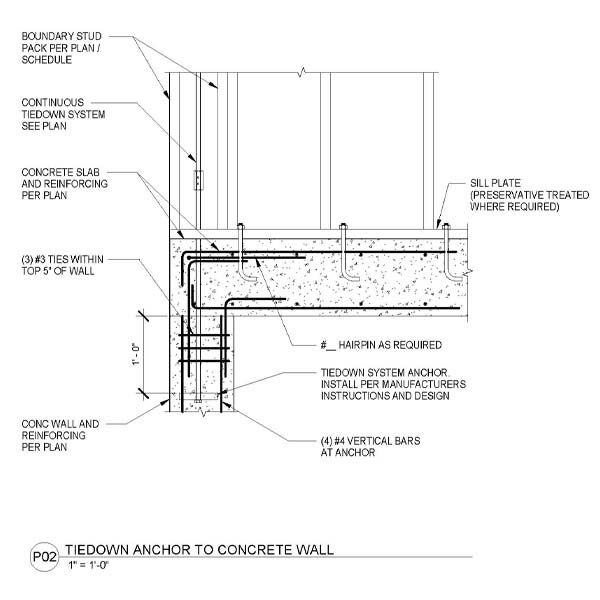
First, mark the spots on concrete where anchors will go. Use a hammer drill with a masonry bit to drill holes. Hole depth must match anchor length exactly. Clean out dust from holes using a brush or air blower. Insert anchors fully into holes. Tighten bolts or screws to secure anchors. Avoid over-tightening, which can damage concrete or anchors. Check the anchors hold firm before attaching the wooden wall.

Credit: www.midwestpermacolumn.com
Securing The Wooden Wall
Securing a wooden wall to concrete is a key step for strong support. It keeps the wall steady and safe. Proper anchoring helps the structure last long without shifting or damage. Follow clear steps to attach the wood frame firmly to the concrete surface.
Aligning The Wood Frame
Start by placing the wood frame on the concrete floor or wall. Check the frame for level and straightness using a spirit level. Adjust the position until the frame sits perfectly flat and aligned. Mark the spots on concrete where you will drill holes for anchors. Accurate alignment prevents gaps and uneven surfaces.
Fastening Methods
Use concrete anchors or wedge anchors for strong fastening. Drill holes in concrete at marked points using a hammer drill. Insert anchors into the holes securely. Then, use screws or bolts to fasten the wood frame to these anchors. Tighten the fasteners firmly, but do not over-tighten and damage the wood. This method ensures the wooden wall holds steady against pressure and weight.
Finishing Touches
Finishing touches are important for a strong wooden wall anchored on concrete. These final steps protect your work and keep it safe. Small details make a big difference in the wall’s durability and appearance.
Sealing Gaps
Seal all gaps between the wood and concrete. Use a good quality exterior caulk or sealant. This prevents water and air from entering. Moisture can cause wood to rot or warp over time. Sealant also keeps insects out. Apply the sealant evenly and smooth it with a putty knife. Let it dry completely before proceeding.
Safety Checks
Check all anchors and screws to ensure they are tight. Loose fasteners can weaken the wall’s hold. Inspect the wall for any sharp edges or splinters. Sand rough spots to avoid injuries. Make sure the wall stands firm and does not wobble. Confirm the area around the wall is clean and free of debris. Safety checks protect you and extend the life of your wall.
Credit: www.woodworks.org
Frequently Asked Questions
What Materials Are Needed To Anchor Wood On Concrete?
You need concrete anchors, drill, hammer, screws, a wooden wall frame, and a level. Proper tools ensure strong attachment and safety.
How Do You Drill Into Concrete For Anchoring?
Use a hammer drill with a masonry bit. Drill holes slightly smaller than anchor diameter for a tight fit.
What Type Of Anchors Works Best For Wooden Walls?
Sleeve anchors or wedge anchors work well. They provide strong holding power and resist wall movement over time.
Can I Anchor Wood Without Drilling Holes?
No, drilling is essential for secure anchoring. Surface fasteners alone won’t hold heavy wooden walls on concrete firmly.
Conclusion
Anchoring a wooden wall on concrete is simple with the right steps. Use proper tools and anchors for a strong hold. Measure carefully and mark spots before drilling. Tighten anchors securely to avoid movement. This method keeps your wall safe and stable.
A solid wall lasts longer and looks better. Follow these tips to finish your project well. You can trust this approach for reliable results every time. Keep your workspace clean and work slowly for best results.