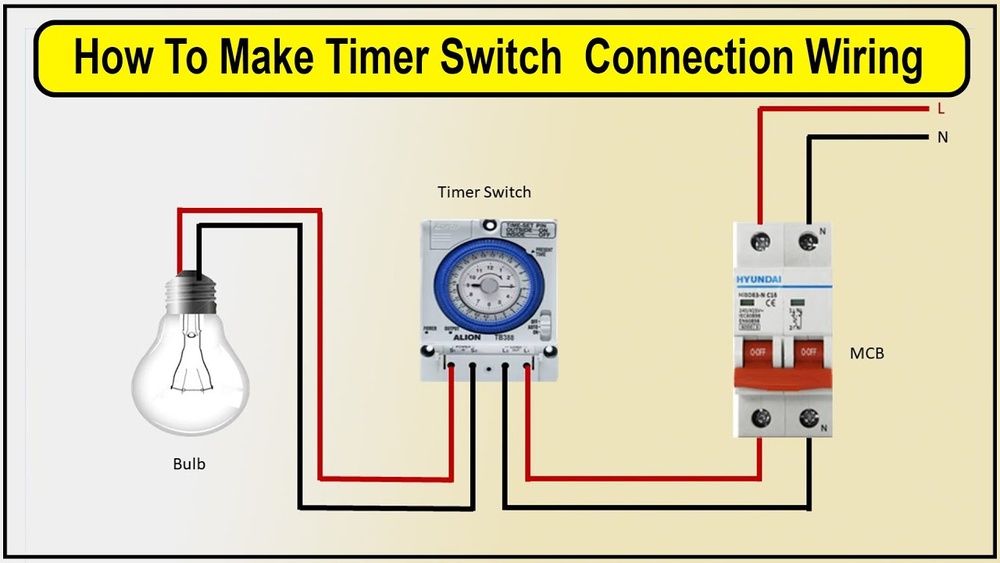
Have you ever needed to turn off the power to a light switch but had no idea which breaker controls it? Finding the right breaker can feel like searching for a needle in a haystack.
But what if you could quickly and safely identify the correct breaker without guesswork or frustration? You’ll discover simple, step-by-step methods to locate the breaker for your light switch. By the time you finish reading, you’ll have the confidence to handle this task like a pro—saving time, avoiding accidents, and keeping your home safe.
Let’s get started!
Tools Needed
Finding the right breaker for a light switch requires a few important tools. These tools help you work safely and find the breaker quickly. Preparing your tools before starting saves time and avoids mistakes. Below are the main tools needed for this task.
Basic Electrical Tools
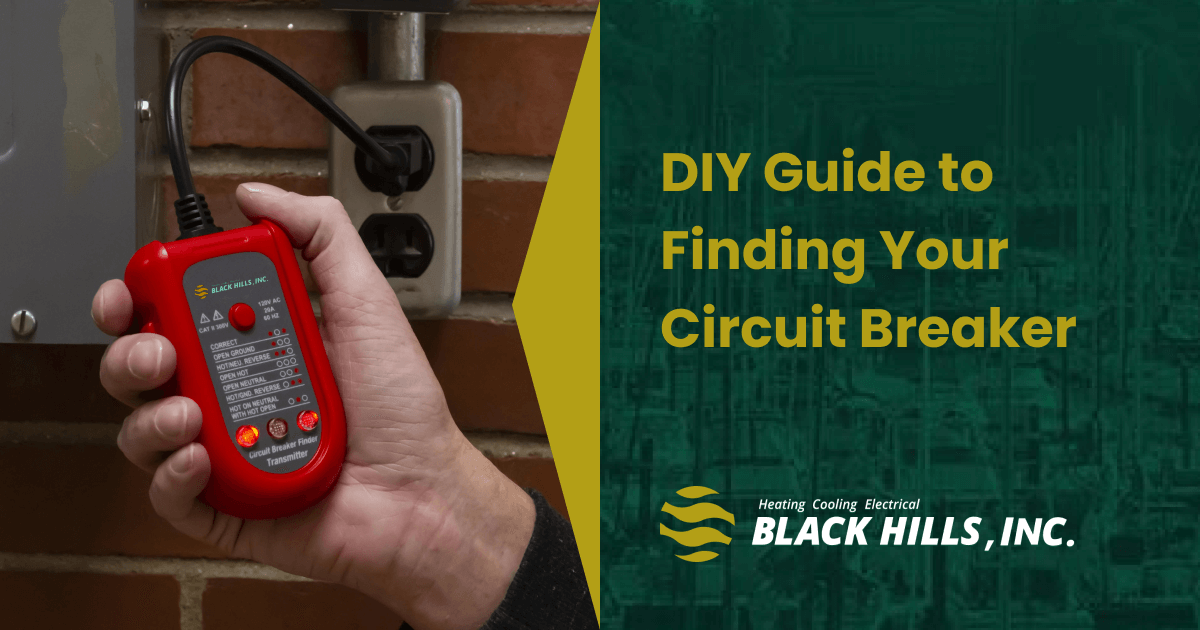
A voltage tester is essential to check if wires carry current. A screwdriver set helps remove switch covers and panels. Wire strippers are useful for handling electrical wires safely. A flashlight can light up dark breaker boxes. A circuit breaker finder tool makes locating breakers faster and easier.
Safety Gear
Wear insulated gloves to protect against electric shocks. Safety glasses shield your eyes from sparks or debris. Non-slip shoes keep you steady while working. Avoid metal jewelry to prevent accidental contact with wires. Always use tools with insulated handles for extra safety.
Locate Your Electrical Panel
Locating your electrical panel is the first step to find the breaker for a light switch. The panel holds all the circuit breakers that control power in your home. Knowing its location helps you quickly turn off the right breaker. This is important for safety and repairs.
Common Panel Locations
Electrical panels usually sit in basements, garages, or utility rooms. Sometimes, they are near the front entrance or on an outside wall. Check areas like closets or hallways if you cannot find it easily. Panels are often metal boxes with a door and a handle.
Identifying The Main Breaker
The main breaker controls electricity for the whole house. It is often larger than other breakers and placed at the top or bottom of the panel. The main breaker usually has a higher number, like 100 or 200 amps. Knowing the main breaker helps you shut off all power during emergencies.
Turn Off Power Safely
Turning off power safely is the first step to work on any light switch. It protects you from electric shocks and accidents. Always take time to do this right. Safety is more important than speed. Follow clear steps to cut the power before touching wires or switches.
Shutting Down The Main Breaker
Locate your main electrical panel. It is usually in the basement or garage. Open the panel door carefully. Find the main breaker switch at the top or side. Flip the main breaker to the OFF position. This stops power to the entire house. Use this method if you cannot find the specific breaker for the light switch.
Using A Voltage Tester
After turning off the breaker, test the wires. A voltage tester checks if electricity is still flowing. Touch the tester probes to the wires of the light switch. If the tester does not light up or beep, the power is off. If it shows power, recheck the breaker or main switch. Never skip this step to ensure your safety.
Identify The Light Switch Circuit
Identifying the light switch circuit is the first step in finding the correct breaker. It helps you know which breaker controls the switch. This step is important for safety and efficiency.
You can identify the circuit by testing the switch or using special tools. Both methods are simple and do not require advanced skills.
Testing Switch Operation
Start by turning the light switch on and off. Watch if the light or device connected responds. If the light turns off, the switch is working.
Next, check your breaker panel. Look for any breaker that trips or changes when toggling the switch. This action shows the breaker linked to that switch.
Use a helper to flip the breaker off and on. See if the light goes off and on with the breaker. This confirms the right breaker for your light switch.
Using Circuit Tracers
Circuit tracers are tools that find the breaker connected to a switch. Plug the tracer into the light switch socket or connect it to the switch wires.
At the breaker panel, use the receiver to scan each breaker. The receiver beeps or lights up near the correct breaker.
Circuit tracers save time and reduce guesswork. They are especially helpful in large homes or unfamiliar breaker panels.
Match The Breaker To The Switch
Matching the breaker to the light switch is a key step in finding the right breaker. Each switch connects to a specific breaker in the electrical panel. Identifying the correct breaker helps avoid safety issues and power problems.
This process requires careful checking and some simple testing. Knowing how to read breaker labels and use the flip and test method makes the task easier and safer. Both methods help ensure you match the switch with the correct breaker.
Reading Breaker Labels
Breaker labels provide important information about each circuit. Most breaker panels have labels next to each switch. These labels often describe the room or device the breaker controls.
Look closely at the labels for clues about the light switch location. Sometimes the label will say “kitchen” or “living room.” Other times, it may list specific devices like “lights” or “outlets.”
If labels are missing or unclear, you may need to update them for future reference. Clear labels save time and prevent confusion.
Flip And Test Method
The flip and test method is a hands-on way to find the right breaker. Turn off one breaker at a time. After flipping a breaker, check if the light switch still works.
When the light switch stops working, you found the right breaker. Flip the breaker back on to restore power. Repeat this if you have more switches to check.
Always use caution while working inside the panel. Wear rubber-soled shoes and keep hands dry. This method is simple but requires safety awareness.

Credit: www.reddit.com
Tips For Troubleshooting
Finding the right breaker for a light switch can be tricky. Troubleshooting helps you avoid guesswork and ensures safety. Use clear steps to identify the correct breaker quickly. These tips can make the process easier and faster. Pay close attention and follow each step carefully.
When The Breaker Isn’t Labeled
Many breaker panels do not have clear labels. This makes finding the switch’s breaker harder. Start by turning off one breaker at a time. Have someone watch the light switch or the light itself. When the light goes off, you found the right breaker.
Write down the breaker number or label it for future use. This saves time next time you work on the switch. Avoid guessing or flipping multiple breakers at once. It can cause confusion and might affect other circuits.
Dealing With Multiple Switches
Some rooms have more than one light switch on the same wall. Each switch may control a different light or outlet. Test each switch while turning off breakers one by one. Use a small helper or a phone flashlight to check the lights.
Mark each breaker that turns off a switch. This helps keep track of which breaker controls what. If switches control multiple lights, note all affected lights. This way, you avoid turning off the wrong breaker later.
Safety Precautions
Safety is the first priority when finding a breaker for a light switch. Electricity can cause shocks, burns, or worse. Taking the right safety steps protects you and your home. Understanding risks and how to reduce them makes the task safer and easier.
Avoiding Electrical Hazards
Always turn off the main power before starting any work. Use a voltage tester to check that the circuit is dead. Wear rubber-soled shoes and avoid wet areas. Keep your hands dry to prevent shocks. Never touch wires with bare hands. Use insulated tools for extra protection. Work in a well-lit area to see clearly. Double-check all switches and breakers before handling wires.
When To Call A Professional
Call a licensed electrician if you feel unsure. Complex wiring requires expert knowledge and tools. Do not try to fix breakers that keep tripping. If your home has old or damaged wiring, get professional help. An expert can prevent fires and damage. When in doubt, hiring a pro is safer and smarter. It saves time and avoids costly mistakes.
Credit: www.blackhillsinc.com

Credit: www.youtube.com
Frequently Asked Questions
How Do I Identify The Correct Breaker For A Light Switch?
Locate your home’s electrical panel and look for labeled breakers. Match the label to the room or area where the light switch is located. If unlabeled, turn off breakers one by one to see which controls the light switch.
Can I Find The Breaker Without Tools Or Testers?
Yes, you can. Turn off each breaker individually and check if the light switch loses power. This manual method works but be cautious and ensure safety while handling the panel.
What Safety Precautions Are Needed When Finding A Breaker?
Always turn off the main power if unsure. Use insulated gloves and tools. Avoid touching bare wires. If uncomfortable, hire a licensed electrician to avoid electrical hazards.
Why Is The Breaker For My Light Switch Not Labeled?
Labels can fade, be incorrect, or missing due to previous work. Relabeling is helpful for future reference. Test breakers systematically to find the correct one and update the panel labels accordingly.
Conclusion
Finding the correct breaker for a light switch is simpler than it seems. Start by turning off the main power for safety. Use a tester to identify the live wires clearly. Match the breaker’s amperage with your switch’s requirements. Always check the breaker panel labels for guidance.
Taking these steps helps prevent electrical problems. Stay safe and confident while working with your home’s wiring. Simple actions can keep your electrical system working well.