Are you hanging shelves, pictures, or heavy mirrors and wondering if your wall can handle the weight? Knowing exactly how much weight your wall can support before you need a wall anchor can save you from accidents and damage.
You don’t want your favorite decor crashing down or your walls getting ruined. You’ll discover the simple way to decide when a wall anchor is a must-have. Keep reading to protect your walls and keep your home looking great.
Credit: www.naturalhandyman.com
Wall Anchors And Weight Limits
Wall anchors play a key role in holding items safely on walls. Knowing their weight limits helps prevent damage. Using the right anchor stops items from falling and keeps walls strong.
Each type of wall anchor supports different weights. Choosing the right one depends on the item’s weight and the wall material. This guide explains common types and their weight capacities.
Types Of Wall Anchors
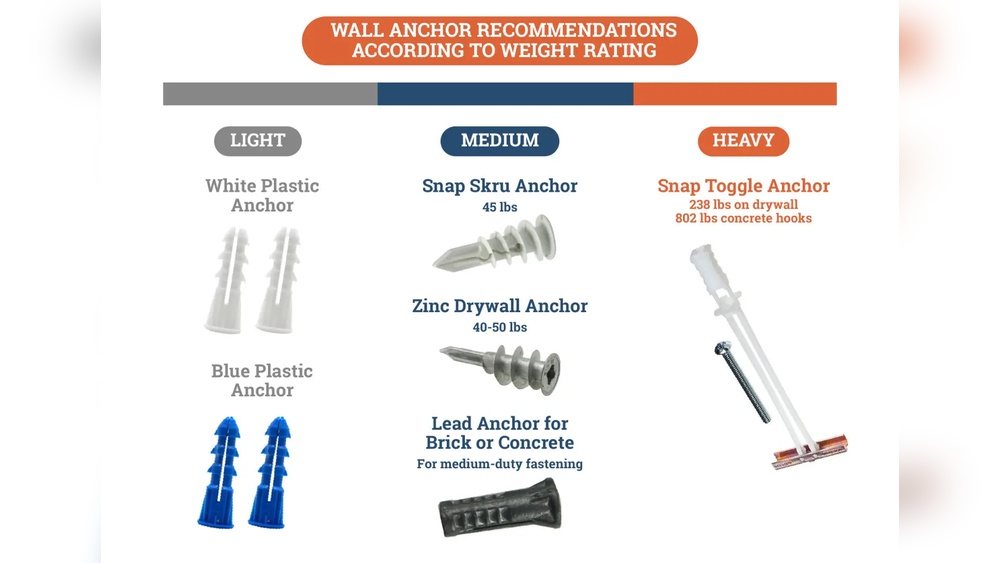
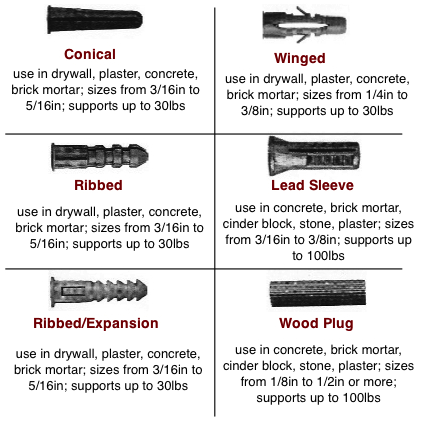
Plastic expansion anchors are common for light loads. They work well in drywall for small pictures or shelves. Metal anchors offer better strength for medium weights. These include toggle bolts and molly bolts. Heavy-duty anchors, like sleeve anchors, suit masonry or concrete walls. They hold heavier items like large mirrors or cabinets.
Weight Capacity By Anchor Type
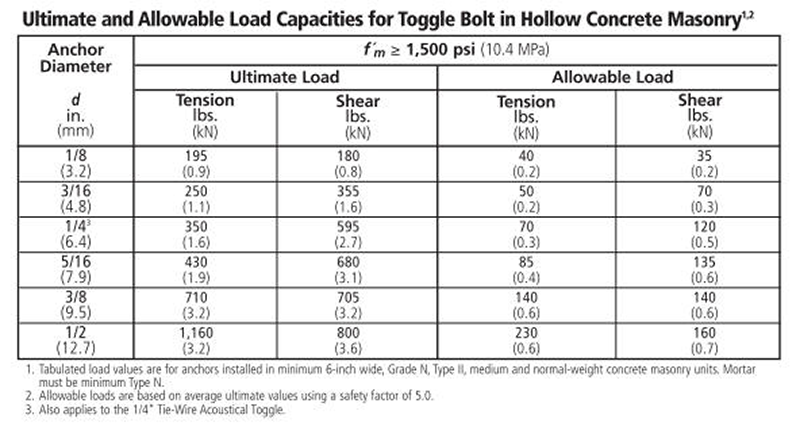
Plastic anchors usually hold up to 10-25 pounds. Metal anchors support between 25 and 50 pounds, depending on size. Heavy-duty anchors can hold 75 pounds or more. Always check package instructions for exact weight limits. Remember, the wall type affects the anchor’s strength too.
Credit: www.do-it-yourself-help.com
Material Matters
Choosing the right wall anchor depends on the wall material. Different materials hold different weights. Knowing these limits helps avoid damage and keeps items secure.
Drywall Weight Limits
Drywall is common but weak. It usually holds light items only. A small picture frame can hang without anchors. Heavy items need support. Without anchors, drywall can crack or fall.
Studs And Their Strength
Studs are wood or metal frames behind drywall. They hold much more weight than drywall alone. Nails or screws in studs can support heavy shelves or TVs. Find studs to hang heavy things safely.
Brick And Concrete Walls
Brick and concrete are strong but hard. They hold heavy items well with the right anchors. Use special anchors made for masonry. These walls need drilling tools and proper hardware. They are best for heavy shelves or large mirrors.
When To Use Wall Anchors
Knowing when to use wall anchors helps keep your items secure. Wall anchors provide extra support for heavy or awkward objects. They prevent damage to walls and stop items from falling. Understanding the right time to add anchors saves time and effort.
Signs You Need Extra Support
Notice cracks or holes growing around screws. Screws that spin or feel loose in the wall need help. Heavy items pull on screws, causing walls to weaken. Walls made of drywall or plaster often require anchors. When a screw can’t hold the weight alone, use an anchor.
Common Household Applications
Wall anchors secure shelves holding books or decor. They keep mirrors and picture frames from falling. Mounted TVs and curtain rods rely on anchors for safety. Anchors work well for hanging cabinets or heavy hooks. Use them for anything too heavy for just a screw.
Choosing The Right Anchor
Choosing the right wall anchor is important for safety and strength. The weight of the item decides what type of anchor to use. Using the wrong anchor can cause damage or accidents. This guide helps you pick anchors that hold your items securely.
Anchor Sizes And Weight Ratings
Anchors come in many sizes. Each size fits different wall types and weights. Small anchors hold light items like picture frames. Larger anchors support heavy shelves or cabinets. Check the weight rating on the anchor package. It tells how much weight the anchor can hold safely. Always choose an anchor with a higher weight rating than your item.
Installation Tips For Maximum Hold
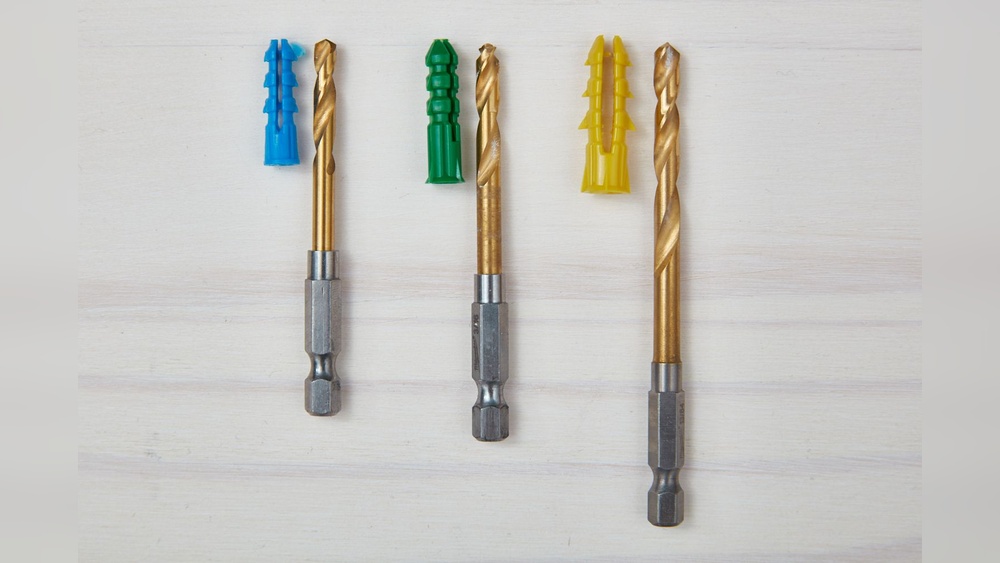
Drill the correct hole size for your anchor. Too big or small holes reduce hold strength. Push the anchor fully into the wall. Use a screwdriver to tighten screws, but avoid over-tightening. Over-tightening can break the anchor or wall. For drywall, choose anchors made for that material. Follow the instructions carefully to ensure strong support.
Safety Tips For Heavy Loads
Handling heavy loads on walls requires care and the right tools. Safety is the top priority. Using wall anchors properly helps prevent accidents and damage. Here are some safety tips to keep your walls strong and secure.
Avoiding Wall Damage
Heavy items can easily damage walls without proper support. Use the correct type of wall anchor for the weight. Choose anchors that match your wall material, like drywall or brick. Avoid overloading anchors beyond their weight limit. Spread the weight across multiple anchors if needed. This reduces stress on one spot and keeps the wall safe.
Regular Inspection And Maintenance
Check wall anchors regularly for signs of wear or loosening. Tighten screws and replace damaged anchors promptly. Look for cracks or holes around the anchor points. Early detection stops small issues from becoming big problems. Regular upkeep ensures your heavy loads stay safe over time.

Credit: www.angi.com
Frequently Asked Questions
How Much Weight Requires A Wall Anchor?
Wall anchors are typically needed for loads over 20 pounds. Lighter items can often hang safely on standard nails or screws. Heavier objects risk pulling out drywall without anchors, causing damage and safety hazards.
What Types Of Wall Anchors Hold The Most Weight?
Toggle bolts and molly bolts hold the most weight, supporting up to 50 pounds or more. Plastic expansion anchors are suitable for lighter loads, usually under 20 pounds. Choosing the right anchor depends on your wall type and item weight.
Can I Hang Heavy Items Without A Wall Anchor?
Hanging heavy items without anchors risks wall damage and falling objects. Use studs or proper anchors to secure items over 20 pounds. Locate studs with a stud finder and screw directly into them for maximum support.
How Do I Know If My Wall Needs Anchors?
If your item weighs more than 20 pounds or drywall alone can’t support it, use anchors. Signs include nails loosening or walls cracking. Always consider item weight and wall material before hanging.
Conclusion
Knowing the weight before using a wall anchor keeps your items safe. Wall anchors hold heavy objects that regular nails cannot support. Always check the weight of your item first. Choose the right anchor for the job. This prevents damage to your walls and stops accidents.
Small items may not need anchors at all. Bigger, heavier objects always do. Use anchors to keep your home secure and organized. A simple step with big benefits. Easy and smart.