Have you ever tried hanging a heavy picture or shelf, only to have your screws pull out of the wall? If so, you know how frustrating it can be.
That’s where plastic wall anchors come in. They might seem simple, but these little tools play a big role in keeping things secure on your walls. Understanding how plastic wall anchors work can save you time, money, and the hassle of repairs.
Stick with me, and you’ll learn exactly why these anchors are a must-have for your next DIY project—and how to use them like a pro.
Types Of Plastic Wall Anchors
Plastic wall anchors come in different types. Each type fits a specific purpose. Choosing the right anchor makes your project stronger and safer. Here are the main types of plastic wall anchors used for various wall materials and weights.
Expansion Anchors
Expansion anchors are the most common type. They work by expanding inside the wall hole. When you tighten the screw, the anchor spreads out. This action grips the wall tightly. They work well in drywall and plaster. Easy to install and reliable for light to medium loads.
Self-drilling Anchors
Self-drilling anchors have a sharp tip. They cut into drywall without needing a drill. This feature saves time and effort. Simply screw them into the wall by hand. Once in place, they hold screws firmly. Best for quick fixes and light loads.
Toggle Anchors
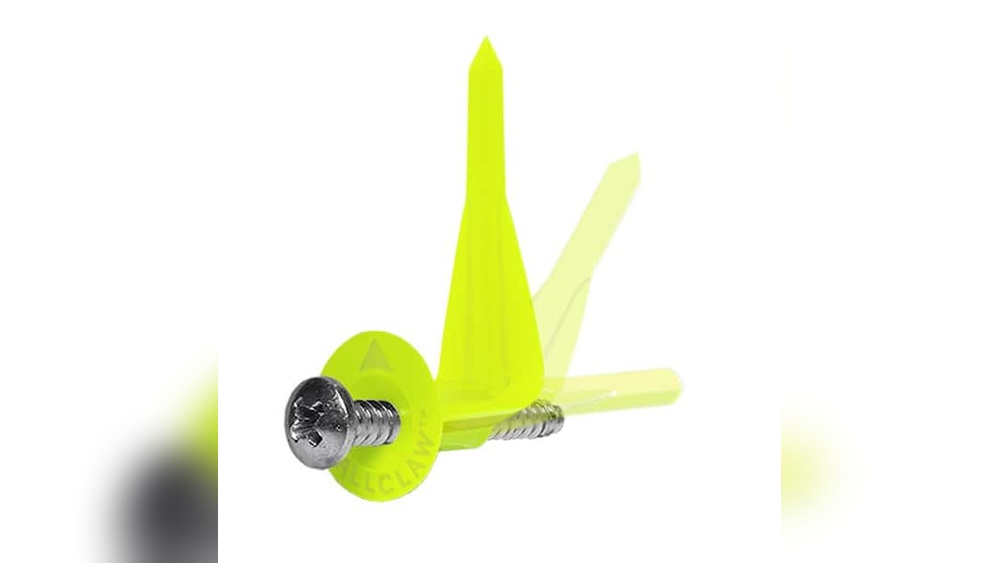
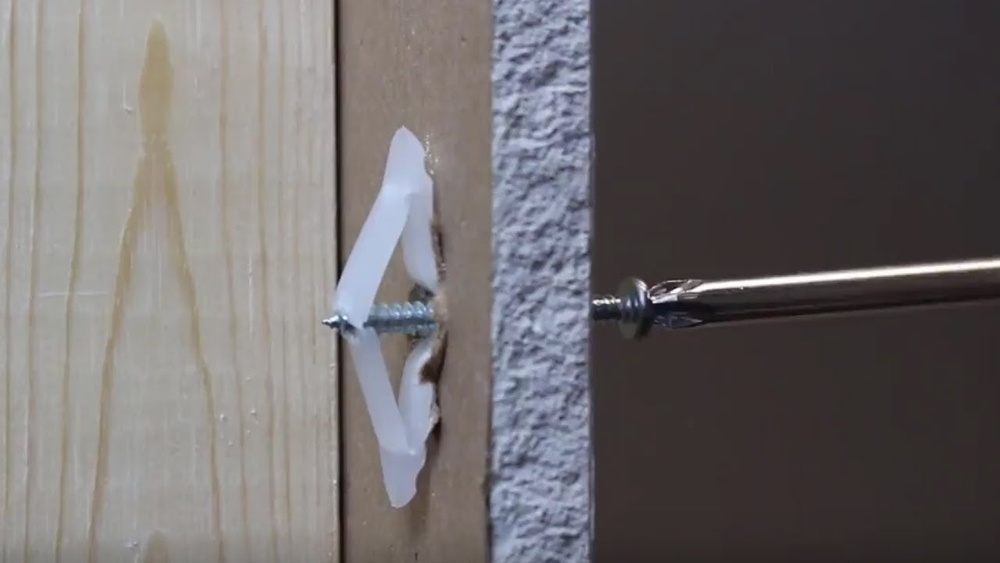
Toggle anchors have wings that open inside the wall. They spread the load over a large area. Great for heavy items on hollow walls. You push the anchor through a drilled hole. The wings then flip open behind the wall. This creates a strong hold against the surface.

Credit: www.picturehangsolutions.com
Materials And Design
Plastic wall anchors rely on smart materials and design to hold objects securely. The choice of plastic affects strength and flexibility. The shape and structure help the anchor grip inside the wall tightly. Both factors work together for strong support.
Common Plastics Used
Most wall anchors use nylon or polyethylene plastic. Nylon is strong and resists wear and tear. It does not break easily under pressure. Polyethylene is flexible and can expand well inside the wall. These plastics handle moisture and temperature changes. This keeps the anchor safe from damage over time.
Anchor Shape And Structure
Anchors come in different shapes to fit various wall types. Many have ribbed or flared sides. These help the anchor grip the drywall or masonry firmly. Some designs include expanding sections that open when a screw is inserted. This locks the anchor in place. The hollow center allows the screw to tighten without cracking the wall.
Installation Process
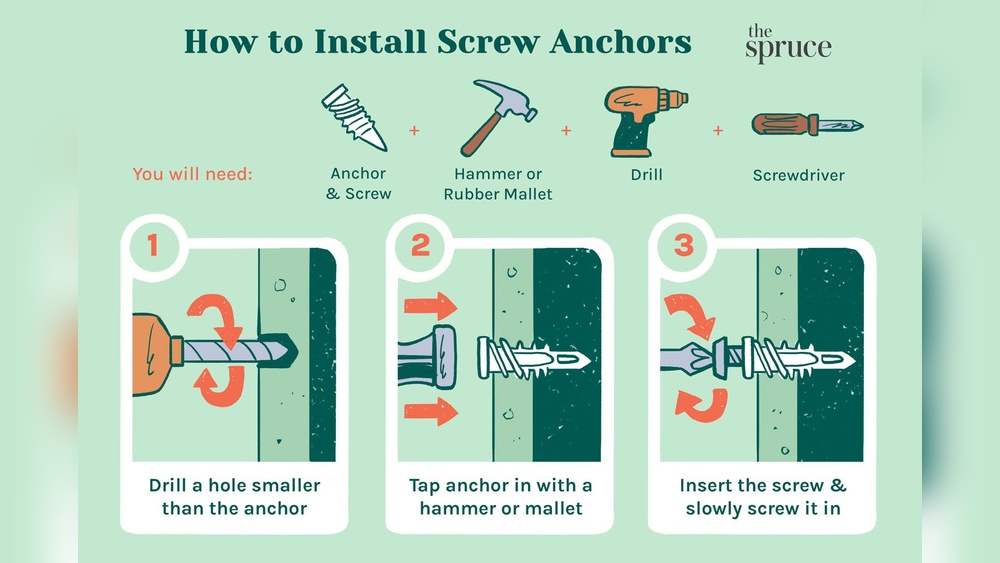
The installation process of plastic wall anchors is simple and effective. It allows you to hang items securely on drywall or other hollow walls. Understanding each step helps avoid mistakes and ensures a strong hold.
Preparing The Wall
Start by choosing the right spot on the wall. Clean the area to remove dust and dirt. This helps the anchor stick better and makes drilling easier.
Drilling The Hole
Use a drill bit that matches the anchor size. Drill a hole straight into the wall. Keep the hole clean by removing any loose debris.
Inserting The Anchor
Push the plastic anchor gently into the hole. Tap it lightly with a hammer if needed. The anchor should fit snugly without bending.
Securing The Screw
Place the screw into the anchor’s center. Turn the screw slowly using a screwdriver. Tighten until the anchor expands and grips the wall firmly.
How Anchors Hold Weight
Plastic wall anchors hold weight by creating a strong grip inside the wall. They help screws stay tight in surfaces that cannot hold screws alone, like drywall or hollow walls. Understanding how anchors hold weight helps you pick the right type for your project.
Expansion Mechanics
When you insert a screw into a plastic wall anchor, the anchor expands. This expansion pushes the anchor’s sides against the wall’s inside surface. The pressure from this push creates a tight fit. The tighter the fit, the more weight the anchor can support.
Friction And Grip
The anchor’s surface grips the wall material using friction. Friction stops the anchor from slipping out. The rough texture of plastic adds extra grip. This grip holds the screw and the attached object firmly in place.
Load Distribution
Plastic anchors spread the weight over a larger area inside the wall. This reduces pressure on any single point. Spreading the load prevents damage to the wall. It also keeps the anchor and screw secure under weight.
Choosing The Right Anchor
Choosing the right plastic wall anchor is key for a strong hold and safe mounting. Different anchors suit different walls and tasks. Picking the correct one stops damage and keeps your items secure.
Wall Material Considerations
Plastic anchors work best in drywall, plaster, and hollow walls. For concrete or brick, use anchors made for masonry. Check the wall type before buying anchors. The wrong anchor can slip or break the wall.
Weight Capacity
Each anchor holds a certain weight. Know the weight of the object you want to hang. Choose an anchor that supports more than this weight. This prevents accidents and wall damage.
Anchor Size And Length
The size and length of the anchor affect its grip. Longer anchors reach deeper for better hold. Thicker anchors hold heavier items. Match the size to your screw and wall thickness for best results.
Common Installation Mistakes
Plastic wall anchors are simple tools, but many make mistakes during installation. These errors can cause anchors to fail, making your project less secure. Understanding common mistakes helps you avoid damage and ensures strong support for your items.
Wrong Anchor For Wall Type
Different walls need different anchors. Drywall, concrete, and brick all require specific anchors. Using the wrong type can cause the anchor to slip or break. Always check the wall material before choosing an anchor.
Improper Hole Size
Drilling a hole too big or too small is a common error. A hole that is too large makes the anchor loose. A hole that is too small can crack the wall or damage the anchor. Measure carefully and follow the anchor’s instructions.
Overtightening Screws
Turning screws too tight can break the anchor or pull it out. It also damages the wall around the hole. Tighten screws just enough to hold the item firmly. Stop once you feel resistance and the anchor is secure.
Tips For Stronger Mounting
Strong mounting is key for plastic wall anchors to hold well. Using the right methods makes your anchors more secure and lasting. Small steps before and during installation improve the grip of the anchor. These tips help avoid common mistakes that weaken the mounting.
Pre-drilling Techniques
Drill a hole that matches the anchor size. The hole must be clean and smooth. Avoid making the hole too big or too small. A perfect hole helps the anchor expand properly inside the wall. Use a drill bit made for the wall type you have.
Using Pilot Holes
Start with a small pilot hole before the main hole. Pilot holes guide the drill and keep the wall intact. They reduce cracking and splitting around the anchor area. This step makes the anchor fit tightly and hold better.
Checking Anchor Fit
Test the anchor in the hole before full installation. The anchor should slide in with slight resistance. Too loose means it will not hold. Too tight means it may break the wall. Adjust hole size or anchor type for the best fit.

Credit: www.reddit.com

Credit: diy.stackexchange.com
Frequently Asked Questions
What Are Plastic Wall Anchors Used For?
Plastic wall anchors provide strong support for screws in drywall or masonry. They prevent screws from pulling out. Anchors help hang shelves, pictures, and fixtures securely without damage.
How Do Plastic Wall Anchors Hold Screws Tightly?
They expand inside the wall when a screw is inserted. This expansion grips the wall material firmly. The grip prevents the screw from loosening or pulling out.
Can Plastic Wall Anchors Support Heavy Objects?
Plastic anchors support light to medium loads well. For heavy objects, use metal anchors or specialized fasteners. Always check the anchor’s weight rating before use.
How To Install Plastic Wall Anchors Correctly?
Drill a hole matching the anchor size. Insert the anchor flush with the wall surface. Then, drive the screw into the anchor slowly until tight.
Conclusion
Plastic wall anchors hold screws tightly in drywall or masonry. They spread the load to keep items secure on walls. Choosing the right anchor depends on the wall type and weight. Easy to install, they offer reliable support for shelves, pictures, and more.
Knowing how they work helps you pick the best option. This simple tool makes home projects safer and neater. Use anchors to avoid holes that crack or crumble. Now, hanging things feels less risky and more confident.