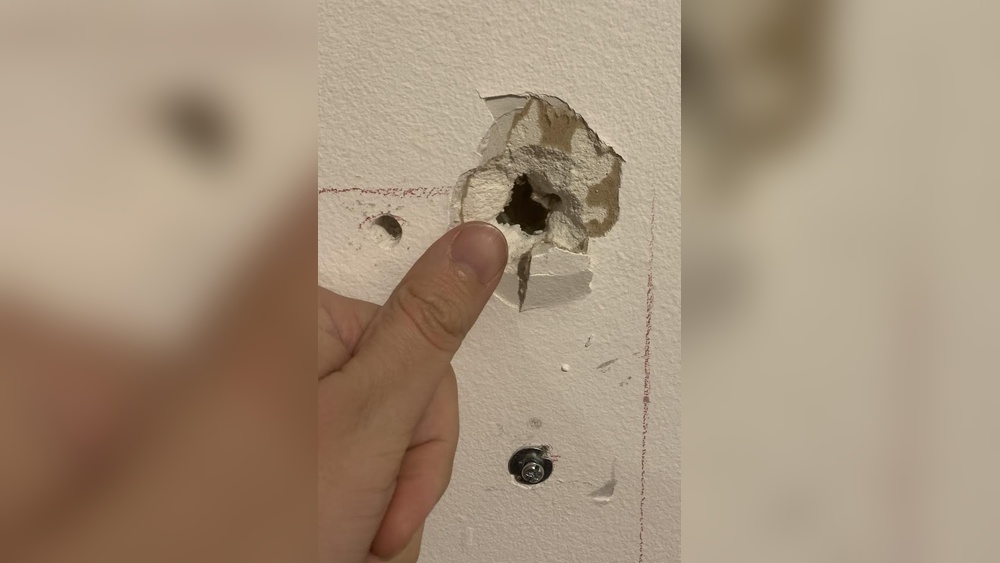
Have you ever removed a wall anchor and ended up with an ugly hole that just won’t go away? Those small but stubborn holes can ruin the look of your walls and make any room feel unfinished.
But don’t worry—fixing that hole is easier than you think. You’ll learn simple, step-by-step ways to repair your wall anchor hole quickly and effectively. Keep reading, and you’ll have your walls looking smooth and flawless again in no time.
Types Of Wall Anchors
Wall anchors hold screws in drywall, plaster, or other hollow walls. They provide extra support for hanging items securely. Different types of wall anchors serve different purposes. Knowing each type helps choose the right one for your project.
Plastic Expansion Anchors
Plastic expansion anchors are common and easy to use. They expand inside the wall when a screw is inserted. This expansion creates a tight grip in the drywall. These anchors work best for light to medium loads, like small shelves or pictures.
Toggle Bolts
Toggle bolts have spring-loaded wings that open behind the wall. The wings spread the load over a larger area. This makes toggle bolts very strong for heavy objects. They work well in hollow walls, such as drywall or plaster.
Molly Bolts
Molly bolts are metal anchors with sleeves that expand inside the wall. They provide a secure hold for medium to heavy loads. The sleeve grips the inside of the wall tightly. Molly bolts are good for mounting cabinets or heavy mirrors.

Credit: www.youtube.com
Tools And Materials Needed
Fixing a wall anchor hole requires some basic tools and materials. Having the right supplies makes the job easier and faster. Each item plays a key role in restoring the wall smoothly.
Gathering these tools before starting helps avoid interruptions. This section explains what you need to prepare for the repair.
Spackle And Putty
Spackle and putty fill holes in the wall. They come in small containers and are easy to apply. Choose lightweight spackle for small holes. Use putty for deeper or larger holes. These materials dry fast and create a smooth surface.
Sandpaper And Paint
Sandpaper smooths the patched area after it dries. Use fine-grit sandpaper to avoid scratches. Paint matches the wall color and hides the repair. Select paint with the same finish as your wall. This step makes the fix invisible.
Putty Knife And Primer
A putty knife spreads spackle evenly over the hole. It helps press the material into the hole tightly. Primer prepares the surface for paint. It improves paint adhesion and hides patches. Use a small brush or roller for primer application.
Preparing The Hole
Preparing the hole is the first step to fix a wall anchor hole properly. This step ensures the repair materials stick well. It also prevents the patch from cracking or falling out later. Taking time to prepare the hole makes the repair last longer.
Cleaning Loose Debris
Remove all loose dust and bits inside the hole. Use a small brush or a vacuum cleaner. Clean walls help filler or putty stick better. Loose debris can cause the patch to crumble over time. Make sure the hole is empty and dry before filling.
Widening Or Trimming The Hole
Check if the hole edges are rough or uneven. Use a utility knife or sandpaper to smooth the edges. Sometimes, the hole needs to be slightly wider for a better fill. A clean, even hole shape helps the repair material fill completely. Avoid making the hole too big to keep repair simple.

Credit: www.amazon.com
Filling Small Holes
Small holes in walls are common after removing wall anchors. Filling these holes helps restore a smooth, clean wall surface. This process is simple and quick. It requires only a few tools and materials.
Applying Spackle
Start by choosing a good-quality spackle. Use a putty knife to apply it over the hole. Press the spackle firmly to fill the hole completely. Spread it evenly beyond the edges of the hole. This helps the repair blend into the wall. Allow the spackle to dry for the time on the package.
Smoothing The Surface
Once the spackle is dry, smooth the surface with fine sandpaper. Sand gently to avoid damaging surrounding paint. Wipe away dust with a dry cloth. The wall should feel even and smooth to touch. If needed, apply a second layer of spackle and sand again. This step ensures the hole is invisible after painting.
Repairing Large Holes
Large holes in walls need special care to fix. These holes can happen from accidents or removing big anchors. Fixing them looks hard but is simple with the right steps. This section explains how to repair large holes clearly.
Using Wall Patch Kits
Wall patch kits are helpful for big holes. They come with a patch and instructions. First, clean the hole’s edges to remove loose pieces. Next, place the patch over the hole. Press it firmly to stick well.
Some kits have mesh patches. These support the wall as it dries. After placing the patch, smooth the edges with a putty knife. Let it dry fully before the next step.
Applying Joint Compound
Joint compound fills the hole and hides the patch. Use a putty knife to spread it evenly. Cover the patch and surrounding wall area. Make sure the layer is smooth to avoid bumps.
Wait for the compound to dry. Sand the surface lightly to make it flat. Repeat applying and sanding if needed. Paint over the patch to match the wall color. The repair will look like new.

Credit: www.youtube.com
Sanding And Smoothing
Sanding and smoothing are key steps in fixing a wall anchor hole. They help create a clean, even surface that looks good. This step prepares the wall for painting or finishing.
Proper sanding removes bumps and rough patches. Smoothing blends the repair with the rest of the wall. Both steps make the repair almost invisible.
Choosing The Right Sandpaper
Select sandpaper with a fine grit, like 120 or 150. Coarse sandpaper can damage the wall surface. Fine grit smooths without leaving scratches.
Use a sanding block or sponge for better control. Hand sanding gives a gentle touch to the repaired area. Avoid pressing too hard to keep the wall intact.
Blending With The Wall
Sand beyond the patched area to blend edges. This avoids a visible line around the repair. Feather the edges by sanding lightly in a circular motion.
Check the surface by running your hand over it. The wall should feel smooth and even. Repeat sanding lightly until the patch disappears into the wall.
Painting And Finishing
Painting and finishing are the last steps after fixing a wall anchor hole. They help the wall look smooth and new again. Proper painting hides the repair and makes the wall blend with the rest of the room. Taking time on these steps improves the final result and keeps the wall strong.
Priming The Repaired Area
Priming prepares the wall for paint. It seals the patched spot and stops paint from soaking in unevenly. Use a small brush to apply a thin coat of primer. Let it dry fully before painting. This step ensures the paint sticks well and the color looks uniform.
Matching Wall Paint
Matching the paint color is key to a good finish. Test the wall paint in a small area first. Use the same paint type as the rest of the wall. Apply thin layers and build up the color slowly. This helps the repaired area blend perfectly with the wall.
Preventing Future Damage
Preventing future damage to your walls starts with good habits. Fixing a hole is not enough. You must make sure the wall stays strong and neat. Using the right tools and methods helps keep your walls safe from cracks and holes.
Choosing Proper Anchors
Select anchors that fit your wall type and weight needs. Drywall anchors work for light items. For heavier objects, use toggle bolts or molly bolts. Avoid using anchors too big or too small. The wrong size can cause the wall to crack or the anchor to fall out.
Check the package for weight limits. Always pick anchors rated for more than your item’s weight. This step prevents the wall from breaking under pressure.
Using Correct Installation Techniques
Drill holes carefully and at the right size. Too big holes weaken the wall. Too small holes make it hard to insert anchors. Use a level to keep holes straight and even.
Push anchors in gently. Do not force them in. Tighten screws slowly to avoid cracking the wall. Follow the instructions that come with the anchors. Proper installation keeps the anchor secure and the wall intact.
Frequently Asked Questions
How Do I Repair A Hole Left By A Wall Anchor?
To fix a wall anchor hole, remove the anchor first. Fill the hole with spackle or wall filler. Let it dry completely. Sand it smooth, then repaint the area for a seamless finish.
What Materials Are Best For Filling Wall Anchor Holes?
Use spackle, joint compound, or wall filler to fill anchor holes. These materials dry fast and can be sanded smooth. Choose one based on hole size and wall type for best results.
Can I Reuse A Wall Anchor Hole After Repair?
Yes, you can reuse the hole after repair. Drill a new pilot hole once the filler is fully dry. Insert a new anchor to ensure a secure fit.
How Long Does It Take To Fix A Wall Anchor Hole?
Fixing a wall anchor hole usually takes 30 minutes to an hour. Drying time for filler varies but generally takes a few hours. Sanding and painting add extra time.
Conclusion
Fixing a wall anchor hole does not have to be hard. Use the right tools and materials for the best result. Clean the hole, fill it carefully, and let it dry well. Sand the surface smooth, then paint to match the wall.
Taking these small steps keeps your walls looking neat and strong. You can do this repair yourself and save time and money. A little effort brings a big difference to your home’s appearance. Try it today and enjoy a smooth, clean wall again.


