Have you ever worried that your tall bookcase might tip over and cause damage or injury? You’re not alone.
Securing your bookcase to the wall is one of the smartest steps you can take to keep your home safe and your favorite books and treasures secure. In this guide, you’ll learn simple, effective ways to anchor your tall bookcase so it stays steady—no matter what.
Keep reading, and you’ll gain the confidence to protect your space with ease.

Credit: www.amazon.com
Choosing The Right Anchor
Choosing the right anchor is important for securing a tall bookcase safely. The anchor holds the bookcase to the wall and stops it from tipping. Different walls need different anchors to hold the weight. Picking the wrong anchor can cause damage or fail to keep the bookcase steady.
Know the wall type and the anchor options before starting. This helps you choose the best anchor for your bookcase and wall.
Types Of Wall Anchors
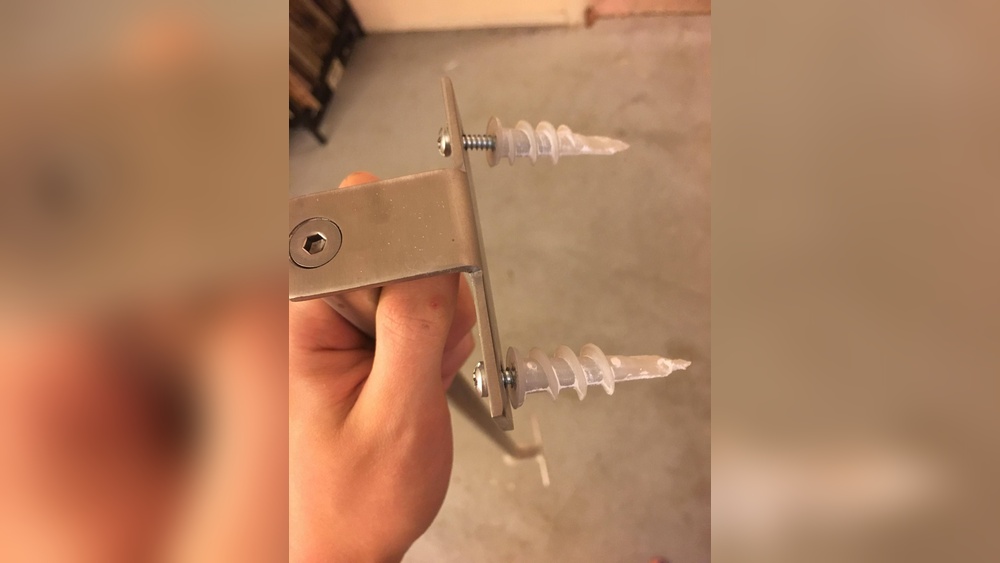
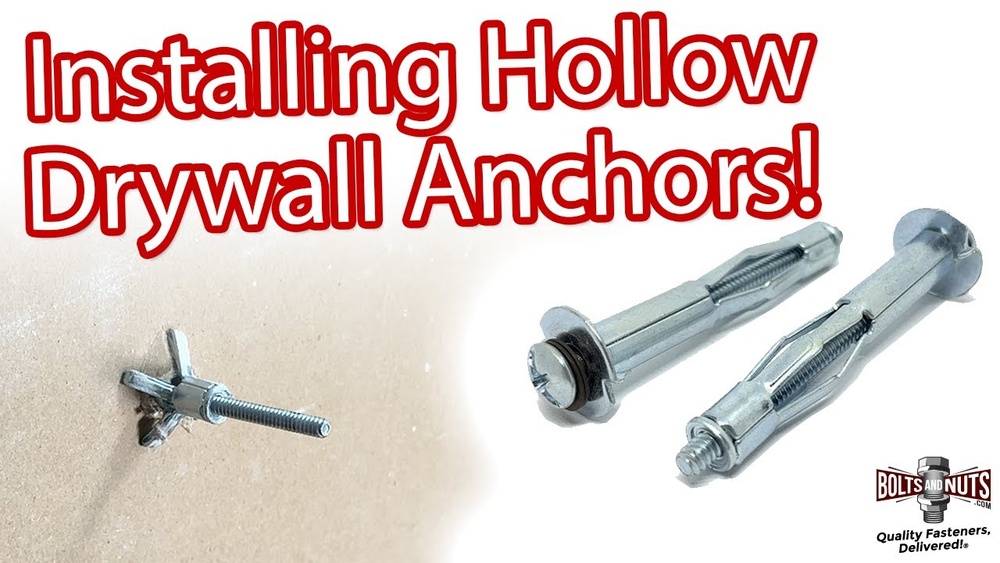
Wall anchors come in many types. Plastic expansion anchors work well in drywall for light loads. Metal anchors give stronger support for heavier items. Toggle bolts spread the load inside the wall and hold heavy furniture. Molly bolts expand behind the wall for firm grip. Each type fits different needs and wall types.
Selecting Based On Wall Material
Drywall needs anchors that expand or spread inside the wall cavity. Plastic anchors or toggle bolts suit drywall best. For plaster walls, use metal anchors or molly bolts to prevent cracking. Brick or concrete walls require anchors like sleeve anchors or masonry screws. These fit into the hard material and hold firmly. Know your wall before choosing the anchor type.

Credit: space-plug.com
Tools And Materials Needed
Anchoring a tall bookcase to the wall keeps it safe and steady. Using the right tools and materials makes the job easier and more secure. Prepare everything before you start to avoid interruptions and ensure a smooth process.
Essential Tools
A drill is key for making holes in the wall. Use a screwdriver to tighten screws firmly. A stud finder helps locate wall studs for secure anchoring. A tape measure ensures correct placement and alignment. A pencil marks spots on the wall where you will drill. A level keeps the bookcase straight and balanced. Anchors and screws hold the bookcase tightly to the wall.
Safety Gear
Wear safety goggles to protect your eyes from dust and debris. Gloves protect your hands from sharp edges and splinters. Use ear protection if the drill is loud or used for a long time. A dust mask helps avoid inhaling dust particles. Safety gear keeps you safe while working on your project.
Preparing The Bookcase And Wall
Preparing the bookcase and wall is the first step to secure a tall bookcase safely. This step helps avoid accidents and keeps your furniture steady. It involves two main tasks: clearing the area and finding the wall studs.
Both tasks are important for a strong and safe anchor. Clear space makes work easier. Studs give a solid place for screws or brackets to hold.
Clearing The Area
Remove anything around the bookcase. Move rugs, chairs, or other furniture. This creates enough space to work freely.
Clear both sides of the bookcase. Dust and dirt can hide screws or holes. Clean the wall and floor near the bookcase.
Check the bookcase itself. Empty all shelves. A light bookcase is easier to move and secure.
Locating Wall Studs
Studs are vertical wooden beams behind drywall. They are strong and hold screws well. Find them before anchoring your bookcase.
Use a stud finder for best results. Move it slowly along the wall. It beeps or lights up near a stud.
Mark each stud location with a pencil. Check twice to be sure. Anchoring into studs keeps the bookcase steady.
Marking Anchor Points
Marking anchor points is a key step to secure your tall bookcase safely. This process helps you find the exact spots on the wall where the anchors will go. Accurate marks ensure the bookcase stays stable and prevents tipping. Take your time to measure and mark carefully before drilling.
Measuring And Aligning
Start by placing the bookcase against the wall. Check that it stands straight and does not lean. Use a level tool to confirm it is perfectly vertical. Measure the height and width of the bookcase at the points where you want to attach anchors. Mark these spots lightly with a pencil. Align the marks with wall studs for stronger support. Avoid drywall areas without studs, as they hold less weight.
Marking Drill Spots
After measuring, mark the exact drill spots on the wall. Use a pencil to make small dots where the anchors will go. Double-check these points with a tape measure and level. Ensure the marks line up with the bookcase holes. Marking clearly helps guide your drill and prevents mistakes. Keep the marks visible but easy to erase later.
Installing The Anchors
Installing the anchors is a key step to keep your tall bookcase steady. It helps prevent tipping and keeps your books safe. This process requires careful drilling and securing of the anchors into the wall.
Take your time to mark the right spots. Measure twice, drill once. Proper placement ensures strong support and a safer bookcase.
Drilling Pilot Holes
Start by marking the anchor points on the wall. Use a pencil and level for accuracy. Choose a drill bit slightly smaller than the anchor size. This helps the anchor grip tightly.
Hold the drill steady and drill straight into the wall. Drill only to the needed depth. Clear away dust with a small brush or vacuum. Clean holes help anchors fit better.
Securing The Anchors
Push the anchors into the pilot holes carefully. Tap gently with a hammer if needed. Make sure the anchors sit flush with the wall surface.
Insert screws through the bookcase bracket into the anchors. Tighten the screws until snug, but avoid over-tightening. Check that the bookcase feels firm and stable against the wall.

Credit: www.reddit.com
Attaching The Bookcase To The Wall
Attaching a tall bookcase to the wall is important for safety. It stops the bookcase from tipping over. Proper attachment also keeps your books and items secure. Follow clear steps to do this correctly.
Connecting Brackets
Start by choosing strong brackets for your bookcase. Attach one side of the bracket to the top back of the bookcase. Use screws that fit well and hold tightly. Next, find a stud in the wall using a stud finder. Screw the other side of the bracket into the wall stud. This creates a solid connection between the bookcase and the wall.
Ensuring Stability
Check the bookcase to make sure it does not wobble. Tighten all screws in the brackets. Test the bookcase by gently pushing it from different angles. If it moves, adjust the brackets or add more support. Stability keeps your bookcase safe and secure for everyday use.
Final Safety Checks
Final safety checks are crucial after anchoring a tall bookcase to the wall. These checks confirm the bookcase is stable and safe to use. Take time to ensure everything is secure. Safety is the priority to prevent accidents or damage.
Testing For Firmness
Test the bookcase by gently pushing it from different sides. It should not wobble or move. Check the anchors and screws for tightness. If the bookcase shifts, tighten the fasteners again. Firmness ensures the bookcase stays in place.
Adjustments And Maintenance
Inspect the anchors regularly to keep the bookcase secure. Tighten any loose screws or brackets as needed. Check for signs of wear or damage on the wall or bookcase. Regular maintenance helps avoid future accidents. Keep the area around the bookcase clear of heavy objects.
Frequently Asked Questions
Why Should I Anchor A Tall Bookcase To The Wall?
Anchoring prevents tipping, which enhances safety, especially in homes with kids or pets. It stabilizes the bookcase during earthquakes or bumps. This simple step protects both your furniture and family from accidents caused by falling bookcases.
What Tools Do I Need To Anchor A Bookcase?
You need a drill, screws, wall anchors, a stud finder, and a screwdriver. A level helps ensure the bookcase is straight. These tools help securely attach the bookcase to the wall, ensuring maximum stability and safety.
How Do I Find Studs To Anchor My Bookcase?
Use a stud finder to locate wooden studs behind drywall. Studs provide the strongest support for screws. Mark the stud locations with a pencil before drilling to ensure a secure and reliable anchor point for your bookcase.
Can I Anchor A Bookcase To Drywall Only?
Anchoring to drywall alone is not secure. Use wall anchors designed for drywall if no studs are available. For heavy bookcases, always aim to screw into studs for maximum support and safety.
Conclusion
Anchoring a tall bookcase keeps your space safe and tidy. Secure it well to avoid accidents and damage. Use the right tools and follow simple steps carefully. Check the wall type before you start drilling. Take your time and be precise.
This small effort protects your family and belongings. Enjoy your organized room with peace of mind. Safety always comes first in home projects.