Are you looking for a simple and reliable way to anchor rope to a wall? Whether you’re setting up a climbing rope, hanging decorations, or securing outdoor gear, knowing how to anchor rope properly is key to safety and success.
In this guide, you’ll discover easy steps and smart tips to make sure your rope stays firmly in place. Keep reading to learn how to do it right the first time, saving you frustration and giving you confidence in every project.

Credit: gophersport.com
Choosing The Right Anchor
Choosing the right anchor is essential for safely securing rope to a wall. The anchor must hold the rope firmly without slipping or breaking. This choice depends on the wall type and the weight it must support. Picking the right anchor helps avoid accidents and damage.
Types Of Anchors
There are several types of anchors. Expansion anchors spread inside the wall to hold tight. Screw anchors twist into the wall and grip firmly. Toggle bolts open behind the wall for strong support. Each type suits different wall materials and uses.
Material Considerations
Anchors come in steel, plastic, or zinc. Steel anchors are strong and last long. Plastic anchors work well for light loads and drywall. Zinc anchors resist rust but may weaken over time. Choose material based on wall type and weather exposure.
Weight And Load Capacity
Check the anchor’s weight limit before use. The anchor must support the rope’s load safely. Overloading can cause the anchor to fail. Always pick an anchor with a higher load capacity than needed. Safety first in all rope anchoring tasks.
Preparing The Wall Surface
Preparing the wall surface is the first step to anchor a rope securely. A strong, clean wall ensures the anchor holds tight. Taking time to prepare the wall prevents future damage and keeps the rope safe. Follow these simple steps for the best results.
Inspecting For Damage
Check the wall for cracks, holes, or loose parts. Damaged areas can weaken the anchor’s hold. Look closely at the surface and edges. Avoid anchoring on weak spots. Choose a solid part of the wall for safety.
Cleaning The Area
Remove dust, dirt, and grease from the wall. Use a brush or cloth to clean the surface. A clean area helps the anchor stick better. Dirt can cause slipping or poor grip. Make sure the wall is dry before moving on.
Marking Anchor Points
Decide where to place the anchors on the wall. Use a pencil to mark spots clearly. Measure the distance to keep anchors even. Proper marking helps with balance and strength. Double-check marks before drilling or fixing anchors.
Selecting The Correct Rope
Selecting the correct rope is essential for a safe and strong anchor. The rope must hold the weight and pressure it will face. Choosing the right type and size helps avoid accidents. This section breaks down the key factors to consider before anchoring rope to a wall.
Rope Materials
Rope comes in many materials, each with unique features. Nylon ropes are stretchy and absorb shock well. Polyester ropes resist UV rays and water better. Manilla ropes are natural but weaker and less durable. Choose a material that fits your environment and strength needs.
Diameter And Strength
Rope diameter affects how much weight it can hold. Thicker ropes usually carry more weight and last longer. A rope with a diameter of 10-12 mm is good for most wall anchors. Always check the rope’s breaking strength and use a safety margin. Pick a rope that can handle at least twice the load you expect.
Length Requirements
Measure the distance from the wall anchor point to the load. Add extra length for knots and adjustments. Never use a rope that is too short, as it limits movement and safety. A longer rope offers more flexibility and easier tying. Cut the rope to length but keep some spare for future use.

Credit: jammarmfg.com
Installing Wall Anchors
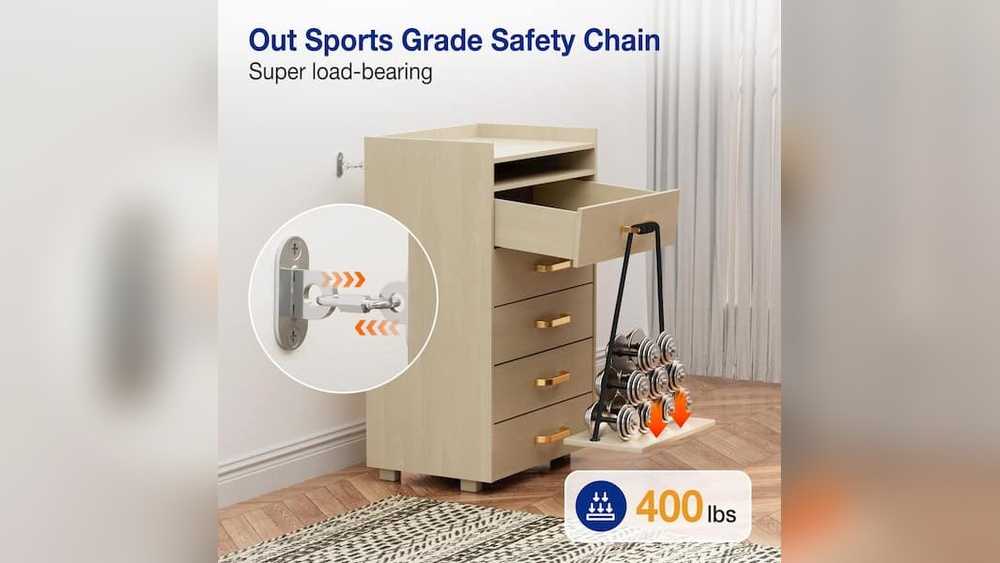
Installing wall anchors is a key step to securely attach a rope to a wall. Wall anchors hold the screws tight and prevent the rope from pulling out. They add strength and stability to your setup. Choosing the right anchor depends on the wall type and the rope’s weight.
Drilling And Inserting Anchors
Start by marking the spot on the wall where the anchor goes. Use a drill bit that matches the anchor size. Drill a hole straight into the wall to the right depth. Clean out dust from the hole using a brush or blower. Push the anchor firmly into the hole until it sits flush with the wall.
Using Expansion Bolts
Expansion bolts work well for heavy loads and solid walls. Insert the bolt through the anchor and into the hole. Tighten the bolt slowly to expand the anchor inside the wall. This expansion grips the wall tightly. Ensure the bolt is secure but avoid over-tightening to prevent damage.
Securing With Screws
Place the screw through the rope’s anchor point or hardware. Screw it into the installed wall anchor using a screwdriver or drill. Turn the screw until it feels tight and the rope is secure. Check the firmness by gently pulling the rope. Tight screws keep the rope stable and safe.
Tying The Rope Securely
Tying the rope securely to a wall anchor is vital for safety and stability. A well-tied rope holds firm under pressure. It prevents slipping and accidents. This section guides you on how to tie the rope correctly and check its strength.
Common Knots For Anchoring
Some knots work better than others for anchoring ropes. The Bowline knot is easy to tie and strong. The Figure Eight knot creates a secure loop. The Clove Hitch knot is quick and adjustable. Choose a knot that suits your rope and wall type.
Step-by-step Knot Tying
Start by wrapping the rope around the anchor point. Follow instructions for your chosen knot carefully. For a Bowline, make a small loop first. Pass the rope end through the loop, around the standing part, and back through the loop. Tighten the knot firmly. Make sure no parts overlap incorrectly. Practice tying the knot until it feels natural.
Testing Knot Strength
After tying, pull the rope hard to test the knot. Check if it holds without slipping. Try different angles to ensure strength. If the knot moves or loosens, retie it. Never use a knot that feels weak. Safety depends on the knot’s strength and security.

Credit: www.gronkfitnessproducts.com
Safety Tips And Maintenance
Anchoring a rope to a wall is not just about strength. Safety and maintenance play a big role. Proper care keeps the rope and wall anchor secure. It also helps avoid accidents and damage. Small checks and simple steps can make a big difference.
Regular Inspections
Check the rope and anchor often. Look for cracks, rust, or loose parts on the wall anchor. Inspect the rope for frays, cuts, or weak spots. Early signs of damage mean you can fix problems fast. Keep a routine to catch issues before they grow.
Avoiding Overloading
Know the weight limit of your rope and anchor. Do not hang more weight than they can hold. Too much weight can break the rope or pull the anchor from the wall. Use proper gear designed for your task. This keeps everything safe and lasts longer.
Replacing Worn Components
Replace any part showing wear or damage right away. Old ropes lose strength. Rusty anchors weaken the hold. Swapping worn parts keeps your setup strong. Use quality replacements that fit your setup exactly. This ensures safety and durability.
Frequently Asked Questions
How Do You Securely Anchor A Rope To A Wall?
To securely anchor a rope, use strong wall anchors or hooks designed for the wall type. Ensure the anchor is fixed deeply and can support the rope’s load safely.
What Tools Are Needed To Anchor Rope To A Wall?
You need a drill, wall anchors, screws or hooks, a screwdriver, and a measuring tape. These tools help install anchors safely and precisely.
Can Any Type Of Rope Be Anchored To A Wall?
Most ropes can be anchored if the anchor supports the rope’s strength. Choose ropes suitable for the intended load and environment for safety.
How To Prevent Rope From Slipping Off The Anchor?
Use knots like the bowline or secure the rope with clamps. Ensure the anchor and rope connection is tight and stable.
Conclusion
Anchoring rope to a wall is simple with the right steps. Choose a strong anchor point and secure the rope tightly. Double-check knots to keep the rope from slipping. This method works well for many projects at home or outdoors.
Practice these steps to build confidence and skill. Safety matters most, so take your time and be careful. Now, you can attach ropes firmly and easily for your needs.