Have you ever wondered what makes a double action deadbolt different from a regular lock? Understanding how this lock works can give you peace of mind about your home’s security.
If you’re looking for a stronger, more reliable way to protect your doors, knowing the ins and outs of a double action deadbolt is key. You’ll discover exactly how it operates and why it might be the perfect choice for your needs.
Keep reading to learn how this simple device can make a big difference in keeping you and your loved ones safe.

Credit: www.techhive.com
Double Action Deadbolt Basics
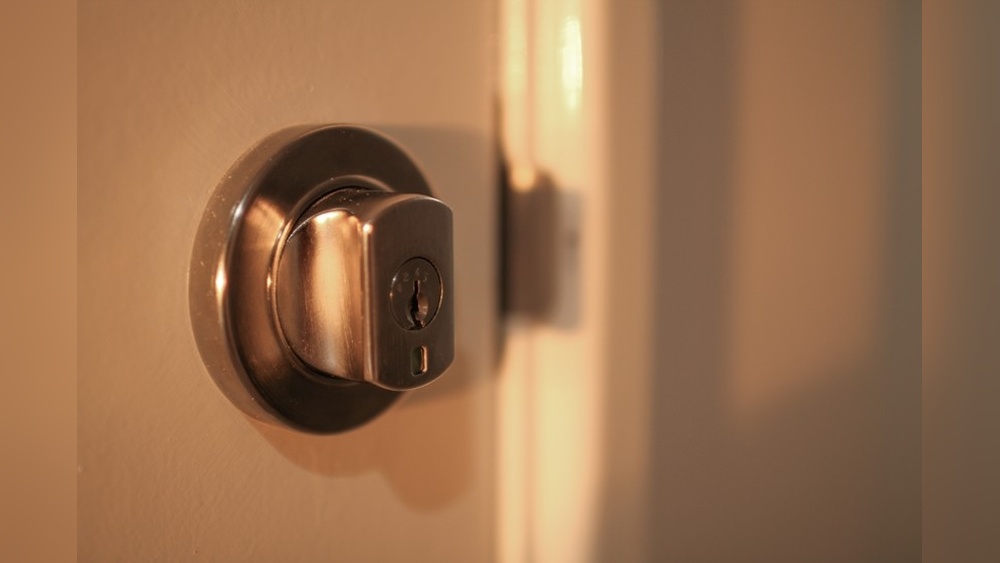
A double action deadbolt adds extra security to your door. It works differently than a regular deadbolt. Understanding its basics helps you see why it is a popular choice for many homes and businesses.
Key Components
A double action deadbolt has several important parts. The bolt itself is the metal piece that slides into the door frame. There are two knobs or levers, one on each side of the door. These knobs must be turned to move the bolt. Inside, a spring helps the bolt return to its locked position. The lock cylinder controls the bolt’s movement with a key or thumb turn.
How It Differs From Single Action
A single action deadbolt locks or unlocks with one turn. Usually, a single knob or key controls it. The bolt moves in one direction only. A double action deadbolt needs two steps. You must turn both knobs or levers to move the bolt. This means it cannot be locked or unlocked from one side alone. It adds a layer of protection against forced entry or accidental locking.

Credit: www.researchgate.net
Mechanism Of Operation
The mechanism of operation in a double action deadbolt is simple yet secure. It uses two actions to lock and unlock the door. This design adds an extra layer of safety. The bolt moves straight into the door frame, making it hard to force open.
Understanding how it works helps to appreciate its security benefits. The following sections explain the locking and unlocking process clearly.
Locking Process
To lock the door, turn the key or knob twice. The bolt moves out from the door edge. It slides firmly into the strike plate on the frame. This deep engagement stops the door from opening easily. The double turn ensures the bolt is fully extended. This extra step makes the lock more resistant to tampering.
Unlocking Process
Unlocking also requires two turns of the key or knob. The bolt retracts smoothly back into the door. This frees the door to open. The double action prevents accidental unlocking. It requires intentional effort to move the bolt. This added control helps keep your home secure.
Security Advantages
Double action deadbolts require turning the key twice to lock or unlock, adding an extra security step. This design makes it harder for intruders to force the door open. It also prevents the bolt from moving without proper key use.
Enhanced Protection Features
A double action deadbolt offers strong security for your doors. It requires turning the key or thumb turn twice to unlock. This extra step adds a layer of safety against quick break-ins.
The bolt extends deeper into the door frame than standard locks. This makes it harder to force open. The lock mechanism also resists picking and tampering. These features protect your home from unwanted entry.
Resistance To Forced Entry
Double action deadbolts are built to withstand strong attacks. The metal bolt is thick and durable. It can resist prying, kicking, or hammering attempts.
The lock design slows down intruders. It forces them to spend more time trying to open the door. This delay often stops break-ins before they start. It also gives you extra time to react in emergencies.

Credit: amblersurgical.com
Installation Tips
Installing a double action deadbolt needs care and focus. Correct installation ensures your door locks safely and works smoothly. Follow these tips to install the lock properly.
Choosing The Right Door
Select a door that fits the deadbolt type. Solid wood or metal doors work best. Avoid hollow or weak doors; they offer less security. The door should be thick enough to hold the lock firmly. Check the door’s edge for a flat surface. This helps the deadbolt sit properly and secure tight.
Proper Alignment And Fit
Align the deadbolt carefully with the door frame. The bolt must slide easily into the strike plate. Measure the door frame to place the strike plate right. Drill holes straight and at correct depth. A misaligned bolt causes jamming or poor locking. Test the lock several times before finishing. Smooth operation means a good fit and secure lock.
Maintenance And Troubleshooting
Maintaining a double action deadbolt keeps it working smoothly and lasts longer. Troubleshooting helps fix small problems before they get bigger. This section explains simple care tips and common issues with easy fixes.
Routine Care
Clean the deadbolt with a soft cloth regularly. Avoid harsh chemicals that can damage the metal. Lubricate the lock every six months with graphite or a silicone spray. This prevents rust and keeps the mechanism smooth.
Check the screws and tighten them if loose. Make sure the door and frame align well to avoid stress on the lock. Test the lock by turning it often to keep the parts moving freely.
Common Issues And Fixes
The deadbolt may stick or be hard to turn. Dirt or lack of lubrication often causes this. Clean and lubricate the lock to fix the problem. If the key won’t turn, check for a bent or damaged key.
The bolt may not fully extend or retract. Check if the door is properly aligned with the frame. Adjust the strike plate or hinges to fix this. If the lock still fails, the internal parts might need replacement.
Comparing Deadbolt Types
Understanding different deadbolt types helps you choose the right lock. Deadbolts vary in design and function. Each type offers unique security features. Knowing these differences improves your home safety decisions.
Let’s compare common deadbolt types to see how they work and protect.
Single Action Vs Double Action
Single action deadbolts lock and unlock with one turn. Usually, the key or thumb turn moves the bolt in one direction. They are simple and fast to use. These locks fit most doors and offer good security.
Double action deadbolts require two steps to operate. You must lift the latch first, then turn the key or knob. This extra action adds security. It prevents the lock from opening by force or bumping. Double action deadbolts suit doors needing higher protection.
Electronic Vs Mechanical
Mechanical deadbolts use physical keys or knobs. They need no power or batteries. Mechanical locks are reliable and easy to maintain. They work in all weather conditions and situations.
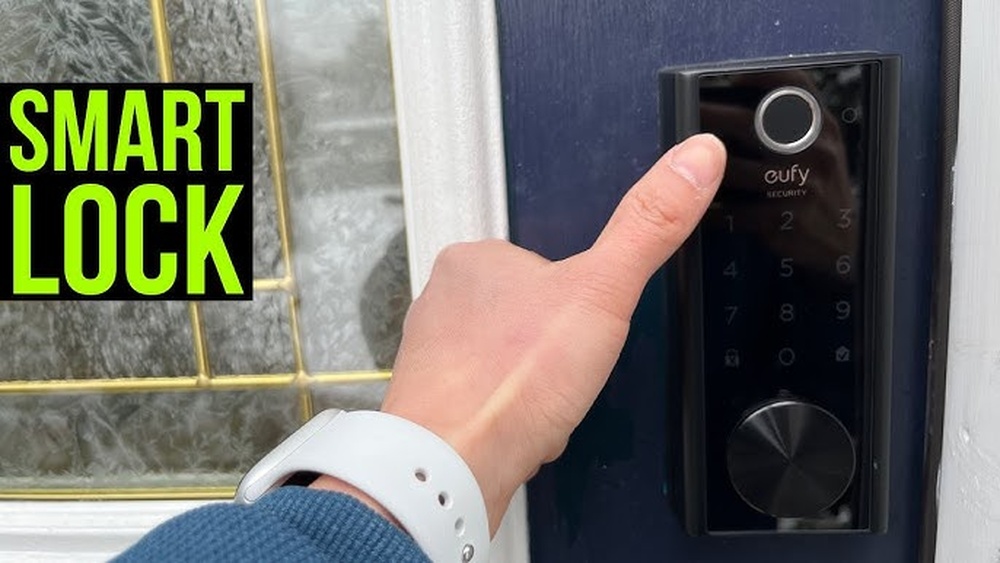
Electronic deadbolts use keypads, cards, or smartphones. These locks offer keyless entry and remote control. Electronic deadbolts add convenience and can track access. They need batteries and occasional charging. Electronic locks suit tech-friendly homes and offices.
Frequently Asked Questions
What Is A Double Action Deadbolt Lock?
A double action deadbolt requires two movements to unlock. This design adds security by preventing easy lock picking or forced entry. It is often used on doors needing extra protection. The lock enhances safety by requiring deliberate actions to open.
How Does A Double Action Deadbolt Enhance Security?
It demands two separate actions to unlock, making unauthorized entry harder. This extra step deters burglars and increases door resistance. The lock’s mechanism is more complex than standard deadbolts. It provides stronger protection for homes and businesses.
Can A Double Action Deadbolt Be Installed On Any Door?
Yes, it can fit most standard doors with proper installation. However, professional fitting is recommended to ensure correct alignment. Some door types might require modifications for best performance. Proper installation maximizes security benefits of the lock.
Is A Double Action Deadbolt Easy To Use Daily?
While secure, it requires two deliberate motions to unlock or lock. This might add slight time but is manageable with practice. Users appreciate the balance between security and usability. It is suitable for those prioritizing safety over speed.
Conclusion
A double action deadbolt offers strong security for your door. It needs turning both inside and outside to open. This design helps prevent forced entry and adds peace of mind. Understanding how it works can help you choose the right lock.
Simple, effective, and reliable. A smart choice for better home safety.