
Have you ever wondered if your home is truly secure? A deadbolt lock is one of the simplest and most effective ways to protect your space.
But do you know how to use it correctly to get the full benefit? You’ll discover easy steps to operate a deadbolt lock confidently. By the end, you’ll feel more in control of your home’s safety and ready to keep unwanted visitors out.
Keep reading—your peace of mind depends on it.
Choosing The Right Deadbolt
Choosing the right deadbolt is important for home safety. A good deadbolt adds strong protection to your door. It stops unwanted entry and gives peace of mind. Understanding types, materials, and ratings helps select the best one for your needs.
Types Of Deadbolt Locks
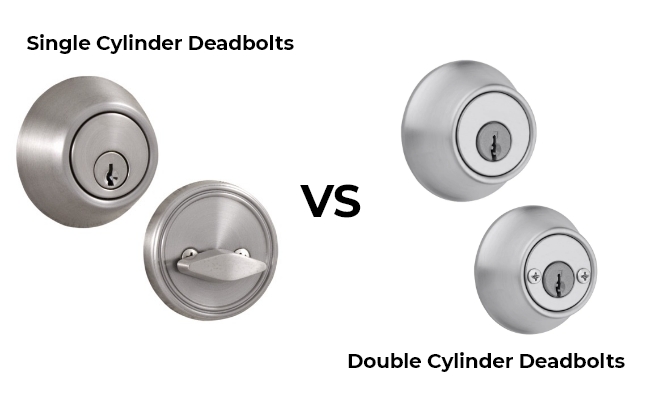
There are three main types of deadbolt locks: single-cylinder, double-cylinder, and lockable thumbturn. Single-cylinder deadbolts use a key outside and a thumbturn inside. Double-cylinder deadbolts need a key on both sides. Lockable thumbturn deadbolts allow locking the thumbturn with a key for extra security.
Materials And Durability
Deadbolts come in different materials like brass, steel, and bronze. Steel is the strongest and lasts long. Brass resists rust and looks nice. Bronze offers good durability and style. Choose a material that fits your door and weather conditions.
Security Ratings To Consider
Check the security rating before buying a deadbolt. The American National Standards Institute (ANSI) rates locks from Grade 1 to 3. Grade 1 is the strongest and best for high security. Grade 2 offers good protection for most homes. Grade 3 is basic but better than no lock. Pick a rating that matches your security needs.
Credit: reolink.com
Installing A Deadbolt Lock
Installing a deadbolt lock adds extra security to your door. The process is simple and can be done with basic tools. This guide breaks down the steps to help you install a deadbolt quickly and correctly. Follow these instructions carefully for the best results.
Tools Needed For Installation
- Drill with bits
- Screwdriver
- Measuring tape
- Pencil
- Chisel
- Hammer
- Deadbolt lock kit
Step-by-step Installation Process
First, measure the door thickness and mark the drill points. Drill a hole through the door for the lock cylinder. Next, drill a hole on the door edge for the latch bolt. Insert the latch into the hole and secure it with screws. Place the lock cylinder into the drilled hole. Attach the interior and exterior plates using screws. Test the lock by turning the key and thumb turn. Make sure the bolt moves smoothly in and out.
Common Installation Mistakes
- Not measuring the door thickness correctly
- Drilling holes in the wrong place
- Forcing the latch into the hole
- Using the wrong size screws
- Not aligning the strike plate on the door frame
- Failing to test the lock after installation
Using Your Deadbolt Effectively
Using your deadbolt effectively adds a strong layer of security to your home. Knowing the right way to lock and unlock helps prevent damage and keeps your door secure. Understanding when to use different types of deadbolts improves safety. Managing your keys well avoids frustration and lost time. Follow these tips to get the most from your deadbolt lock.
Locking And Unlocking Techniques
Turn the key or thumb turn smoothly. Avoid forcing the lock to prevent damage. Always check that the bolt fully extends into the door frame. This ensures the door cannot be pushed open. Lock the door every time you leave or go to bed. Unlock it carefully to avoid jamming the mechanism.
When To Use Double Vs Single Cylinder
Single cylinder deadbolts have a key outside and a thumb turn inside. Use these when you want quick exit in emergencies. Double cylinder deadbolts need a key on both sides. Use these on doors with glass panels nearby. They prevent someone from breaking glass and reaching inside to unlock. Choose the type based on your door and safety needs.
Tips For Key Management
Keep your keys in a safe, consistent place. Make spare keys for trusted family or friends. Avoid hiding keys outside; burglars often check common spots. Label your keys to avoid confusion. Consider a key holder or box for organization. Regularly check that all keys work smoothly in the lock.
Credit: pizzainmotion.boardingarea.com
Maintaining Your Deadbolt
Maintaining your deadbolt keeps it working well and extends its life. A well-kept lock offers better security and peace of mind. Small steps every few months can prevent big problems later. Focus on cleaning, lubrication, and knowing when to replace your deadbolt.
Routine Cleaning And Lubrication
Clean your deadbolt regularly to remove dirt and dust. Use a soft cloth and mild soap with water. Avoid harsh chemicals that can damage the lock’s finish.
Lubricate the lock with graphite powder or a silicone-based spray. Oil can attract dust and cause jams. Apply lubricant to the keyhole and moving parts. This helps the lock turn smoothly and lasts longer.
Troubleshooting Common Issues
Stiff turning or difficulty locking often means dirt or lack of lubrication. Clean and lubricate as the first step. If the key won’t turn, check for bent or damaged keys.
Sometimes, the lock may misalign with the strike plate. Tighten screws and adjust the plate for a better fit. If the deadbolt sticks in cold weather, lubrication usually solves this problem.
When To Replace Your Deadbolt
Replace your deadbolt if it’s rusty, broken, or hard to operate. Locks older than 10 years may lose reliability. If your key breaks inside the lock, replacement is safer than repair.
Upgrading to a more secure deadbolt improves home safety. Changing locks after moving into a new house is a smart step. It ensures no one else has access to your home.
Enhancing Home Security
Enhancing home security starts with strong locks on your doors. Deadbolt locks offer solid protection. They resist forced entry better than regular locks. Using deadbolts correctly raises your home’s safety level. Combine them with other security tools for best results.
Combining Deadbolts With Other Locks
Use deadbolts alongside latch locks for extra security. Latch locks keep the door closed, while deadbolts stop it from opening. This double locking system adds a strong barrier. It also slows down burglars. Some homes use chain locks too. These add a small gap for viewing visitors safely.
Additional Security Measures
Install security cameras near your doors. Cameras record who comes and goes. Motion sensor lights scare away unwanted guests. Reinforce door frames with metal plates. Strong frames hold locks better. Use window locks as extra protection. These steps make your home harder to break into.
Smart Deadbolt Options
Smart deadbolts use digital codes or apps. They allow keyless entry. You can lock or unlock doors remotely. Some models send alerts to your phone. This keeps you aware of door activity. Smart locks often include temporary access codes. These codes are useful for guests or workers. They improve convenience without losing security.

Credit: www.amazon.com
Frequently Asked Questions
What Tools Do I Need To Install A Deadbolt Lock?
You need a drill, screwdriver, measuring tape, pencil, and chisel. These tools help you fit the lock precisely and securely.
How Do I Properly Align A Deadbolt Lock?
Ensure the bolt aligns with the strike plate hole. Measure and adjust the door and frame for smooth locking action.
Can I Install A Deadbolt Lock Myself?
Yes, with basic tools and instructions, most people can install a deadbolt. Follow the manual carefully for best results.
How Often Should I Maintain A Deadbolt Lock?
Check and lubricate your deadbolt every six months. Regular care prevents rust and ensures smooth operation.
Conclusion
Using a deadbolt lock helps keep your home safe. It adds a strong layer of security to your doors. Always check that the lock fits well and works smoothly. Turn the key gently to avoid damage. Practice locking and unlocking to feel confident.
Remember, a good deadbolt can stop many break-ins. Keep your keys in a safe place. Regularly test the lock to make sure it functions properly. Simple steps like these protect your family and belongings. Stay safe by using your deadbolt lock the right way.


