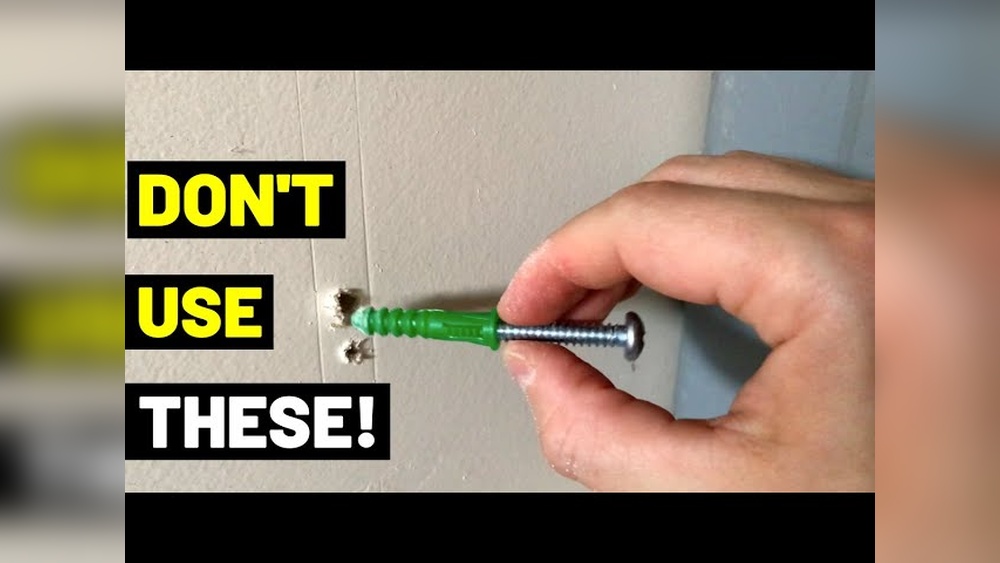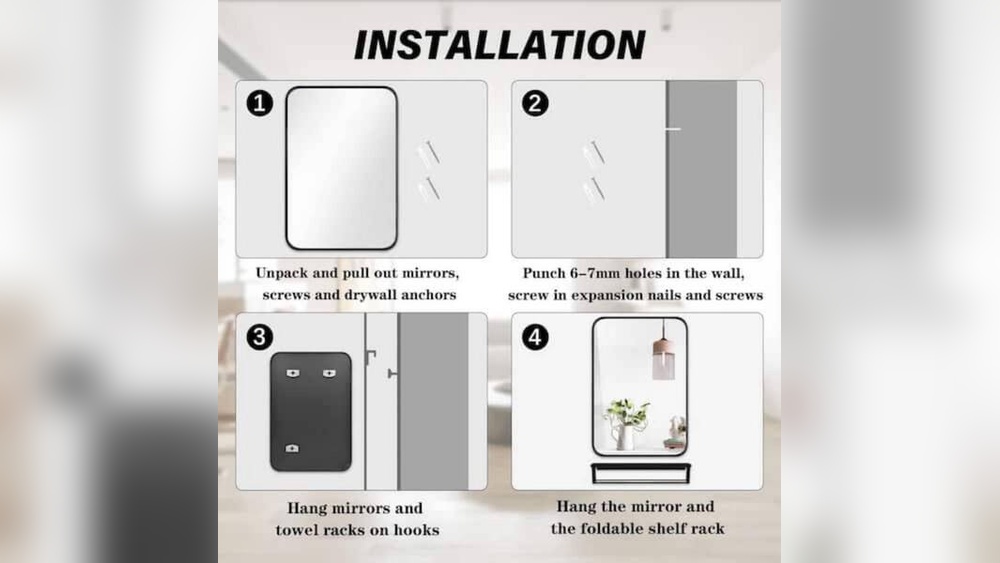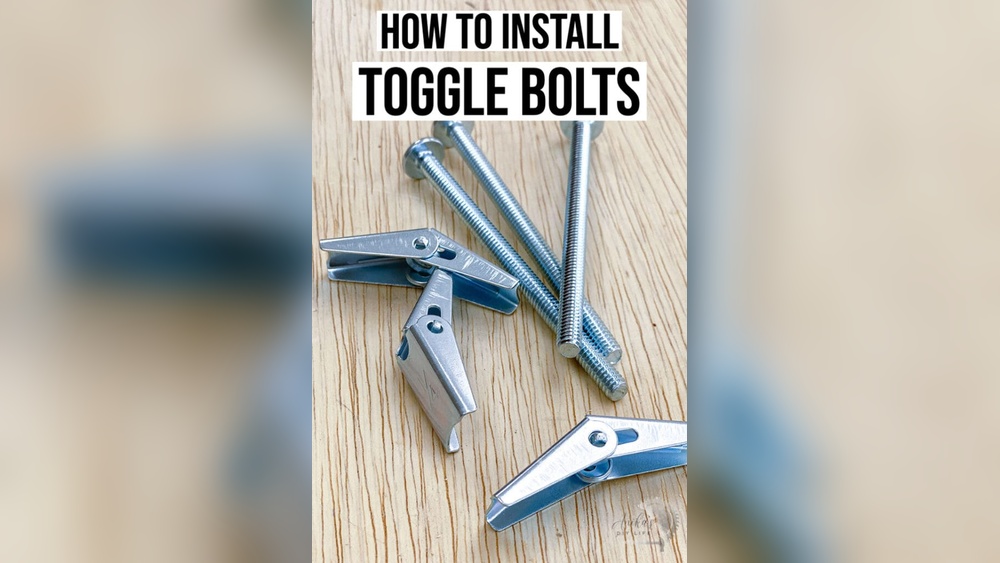
If you’ve ever tried hanging something heavy on your wall and worried it might fall, you’re not alone. Getting the right support is key, and that’s where toggle wall anchors come in.
They provide strong, reliable hold in drywall, even for heavier items. But how do you install one correctly? In this guide, you’ll learn simple, step-by-step instructions to make sure your anchor is secure and your wall stays damage-free. Keep reading, and by the end, you’ll feel confident tackling your next wall project like a pro.
Credit: www.do-it-yourself-help.com
Tools And Materials Needed
Installing a toggle wall anchor requires specific tools and materials. Having the right items makes the job easier and safer. Knowing what to use helps avoid mistakes and saves time. Below are the key tools and types of toggle wall anchors needed for a smooth installation.
Types Of Toggle Wall Anchors
Toggle wall anchors come in several types. The most common are spring toggle anchors and snap toggle anchors. Spring toggle anchors have metal wings that open inside the wall. Snap toggle anchors use a plastic strap and metal bar that lock in place. Choose the right type based on the wall material and weight load. Each type fits different wall thicknesses and holds different weights.
Essential Tools For Installation
To install toggle wall anchors, gather these tools. A drill with the correct drill bit size is necessary. A screwdriver or a drill with a screwdriver bit will help tighten screws. A tape measure ensures accurate placement. A pencil marks the drilling spots. A level keeps the installation straight. Safety glasses protect your eyes during drilling. Having these tools ready makes the process smooth and safe.
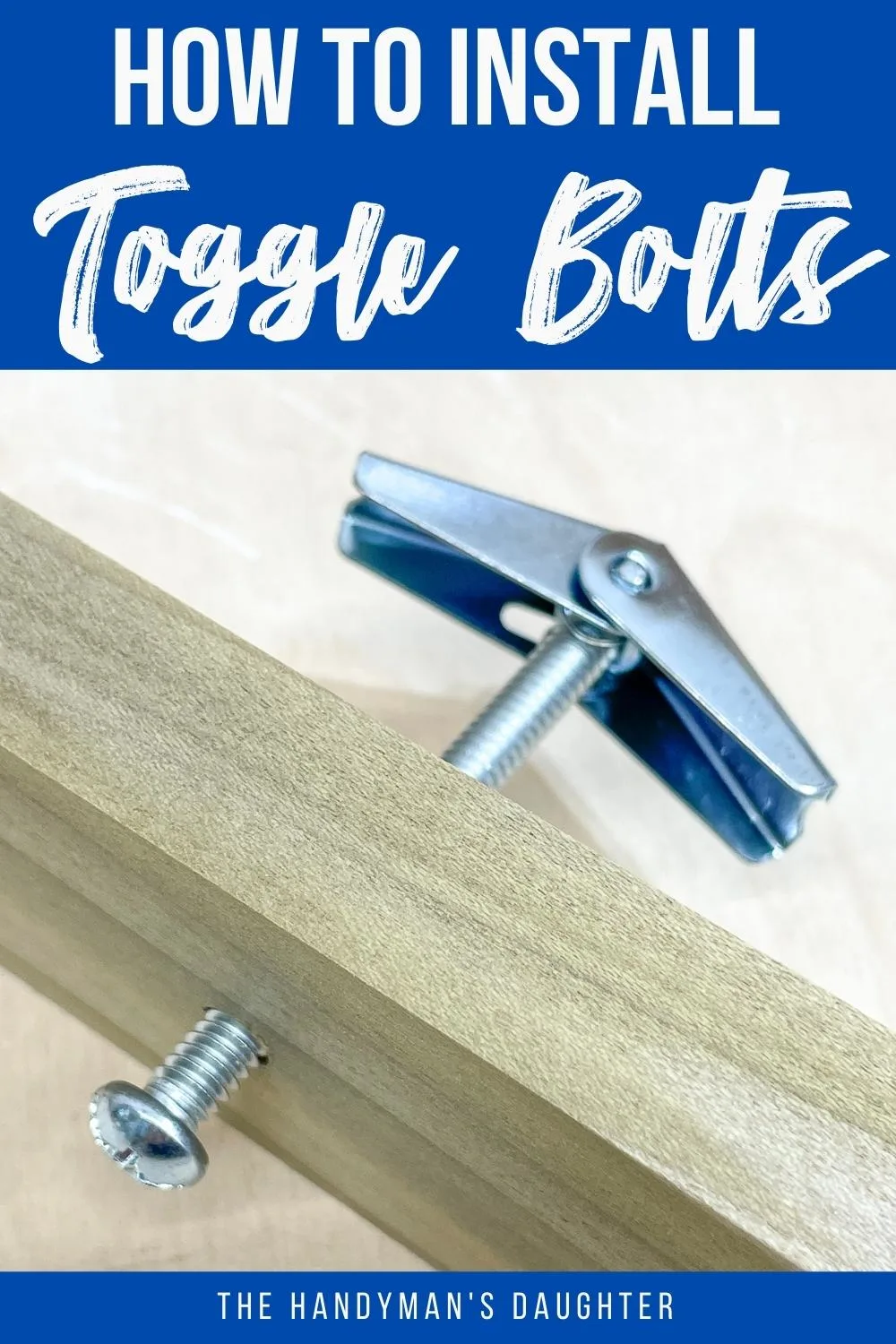
Credit: www.thehandymansdaughter.com
Preparing The Wall
Preparing the wall is an important step before installing a toggle wall anchor. Proper preparation helps the anchor hold securely and prevents damage to the wall. Taking time to prepare ensures the installation is strong and safe.
Choosing The Right Location
Select a spot on the wall that can support the weight. Avoid areas with pipes or electrical wires. Use a stud finder to check for hidden obstacles. Pick a spot with enough space around for the toggle to open fully behind the wall.
Marking The Drill Spot
Mark the exact point where you will drill. Use a pencil for clear, easy-to-see marks. Measure carefully to align with your item’s mounting holes. Double-check the spot before drilling to avoid mistakes. Accurate marking helps the anchor fit perfectly.
Drilling The Hole
Drilling the hole is a key step in installing a toggle wall anchor. A clean, properly sized hole ensures the anchor fits well and holds strong. Take your time to prepare and drill carefully. This helps avoid damage to the wall and makes the installation easier.
Selecting The Drill Bit Size
Choose a drill bit that matches the size of your toggle anchor. The package usually shows the right drill bit size. Using a bit too small or too large can cause problems. Too small, and the anchor won’t fit. Too large, and it won’t hold tightly. Check the anchor instructions for the exact size before drilling.
Drilling Tips For Clean Holes
Use a drill with steady speed to avoid cracking the wall. Keep the drill straight to make a clean, round hole. Stop drilling as soon as you reach the correct depth. Remove dust from the hole with a brush or air blower. This clears the space for the anchor to fit snugly. Clean holes help anchors grip better and last longer.
Installing The Toggle Anchor
Installing a toggle wall anchor is a simple process that provides strong support for heavy items. This anchor expands behind the wall, creating a secure hold. Follow each step carefully to ensure a safe and lasting installation.
Inserting The Anchor
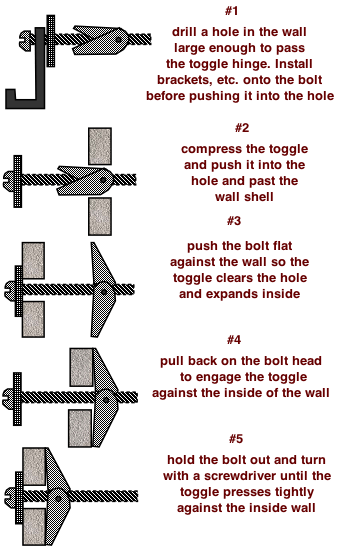
Start by drilling a hole in the wall. The hole size should match the anchor size. Insert the toggle anchor folded into the hole. Push it gently until it passes through the wall. The toggle wings will open inside the wall cavity.
Securing The Toggle Mechanism
Pull the anchor back until the wings rest flat against the inside of the wall. Hold the anchor steady and tighten the screw slowly. This pulls the wings tight to the wall, locking the anchor in place. Do not overtighten to avoid damage. Once tight, the anchor is ready to hold weight securely.
Attaching The Fixture
Attaching the fixture to the wall with a toggle anchor is a key step. It holds your item firmly and safely. Take care during this process to avoid damage or loose fittings.
Aligning The Fixture
Place the fixture so its holes match the anchor screws. Check the position twice before tightening. Proper alignment prevents stress on the anchor and wall. Hold the fixture steady to keep it in place.
Tightening The Screw Properly
Use a screwdriver to turn the screw slowly. Tighten until you feel resistance, but do not over-tighten. Too much force can break the anchor or damage the wall. The fixture should be snug and not move.
Testing The Support
Testing the support of a toggle wall anchor is important. It ensures the anchor holds the weight and stays secure. This step helps avoid accidents and damage to your wall or items hung.
Checking Stability
Start by gently pulling on the mounted object. Check for any movement or looseness. The anchor should hold firm without shifting.
Try pushing and pulling from different angles. This tests the anchor’s grip in all directions. If the item stays steady, the anchor is stable.
Troubleshooting Common Issues
If the anchor feels loose, remove the object carefully. Check if the toggle wings fully opened behind the wall. Sometimes they do not expand correctly.
Try tightening the screw slowly. Over-tightening can damage the wall or anchor. If the anchor still fails, consider using a larger size or different type.
Tips For Stronger Hold
Getting a strong hold with toggle wall anchors is key for safety and durability. Small details affect how well the anchor grips inside the wall. Follow these tips to make sure your toggle anchors hold tight and last long.
Choosing The Right Anchor Size
Pick an anchor size that fits the weight of your item. Heavy objects need bigger anchors. Measure the hole size and wall thickness before buying anchors. Using too small an anchor can cause it to fail. Too large can damage the wall or make installation hard.
Avoiding Common Mistakes
Drill the hole carefully and straight. A crooked hole weakens the hold. Do not force the anchor if it does not fit easily. Make sure the toggle fully opens behind the wall. Pull the anchor gently to test if it is secure before hanging the item. Avoid over-tightening screws, which can break the anchor or wall.

Credit: diy.stackexchange.com
Frequently Asked Questions
What Tools Are Needed To Install A Toggle Wall Anchor?
You need a drill, drill bit, screwdriver, tape measure, and the toggle wall anchor itself. These tools ensure precise and secure installation.
How Do Toggle Wall Anchors Support Heavy Loads?
Toggle anchors spread the load behind the wall, increasing holding strength. Their wings open inside the wall for strong support.
Can Toggle Wall Anchors Be Used In Drywall?
Yes, toggle wall anchors work well in drywall. They provide better grip than standard anchors for hanging heavy items.
How To Choose The Right Size Toggle Wall Anchor?
Select a toggle anchor based on wall thickness and item weight. Larger anchors hold more weight and fit thicker walls.
Conclusion
Installing a toggle wall anchor is simple with the right steps. Drill a hole, insert the anchor, and tighten the screw carefully. This method holds heavy items securely on drywall. Taking time to follow instructions ensures a strong, safe mount.
Use the right tools and anchors for your wall type. Now, you can hang shelves, mirrors, or decorations with confidence. Small effort leads to big results. Try it yourself and see how easy it is.