Hanging a mirror on your wall might seem simple, but getting it just right can transform your entire room. If you want your mirror to stay secure and look perfect, using hooks is one of the best ways to do it.
In this guide, you’ll discover easy steps that anyone can follow, even if you’ve never hung a mirror before. By the end, you’ll have the confidence to hang your mirror safely and stylishly, making your space feel brighter and more open.
Ready to get started? Let’s dive in!
Credit: www.hometalk.com
Choosing The Right Hooks
Choosing the right hooks is important for hanging a mirror safely and securely. The right hooks hold the mirror firmly and protect your wall from damage. Picking hooks that match your mirror’s size and weight makes the process easier. This guide helps you find the best hooks for your mirror.
Types Of Hooks For Mirrors
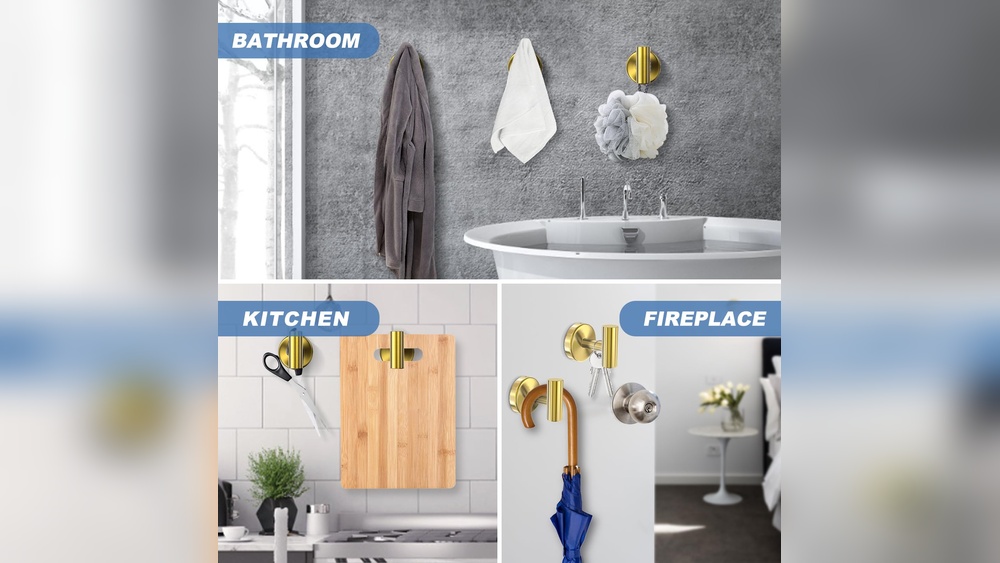
There are several hook types for mirrors. D-ring hooks are common and easy to use. They attach to the mirror frame and hang on wall hooks. Sawtooth hooks offer simple hanging but suit only small mirrors. Keyhole hooks provide a flush look and strong hold. Heavy-duty hooks work well for large, heavy mirrors. Choose hooks based on your mirror’s design and weight.
Weight Capacity Considerations
Check the weight of your mirror before picking hooks. Hooks have weight limits, so choose ones that hold more than your mirror weighs. Using hooks with low weight capacity risks the mirror falling. For heavy mirrors, use multiple hooks or special heavy-duty anchors. Always follow the hook’s weight guidelines to keep the mirror secure.
Material And Finish Options
Hooks come in different materials like metal, plastic, and stainless steel. Metal hooks are strong and last long. Plastic hooks suit lightweight mirrors and avoid wall damage. Finishes vary from brass to chrome and black. Pick a finish that matches your room’s style. Good materials and finishes help hooks blend with your decor and stay durable.

Credit: diy.stackexchange.com
Selecting The Perfect Spot
Selecting the perfect spot for your mirror is important. The right place enhances your room’s look and function. It helps the mirror reflect light well and fits the space. Careful choice avoids damage to walls and keeps your mirror safe.
Think about size, light, and wall condition before hanging the mirror. This makes sure the mirror looks good and stays secure for a long time.
Measuring Wall Space
Measure the wall area where you want to hang the mirror. Use a tape measure to check width and height. Compare these numbers with your mirror’s size. Leave some space around the mirror so it doesn’t look crowded. Mark the spot lightly with a pencil. This helps place hooks in the right position.
Considering Lighting And Reflection
Pick a wall that catches natural or artificial light. Mirrors brighten rooms by reflecting light. Avoid places with direct sunlight to stop glare. Check what the mirror will reflect. Choose a view you want to see or a blank wall. This makes the room feel bigger and brighter.
Avoiding Obstacles And Damage
Look for any obstacles like switches or shelves on the wall. Avoid hanging the mirror where it may hit doors or furniture. Check the wall for cracks or weak spots. Strong, flat walls hold hooks better. Use proper hooks to protect the wall and keep your mirror safe.
Gathering Tools And Materials
Before hanging a mirror on your wall using hooks, gather all necessary tools and materials. This step ensures a smooth and safe installation. Having everything ready saves time and avoids frustration.
Essential Tools List
- Measuring tape to check space and alignment
- Pencil for marking the wall
- Level to ensure the mirror hangs straight
- Drill or screwdriver for securing hooks
- Wall hooks suitable for your mirror’s weight
- Stud finder to locate wall studs (optional but helpful)
Safety Gear Recommendations
- Safety glasses to protect your eyes from dust
- Gloves for better grip and hand protection
- Dust mask if drilling into drywall or plaster
- Closed-toe shoes to protect feet during installation
Preparing The Wall
Preparing the wall is the first step to hanging a mirror securely. A clean, stable surface keeps the mirror safe and looks neat. Taking time to prepare prevents damage and ensures the mirror stays in place.
Cleaning The Surface
Remove dust and dirt from the wall. Use a damp cloth or mild cleaner for best results. Let the wall dry completely before moving forward. A clean surface helps hooks stick better and last longer.
Locating Studs Or Using Anchors
Find wall studs with a stud finder or by tapping the wall. Hooks placed in studs hold more weight. If no studs are nearby, use wall anchors. Anchors support hooks in drywall and keep the mirror secure.
Marking Hook Placement
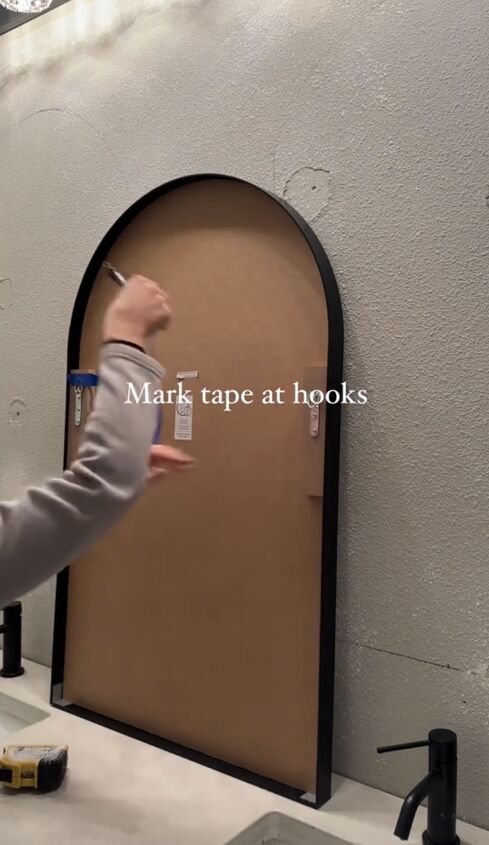
Measure the mirror’s hanging points carefully. Mark these spots on the wall with a pencil. Double-check the marks to ensure the mirror will hang straight. Proper marking makes hanging easier and more precise.
Installing The Hooks
Installing the hooks is a key step to hang a mirror securely on your wall. It needs careful attention to keep the mirror safe and steady. This section guides you through drilling pilot holes, securing hooks firmly, and double-checking alignment.
Drilling Pilot Holes
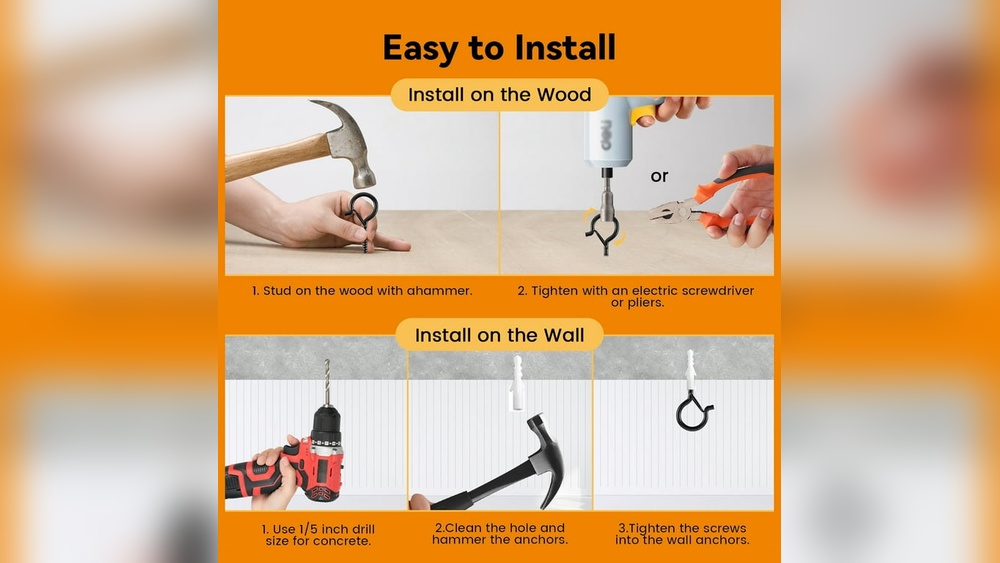
Start by marking where the hooks will go on the wall. Use a pencil to make small dots. Choose a drill bit slightly smaller than the screw size. Drill straight into the marked spots. Pilot holes help prevent wall damage. They make inserting screws easier and stronger.
Securing Hooks Firmly
Place the hooks on the pilot holes. Use screws that fit your hooks well. Tighten screws with a screwdriver until hooks feel solid. Avoid over-tightening; it may damage the wall or hooks. The hooks must hold the mirror’s weight without moving.
Double-checking Alignment
Use a level tool to check hook positions. Make sure both hooks are at the same height. Uneven hooks cause the mirror to hang crooked. Adjust screws slightly if needed. Confirm the hooks are secure before hanging the mirror.

Credit: www.amazon.ca
Hanging The Mirror
Hanging a mirror on the wall with hooks is a simple and effective way to decorate any room. It gives your space a fresh look and adds depth. This process involves a few clear steps to make sure your mirror stays safe and looks great.
Positioning The Mirror On Hooks
Start by holding the mirror close to the wall. Align the hooks on the back of the mirror with the wall hooks. Gently place the mirror onto the wall hooks. Make sure the hooks catch firmly to avoid slipping.
Ensuring Stability And Level
Check if the mirror feels secure on the hooks. Give it a light push to test its hold. Use a level tool to see if the mirror is straight. Adjust the hooks slightly if the mirror tilts.
Adjusting For Perfect Placement
Step back and look at the mirror from different angles. Move it a little to find the best position. Make sure it reflects the right area of the room. Small shifts can make a big difference in appearance.
Maintaining Mirror Safety
Hanging a mirror on the wall with hooks adds style and space. Keeping it safe is very important. A loose hook or weak wall can cause the mirror to fall. This can lead to damage or injury. Maintaining mirror safety helps protect your home and family. Simple checks and care can keep your mirror secure for years.
Regular Hook And Wall Checks
Check the hooks often to ensure they hold tight. Look for any signs of rust or bending. Test the hook by gently pulling it. The wall must be strong and dry. Look for cracks or soft spots in the wall. Loose hooks or weak walls need fixing fast. Replace damaged hooks immediately. Tighten screws or anchors as needed. These small steps stop accidents before they start.
Preventing Damage And Accidents
Place mirrors away from busy areas to avoid knocks. Use the right type of hook for your mirror weight. Avoid hanging heavy mirrors on weak walls. Soft drywall needs special anchors or braces. Don’t hang mirrors near doors that slam or windows that open wide. Keep the area clear of toys or objects. Teach children not to touch or pull on mirrors. These actions reduce the risk of falls and cracks. A safe mirror stays beautiful and functional longer.
Frequently Asked Questions
How Do I Choose The Right Hooks For Hanging A Mirror?
Select hooks based on your mirror’s weight and wall type. Use heavy-duty hooks for large mirrors. For drywall, use anchors for extra support. Always check the hook’s weight rating to ensure safety.
What Tools Do I Need To Hang A Mirror With Hooks?
You need a drill, screwdriver, measuring tape, pencil, level, and appropriate hooks. These tools help ensure precise placement and secure installation of your mirror on the wall.
Can I Hang A Mirror On Drywall Using Hooks?
Yes, but use wall anchors or toggle bolts with hooks. Drywall alone may not support heavy mirrors. Anchors distribute weight and prevent damage, ensuring the mirror stays securely in place.
How High Should I Hang A Mirror With Hooks?
Hang the mirror at eye level, typically 57 to 65 inches from the floor. Adjust height based on room function and furniture placement for best visual appeal and usability.
Conclusion
Hanging a mirror on the wall with hooks is simple and safe. Choose the right hooks and tools before starting. Measure carefully and mark where the hooks will go. Attach the hooks securely to avoid accidents. Hang the mirror and check it is level.
This method keeps your mirror stable and your wall damage-free. Try it yourself for a fresh look in any room. A little effort makes a big difference in home decor. Enjoy your new mirror setup with confidence and ease.