Are you looking to securely attach something to a masonry wall but aren’t sure where to start? Whether it’s hanging shelves, mounting a TV, or installing fixtures, knowing how to anchor into masonry is key to keeping your projects safe and sturdy.
In this guide, you’ll discover simple, step-by-step techniques that anyone can follow—no expert skills needed. Stick with me, and you’ll gain the confidence to tackle your masonry wall projects with ease and get the job done right the first time.
Types Of Masonry Walls
Anchoring to a masonry wall requires the right tools and materials for a strong hold. Using proper equipment helps avoid damage and ensures safety. Prepare everything before starting to work. This saves time and prevents mistakes.
Drills And Bits
A hammer drill works best for masonry walls. It breaks through hard surfaces easily. Use masonry drill bits made for concrete or brick. Choose the right size for your anchors. Sharp bits make clean holes and reduce effort.
Anchors And Fixings
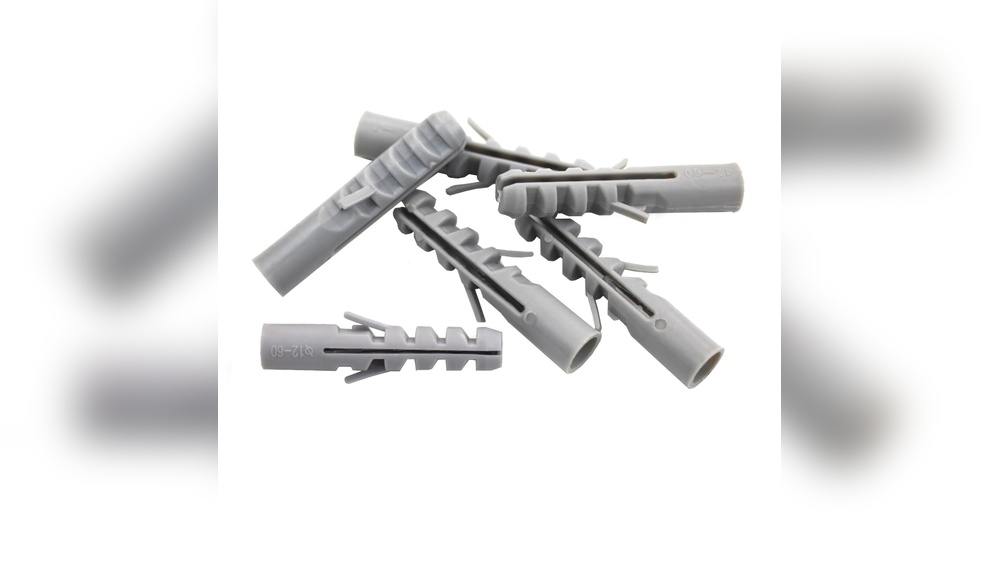
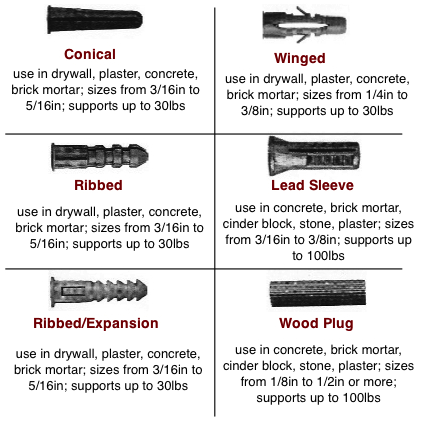
Select anchors designed for masonry walls. Common types include sleeve anchors, wedge anchors, and plastic wall plugs. Match anchor size with the load you expect. Fixings should hold tight without cracking the wall. Check package instructions for correct use.
Safety Equipment
Wear safety goggles to protect your eyes from dust and debris. Use gloves to protect your hands from sharp edges. A dust mask helps avoid breathing in harmful particles. Hearing protection is important when drilling loud holes.
Credit: heckmannbuildingprods.com
Choosing The Right Anchor
Preparing the wall surface is the first step to anchor securely to a masonry wall. A clean and stable surface ensures the anchors hold tight. Taking time to prepare helps avoid mistakes and weak fixing.
Cleaning The Area
Remove dust, dirt, and loose materials from the wall. Use a brush or vacuum to clear the surface. A clean area improves anchor grip and prevents slipping.
Marking Drill Points
Measure and mark exact spots for drilling holes. Use a pencil or chalk to make clear marks. Accurate points ensure the anchors fit properly and hold weight well.
Checking Wall Integrity
Examine the wall for cracks or weak spots near drill marks. Tap gently to listen for hollow sounds. Avoid damaged areas to keep the anchor strong and safe.
Tools And Materials Needed
Installing anchors correctly is key to a strong hold on masonry walls. Proper installation ensures safety and durability. Each anchor type needs a specific approach. Follow simple steps to get it right every time.
Inserting Mechanical Anchors
Start by drilling a hole the right size for the anchor. Clean the hole from dust using a brush or air blower. Insert the mechanical anchor firmly into the hole. Tighten the bolt or screw to expand the anchor. This expansion locks it inside the wall. Check that the anchor holds tightly before adding weight.
Applying Chemical Anchors
Drill a clean hole slightly deeper than the anchor length. Remove all dust with a brush or compressed air. Inject the chemical resin into the hole from the back. Insert the threaded rod or rebar into the resin-filled hole. Turn the rod slowly to spread resin evenly. Let the resin cure fully before applying load. This creates a strong bond inside the wall.
Setting Plastic Anchors
Drill a hole that fits the plastic anchor snugly. Clear dust and debris from the hole. Push the plastic anchor fully into the hole until flush. Drive a screw into the plastic anchor. The anchor expands and grips the wall securely. Avoid over-tightening to prevent anchor damage.
Preparing The Wall Surface
Ensuring strong fixings is key to anchoring safely into a masonry wall. Properly secured anchors keep structures steady and safe. Poor fixings can cause damage or accidents. Follow clear steps to check and secure your anchors.
Tightening Bolts And Screws
Start by tightening bolts and screws firmly. Use the right tools for the job. Avoid over-tightening; it can crack the wall or strip threads. Tighten just enough to hold parts tight without damaging the masonry. Check each bolt or screw one more time after initial tightening.
Load Testing Methods
Test the anchor’s strength by applying a load. Use a weight or pull tool to simulate stress. Watch for any movement or loosening. Small shifts mean the anchor needs adjustment or replacement. Repeat testing after making changes to confirm strength.
Signs Of Secure Anchoring
Look for no wobbling or loose parts. Anchors should stay firmly in place under pressure. No cracks or damage around the anchor point. Check for rust or wear that may weaken the fixing. Secure anchors offer confidence in your masonry work.
Drilling Into Masonry
Anchoring to a masonry wall has its share of difficulties. These challenges can slow down your project or cause weak fixtures. Understanding common problems helps you find the right fixes fast. This section covers key issues and simple solutions for a solid hold.
Dealing With Crumbling Masonry
Crumbling masonry weakens the wall’s grip. Anchors may not hold well in loose or falling bricks. To solve this, remove loose material first. Use a wire brush or chisel to clear dust and debris. Choose anchors designed for damaged masonry, like sleeve anchors. Apply a strong epoxy or mortar to fill gaps. Let it dry before inserting anchors. This improves stability and grip.
Handling Uneven Surfaces
Uneven masonry surfaces cause anchor misalignment. This can make fittings unstable or crooked. Start by cleaning the surface for better contact. Use a level to mark anchor spots carefully. Fill deep gaps with mortar to create a flat base. Select adjustable anchors to fit irregular shapes. Tighten anchors gradually, checking alignment often. This ensures a secure and straight fixing.
Fixing In Hollow Walls
Hollow masonry walls lack solid backing. Anchors may slip or fail without support. Use hollow wall anchors, like toggle bolts or molly bolts. Drill a hole large enough for the anchor wings to open inside. Insert the anchor and tighten slowly to expand the wings. This creates a strong hold inside the cavity. Avoid heavy loads unless the wall is reinforced.

Credit: www.youtube.com
Installing Anchors Correctly
Maintaining and inspecting anchors in masonry walls is crucial for safety and durability. Regular care helps catch problems early. It also extends the life of the anchors and the wall. Neglect can lead to loose anchors or corrosion, causing damage or accidents. Follow simple steps to keep your anchors secure and strong.
Regular Checks
Check anchors often, at least twice a year. Look for cracks, rust, or movement around the anchor. Use a flashlight to see hidden spots. Tap gently near the anchor to hear hollow sounds. These may show damage inside the wall. Mark any issues found for quick repair.
Repairing Loose Anchors
Loose anchors weaken the wall’s hold. Tighten small loose anchors with a wrench. For bigger problems, remove the anchor carefully. Fill the hole with fresh mortar or epoxy. Insert a new anchor once the filler dries. Test the anchor’s strength before use.
Preventing Corrosion
Corrosion weakens metal anchors and causes failure. Use anchors made of stainless steel or galvanized metal. Apply rust-resistant coatings to existing anchors. Keep the wall dry and clean to reduce moisture. Avoid water leaks near the anchors. Regularly check for signs of rust and act fast.
Credit: www.do-it-yourself-help.com
Frequently Asked Questions
What Tools Do I Need To Anchor To A Masonry Wall?
You need a drill with masonry bits, anchors, screws, a hammer, and a screwdriver. Safety gear like gloves and goggles is essential. These tools ensure a secure and precise installation on masonry surfaces.
How Do I Choose The Right Anchor For Masonry Walls?
Select anchors based on wall type and load requirements. Common types include sleeve, wedge, and sleeve anchors. Match anchor size to screw size for optimal strength and durability.
Can I Anchor Heavy Objects To Masonry Walls Safely?
Yes, use heavy-duty anchors designed for load-bearing. Ensure proper drilling depth and anchor insertion. Follow manufacturer guidelines to avoid wall damage and ensure safety.
How Deep Should I Drill Holes For Masonry Anchors?
Drill holes slightly deeper than the anchor length. This allows for dust clearance and proper anchor seating. Depth accuracy prevents weak anchoring and improves stability.
Conclusion
Anchoring to a masonry wall is easier than it seems. Choose the right anchor for your wall type. Always drill carefully and clean the hole before inserting anchors. Tighten screws steadily to avoid damage. Check your work to ensure safety and strength.
Small steps lead to strong results. Practice makes perfect, so try on a scrap piece first. Stay patient and focused for best results. This simple guide helps you anchor with confidence and ease.