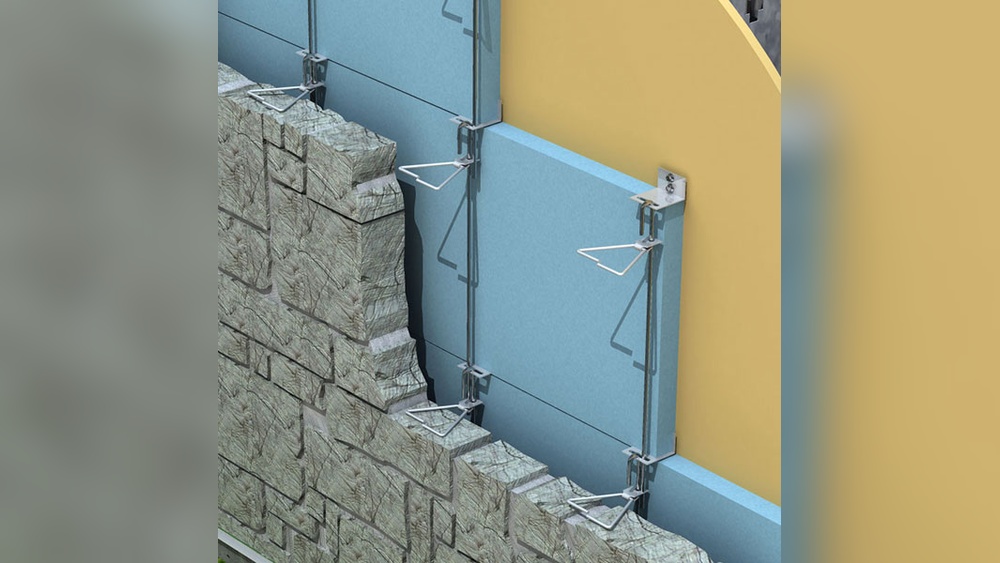
Building a stone wall that stands strong and lasts for years isn’t as hard as you might think. If you want your wall to stay put through rain, wind, and time, anchoring it properly is key.
In this guide, you’ll discover simple, step-by-step tips to anchor your stone wall like a pro. Whether you’re a beginner or just need a refresher, these easy techniques will save you time, money, and frustration. Ready to make your stone wall solid and secure?
Let’s get started.
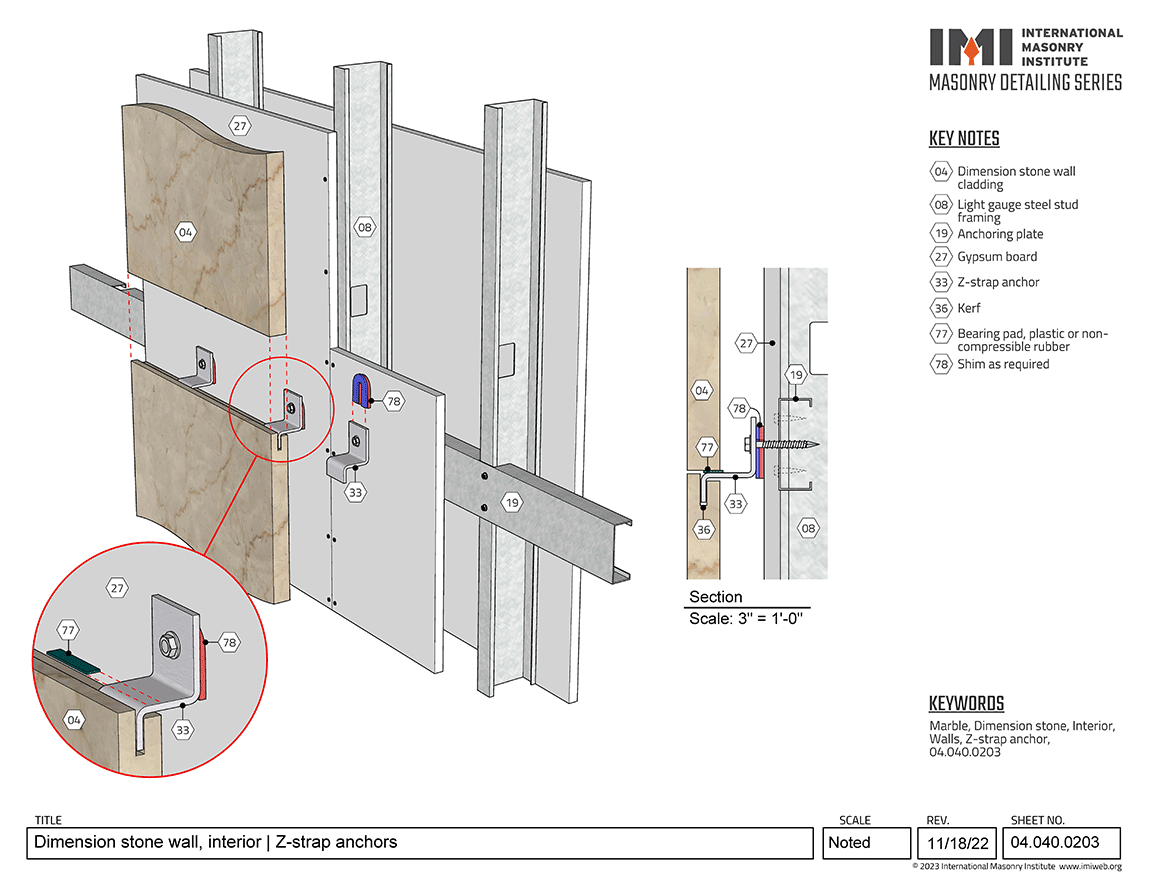
Credit: imiweb.org
Choosing The Right Materials
Choosing the right materials is key to building a strong stone wall. The materials affect the wall’s strength and how long it lasts. Pick stones, anchors, and mortar that work well together. This choice makes anchoring easier and the wall safer.
Types Of Stone For Walls
Different stones suit different walls. Granite is tough and lasts long. Limestone has a smooth look but is softer. Sandstone is easy to cut and shape. Choose stone based on your wall’s purpose and style. Natural stones blend well with outdoor spaces.
Selecting Durable Anchors
Anchors hold stones in place. Metal anchors like stainless steel resist rust. Plastic anchors are light but less strong. Choose anchors that fit stone size and wall type. Strong anchors stop stones from moving or falling.
Mortar And Adhesive Options
Mortar binds stones together. Cement mortar is common and strong. Lime mortar allows stone to breathe and lasts long. For quick fixes, use stone adhesive. The right mortar or adhesive keeps the wall stable and neat.
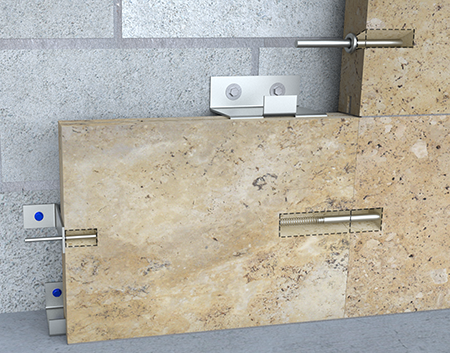
Credit: heckmannbuildingprods.com
Preparing The Site
Preparing the site is the first step in anchoring a stone wall. This stage sets the base for a strong and lasting structure. Proper preparation keeps the wall stable and safe.
Clearing And Leveling The Ground
Start by removing grass, roots, and debris from the wall area. Clear the ground to expose the soil underneath. Use a shovel or a hoe to dig out uneven spots. Level the ground by filling low areas with soil or sand. A flat surface helps stones sit firmly and prevents shifting.
Marking Wall Boundaries
Mark the wall’s outline using stakes and string. Place stakes at the corners and stretch string tightly between them. This shows where the wall will go and keeps it straight. Check measurements twice to avoid mistakes. Clear boundaries help maintain a neat and even wall.
Setting A Solid Foundation
Dig a trench along the marked line for the wall’s base. Make the trench deep and wide enough to hold the stones and support weight. Fill the trench with gravel or crushed stone. Compact it firmly to create a stable foundation. A solid base prevents the wall from leaning or breaking.
Anchoring Techniques
Anchoring techniques are essential to keep a stone wall strong and stable. These methods help the wall resist pressure from soil and weather. Proper anchoring prevents cracks and collapse. Below are some common ways to anchor a stone wall effectively.
Using Metal Anchors
Metal anchors are strong and easy to install. They connect the stone wall to a solid base or structure. Typically, steel rods or straps are used as anchors. These metal pieces are fixed deep into the ground or adjacent walls. Metal anchors add extra support to hold the stones in place.
Incorporating Deadman Anchors
Deadman anchors are buried supports that hold the wall back. They work by pushing against the soil behind the wall. Usually, a wooden or concrete block is used as the deadman. A strong wire or rod connects the deadman to the wall. This method helps keep the wall from leaning forward or falling.
Installing Geogrid Reinforcements
Geogrid is a synthetic material that strengthens soil near the wall. It is placed in layers between the stones and soil. The grid spreads the load evenly and prevents soil movement. Geogrid helps the wall hold heavy weight without shifting. This technique is common for tall or curved stone walls.

Credit: en.wikipedia.org
Building The Wall
Building a stone wall starts with careful planning and steady work. Each stone must fit well to create a strong, lasting structure. Focus on placing stones carefully and securing them properly. This ensures the wall stays in place for years.
Follow these steps to build your stone wall with confidence and care.
Laying Stones Properly
Choose stones that fit together like a puzzle. Place larger stones at the bottom for a solid base. Lay each stone flat to prevent wobbling. Avoid stacking stones too high without support. Take time to fit stones tightly. This reduces gaps and increases strength.
Aligning And Spacing
Keep stones aligned in even rows. Use a level to check each row’s straightness. Space stones evenly to keep the wall balanced. Leave small gaps for mortar to hold stones together. Consistent spacing helps the wall look neat and stable.
Securing Stones With Mortar
Mix mortar to a thick, spreadable consistency. Apply mortar between stones to lock them in place. Fill all gaps fully to prevent movement. Use a trowel to smooth mortar joints. Let the mortar dry completely before adding more stones.
Ensuring Long-term Stability
Ensuring long-term stability is key to a strong stone wall. A well-anchored wall stays solid against weather and time. Careful planning and regular care help keep it safe. Focus on proper drainage, consistent checks, and fixing problems early.
Drainage Solutions
Water can damage stone walls by pushing stones out of place. Good drainage stops water from building up behind the wall. Use gravel or small rocks behind the wall to let water flow. Install drainage pipes to direct water away from the base. Keep soil sloped to move water away from the wall’s foundation.
Regular Inspection And Maintenance
Check your stone wall often for loose or cracked stones. Look for signs of soil movement or bulges in the wall. Tighten or replace stones that have shifted. Clean out debris and plants growing near the wall. Small repairs prevent big problems later.
Addressing Common Issues
Cracks and leaning are signs of trouble in stone walls. Fix cracks by filling gaps with mortar or new stones. Straighten leaning sections by resetting stones and improving support. Remove invasive plants that weaken the wall’s structure. Act quickly to avoid costly damage.
Safety Tips And Best Practices
Building a stone wall can be hard work. Safety is very important to avoid injuries and problems. Follow these tips and practices to stay safe and work well.
Handling Heavy Stones Safely
Heavy stones can cause injury if not handled right. Lift with your legs, not your back. Keep your back straight and bend your knees. Use help from another person for very large stones. Move slowly and carefully to avoid dropping stones. Take breaks often to avoid getting tired.
Using Proper Tools
Use the right tools for the job. A sturdy wheelbarrow helps move stones easily. Use shovels and crowbars to lift and place stones. Make sure tools are in good condition before use. Avoid using broken or damaged tools. Proper tools make work faster and safer.
Protective Gear Recommendations
Wear gloves to protect your hands from sharp edges. Safety boots protect your feet from heavy stones and tools. Wear a hard hat if stones might fall from height. Use safety glasses to protect your eyes from dust and chips. Dress in long sleeves and pants to avoid scratches.
Frequently Asked Questions
What Materials Are Best For Anchoring A Stone Wall?
Use stainless steel or galvanized metal anchors for durability. These resist rust and provide strong support. Choose anchors compatible with your stone type and wall structure to ensure long-lasting stability.
How Deep Should Stone Wall Anchors Be Installed?
Anchors should be embedded at least 4 to 6 inches into the stone. This depth ensures a firm hold and prevents shifting. Proper depth depends on wall thickness and soil conditions for optimal stability.
Can I Anchor A Stone Wall Without Mortar?
Yes, dry stone walls can be anchored using metal ties or pins. These hold stones together while allowing natural movement. Anchoring without mortar requires precise stone placement and secure fastening methods.
How Often Should Anchors Be Placed In A Stone Wall?
Place anchors every 2 to 3 feet horizontally and vertically. Regular spacing distributes weight evenly and prevents wall movement. Adjust anchor placement based on wall height and environmental stresses for best results.
Conclusion
Anchoring a stone wall keeps it strong and safe. Use the right tools and follow steps carefully. Check the wall often for any signs of wear. Fix problems early to avoid bigger issues later. A well-anchored wall lasts many years.
Take your time and work with care. Your garden or yard will look neat and sturdy. This simple task helps your stone wall stand firm. Give your wall the support it needs today.


