Are you struggling to find the right wall anchor size for your screws? Choosing the correct size can be confusing, but it’s crucial for keeping your shelves, pictures, or hooks safely mounted.
If your anchor is too small, it won’t hold; too big, and it won’t fit properly. You’ll discover simple, clear steps to match your wall anchor perfectly with your screw size. By the end, you’ll feel confident tackling any project without worrying about your anchors failing.
Keep reading to learn how to get it right every time.
Choosing The Right Wall Anchor
Choosing the right wall anchor is key to securing items safely. The correct anchor supports the weight and fits the screw size. Picking the wrong anchor can cause damage to your wall. It may also fail to hold the item properly. Understanding different types and materials helps make the right choice. This section breaks down what you need to know.
Types Of Wall Anchors
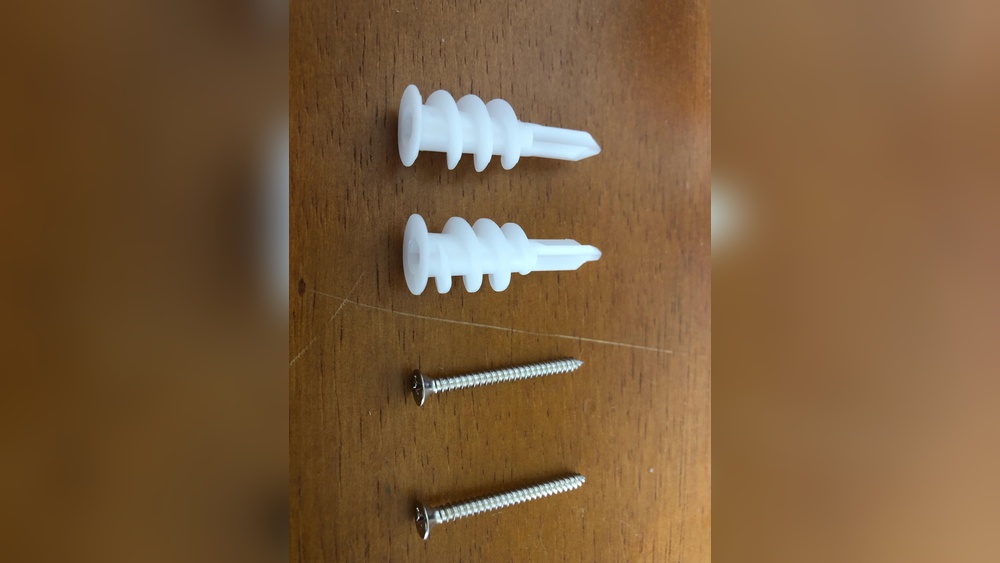
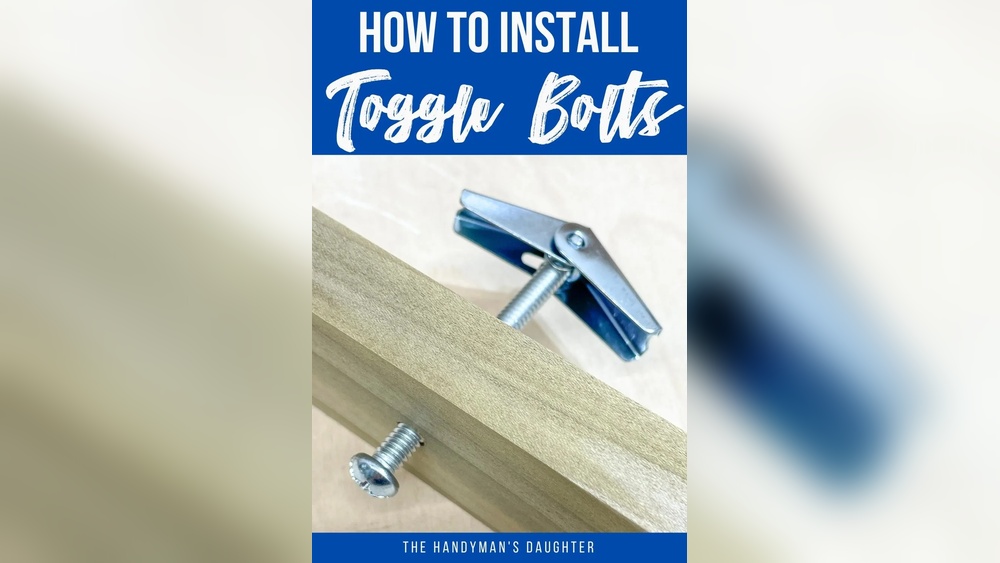
There are several types of wall anchors. Plastic expansion anchors work well for lightweight items. They expand when a screw is inserted, gripping the drywall. Toggle bolts offer strong support for heavier loads. They have wings that open inside the wall for extra hold. Molly bolts are metal anchors that expand behind the wall. They provide a sturdy hold in drywall and plaster. Choose an anchor type that matches your wall and load needs.
Anchor Material Options
Wall anchors come in different materials for different uses. Plastic anchors resist moisture and are good for light to medium weight. Metal anchors are stronger and better for heavier items. Zinc and steel are common metals used. Steel anchors resist corrosion and last longer. Nylon anchors offer flexibility and some strength. Match the anchor material with your wall type and screw size. This helps ensure a secure and lasting hold.
Credit: www.thehandymansdaughter.com
Matching Anchor Size To Screw Size
Matching the right wall anchor size to your screw size ensures a strong hold. The anchor must fit the screw snugly to avoid slipping or damage. This section explains how to measure and select the correct anchor size based on your screw.
Measuring Screw Diameter
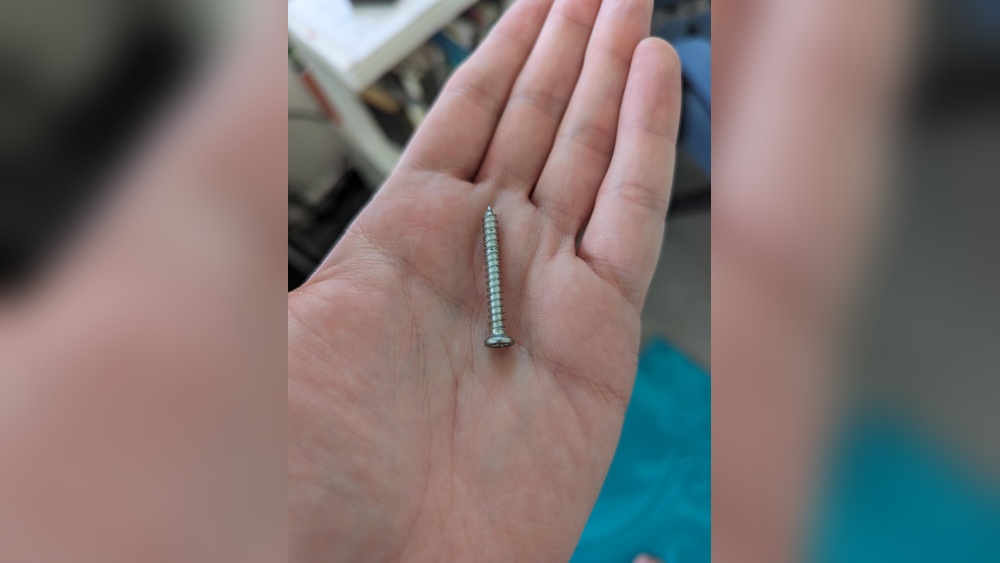
Start by measuring the screw’s diameter. Use a ruler or caliper for accuracy. Measure across the widest part of the screw threads. This measurement is often labeled as the screw size on packaging. Knowing this size helps pick the right anchor diameter.
Anchor Diameter Guidelines
The anchor diameter should closely match the screw diameter. Choose an anchor slightly larger than the screw’s diameter for a tight fit. Too small an anchor won’t hold the screw properly. Too large an anchor may not expand correctly. Follow the anchor package guidelines for best results.
Length Considerations
Anchor length depends on wall thickness and screw length. The anchor should be long enough to hold securely inside the wall. The screw should fit inside the anchor without sticking out. For thicker walls, use longer anchors and screws. Proper length prevents loosening and ensures strong support.
Weight Capacity And Load Factors
Understanding weight capacity and load factors is key to choosing the right wall anchor size for your screw. The weight your anchor must hold affects the size and type you select. Choosing the wrong anchor can cause damage or failure. This section explains how to judge weight needs and anchor strength for safe installation.
Determining Load Requirements
Start by figuring out the total weight your anchor will support. Include the item’s weight and any extra forces like pulling or pushing. Consider if the load is static or will move. Load requirements guide the size and type of anchor needed. Always estimate a little higher than the actual weight for safety.
Anchor Strength Ratings
Each wall anchor has a strength rating. This rating shows the maximum weight it can hold safely. Check the packaging or product details for this number. Match the anchor’s rating to your load needs. If unsure, pick an anchor with a higher rating than your load. This prevents accidents and ensures the anchor stays secure.
Installation Tips For Secure Anchoring
Proper installation of wall anchors is key to secure and lasting support. Small mistakes can cause anchors to fail or damage walls. Follow these tips to ensure a strong hold and prevent problems during installation.
Drilling Proper Hole Size
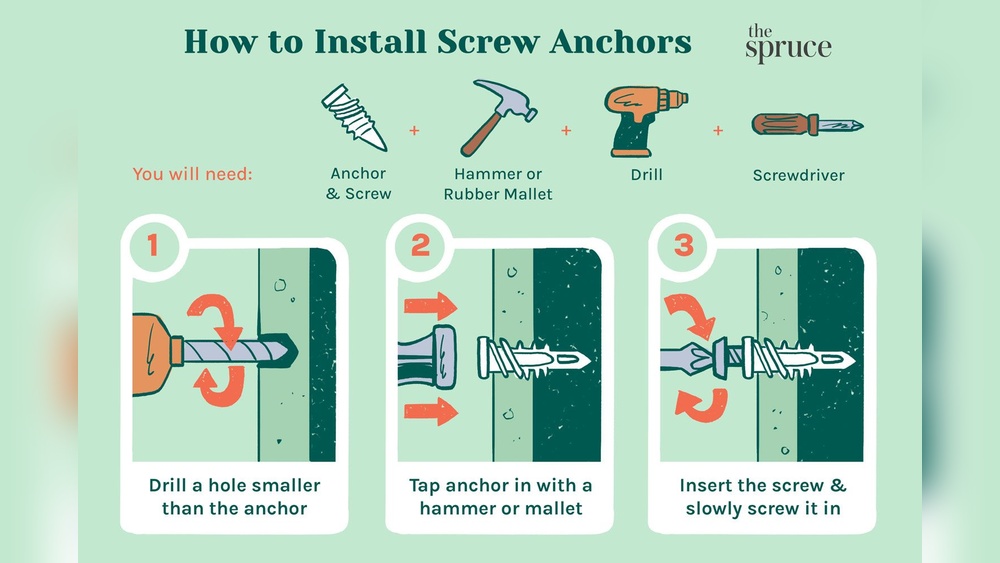
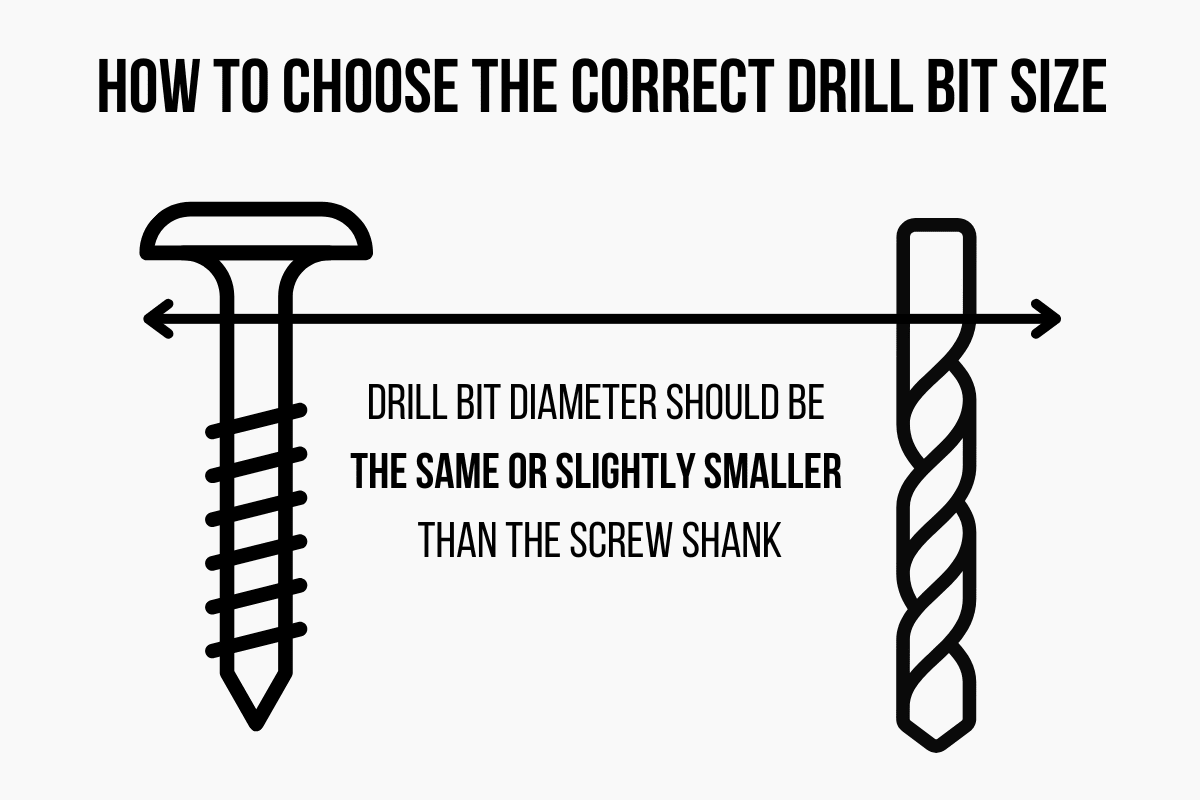
Use the correct drill bit size for the anchor. The hole should be slightly smaller than the anchor’s outer diameter. This helps the anchor fit tightly and hold firmly in the wall. Avoid drilling holes that are too large or too small. A loose fit weakens the hold. Test the anchor by gently pushing it into the hole. It should fit snugly without forcing.
Setting The Anchor Correctly
Insert the anchor fully into the hole. Tap it lightly with a hammer if needed. The anchor must sit flush with the wall surface. Do not overdrive the anchor; this can damage it or the wall. Once the anchor is set, insert the screw slowly. Tighten the screw until secure but avoid overtightening. Overtightening can strip the anchor or crack the wall.
Common Mistakes To Avoid
Choosing the right wall anchor size is key to a strong hold. Mistakes in size matching can cause damage or weak support. Avoid these common errors to keep your project safe and sturdy.
Using Mismatched Sizes
Do not pair a large screw with a small anchor. The anchor may crack or fail under pressure. A screw that is too small will slip out easily. Match the screw diameter to the anchor size exactly. Check packaging labels for size compatibility.
Ignoring Wall Material Differences
Different walls need different anchors. Drywall is soft and requires special anchors. Concrete or brick walls need stronger, heavy-duty anchors. Using the wrong anchor for your wall can cause holes or poor grip. Always identify your wall type before choosing anchors.

Credit: www.reddit.com
Quick Reference Charts
Quick reference charts save time and reduce mistakes when choosing wall anchors. They show clear matches between screw sizes and anchor sizes. This helps pick the right anchor fast. Charts also explain which anchors work best for different walls and weights. Using these charts makes your project safer and easier.
Screw To Anchor Size Chart
A screw to anchor size chart lists screw diameters alongside matching anchor sizes. For example, a 6 screw fits a 3/16 inch anchor. A 8 screw pairs with a 1/4 inch anchor. This chart prevents anchors that are too big or too small. Using the right pair keeps the screw tight and secure.
Each anchor size supports a range of screw lengths too. Check the chart to confirm your screw length fits the anchor depth. This avoids loose or weak holds in the wall.
Anchor Types And Uses
Charts often include anchor types and their uses. Plastic anchors suit light loads in drywall. Metal anchors hold heavier items and work in plaster or masonry. Toggle anchors spread load over a larger area for heavy objects. Each anchor type has a recommended screw size range listed.
Choosing the right anchor type and size helps keep shelves, pictures, and fixtures safe. The chart guides you on the best anchor for your wall type and project weight.

Credit: www.picturehangsolutions.com
Frequently Asked Questions
How Do I Match Wall Anchor Size To Screw Size?
Choose a wall anchor slightly larger than the screw diameter. Check the anchor packaging for compatible screw sizes. Proper matching ensures a secure hold and prevents wall damage.
What Happens If Screw Size And Anchor Size Differ?
Using a smaller anchor than screw size can cause splitting. A larger anchor may not grip well. Correct sizing ensures stability and safety.
Can I Use Any Screw With A Wall Anchor?
No, screws must fit anchor dimensions. Always check anchor recommendations. Proper fit ensures maximum holding strength and durability.
How To Measure Screw Size For Wall Anchors?
Measure the screw’s diameter with a caliper or ruler. Compare it to the anchor’s size chart. Accurate measurement prevents installation issues.
Conclusion
Choosing the right wall anchor size makes your project stronger. Match the anchor size closely with the screw size for best results. Too small anchors can fail, and too big ones may not fit. Always check package instructions for anchor and screw compatibility.
This simple step saves time and prevents damage. With careful selection, your wall will hold firm and safe. Small details like this matter a lot in DIY tasks. Keep it simple and measure well before drilling. Your work will last longer and stay secure.