Is your deadbolt lock sticking or hard to turn? You’re not alone, and the good news is that fixing it is easier than you might think.
Knowing how to lubricate your deadbolt lock properly can save you time, frustration, and even costly repairs. In this guide, you’ll discover simple steps to make your lock work smoothly again. Keep reading, and you’ll learn how a little maintenance can keep your home secure and your lock hassle-free.
Credit: h2obungalow.com
Signs Your Deadbolt Needs Lubrication
Knowing the signs that your deadbolt needs lubrication can save you from lock problems. Regular checks keep your lock working smoothly. Early attention stops bigger issues later.
Difficulty Turning The Key
The key feels hard to turn inside the lock. It may stick or resist your twist. This means the lock parts need oil. Lack of lubrication causes friction inside the lock.
Sticky Or Jammed Lock
The lock sometimes gets stuck or jams. You may need extra force to open or close it. Dirt and dust can build up, making the lock sticky. Lubrication helps clean and loosen the parts.
Unusual Noises During Operation
The lock makes strange sounds when you use it. Creaking, grinding, or squeaking noises are warning signs. These noises show that the lock parts rub without enough oil. Adding lubricant stops the noise and protects the lock.

Credit: www.wikihow.com
Choosing The Right Lubricant
Choosing the right lubricant is key to fixing a deadbolt lock. A good lubricant makes the lock smooth and stops it from sticking. The wrong type can cause damage or make the lock worse. This section explains the best types of lubricants for deadbolts. It helps you avoid common mistakes and find quality products.
Graphite Vs. Oil-based Lubricants
Graphite is a dry lubricant. It does not attract dust or dirt. This keeps the lock clean and working well for a long time. Graphite works best for locks because it does not gum up inside.
Oil-based lubricants are wet and thick. They can make the lock slippery at first. But they can also attract dust and dirt. This might cause the lock to jam after some time. Use oil-based lubricants only if the lock is very old or rusty.
Avoiding Wd-40 And Similar Products
WD-40 is not a true lubricant. It is mainly a cleaning spray and water repellent. It can clean the lock but does not lubricate well. Using WD-40 often makes locks stickier over time. Avoid using WD-40 or similar sprays on deadbolt locks.
Where To Buy Quality Lubricants
Buy lubricants from hardware stores or locksmith shops. These places have products made for locks. You can also find graphite powder or lock-specific oils online. Check product reviews to pick trusted brands. Avoid cheap or unknown products for the best results.
Preparing The Lock For Lubrication
Preparing the lock for lubrication is an important step. It helps the lubricant work better and last longer. A clean and clear lock allows smooth movement. Dirt and debris can block the lubricant, causing more problems.
Before you add any lubricant, make sure the lock is ready. This means cleaning and checking the lock carefully. Gather all the tools needed to avoid interruptions. Taking these steps saves time and protects your lock.
Cleaning The Keyhole
Start by cleaning the keyhole gently. Use a dry cloth or a small brush. Remove dust and loose dirt from the hole. Do not use water or liquid cleaners inside the keyhole. They can cause rust or damage.
Removing Dirt And Debris
Check for any stuck dirt or debris. Use a toothpick or a thin tool to clear the hole. Blow air into the keyhole to remove small particles. Make sure the lock looks clean before adding lubricant.
Gathering Necessary Tools
Collect all tools before starting the job. You will need lubricant spray, a cloth, and a small brush. A flashlight can help you see inside the lock. Having everything ready makes the process smooth and easy.
Step-by-step Lubrication Process
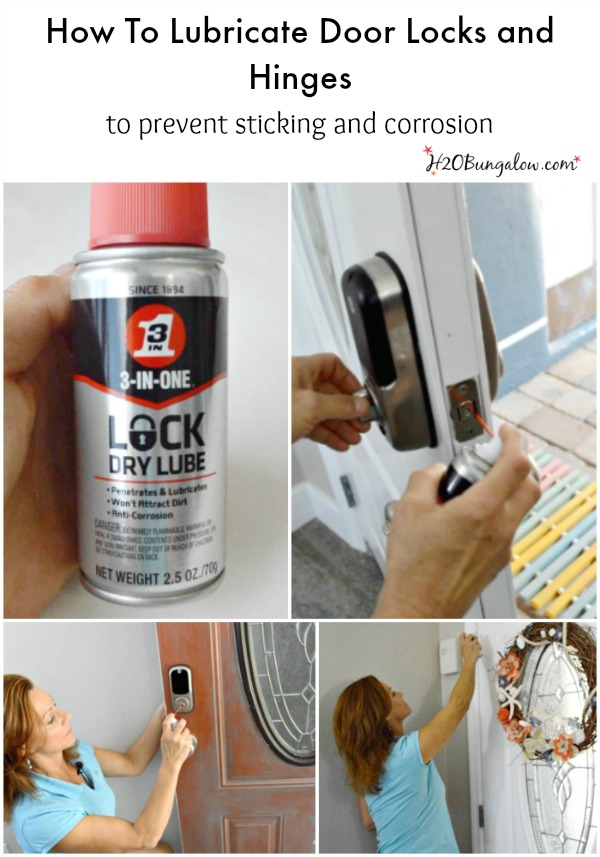
Lubricating a deadbolt lock is a simple task that can extend its life and keep it working smoothly. Follow these clear steps to apply lubricant correctly. This process helps prevent sticking and makes locking easier. Use a lubricant designed for locks, like graphite powder or silicone spray.
Applying Lubricant To The Key
Start by spraying a small amount of lubricant on the key. Cover the entire blade of the key evenly. This step ensures the lubricant reaches inside the lock cylinder. Wipe off any extra lubricant from the key with a clean cloth. This prevents mess and over-application.
Inserting And Turning The Key
Insert the lubricated key into the deadbolt lock slowly. Turn the key back and forth several times. This action spreads the lubricant inside the lock mechanism. It helps loosen any dirt or rust inside the cylinder. Do not force the key if it feels stuck.
Lubricating The Bolt And Internal Mechanism
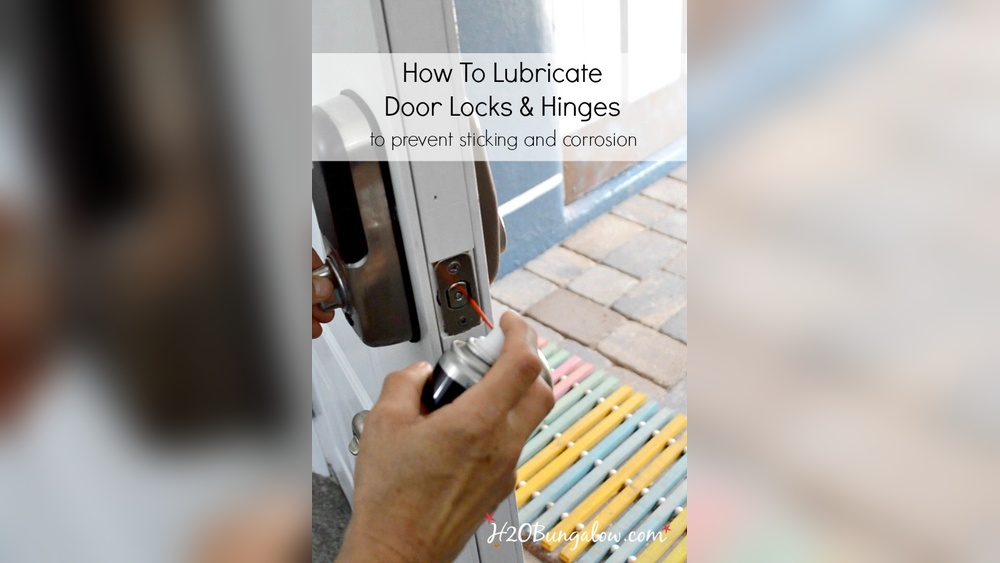
Spray lubricant directly into the bolt area through the keyhole or the side of the lock. Focus on moving parts inside the lock. Open and close the deadbolt several times to distribute the lubricant. Wipe off any excess lubricant from the lock’s surface. This keeps the lock clean and functional.
Post-lubrication Maintenance Tips
After lubricating your deadbolt lock, caring for it properly keeps it working smoothly. Small efforts prevent jams and damage. Follow these simple tips to maintain your lock’s health and ensure long-lasting security.
Regular Lubrication Schedule
Set a routine for oiling your deadbolt. Every six months is a good start. In areas with dust or humidity, check more often. Consistent care stops rust and dirt buildup. Mark your calendar to avoid forgetting this task.
Avoiding Over-lubrication
Too much lubricant can attract dust and clog the lock. Use only a small amount each time. Spray or apply gently to the keyhole and bolt. Wipe off any excess with a clean cloth. Less is more for smooth lock action.
Monitoring Lock Performance
Listen and feel when you turn the key. Notice any stiffness or unusual sounds. Test the lock regularly to catch problems early. If it feels sticky or hard to turn, clean and lubricate again. Quick fixes keep your lock reliable and safe.
Troubleshooting Common Lock Issues
Sometimes, lubricating a deadbolt lock does not fix all problems. Locks may still feel sticky or hard to turn after you add lubricant. Knowing how to solve these common issues can save time and effort.
Understanding the symptoms helps decide the next steps. Small fixes can work for many problems, but some issues need professional help. Here are tips for common lock troubles.
Lock Still Sticking After Lubrication
Lubricant may not reach all parts inside the lock. Dirt, dust, or rust can block the mechanism. Try spraying lubricant again and work the key in and out slowly. If the lock still sticks, cleaning it with a lock cleaner might help.
Check for damage or wear on the bolt or strike plate. Sometimes, the bolt may not align well with the door frame. Adjusting the strike plate can make the lock work smoother.
Key Won’t Turn Smoothly
A key that resists turning can mean the lock is dirty or worn out. Debris inside the lock can block key movement. Spray lubricant and gently wiggle the key to spread it inside.
Try using a different key if you have one. A bent or damaged key may cause problems. Avoid forcing the key, as it might break inside the lock.
When To Call A Locksmith
Call a locksmith if the lock still has issues after cleaning and lubricating. A professional can find hidden problems inside the lock. They have tools to fix or replace parts safely.
If the key breaks in the lock or the lock does not open at all, do not force it. Contact a locksmith to avoid damage to your door or lock.

Credit: www.youtube.com
Frequently Asked Questions
How Often Should I Lubricate A Deadbolt Lock?
Lubricate your deadbolt lock every six months for smooth operation. Frequent use or outdoor exposure may require more frequent lubrication. Regular maintenance prevents rust and wear, ensuring the lock functions properly and lasts longer.
What Type Of Lubricant Is Best For Deadbolt Locks?
Use graphite powder or silicone-based spray for deadbolt locks. Avoid oil-based lubricants like WD-40, as they attract dirt and gum up the mechanism. Graphite and silicone provide long-lasting lubrication without damaging lock components.
Can I Lubricate A Deadbolt Lock Without Removing It?
Yes, you can lubricate a deadbolt without removal. Insert lubricant into the keyhole and bolt mechanism directly. Turn the key several times to distribute the lubricant evenly inside the lock.
Why Is My Deadbolt Lock Sticky After Lubrication?
Sticky locks often result from using the wrong lubricant or over-application. Oil-based lubricants attract dust and grime, causing stickiness. Clean the lock and use graphite or silicone lubricant to restore smooth operation.
Conclusion
Keeping your deadbolt lock well-lubricated helps it work smoothly. Use the right lubricant and apply it carefully. Regular maintenance stops the lock from sticking or jamming. A simple step that saves you from costly repairs later. Check your lock every few months to keep it in good shape.
A little care goes a long way in home security. Stay safe by making lubrication part of your routine. Easy, quick, and effective.