Are you worried that your safe might be easy to steal or move? Anchoring your safe to a wall is one of the smartest ways to protect your valuables.
It stops thieves from carrying it away and gives you peace of mind. In this guide, you’ll learn simple, step-by-step tips to secure your safe quickly and effectively. By the end, you’ll know exactly how to keep your important items safe right where they belong.
Ready to make your safe truly secure? Let’s get started.
Choosing The Right Safe
Choosing the right safe is the first step in securing your valuables effectively. It is important to think about the type, size, and material of the safe. This helps you find a safe that fits your needs and can be anchored securely to the wall. A good safe protects your items from theft and damage.
Types Of Safes
There are several types of safes. Wall safes fit directly into a wall cavity. Floor safes are installed in the ground. Cabinet safes sit on the floor and are heavier. Each type offers different levels of security and convenience. Pick one that matches your space and protection needs.
Material And Build Quality
Strong material is key for a safe. Steel safes are popular because they resist cutting and drilling. Look for safes with thick walls and solid doors. A safe with good build quality will last longer and provide better protection. Avoid safes made of thin or weak metal.
Size And Weight Considerations
Size matters for what you want to store. Large safes hold more but are heavier and harder to move. Small safes fit in tight spaces but hold less. Weight helps prevent thieves from carrying the safe away. Choose a size and weight that fits your room and security needs.
Selecting The Wall Location
Choosing the right wall to anchor your safe is very important. The wall must hold the safe’s weight and keep it secure. It should also be easy to reach but not easy to spot. Picking the best spot ensures your safe stays stable and hidden.
Assessing Wall Strength
Check if the wall can hold the safe’s heavy weight. Concrete and brick walls are strong choices. Drywall alone is not strong enough. Look for solid studs behind the wall for extra support. Use a stud finder to locate these strong points.
Avoiding Hidden Utilities
Be careful of pipes and electrical wires inside the wall. Drilling into them can cause damage or danger. Use a wire detector or stud finder with wire detection. Mark safe areas to drill without hitting utilities. This keeps your home safe and avoids costly repairs.
Accessibility And Discretion
Place the safe where you can easily reach it. Avoid spots that are too hidden or hard to access daily. Still, keep the safe out of plain sight to prevent theft. Choose a location that balances convenience and privacy well.
Gathering Necessary Tools And Materials
Before anchoring a safe to a wall, gather the right tools and materials. This step ensures the job is done correctly and safely. Using proper equipment makes the process easier and prevents damage to your wall and safe.
Anchors And Bolts
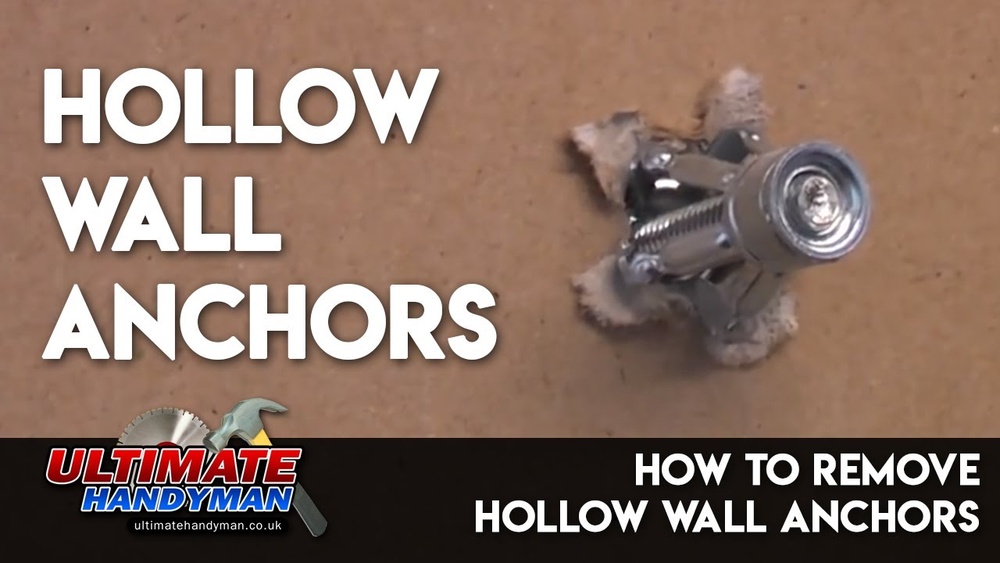
Select strong anchors and bolts designed for your wall type. Concrete walls require heavy-duty anchors, while drywall needs toggle bolts or molly bolts. The bolts must fit the safe’s mounting holes and be long enough to secure the safe firmly.
Drill And Drill Bits
Use a power drill for making holes in the wall. Choose drill bits that match the size of your anchors and bolts. For concrete or brick walls, a masonry bit is necessary. For wood or drywall, use standard drill bits.
Measuring Tools And Safety Gear
Accurate measurements ensure the safe is positioned correctly. Use a tape measure and a level to mark drill points. Wear safety glasses and gloves to protect your eyes and hands during drilling.

Credit: www.libertysafe.com
Preparing The Wall And Safe
Preparing the wall and safe is the first important step to secure your safe properly. A careful setup helps keep the safe stable and hard to move. Take time to prepare both surfaces before you start anchoring. This preparation makes the installation easier and safer.
Marking Anchor Points
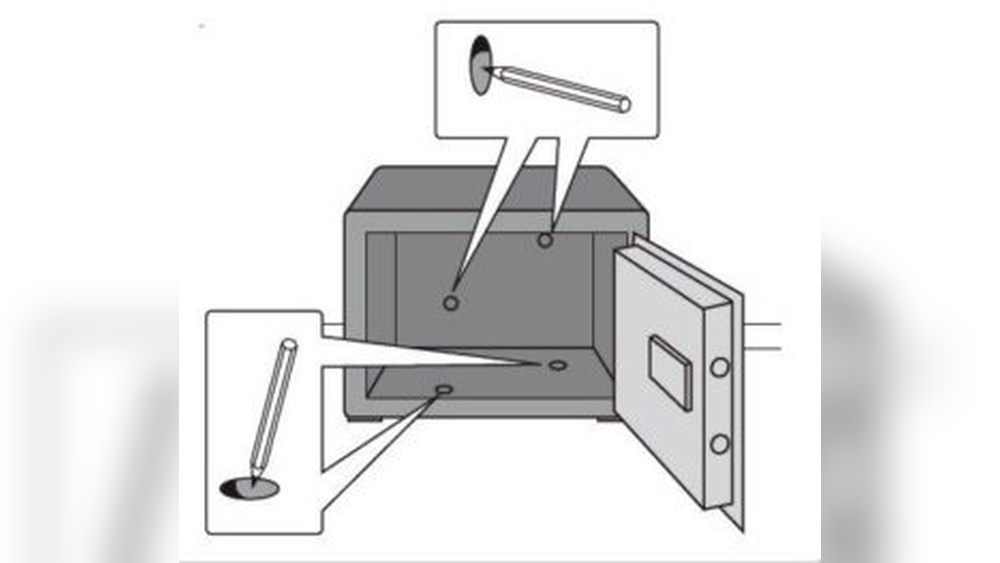
Start by placing the safe where you want it on the wall. Use a pencil to mark the holes on the safe’s base that line up with the wall. Check that these marks match the studs or solid parts of the wall. Marking these points clearly helps guide the drilling and ensures strong support.
Drilling Pilot Holes
Use a drill bit smaller than the anchor bolts to make pilot holes at the marked points. Drill slowly to avoid cracking the wall. These small holes help the anchors fit tightly and keep the safe steady. Make sure holes go into solid parts, like studs or masonry, for the best hold.
Cleaning And Aligning
Clear away dust and debris from the holes and wall surface. Dirt can stop the anchors from fitting well. Align the safe’s holes with the pilot holes. This step makes sure the bolts go in straight. A clean, aligned setup prevents problems and keeps your safe secure for years.
Anchoring The Safe
Anchoring a safe to a wall keeps it secure and stable. Proper anchoring stops thieves from moving or stealing the safe. It also protects the safe during earthquakes or accidents. Follow simple steps to anchor your safe correctly.
Choosing Anchor Types
Select anchors based on the wall material. Concrete walls need heavy-duty expansion anchors. Drywall or wood walls require lag bolts or toggle bolts. Match anchor size to the safe’s weight. Use anchors that fit the safe’s mounting holes. This ensures a strong and safe hold.
Securing Bolts Properly
Use the right tools to tighten bolts firmly. Avoid over-tightening to prevent damage to the wall or safe. Tighten bolts evenly for balance. Use washers to spread pressure and protect surfaces. Check that bolts fit snugly without gaps.
Double-checking Stability
After securing, test the safe’s stability. Try to move or shake the safe gently. It should feel solid and not wobble. Inspect bolts for any looseness. Tighten bolts again if needed. A stable safe is a secure safe.

Credit: www.reddit.com
Testing And Maintenance
Testing and maintenance keep your safe secure and reliable over time. A well-anchored safe protects your valuables better. Regular care helps spot problems early. It also ensures the safe stays firmly attached to the wall. Below are key steps to maintain and test your safe anchoring.
Regular Security Checks
Inspect your safe often. Check the bolts and fasteners for any signs of loosening. Look for cracks or damage on the wall or safe base. Test the stability by gently shaking the safe. If it moves, the anchoring may need tightening or repair. Keep a checklist to track your checks. This helps maintain security consistently.
Tightening And Adjusting
Use the right tools to tighten bolts and screws securely. Avoid overtightening to prevent damage to the wall or safe. Make small adjustments to improve fit and stability. Check all points of contact between safe and wall. Tighten any loose parts immediately. Proper adjustment keeps your safe firmly anchored and hard to remove.
Preventing Rust And Damage
Apply a rust-resistant coating on metal parts regularly. Keep the area around the safe dry and clean. Avoid moisture buildup that causes rust and weakens anchors. Use a soft cloth to clean surfaces and remove dust. Inspect for signs of corrosion or wear. Early prevention extends the life of your safe’s anchoring system.
Additional Security Tips
Anchoring a safe to a wall is a strong first step in protecting your valuables. To boost security, consider extra measures. These tips help keep your safe hidden and alert you about unwanted access. Small actions can make a big difference in security.
Using Alarm Systems
Install an alarm system near the safe. It will warn you if someone tries to move or open it. Some alarms connect to your phone for instant alerts. Choose alarms that are loud and sensitive. They scare off thieves and notify you fast.
Concealing The Safe
Hide the safe from plain sight. Place it behind furniture or inside a closet. Use a false wall or cabinet for extra cover. The less visible the safe, the harder it is to find. Concealment adds a strong layer of protection.
Combining With Other Security Measures
Use multiple methods together for better security. Add cameras to watch the area around your safe. Use strong locks on doors and windows nearby. Layering security makes theft much harder. It slows down intruders and raises the chance of catching them.
Credit: guardiansafeandvault.com
Frequently Asked Questions
How Do I Anchor A Safe To A Wall Securely?
To anchor a safe securely, use heavy-duty bolts and wall anchors. Drill pilot holes into studs or solid masonry for strong attachment. Ensure the safe’s base or back panel aligns with the drilled holes. Tighten bolts firmly to prevent movement or theft attempts.
What Tools Are Needed To Anchor A Safe To A Wall?
You need a drill, masonry or wood drill bits, heavy-duty bolts, washers, and a wrench. A stud finder helps locate studs behind drywall. Safety goggles and a pencil for marking are also essential. Proper tools ensure a safe and secure installation.
Can I Anchor A Safe To Drywall Alone?
No, drywall alone cannot support a safe’s weight securely. Always anchor the safe to wall studs or masonry behind drywall. Use proper anchors and bolts for stability. Anchoring only to drywall risks the safe falling or being easily removed.
Is It Better To Anchor A Safe To The Floor Or Wall?
Anchoring to both wall and floor offers maximum security. Walls provide vertical support, while floors prevent tipping or sliding. If only one option is possible, choose the stronger surface like concrete floors or solid walls. Combining both increases theft resistance.
Conclusion
Anchoring a safe to a wall keeps your valuables secure and steady. Use the right tools and follow steps carefully for best results. Pick a strong wall and find the right spot to drill. Tighten bolts firmly to prevent any movement.
This simple process adds extra protection and peace of mind. Keep your safe stable, so it stays where you put it. Secure your valuables with confidence and ease.