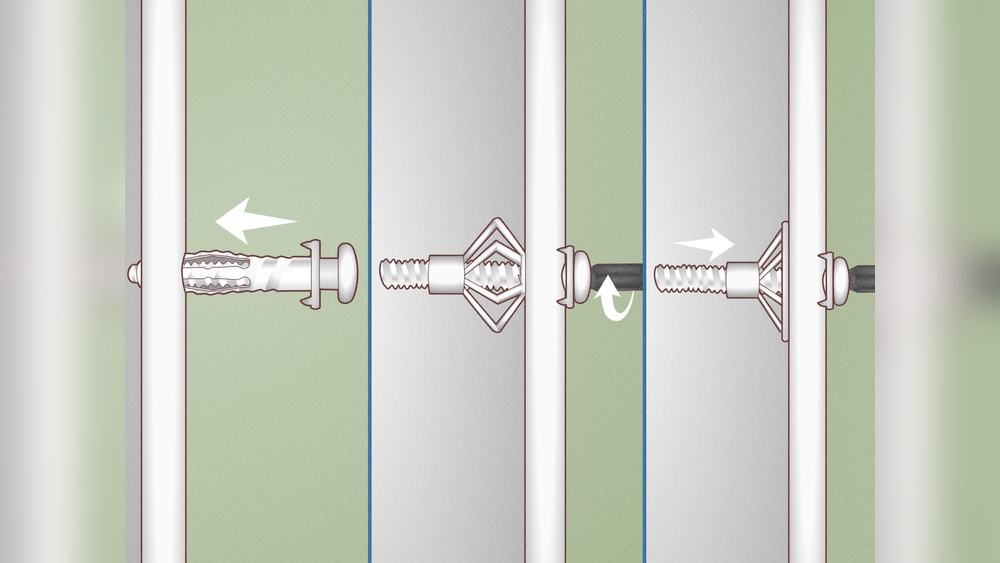
Have you ever tried to remove a plastic wall anchor and ended up frustrated, stuck with a hole or a stubborn piece left behind? You’re not alone.
These small anchors can be tricky to get out without damaging your wall or making the job harder. But what if you could learn simple, effective methods to remove them quickly and cleanly? You’ll discover easy steps that anyone can follow to get those plastic wall anchors out with minimal hassle.
Keep reading, and you’ll save time, protect your walls, and feel confident handling this common home repair challenge.
Credit: diy.stackexchange.com
Common Types Of Plastic Wall Anchors
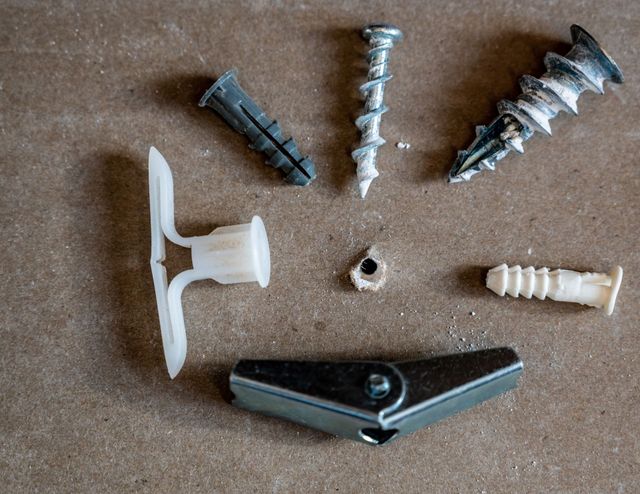
Plastic wall anchors help hold screws in drywall or plaster. They stop screws from pulling out easily. There are several types of plastic anchors. Each works a bit differently. Knowing the types helps you remove them safely and without damage.
Expansion Anchors
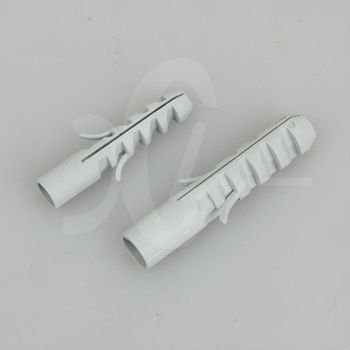
Expansion anchors are common and easy to use. Insert the anchor into a drilled hole first. Then, the screw expands the anchor inside the wall. This holds the anchor tightly in place. Removing expansion anchors often means pulling or twisting gently.
Self-drilling Anchors
Self-drilling anchors have sharp tips. They cut into the drywall without pre-drilling. The screw drives directly into the anchor. These anchors hold well in soft walls. Removing them may require unscrewing or careful pulling.
Toggle Anchors
Toggle anchors have wings that open behind the wall. The wings spread the load over a large area. They are strong and hold heavy objects. Removing toggle anchors can be tricky. Usually, you push the anchor through the wall or unscrew it.
Tools Needed For Removal
Removing plastic wall anchors requires the right tools. Using proper tools makes the task easier and safer. Gather these tools before starting to avoid interruptions.
Pliers And Tweezers
Pliers help grip and pull out anchors firmly. Needle-nose pliers work best for small or tight spots. Tweezers can grab tiny pieces left inside the wall. Both tools offer control and precision.
Screwdrivers
Screwdrivers help loosen anchors stuck inside the wall. A flathead screwdriver can pry the anchor gently. A Phillips screwdriver fits screws inside some anchors. Choose the right size to avoid damage.
Drill And Bits
A drill removes anchors that are deeply embedded. Use a drill bit slightly smaller than the anchor. Drill slowly to avoid wall damage. This method is useful for stubborn anchors.
Simple Removal Methods
Removing plastic wall anchors can seem hard at first. Simple methods make this task easier and quicker. These methods use common tools you likely have at home. They help avoid damage to your wall and make cleanup simple. Below are three easy ways to remove plastic wall anchors.
Pulling Out With Pliers
Grip the anchor’s head firmly with pliers. Pull it straight out slowly. Wiggle gently if it feels stuck. Avoid twisting while pulling to protect the wall. Pliers work well for anchors that stick out slightly. This method is quick and needs little effort.
Twisting With A Screwdriver
Insert a flathead screwdriver into the anchor’s center. Turn the screwdriver left and right carefully. The anchor will loosen and start to come out. Pull the anchor out by hand once loose. This method works best for anchors flush with the wall. It reduces the chance of wall damage.
Using A Drill To Extract
Choose a drill bit slightly smaller than the anchor. Set the drill to low speed. Drill into the center of the anchor gently. The anchor will break free inside the wall. Remove the pieces carefully with pliers or a screwdriver. This method suits anchors that are hard to grab or twist.
Credit: www.ottawadrywallpros.ca
Dealing With Stubborn Anchors
Stubborn plastic wall anchors can be tricky to remove. They often stay stuck deep inside the wall. Removing them without damaging the wall takes patience and the right tools. This section shows easy ways to handle tough anchors and prepare your wall for repair.
Cutting Flush With The Wall
Start by cutting the anchor close to the wall surface. Use a sharp utility knife or a small saw. Cut gently to avoid damaging the wall around it. This step removes the visible part of the anchor. It makes the next steps easier and cleaner.
Prying Out With A Flat Tool
Insert a flat tool like a putty knife or flathead screwdriver under the anchor edge. Twist or pry carefully to lift the anchor out. Work slowly to prevent breaking the wall surface. If the anchor stays stuck, try tapping the tool lightly with a hammer. This can help loosen the anchor for easier removal.
Filling And Repairing Holes
After removing the anchor, a hole remains in the wall. Fill the hole with spackle or wall filler. Use a putty knife to spread the filler evenly. Let it dry completely before sanding it smooth. Paint over the repaired area to match the wall color. This restores the wall’s look and prepares it for new anchors.
Preventing Damage During Removal
Removing plastic wall anchors can be tricky. Damage to walls is common if done too fast or roughly. Taking care during removal keeps walls smooth and clean. It saves time and money on repairs later. Follow these simple tips to avoid damage and keep walls looking good.
Protecting Wall Surfaces
Cover the area around the anchor with painter’s tape. It stops paint or drywall from chipping. Use a small piece of cardboard or thin wood under your tools. This prevents scratches and dents on the wall surface. Always check the wall for weak spots before starting.
Working Slowly And Carefully
Take your time pulling out the anchor. Pulling too fast can rip the drywall paper. Use gentle, steady pressure. Stop if the anchor feels stuck. Slow work helps avoid holes that are bigger than needed. Patience is key to keep the wall intact.
Using The Right Tools
Use pliers or a flathead screwdriver for better control. Needle-nose pliers work well for small anchors. A putty knife can help pry anchors loose gently. Avoid using sharp or heavy tools that can gouge the wall. The right tools make removal easier and safer.

Credit: www.youtube.com
When To Replace Anchors
Plastic wall anchors hold items firmly on your walls. Over time, these anchors can wear out or lose strength. Knowing when to replace them keeps your walls safe and your items secure. Replacing worn anchors prevents damage and keeps mounts stable.
Signs Of Anchor Wear
Look for cracks or breaks in the plastic anchor. Loose anchors that wiggle inside the wall need replacement. If screws no longer hold tightly, the anchor is worn out. Damage from rust or dirt can also weaken anchors. Check anchors regularly for any signs of wear.
Choosing The Right Replacement
Select anchors based on wall type and weight of the item. Use larger anchors for heavier objects to ensure strong support. Match the anchor size to the screw size for a tight fit. Plastic anchors work best for drywall and light loads. For heavier items, consider metal or toggle anchors.
Proper Installation Tips
Drill a hole slightly smaller than the anchor size. Clean the hole of dust before inserting the anchor. Push the anchor flush with the wall surface for best grip. Screw in slowly to avoid cracking the anchor. Ensure the anchor fits tightly and holds firm before mounting.
Frequently Asked Questions
How Do You Remove Plastic Wall Anchors Safely?
To remove plastic wall anchors safely, use pliers to gently pull them out. If tight, push the anchor further in and patch the hole. Avoid damaging the wall surface for easier repairs later.
What Tools Are Best For Pulling Out Plastic Anchors?
Needle-nose pliers or locking pliers work best for pulling out plastic anchors. They provide a firm grip and control. Avoid using excessive force to prevent wall damage.
Can I Reuse Plastic Wall Anchors After Removal?
Plastic wall anchors usually cannot be reused after removal. They may lose grip strength or become damaged. For secure mounting, always use new anchors when reinstalling.
What If The Plastic Anchor Breaks Inside The Wall?
If the anchor breaks inside, try pushing it deeper and fill the hole with spackle. Alternatively, carefully drill around it to remove. Patch the wall smoothly before repainting.
Conclusion
Removing plastic wall anchors is easier than it seems. Start by loosening them gently with the right tools. Pull them out carefully to avoid wall damage. Sometimes pushing the anchor inside works best. Filling holes afterward keeps your wall smooth and neat.
With patience and care, your walls look good again. Try these tips next time you face plastic anchors. Simple steps save time and effort. No need to worry about tricky anchors anymore.