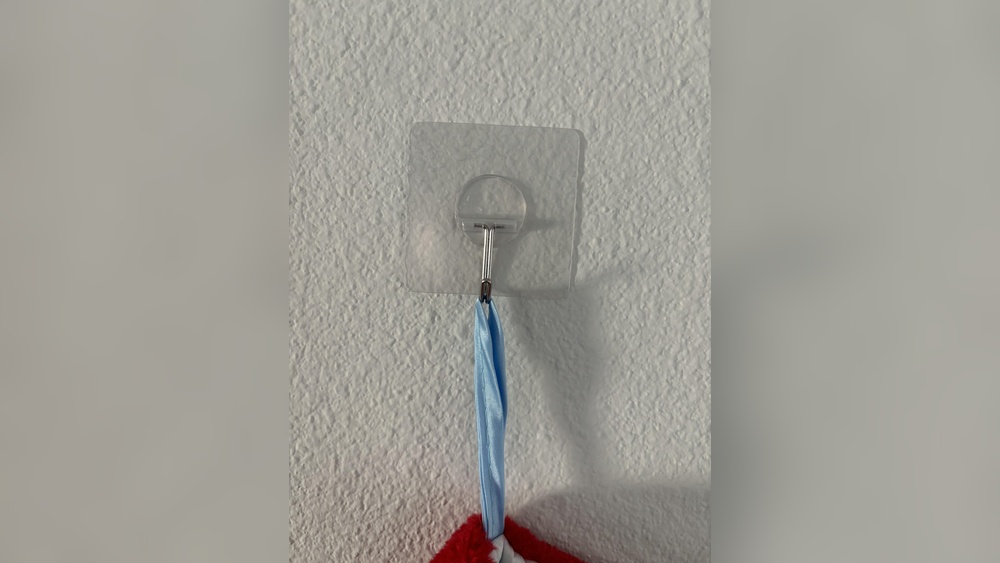
You’ve probably used 3M hooks to hang pictures, keys, or decorations because they stick well and don’t damage your walls—at least, that’s the promise. But what happens when you want to remove them without leaving sticky residue or damaging your paint?
It can feel tricky and frustrating. Don’t worry—you’re about to learn simple, effective steps to take those hooks off cleanly. Keep reading, and you’ll save time, avoid costly repairs, and keep your walls looking great.
Why 3m Hooks Stick So Well
3M hooks stick firmly because of their strong adhesive backing. The glue bonds tightly to smooth surfaces, making removal tricky. Pulling the tab slowly helps release the hook without damaging the wall.
Strong Adhesive Technology
3M hooks use a special adhesive that bonds tightly to surfaces. This glue spreads evenly and fills tiny gaps. This creates a strong grip that holds hooks firmly on walls.
The adhesive works on many surfaces like paint, tile, and wood. It sticks well without damaging the wall. This makes 3M hooks popular for hanging items safely.
Flexibility Of The Hook Material
3M hooks are made from flexible plastic. This material bends slightly without breaking. It helps the hook absorb weight and pressure.
The flexibility keeps the adhesive from loosening. It also stops the hook from falling off easily. This ensures the hook stays in place longer.
Easy Surface Preparation
Before applying, the surface is cleaned and dried well. This removes dust and oils that weaken the bond. A clean surface helps the adhesive stick better.
3M also suggests pressing the hook firmly for several seconds. This step activates the adhesive fully. It creates a tighter hold on the wall.
Tools You’ll Need
Removing 3M hooks from the wall is simple with the right tools. Having the proper tools helps avoid damage to your wall. It also makes the process faster and easier. Here are the basic tools you will need to remove 3M hooks safely.
Plastic Card Or Dental Floss
A plastic card or dental floss helps gently separate the adhesive from the wall. Slide the card or floss behind the hook’s base. This loosens the sticky part without pulling hard on the wall.
Hair Dryer Or Heat Gun
Warmth softens the adhesive. Use a hair dryer or heat gun on low heat. Warm the adhesive for 30 seconds to 1 minute. This step makes the hook easier to remove.
Rubbing Alcohol Or Adhesive Remover
Rubbing alcohol or adhesive remover cleans leftover sticky residue. Apply a small amount on a cloth. Rub gently on the wall to remove marks.
Soft Cloth Or Sponge
Use a soft cloth or sponge to clean the wall after removal. It helps wipe away dirt and adhesive. Avoid rough materials that can scratch the surface.
Step-by-step Removal Guide
Removing 3M hooks can be easy and safe if you follow the right steps. This guide helps you take off the hooks without damaging your walls. Each step is simple and clear. Take your time to do it right.
Prepare The Area
Clear the space around the hook. Remove any items hanging on it. Make sure your hands are clean and dry. This helps you hold the hook firmly. It also prevents dirt from sticking to the wall.
Stretch The Adhesive Strip
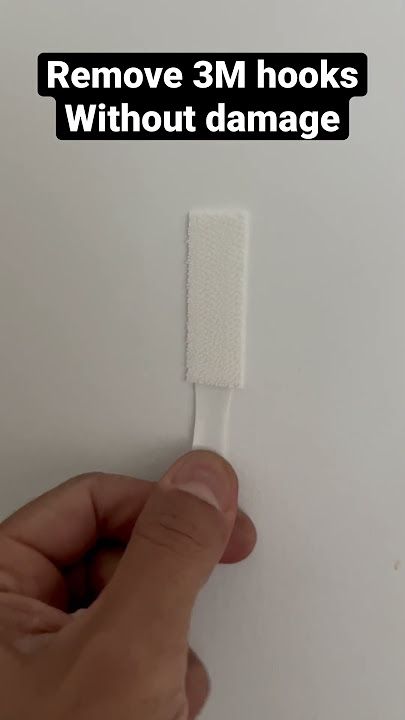
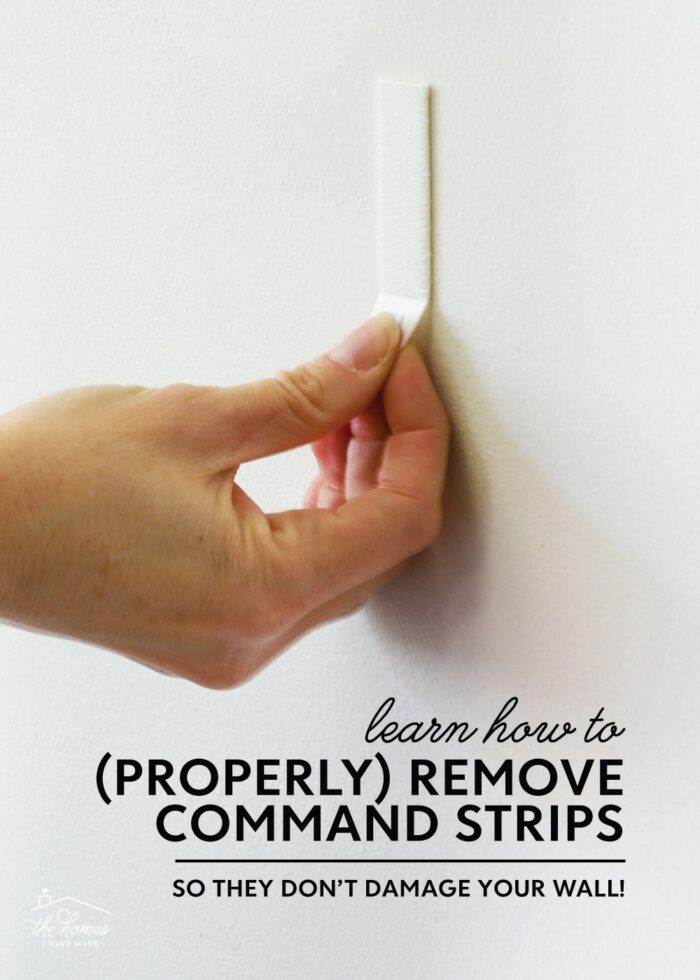
Hold the bottom of the adhesive strip. Pull it slowly straight down, not outwards. Keep pulling until the strip stretches to twice its length. This action loosens the adhesive from the wall. Do this gently to avoid damage.
Peel Off The Hook
Once the strip is stretched, the hook will come off easily. Pull the hook away from the wall. Do not yank or twist hard. This keeps the paint and wall surface safe. Place the hook aside for reuse or disposal.
Clean Residue Left Behind
Check the wall for any sticky residue. Use a soft cloth with warm soapy water. Gently wipe the area to remove leftover glue. Avoid scrubbing too hard to protect the paint. Let the wall dry before hanging new items.
Credit: www.youtube.com
Common Mistakes To Avoid
Removing 3M hooks from walls can be tricky. Many make simple mistakes that cause damage or leave marks. Avoiding these errors saves time and keeps walls clean.
Read the tips below to learn what not to do when removing 3M hooks.
Do Not Pull The Hook Directly
Pulling the hook straight off the wall can peel paint or damage drywall. The glue is strong and needs careful removal. Always pull the adhesive strip slowly along the wall, not away from it.
Avoid Using Sharp Tools
Sharp objects like knives or scissors can scratch or puncture the wall. They may also damage the hook or strip. Use only your hands to stretch the adhesive gently.
Do Not Rush The Process
Removing hooks too quickly increases the chance of damage. Take your time and stretch the adhesive slowly. Patience prevents wall marks and helps keep the hook usable.
Skip Using Heat Unless Necessary
Heat can soften the adhesive but may damage paint or wallpaper. Use warmth only if the strip is very stiff. Test on a small area first to avoid surprises.
Do Not Forget To Clean The Wall After Removal
Leftover adhesive can attract dirt and stains. Use a mild cleaner and soft cloth to wipe the area. This step keeps walls clean and ready for new hooks.
Alternative Removal Methods
Removing 3M hooks can sometimes be tricky. The tape is strong and sticks firmly. Apart from pulling gently, there are other ways to remove them safely. These methods help loosen the adhesive without damaging the wall. Two effective alternatives are using heat and applying rubbing alcohol. Both are easy and use common household items.
Using Heat
Heat softens the glue behind the hook. Use a hairdryer on low or medium setting. Hold it a few inches from the hook. Move it around for about 30 seconds. The warmth makes the adhesive less sticky. Slowly pull the hook away from the wall. Heat works best on smooth surfaces like painted walls or tiles. Avoid high heat to prevent wall damage.
Applying Rubbing Alcohol
Rubbing alcohol breaks down the adhesive bond. Dab some alcohol on a cotton ball or cloth. Gently rub the area around the hook’s base. Let the alcohol soak in for a minute or two. The glue will start to loosen. Pull the hook carefully while applying more alcohol if needed. This method is safe for most wall types. Test a small spot first to avoid paint damage.
Preventing Wall Damage
Removing 3M hooks without damaging walls is important. Walls can peel, chip, or leave sticky marks. Careful choices and steps help protect your walls. Small efforts save time and repair costs.
Choosing The Right Hook
Pick hooks that match your wall type. Some hooks work better on smooth surfaces. Others suit textured walls or painted drywall. Check the hook’s weight limit. Avoid using heavy hooks on weak walls. Using the correct hook reduces damage risk.
Proper Installation Tips
Clean the wall before applying the hook. Dirt and dust weaken the hold. Press the hook firmly for a few seconds. Follow the package instructions closely. Avoid placing hooks near edges or corners. Let the adhesive set before hanging items. Proper installation keeps hooks secure and walls safe.
When To Call A Professional
Sometimes removing 3M hooks from the wall can be tricky. The hooks may not come off cleanly. The wall might get damaged or peeled. In these cases, calling a professional is the best option. They have the right tools and experience to fix the problem safely.
Signs You Need Professional Help
Notice big paint or wallpaper damage around the hook? The wall may start to peel or crack. This means removal could worsen the damage. A professional can repair and remove hooks without harming your walls more.
Complex Wall Materials
Some walls have delicate surfaces like plaster or textured paint. These need special care during hook removal. Professionals know how to handle these materials safely. They prevent costly repairs later on.
Multiple Hooks Or Large Areas
Removing many hooks at once takes time and skill. Large wall areas also need careful handling. Professionals work faster and reduce the risk of mistakes. They ensure your walls stay in good shape.
When Hooks Are Stubborn
Hooks that don’t come off easily can cause damage if pulled hard. Professionals use the right methods and tools to loosen these hooks gently. This avoids ripping paint or tearing drywall.
Damage Repair After Removal
Sometimes walls need patching or repainting after hooks are removed. Professionals can fix these issues quickly. They leave your walls looking smooth and neat.

Credit: www.command.com
Credit: thehomesihavemade.com
Frequently Asked Questions
How Do You Safely Remove 3m Hooks From Walls?
To remove 3M hooks safely, pull the adhesive strip slowly downward. Stretch it flat against the wall. Avoid pulling outward to prevent damage.
Can 3m Hooks Damage Paint When Removed?
If removed correctly, 3M hooks usually do not damage paint. Stretch the adhesive strip gently to prevent peeling or marks on walls.
What Tools Are Needed To Remove 3m Hooks?
No special tools are required. Use your hands to pull the adhesive strip slowly downward for easy removal.
How To Remove 3m Hooks From Textured Walls?
On textured walls, pull the adhesive strip slowly and steadily downward. Be careful not to tear the strip to avoid wall damage.
Conclusion
Removing 3M hooks from the wall is simple with the right steps. Pull the tab slowly to avoid damage. Use heat if the adhesive feels stiff. Clean any leftover residue gently with rubbing alcohol. These tips help keep your walls safe and clean.
Now, you can change or move hooks anytime you want. No mess, no marks. Easy and quick. Your walls stay neat and ready for new decorations.