Have you ever tried to hang something on your wall, only to find the anchor stuck tight, refusing to budge? It’s frustrating, isn’t it?
That stubborn anchor can leave holes, damage your wall, and ruin your plans. But don’t worry—getting it out doesn’t have to be a headache. In this guide, you’ll learn simple, effective steps to remove a stuck anchor without causing more damage.
Keep reading, and soon you’ll have your wall looking perfect again—ready for your next project.

Credit: www.reddit.com
Common Causes Of Stuck Anchors
Stuck anchors in walls can cause frustration during home projects. Understanding why anchors get stuck helps fix the problem faster. Common causes often relate to the type of anchor used and how it interacts with the wall material. This section explains the main reasons anchors become jammed and how different anchors work.
Types Of Wall Anchors
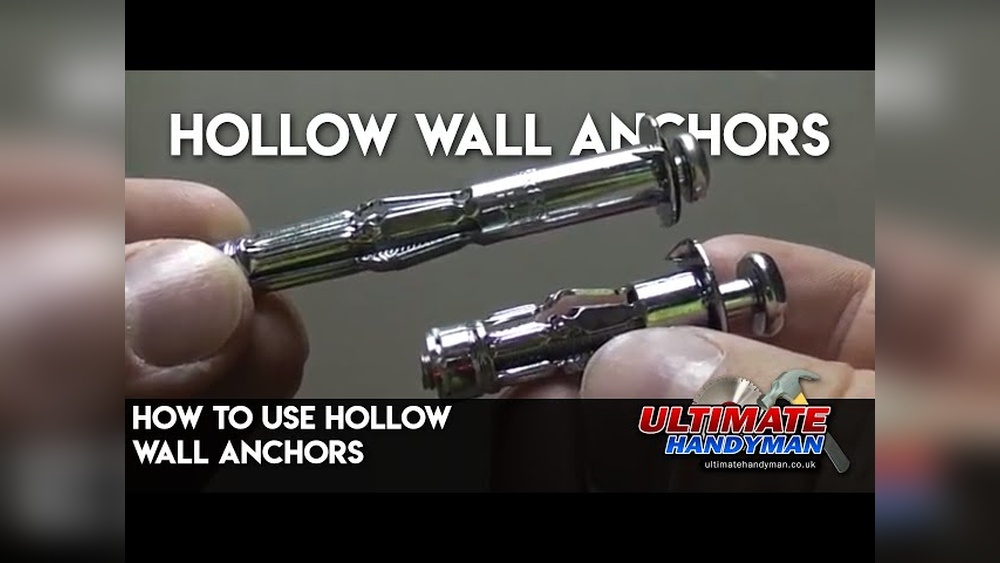
Wall anchors come in several types. Plastic expansion anchors are common for light loads. They expand inside the wall when screws are inserted. Toggle bolts use a spring-loaded wing to hold heavy items. Molly bolts have a metal sleeve that expands behind the wall. Each type behaves differently when stuck. Knowing the type helps decide the best removal method.
Why Anchors Get Jammed
Anchors jam due to tight fits or wall damage. Plastic anchors may swell or break inside the hole. Metal anchors can rust or bend, making removal hard. Sometimes the screw is stripped or stuck in the anchor. Wall material like drywall or plaster can crumble around the anchor. Over-tightening screws increases the chance of jamming. Poor installation also leads to stuck anchors.

Credit: www.wikihow.com
Tools Needed For Removal
Removing a stuck anchor from a wall can be tricky but not impossible. Careful steps help prevent wall damage. Follow these easy methods to get the anchor out safely. Use tools you have at home for best results. Patience and gentle force work well together.
Using Pliers For Extraction
Grab the anchor’s exposed part with pliers. Hold it firmly without squeezing too hard. Pull the anchor straight out slowly. Wiggle slightly if it feels stuck. Avoid sudden jerks to protect the wall. Repeat pulling and wiggling until the anchor loosens.
Twisting And Pulling Techniques
Try twisting the anchor gently while pulling. Rotate it back and forth to break loose grip. This method helps if the anchor is tight inside. Keep the force steady and controlled. Stop if the wall starts to crack. Use this with pliers for better grip.
Tapping And Loosening
Tap around the anchor with a small hammer. Light taps help loosen the anchor’s hold. Avoid heavy hits that can damage the wall. After tapping, try pulling or twisting again. Repeat tapping and pulling until the anchor moves. This method softens the grip inside the wall.
Step-by-step Removal Methods
Sometimes, an anchor gets stuck inside the wall and won’t come out with normal tools. This can be frustrating. Alternative solutions can help fix the problem without causing much damage. These methods work well when removal fails. They focus on either pushing the anchor deeper or removing it carefully and filling the hole.
Pushing The Anchor Through
Pushing the anchor through the wall cavity is a simple option. Use a long, thin tool like a screwdriver or a metal rod. Gently tap the anchor until it falls inside the wall. This method clears the surface and keeps the wall intact. It works best with hollow walls like drywall.
Be careful not to damage wires or pipes behind the wall. After pushing the anchor through, fill the small hole left behind with spackle or wall filler. Sand it smooth once dry. Then, paint over the spot for a clean finish.
Cutting And Filling The Hole
Cutting out the stuck anchor is another solution. Use a small saw or utility knife to remove the damaged section around the anchor. This method works well if the anchor is deeply stuck or damaged.
After cutting, take out the anchor and clean the edges of the hole. Fill the gap with a patch or wall filler. Let it dry and sand the surface smooth. Paint the area to match the rest of the wall. This method restores the wall’s look and strength.

Credit: diy.stackexchange.com
Alternative Solutions When Removal Fails
Preventing anchor problems saves time and effort. Proper steps stop anchors from getting stuck or damaged. This section helps you avoid future issues with anchors in your walls.
Choosing The Right Anchor
Select anchors based on wall type and weight load. Use plastic anchors for light items and metal for heavy objects. Check the anchor size matches the screw size exactly. Avoid using anchors that do not fit your wall material. This prevents anchors from slipping or breaking inside the wall.
Proper Installation Tips
Drill a hole slightly smaller than the anchor size. Clean out dust from the hole before inserting the anchor. Push the anchor in gently until it sits flush with the wall. Do not force the anchor or use too much pressure. Tighten screws slowly and stop if you feel resistance. This keeps anchors secure and easy to remove later if needed.
Frequently Asked Questions
How Can I Safely Remove A Stuck Wall Anchor?
To safely remove a stuck wall anchor, first try gripping it with pliers and gently pull. If it won’t budge, use a screwdriver to twist it out slowly. Avoid forcing it to prevent wall damage.
What Tools Help In Extracting A Stuck Anchor?
Common tools for removing stuck anchors include pliers, screwdrivers, and utility knives. Pliers grip the anchor, screwdrivers twist it out, and utility knives can help cut around the anchor if needed.
Will Removing An Anchor Damage My Wall?
Removing an anchor may cause minor damage like small holes or surface scratches. Repair is usually easy with spackle or wall filler and some sanding before repainting.
Can I Reuse A Wall Anchor After Removal?
Generally, wall anchors lose grip and shape once removed, so reusing is not recommended. It’s better to use a new anchor for secure installation and safety.
Conclusion
Getting a stuck anchor out of a wall can seem tough. Take your time and try gentle methods first. Use the right tools to avoid damage. Patience helps prevent making the problem worse. With care, you can remove the anchor safely.
This saves your wall and keeps it looking good. Remember, small steps lead to good results. Keep calm and work carefully to fix the issue. You will feel satisfied once the anchor is out.