Are you ready to make your garage stronger and safer? Anchoring your garage walls to concrete blocks is a simple step that can protect your space from damage and keep everything secure.
Whether you’re building a new garage or reinforcing an existing one, knowing how to do this right is key. In this guide, you’ll find easy-to-follow instructions that anyone can use. By the end, you’ll feel confident in making your garage walls rock solid.
Keep reading to discover the straightforward method that can save you time, money, and hassle.
Choosing The Right Anchors
Choosing the right anchors is key to secure garage walls to concrete blocks. The right anchors provide strength and stability. Poor choices lead to weak walls and safety risks.
Understanding the types of anchors and the factors that affect the choice helps make a smart decision. This section covers what anchors fit best and why.
Types Of Anchors For Concrete Blocks
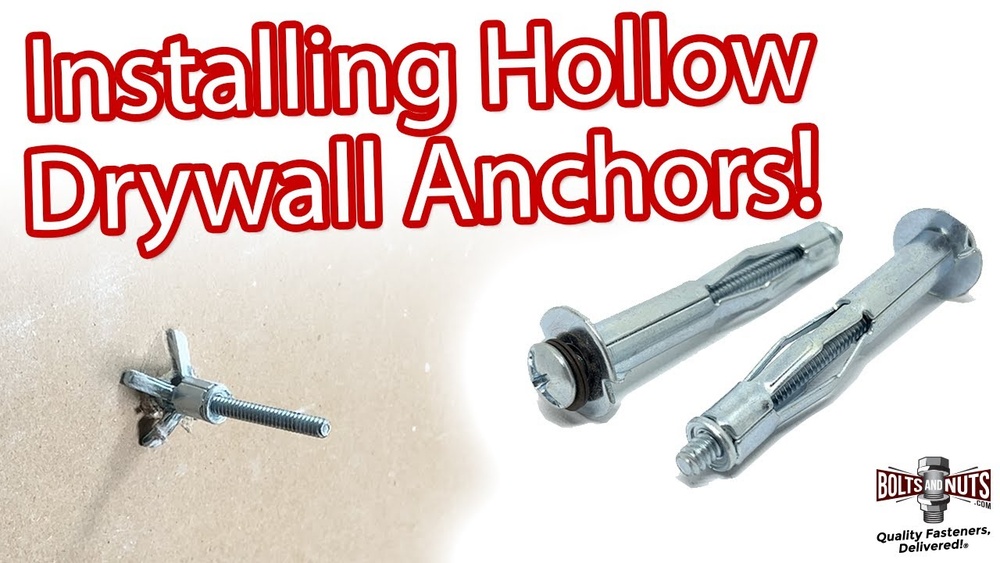
Concrete blocks need anchors designed for hollow or solid material. Wedge anchors fit solid blocks well. They expand inside the hole to hold tight.
Sleeve anchors work for both solid and hollow blocks. They have a metal sleeve that expands to grip the block.
Plastic anchors are easy to install but suit light loads only. They work for small projects or temporary fixes.
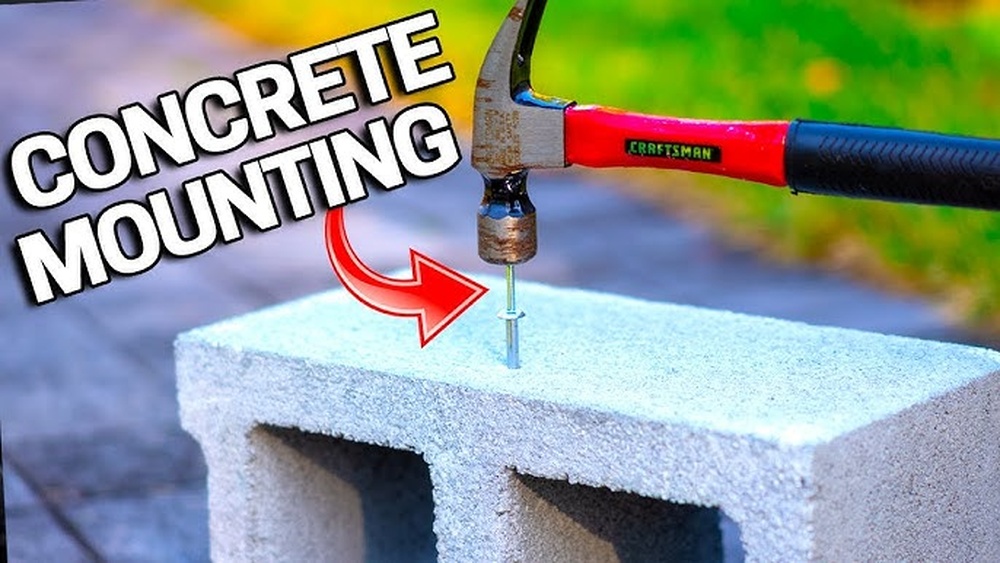
Hammer drive anchors are simple and quick. They push into the block and hold by friction.
Factors Influencing Anchor Selection
Weight of the garage wall affects anchor choice. Heavy walls need stronger anchors like wedge or sleeve types.
Block type matters. Hollow blocks need anchors that expand inside the cavity for grip.
Environmental conditions also play a role. Outdoor garages require rust-resistant anchors.
Ease of installation is important. Some anchors need special tools, others are simpler.
Credit: www.hansenpolebuildings.com
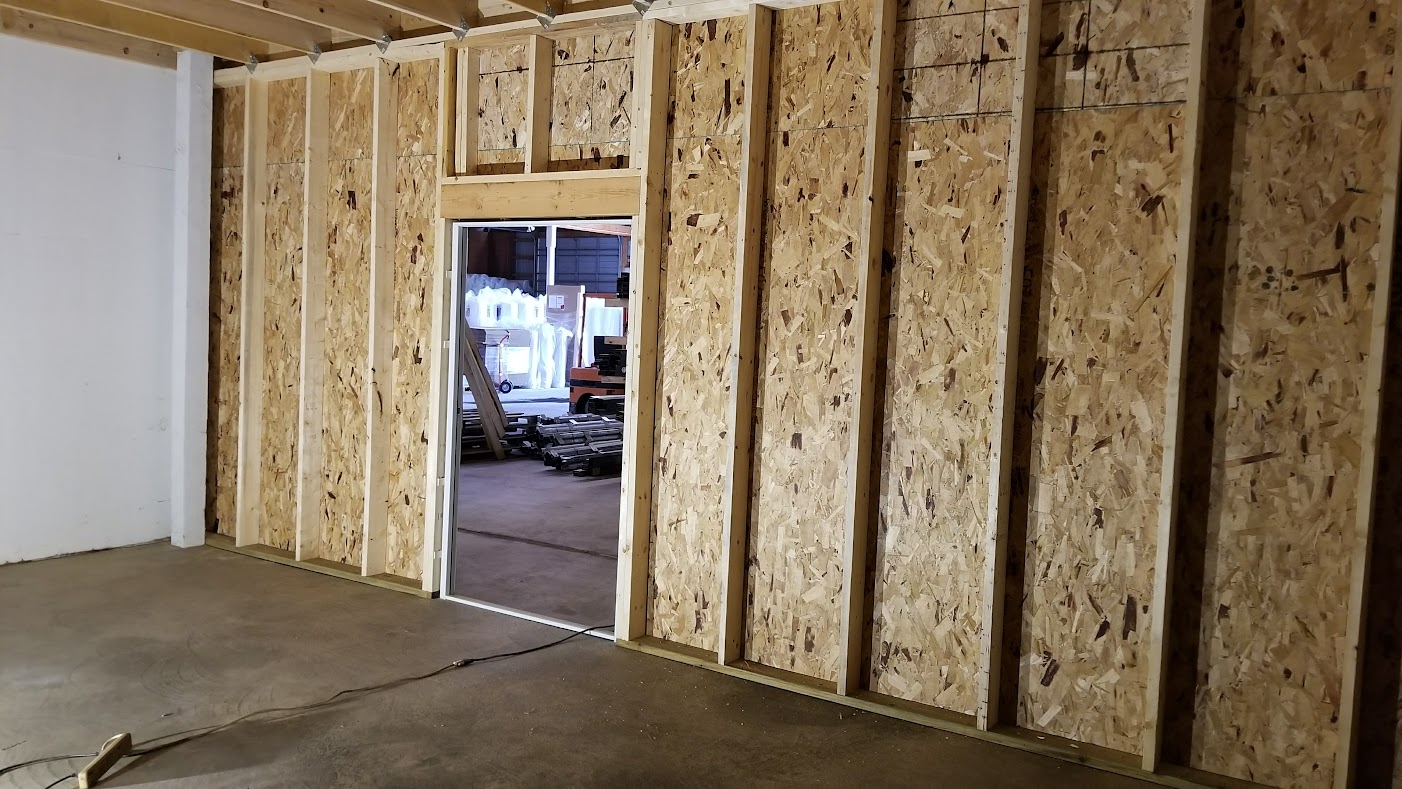
Preparing The Garage Wall
Preparing the garage wall is a key step before anchoring it to concrete blocks. A clean, well-marked surface makes the job easier and safer. This preparation helps the anchors hold tightly and last longer.
Start by clearing dirt and dust. Then, mark where you will place the anchors. Careful preparation leads to a strong, secure wall connection.
Cleaning The Surface
Remove all dust, dirt, and loose material from the wall. Use a wire brush or stiff broom for best results. Clean surfaces allow the anchors to grip better. Avoid wetting the wall. A dry wall helps the anchors hold firmly.
Marking Anchor Points
Measure and mark the exact spots for anchors on the wall. Use a pencil or chalk for clear marks. Space the points evenly to spread the load. Accurate marking saves time and ensures safety.
Drilling Into Concrete Blocks
Drilling into concrete blocks requires care and the right tools. It is a key step to anchor garage walls securely. The process demands correct drill bits and steady techniques. Mistakes can cause cracks or weak anchors. Follow simple steps to ensure firm holes and strong walls.
Selecting The Drill Bit
Choose a drill bit made for masonry. Masonry bits have a special tip to cut through concrete. Use a carbide-tipped bit for best results. The size of the bit should match the anchor size. Too small or large bits cause poor fit and weak hold. Check the bit for wear before starting. A sharp bit drills cleaner and faster.
Drilling Techniques For Stability
Mark the drilling spot clearly on the block. Use a hammer drill if possible. A hammer drill shakes and rotates, making holes easier. Hold the drill steady and perpendicular to the wall. Start drilling slowly to avoid slipping. Increase speed after the bit grips the surface. Drill to the depth needed for the anchor. Clean dust from the hole before inserting the anchor. Dust can reduce grip and stability.
Credit: www.youtube.com
Installing The Anchors
Installing anchors on garage walls requires precision and the right tools. Anchors secure the walls firmly to concrete blocks. This step ensures stability and safety for your garage structure.
Each anchor type has a specific way to install. Follow the instructions carefully for best results. Choose the anchor that fits your wall and project needs.
Setting Sleeve Anchors
First, drill a hole in the concrete block. Make sure the hole matches the sleeve anchor size. Insert the sleeve anchor into the hole fully. Tighten the nut slowly with a wrench. The sleeve expands inside the hole. This locks the anchor securely in place. Avoid overtightening to prevent damage.
Using Wedge Anchors
Drill a hole to the depth of the wedge anchor. Clean the hole from dust using a brush or air blower. Insert the wedge anchor into the hole. Hammer it lightly until flush with the surface. Tighten the nut to pull the wedge up. The wedge expands, gripping the concrete. Check that the anchor is tight but not loose.
Securing With Expansion Bolts
Drill a hole matching the bolt diameter and depth. Remove debris from the hole carefully. Insert the expansion bolt into the hole. Use a wrench to tighten the bolt head. This action expands the bolt inside the concrete. Expansion pressure holds the bolt firmly. Ensure the bolt is secure but avoid over-tightening.
Attaching The Wall Frame
Attaching the wall frame to concrete blocks is a key step in building a strong garage. A secure frame keeps walls stable and safe. It supports the roof and other parts of the structure. Proper attachment stops walls from shifting or leaning over time. This section covers how to align the frame and the best ways to fasten it.
Aligning The Frame
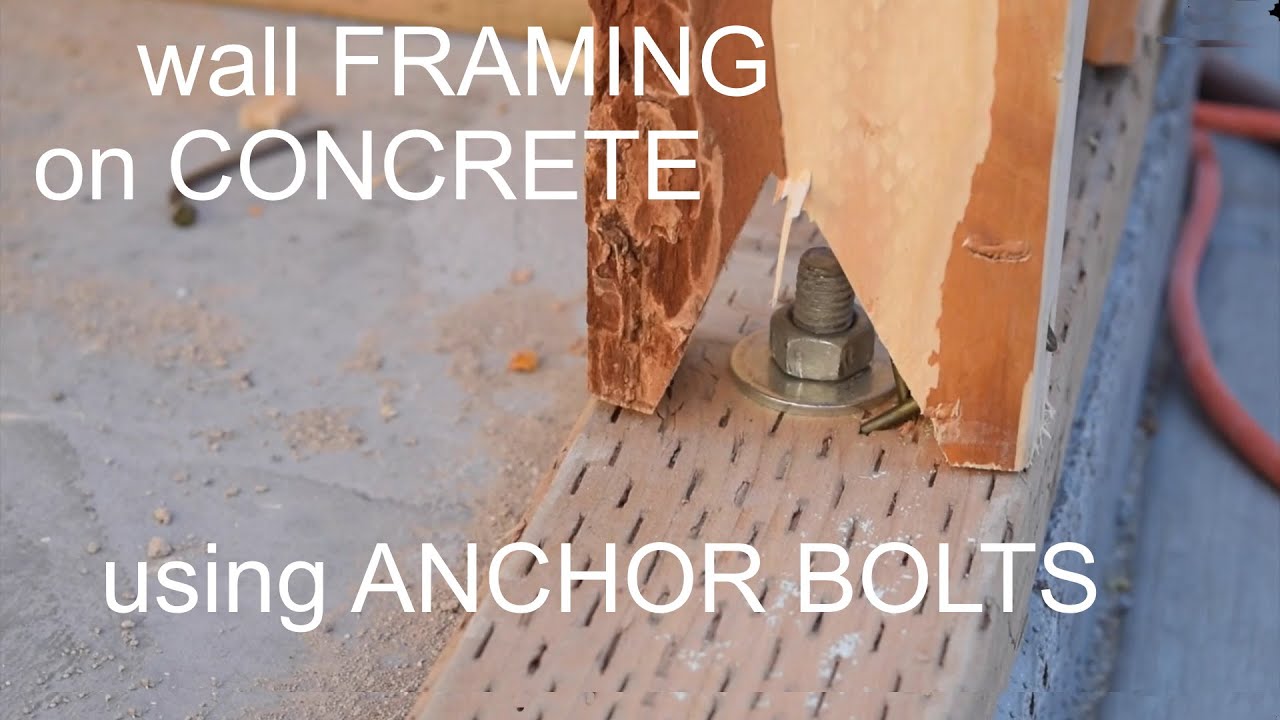
Start by placing the bottom plate on the concrete blocks. Use a level to check it is straight. Make sure the plate sits flat with no gaps. Mark the spots for anchor bolts on the concrete. Double-check measurements to keep walls square. Adjust the frame until it fits perfectly. A well-aligned frame makes the next steps easier.
Fastening Methods
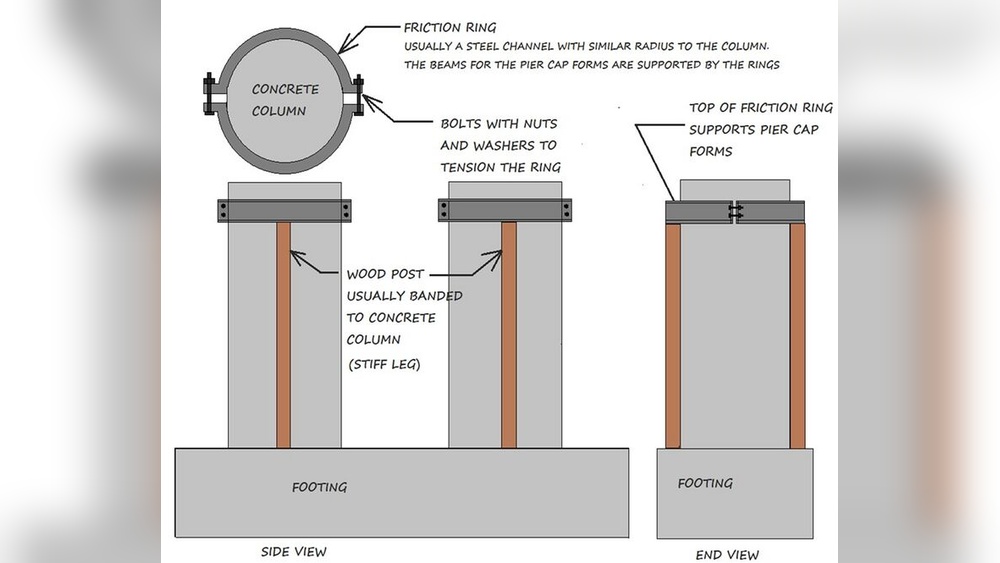
Anchor bolts are the most common way to secure the frame. Drill holes into the concrete blocks where you marked. Insert the bolts through the bottom plate into the holes. Tighten the nuts to pull the frame tight against the blocks. Use washers to spread the pressure. For extra strength, use masonry screws or epoxy anchors. Choose the method based on your tools and materials.

Credit: diy.stackexchange.com
Testing The Strength
Testing the strength of garage wall anchors is vital for safety. It ensures the walls stay firm and stable over time. Proper testing helps spot weak points early. This avoids costly repairs or accidents later. Follow simple steps to check the wall’s hold on concrete blocks.
Load Testing Tips
Start by applying steady pressure near the anchor point. Use a pry bar or a similar tool. Push gently to simulate real forces the wall might face. Watch for any movement or cracks in the concrete blocks. Small shifts can mean loose anchors or weak walls.
Test several anchors, not just one. Check both vertical and horizontal forces. Use a level to spot any tilting or bending. Stop testing if you see big cracks or hear sounds of breaking. Safety first.
Common Issues And Fixes
Loose anchors often result from poor drilling or wrong anchor size. Drill holes deeper and wider if needed. Replace old or rusted anchors with new ones. Cracks near anchors might need epoxy or mortar filling.
Sometimes the concrete block itself is weak. Reinforce it with extra mortar or a steel plate. Check that anchors fit tightly and screws are fully tightened. Regular checks keep your garage walls strong and safe.
Safety Precautions
Safety is the top priority when anchoring garage walls to concrete blocks. Taking the right precautions helps prevent accidents and injuries. This section covers key safety measures to follow during the project.
Protective Gear Recommendations
Wear sturdy gloves to protect your hands from sharp edges and rough surfaces. Use safety goggles to shield your eyes from dust and flying debris. A dust mask helps keep harmful particles out of your lungs. Wear long sleeves and pants to protect your skin. Use ear protection if working with loud power tools.
Handling Tools Safely
Check your tools before use to ensure they are in good condition. Use tools only for their intended purpose. Keep hands clear of drill bits and saw blades during operation. Secure the concrete blocks and wall materials before drilling or hammering. Unplug power tools when changing accessories or not in use. Maintain a clean workspace to avoid tripping hazards.
Frequently Asked Questions
How Do You Anchor Garage Walls To Concrete Blocks?
To anchor garage walls to concrete blocks, use anchor bolts or masonry screws. Drill holes into the blocks, insert anchors, and secure the wall frame tightly. This ensures stability and prevents movement.
What Tools Are Needed To Anchor Walls To Concrete Blocks?
You need a hammer drill, masonry bit, anchor bolts or screws, a wrench, and a level. These tools help you drill precise holes and securely fasten the wall frame.
Can I Anchor Garage Walls Without Professional Help?
Yes, with basic tools and knowledge, you can anchor garage walls yourself. Follow proper steps, use the right anchors, and ensure safety measures. However, consult a professional for complex projects.
Why Is Anchoring Walls To Concrete Blocks Important?
Anchoring walls prevents shifting, improves structural stability, and enhances safety. It protects the garage from wind damage and ensures long-lasting durability of the walls.
Conclusion
Anchoring garage walls to concrete blocks keeps your structure strong and safe. Use the right tools and follow each step carefully. Tighten all bolts securely to avoid future issues. Check your work often to ensure stability. A well-anchored wall resists weather and lasts longer.
Take your time and work with care. This simple task improves your garage’s durability. Now, your garage stands firm against wind and pressure. Easy, effective, and important for home safety.