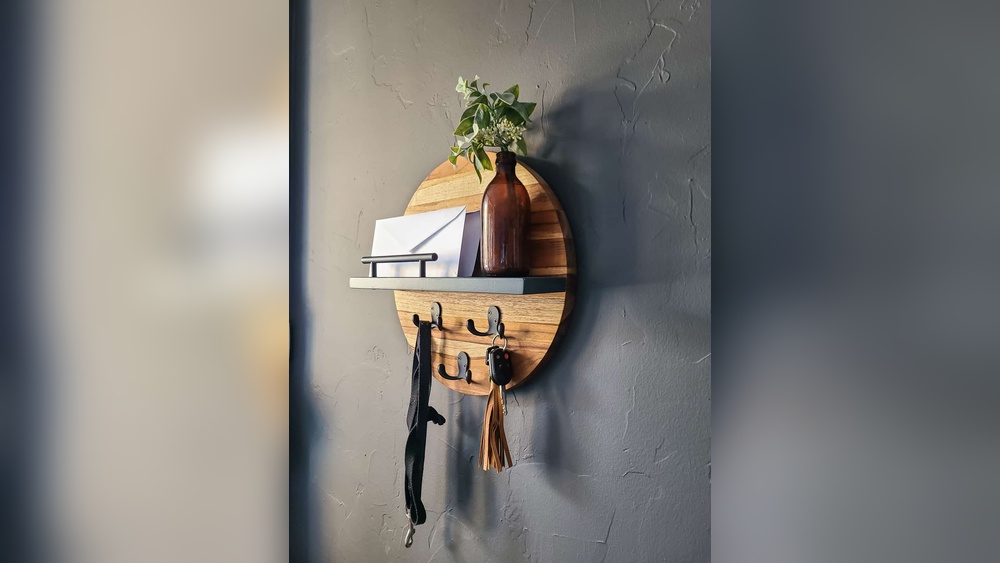
Have you ever stuck a wall adhesive hook on your favorite wall, only to worry about the damage it might leave when you remove it? You’re not alone.
Removing these hooks can be tricky, and if not done right, you might end up with ugly marks or even peeling paint. But don’t worry—this guide will show you simple, effective ways to take down those hooks cleanly and easily.
By the end, you’ll know exactly how to protect your walls and keep your space looking perfect. Ready to learn the secrets? Keep reading!

Credit: www.youtube.com
Types Of Wall Adhesive Hooks
Wall adhesive hooks come in many types. Each type has unique features for different needs. Knowing these types helps in choosing the right hook. It also makes removing them easier without wall damage.
Hooks differ by the materials used and how much weight they can hold. These factors affect where and how you use them. Let’s explore the common materials and weight limits.
Common Materials Used
Most wall adhesive hooks use plastic or metal. Plastic hooks are lightweight and come in many colors. They are good for light items like keys or small decorations.
Metal hooks are stronger and hold heavier objects. They often have a shiny or matte finish. Some hooks combine plastic and metal for better strength and style.
The adhesive part usually has a sticky gel or tape. Gel adhesives stick well but can be tricky to remove. Tape adhesives are easier to peel off but may hold less weight.
Weight Limits And Uses
Wall adhesive hooks have weight limits from about 1 to 10 pounds. Light hooks are best for small items like towels or hats. Medium hooks can hold kitchen tools or small bags.
Heavy-duty hooks support up to 10 pounds or more. These hooks are good for heavier objects like coats or backpacks. Always check the hook’s weight limit before use.
Using the right hook for your item keeps walls safe. Overloading hooks can cause them to fall and damage surfaces.
Signs Of Adhesive Hook Damage
Removing wall adhesive hooks needs the right tools. Using proper tools makes the job easier and protects your wall. Some tools are common items found in most homes. Others are made specifically for safe hook removal.
Basic Household Items
Start with simple items you already have. A hair dryer helps soften the adhesive. A plastic card, like a credit card, gently lifts the hook. Cotton balls or cloth can apply rubbing alcohol. Rubbing alcohol breaks down sticky residue. Soap and water clean the wall after removal. These items are easy to find and safe to use.
Specialized Tools
Special tools make tricky removals simpler. A fishing line or dental floss can cut through adhesive. A putty knife or plastic scraper helps lift hooks without damage. Adhesive remover sprays target stubborn glue. These tools reduce wall marks and speed up the process. They are worth having for tough jobs.
Tools Needed For Removal
Removing wall adhesive hooks can be tricky. Using the right method helps avoid damage to your walls. Follow these step-by-step methods for easy and safe removal.
Using Heat To Soften Adhesive
Heat makes the adhesive soft and easier to remove. Use a hairdryer on medium heat. Hold it close to the hook for about 30 seconds. Move the heat around to warm the entire adhesive area. Once soft, gently pull the hook off. This method reduces the chance of paint peeling.
Applying Dental Floss Or Fishing Line
Dental floss or fishing line works well to cut through adhesive. Slide a piece behind the hook base. Use a gentle sawing motion to work the floss back and forth. This separates the adhesive from the wall without pulling. Keep the floss close to the wall surface for best results. It is safe for most wall types.
Peeling Slowly By Hand
Sometimes slow peeling is the best choice. Hold the hook base firmly. Pull the hook away from the wall at a low angle. Pull slowly and evenly to avoid tearing paint or wallpaper. If you feel resistance, stop and try warming or flossing first. Patience helps keep your wall intact.
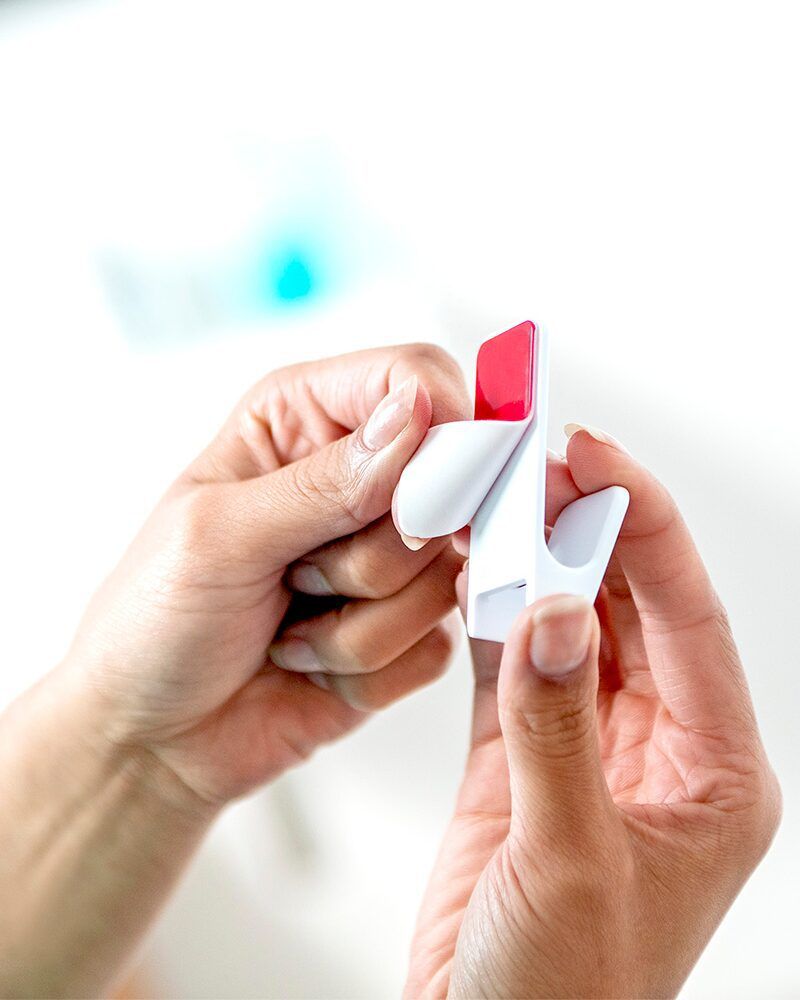
Credit: www.velcro.com
Step-by-step Removal Methods
Removing wall adhesive hooks can be tricky. The goal is to keep your walls smooth and clean. Follow these tips to avoid damage to paint or wallpaper. Small care steps make a big difference.
Avoiding Excessive Force
Pulling hooks too hard can peel paint or tear wallpaper. Gently wiggle the hook to loosen the adhesive. Use slow and steady pressure instead of quick yanks. Let the adhesive soften first by warming it with a hairdryer. This helps the hook come off easier. Patience protects your walls.
Protecting Paint And Wallpaper
Cover the area around the hook with painter’s tape. This shields paint edges from damage. Use a plastic card to slide under the adhesive. This lifts it without scraping paint. Avoid metal tools that can scratch surfaces. Test any remover on a hidden spot first. This prevents stains or fading on wallpaper and paint.
Tips To Prevent Wall Damage
Removing wall adhesive hooks often leaves sticky residue on the surface. This leftover glue can attract dirt and look messy. Cleaning it off carefully protects your wall’s paint and finish. Using the right methods helps remove residue without damage. Choose safe and effective cleaning options for best results.
Safe Adhesive Removers
Safe adhesive removers dissolve sticky residue without harming walls. Many are designed for delicate surfaces like painted drywall. Apply a small amount on a cloth and rub gently. Avoid harsh chemicals that can strip paint or leave marks. Test the remover on a hidden spot first. Follow instructions on the product label for best use.
Natural Cleaning Solutions
Natural cleaning solutions work well on mild adhesive residue. Warm soapy water softens glue for easy wiping. White vinegar breaks down sticky substances without harsh chemicals. Use a cloth soaked in vinegar to rub residue gently. Baking soda paste acts as a mild scrub to lift glue. These options are safe, affordable, and eco-friendly.
Cleaning Residue After Hook Removal
Sometimes, removing wall adhesive hooks is not easy. The process can cause damage or leave stubborn marks. Knowing when to call a professional saves time and prevents more harm. Professionals have the right tools and skills to fix tough problems safely.
Severe Wall Damage
Severe wall damage needs expert care. Large holes or deep scratches can worsen without proper repair. Professionals can patch and repaint walls smoothly. They restore walls to their original condition. Avoid trying to fix big damage alone. A professional ensures a clean, strong finish.
Stubborn Adhesive Residue
Some adhesive residue is hard to remove. Scraping or using wrong products can ruin paint or wallpaper. Professionals use safe solvents and techniques. They remove sticky leftovers without harming the wall. Calling a professional protects your wall’s look and texture. It saves effort and prevents costly mistakes.

Credit: www.youtube.com
Frequently Asked Questions
How Do I Safely Remove Wall Adhesive Hooks?
To safely remove wall adhesive hooks, gently pull the hook downward. Avoid pulling straight out to prevent wall damage. Use a hairdryer to warm the adhesive if it’s stubborn. This softens glue and eases removal without leaving marks or peeling paint.
Can I Reuse Adhesive Hooks After Removal?
Most adhesive hooks lose their stickiness after removal. Reusing them often results in weak adhesion. For best results, replace with new hooks to ensure secure hold and avoid damage to walls or items hung.
What Tools Help Remove Adhesive Hooks Effectively?
Use a hairdryer to warm the adhesive for easier removal. A plastic card or dental floss can help slide under the adhesive gently. Avoid metal tools that might damage the wall surface. Always work slowly to minimize damage.
How To Remove Sticky Residue Left By Hooks?
Apply rubbing alcohol or adhesive remover to residue. Let it sit for a few minutes, then gently wipe with a cloth. Avoid harsh scrubbing to protect the paint. Repeat if needed until the surface is clean and smooth.
Conclusion
Removing wall adhesive hooks does not have to be hard. Use gentle heat or oil to loosen the glue. Pull slowly to avoid damage to your wall. Clean leftover residue with soap and water. Patience helps prevent marks or scratches.
With these tips, your walls stay smooth and clean. Try these steps next time you need to remove hooks. A little care goes a long way in home care.