Are you planning to secure your sea wall with granite slabs and want it to last through storms and tides? Anchoring granite slabs with metal rods is a smart way to make your sea wall strong and stable.
But how do you do it correctly to ensure safety and durability? You’ll discover simple, step-by-step techniques to anchor your granite slabs firmly using metal rods. By the end, you’ll feel confident in protecting your sea wall from the harsh forces of nature.
Keep reading, and let’s make your sea wall rock solid together!
Choosing The Right Granite Slabs
Choosing the right granite slabs is key for a strong sea wall. The right slabs protect against waves and weather. They must hold metal rods well for firm anchoring. Good slabs last long and keep the wall stable. This section explains how to pick the best granite slabs for sea walls.
Types Of Granite For Sea Walls
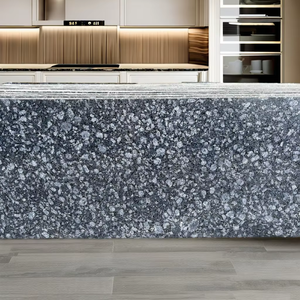
Granite varies in color, texture, and strength. Some types resist water and salt better. Darker granites often have fewer pores and resist damage. Coarse-grained granite is tougher and less likely to crack. Choose granite that handles harsh sea conditions well.
Size And Thickness Considerations
Slabs must be thick enough to hold metal rods securely. Thin slabs may break under pressure. Larger slabs cover more area and reduce gaps. But very large slabs are hard to move and place. Find a balance between size, weight, and ease of handling.
Durability And Weather Resistance
Granite must resist salt, wind, and water over time. Weather-resistant slabs prevent erosion and surface wear. Durable granite keeps sea walls strong for years. Test samples in local conditions before final selection. Choose slabs that maintain shape and strength in tough weather.

Credit: www.researchgate.net
Selecting Suitable Metal Rods
Selecting suitable metal rods is key to anchoring sea wall granite slabs securely. The rods must fit the environment and the weight of the slabs. Choosing the right rods helps prevent damage and keeps the structure safe for years.
Several factors influence this choice. These include the type of metal, the size of the rod, and its resistance to saltwater corrosion. Each factor affects the strength and durability of the sea wall.
Material Options For Rods
Steel rods are common for sea walls due to their strength. Stainless steel offers better corrosion resistance than regular steel. Galvanized steel has a protective zinc layer that slows rusting. Sometimes, fiberglass rods are used for their resistance to water and salt. Each material serves different needs and budgets.
Rod Diameter And Length
The rod diameter must match the weight of the granite slabs. Thicker rods hold more weight and stress. Thin rods may bend or break under pressure. The length depends on the thickness of the slab and depth of the wall. Rods should extend well into the foundation for a firm hold. Proper sizing prevents shifting or loosening over time.
Corrosion Resistance Factors
Saltwater causes metal to corrode quickly. Rods must resist rust to last long. Stainless steel resists corrosion better than plain steel. Protective coatings like galvanizing add an extra barrier. Regular inspection and maintenance help spot corrosion early. Choosing corrosion-resistant rods reduces repair costs and extends the sea wall’s life.
Preparing The Site
Preparing the site is the first step in anchoring sea wall granite slabs with metal rods. It ensures a strong and stable base for the installation. Proper preparation helps avoid future problems like shifting or cracking. Follow these steps carefully for best results.
Clearing And Leveling The Area
Remove all debris, plants, and loose soil from the site. Clear the area completely to expose solid ground. Use a shovel or rake to level the surface. A flat and even base is crucial for slab stability. Check the ground for soft spots and fill them with gravel or sand. Compact the area to prevent sinking later.
Measuring And Marking Placement
Measure the length and width of the wall carefully. Mark where each granite slab will go using chalk or spray paint. Keep the marks clear and spaced evenly. Accurate marking prevents gaps and uneven lines. Double-check measurements to avoid mistakes. This step helps the metal rods align perfectly with slabs.
Safety Precautions
Wear gloves, safety glasses, and sturdy shoes during preparation. Keep tools organized to avoid accidents. Be careful when handling heavy granite slabs and metal rods. Work with a partner if possible for extra safety. Follow local guidelines for site safety and environmental care.
Credit: www.alibaba.com
Anchoring Techniques
Anchoring granite slabs for a sea wall requires strong and reliable techniques. Proper anchoring keeps slabs stable against waves and weather. Using metal rods is a common method that offers durability and strength. This section explains key steps to anchor granite slabs effectively.
Drilling Holes In Granite Slabs
Drill holes carefully to avoid cracking the granite. Use a diamond-tipped drill bit for best results. Keep the drill speed low and steady. Make holes slightly larger than the metal rods. This allows room for adhesives and easy rod placement. Clean the holes to remove dust before installation.
Installing Metal Rods Securely
Choose rods made of stainless steel or galvanized metal. Insert rods into the drilled holes firmly. Make sure rods fit snugly but do not force them. Align rods straight to keep slabs stable. Cut rods to the correct length so they do not stick out.
Using Epoxy Or Cement For Stability
Apply epoxy or marine-grade cement inside the drilled holes. These materials bond the rods to the granite tightly. Fill the hole completely to avoid gaps. Hold the slab in position until the adhesive sets. This ensures a secure and long-lasting anchor.
Aligning And Securing The Slabs
Aligning and securing granite slabs is key to building a strong sea wall. Proper alignment ensures the wall looks neat and stays stable. Using metal rods helps hold the slabs tightly in place. This section explains how to position, space, and tighten the slabs for best results.
Positioning Slabs Accurately
Start by placing each granite slab on the metal rods carefully. Check the base level to keep the wall straight. Use a spirit level to confirm slabs are even. Make small moves to fit slabs tightly without gaps. Proper positioning stops slabs from shifting later.
Ensuring Even Spacing
Keep equal gaps between slabs to allow for expansion and drainage. Use spacers or wooden blocks to maintain distance. Measure gaps consistently along the wall length. Even spacing gives a clean look and prevents cracks.
Tightening And Final Adjustments
Once slabs sit well, tighten the metal rods to lock them. Use a wrench or pliers for a firm grip. Check slab alignment again after tightening. Adjust rods if some slabs move out of place. Tight rods keep slabs secure against water pressure.
Credit: www.belgard.com
Maintenance And Inspection
Maintaining and inspecting your sea wall granite slabs anchored with metal rods ensures long-lasting strength. Regular care prevents damage and keeps the structure safe against harsh sea conditions. Timely checks help spot problems early before they worsen. Follow these steps to maintain your sea wall efficiently.
Regular Checks For Corrosion
Metal rods can rust due to saltwater exposure. Look closely for any orange or brown spots on the rods. Check joints and connections where rods meet slabs. Corrosion weakens the rods and risks the wall’s stability. Schedule inspections every few months to catch rust early. Replace any heavily corroded rods immediately to avoid failure.
Repairing Loose Anchors
Granite slabs may shift if anchors loosen over time. Test each slab by gently pushing or tapping to find movement. Tighten any loose rods using proper tools. If rods are damaged or bent, swap them for new ones. Secure anchors keep slabs firmly in place, resisting strong waves and storms.
Cleaning And Upkeep Tips
Remove dirt, algae, and salt deposits from the slabs regularly. Use a soft brush and fresh water to clean surfaces without causing damage. Avoid harsh chemicals that can harm granite or metal rods. Keep drainage clear around the wall to prevent water buildup. A clean sea wall lasts longer and looks better.
Frequently Asked Questions
How Do Metal Rods Anchor Granite Sea Wall Slabs?
Metal rods are inserted through drilled holes in slabs. They secure slabs to underlying structures, preventing movement from waves or tides.
What Tools Are Needed To Anchor Granite Slabs?
You need a drill with masonry bits, metal rods, epoxy or grout, measuring tape, and safety gear for secure installation.
How Deep Should Metal Rods Be Embedded?
Rods should be embedded at least 12 inches into the base for strong anchoring and long-lasting stability of slabs.
Can Metal Rods Prevent Sea Wall Erosion?
Yes, metal rods firmly hold granite slabs. This reduces slab displacement and protects the sea wall from erosion and damage.
Conclusion
Anchoring sea wall granite slabs with metal rods keeps them strong and steady. This method helps resist water pressure and weather damage. Proper placement of rods is key for lasting support. Always check the rods and slabs regularly for safety.
With care, your sea wall will protect the shore well. Simple steps bring big results in sea wall building. Trust the process and maintain your work over time.