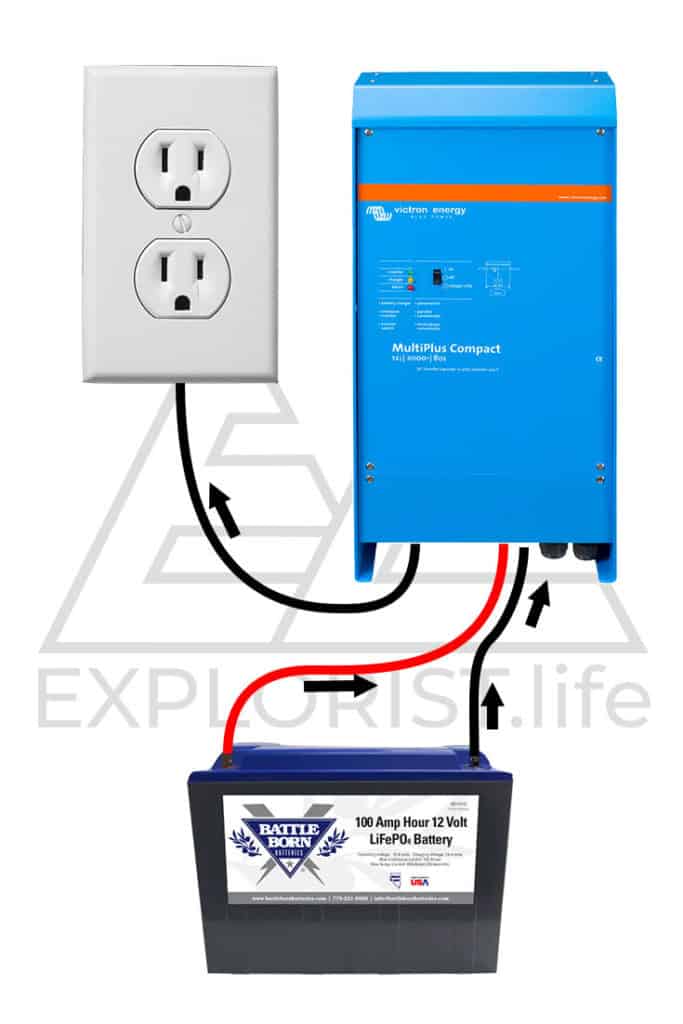
Are you looking to power your devices directly from a battery using a wall plug? Knowing how to hook up a wall plug to a battery can save you time, money, and keep your gadgets running when you’re off the grid.
But it’s not as simple as just connecting wires—you need to do it safely and correctly to avoid damage or accidents. In this guide, you’ll learn clear, step-by-step instructions that anyone can follow. Keep reading, and by the end, you’ll have the confidence to set up your own battery-powered wall plug without any hassle.
Credit: explorist.life
Tools And Materials Needed
Setting up a wall plug to a battery needs the right tools and materials. Having everything ready helps the task go smoothly. Safety and accuracy improve with the right items. This section lists what you need to start the project.
Essential Tools
- Screwdriver set – for opening and securing connections
- Wire stripper – to remove insulation from wires
- Multimeter – to check voltage and continuity
- Electrical tape – for insulating wire joints
- Drill – if mounting or modifying the plug is needed
- Pliers – to hold and bend wires securely
Required Materials
- Wall plug with proper voltage rating
- Battery suitable for your device
- Connecting wires with correct gauge
- Wire connectors or terminal blocks
- Heat shrink tubing for added insulation
- Protective gloves for safety
Safety Precautions
Handling electrical connections can be risky without the right safety steps. Follow these safety precautions to protect yourself and your equipment. Safety is the first priority when hooking up a wall plug to a battery. Small mistakes can cause shocks, burns, or damage. Always prepare properly before starting any electrical work.
Protective Gear
Wear insulated gloves to avoid electric shocks. Safety glasses protect your eyes from sparks or debris. Use clothes that cover your arms and legs. Avoid wearing metal jewelry like rings or bracelets. These can cause short circuits or burns. Prepare your workspace with a dry, clean surface to reduce hazards.
Power Off Procedures
Always disconnect power before starting the work. Unplug the wall socket to cut off electricity. Remove any connected devices from the battery. Double-check that no current is flowing in the wires. Use a voltage tester to confirm power is off. Work only in well-lit areas to see clearly. This reduces the chance of mistakes.
Choosing The Right Battery
Choosing the right battery is key for hooking up a wall plug to a battery. The battery must suit your device’s needs. It should have the right power and size. A wrong battery can cause damage or not work at all. Understanding types and voltage helps pick the best option.
Battery Types
There are many battery types. Lead-acid, lithium-ion, and nickel-metal hydride are common. Lead-acid batteries are heavy but cheap. Lithium-ion batteries last longer and weigh less. Nickel-metal hydride batteries offer a middle ground. Choose based on your power needs and budget.
Voltage Compatibility
Voltage is the force that pushes electric current. The battery voltage must match the wall plug’s voltage. Too high voltage can damage devices. Too low voltage can cause poor performance. Check the voltage rating on both battery and plug before connecting them.
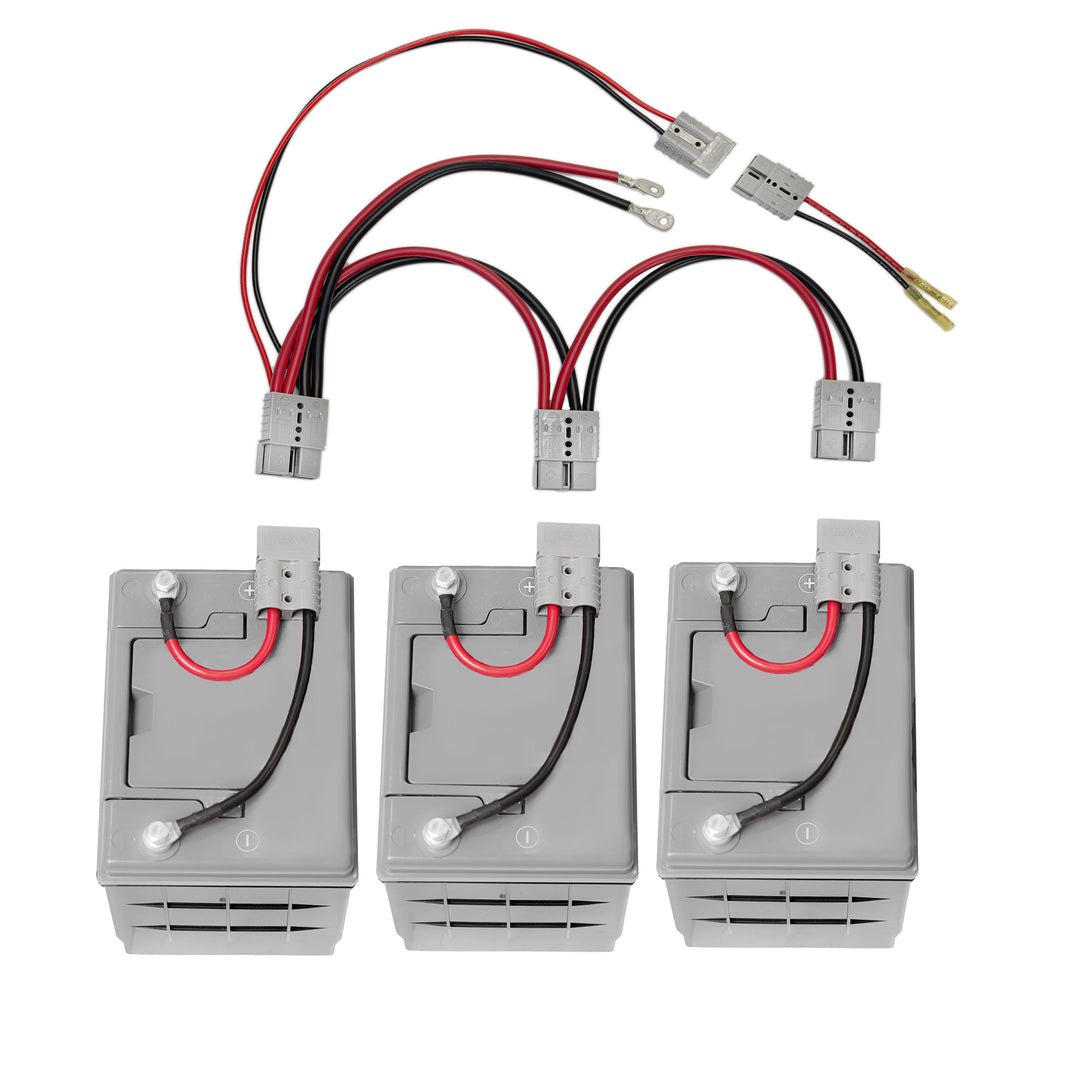
Credit: connect-ease.com
Preparing The Wall Plug
Preparing the wall plug is an important step before connecting it to a battery. It ensures safety and proper function. Taking time here will help avoid problems later.
Follow simple steps to get the plug ready. Start with checking the plug itself. Then, prepare the wires carefully for a strong connection.
Inspecting The Plug
Look closely at the wall plug. Check for cracks or damage on the outer shell. Damaged plugs can cause short circuits or sparks.
Make sure the plug’s pins are clean and straight. Bent or dirty pins can stop electricity flow. Replace the plug if any issues appear.
Stripping The Wires
Remove about half an inch of insulation from the wire ends. Use a wire stripper tool for this. Avoid cutting the wire strands inside.
Expose enough wire to fit securely into the plug terminals. Twisting the wire strands helps keep them tight. Loose wires may cause poor contact or heat.
Connecting The Wires
Connecting the wires is a key step in hooking up a wall plug to a battery. It needs care and attention. Correct wiring ensures safety and proper function. Follow each step carefully for the best results.
Identifying Positive And Negative
First, find the positive and negative wires. The positive wire is usually red or marked with a plus sign (+). The negative wire is often black or marked with a minus sign (−). Double-check the battery terminals. Connect red to positive and black to negative. Mixing these can damage your device or battery.
Securing Wire Connections
Strip the wire ends carefully to expose the metal. Twist the wire strands tightly to avoid frays. Use wire connectors or electrical tape to join wires securely. Loose connections cause sparks or power loss. Make sure each connection is tight and safe before powering up.
Testing The Connection
Testing the connection between a wall plug and a battery is essential. It ensures the setup works safely and efficiently. A poor connection can cause damage or fail to power your device. Proper testing saves time and prevents hazards.
Using A Multimeter
A multimeter helps check voltage and continuity. Set it to measure DC voltage. Connect the multimeter probes to the battery terminals and the wall plug wires. The reading shows if power flows correctly.
Check for the correct voltage range. If the voltage is too low, the connection might be faulty. If there is no reading, the circuit is open or disconnected.
Troubleshooting Common Issues
No voltage reading could mean loose wires or a bad connection. Tighten all screws and reconnect wires firmly.
Crossed wires cause short circuits. Check positive and negative terminals carefully. Reverse connections can damage the battery or plug.
Corrosion or dirt on terminals also blocks the flow of electricity. Clean the contacts with a dry cloth or sandpaper.
Tips For Long-term Use
Using a wall plug connected to a battery needs care for a long time. Small steps can keep your setup safe and working well. These tips help you avoid problems and get the best from your battery and plug.
Maintaining Battery Health
Keep the battery clean and dry. Dirt or moisture can cause damage and reduce battery life. Check the battery terminals often for corrosion. Use a soft cloth to wipe them clean.
Charge the battery regularly but do not overcharge. Overcharging can harm the battery cells. Use a charger that stops charging when full. Store the battery in a cool place. Heat makes batteries lose power faster.
Avoiding Overload
Know the power limits of your battery and wall plug. Do not connect devices that use more power than the battery can handle. Overload can cause the battery to heat up or fail.
Use fuses or circuit breakers to protect the system. These devices stop the current if it becomes too high. Check all connections to make sure they are tight and secure. Loose wires can cause sparks or power loss.

Credit: www.reddit.com
Frequently Asked Questions
How Do I Connect A Wall Plug To A Battery Safely?
To connect a wall plug to a battery safely, use a proper adapter and check polarity. Always ensure the battery voltage matches the plug requirements. Avoid direct connections without a converter to prevent damage or hazards.
What Tools Are Needed To Hook Up A Wall Plug To A Battery?
You need a multimeter, wire strippers, screwdrivers, and an appropriate adapter or inverter. These tools help measure voltage, strip wires, and ensure a secure connection between the wall plug and battery.
Can I Use A Regular Wall Plug With Any Battery?
No, not all batteries are compatible with regular wall plugs. Check the battery’s voltage and current rating before connecting. Using an incompatible plug can cause damage or safety risks.
Why Is Matching Voltage Important When Connecting To A Battery?
Matching voltage prevents overloading or underpowering the device. Incorrect voltage can damage the battery, the plug, or connected devices. Always verify voltage compatibility before hooking up a wall plug to a battery.
Conclusion
Hooking up a wall plug to a battery can be safe and simple. Follow each step carefully and use the right tools. Double-check all connections to avoid any problems. Take your time and stay focused on the task. This way, you ensure the setup works well and lasts long.
Always keep safety first during the process. Now, you have the basic knowledge to start your project confidently. Practice makes perfect. Keep learning and improving your skills with each attempt.