
Have you ever looked at your brick wall and wondered how to hang something sturdy without damaging it? Whether it’s a picture frame, a plant hanger, or a decorative piece, putting a hook on a brick wall can feel tricky.
But don’t worry—you’re about to learn the simple steps to do it right. Imagine being able to hang your favorite items securely, knowing they won’t fall or leave ugly marks. Keep reading, and by the end of this article, you’ll have the confidence and know-how to add hooks to your brick wall quickly and safely.

Credit: www.youtube.com
Choosing The Right Hook
Choosing the right hook is key for hanging items on a brick wall. The wrong hook can damage the brick or fail to hold your item securely. You need a hook that fits the wall type and the weight of what you want to hang.
Different hooks work better for different tasks. Some are easy to install, while others offer strong support. Picking the right one saves time and keeps your wall safe.
Types Of Hooks For Brick Walls
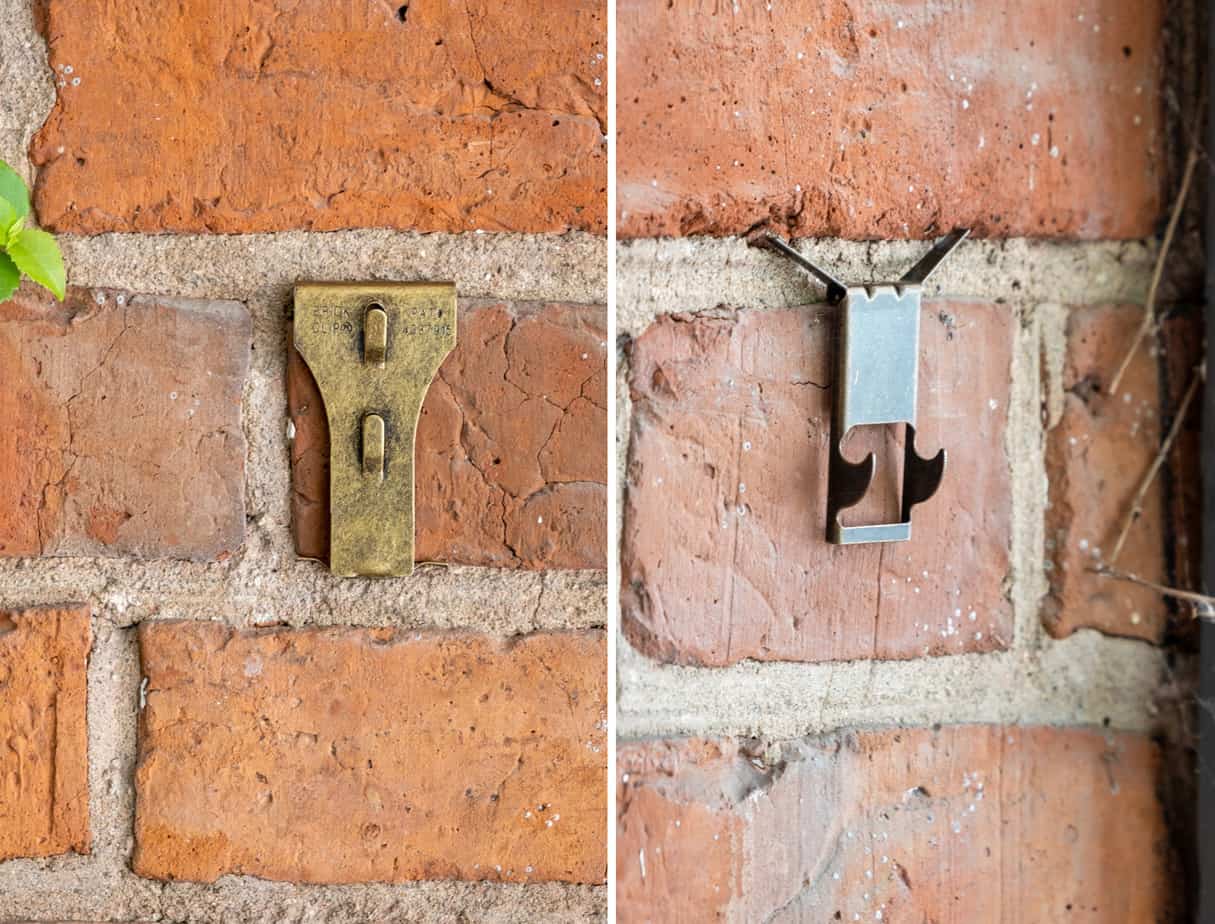
There are many types of hooks made for brick walls. Brick clips grip the brick without drilling. Masonry hooks require screws and anchors for a firm hold. Adhesive hooks stick to the surface but hold less weight. Choose a hook type based on how permanent and strong you want the hold.
Weight Capacity Considerations
Each hook has a weight limit. Check the package for the maximum weight the hook can hold. Heavy items need hooks with strong anchors. Lighter items can use adhesive or clip hooks. Using a weak hook for heavy items risks damage or injury.
Credit: www.theartofdoingstuff.com
Gathering Necessary Tools
Before you start putting a hook on a brick wall, gather the right tools. Having the correct tools makes the job easier and safer. This step saves time and effort.
Drill And Bits
Use a power drill with a masonry bit. Masonry bits are made to drill into hard materials like brick. Choose the bit size based on the anchor you will use. A good drill helps create clean holes quickly.
Anchors And Screws
Anchors hold the hook firmly in the brick wall. Plastic or metal anchors work well. Match the anchor size with the screw. Screws should be strong enough to hold the hook and the weight it will carry.
Safety Gear
Protect your eyes with safety goggles. Brick dust can harm your eyes. Wear gloves to protect your hands from rough surfaces. Ear protection is good if you use a loud drill. Safety gear keeps you safe during the job.
Preparing The Wall
Preparing the wall is the first step before putting a hook on a brick wall. This step ensures the hook will hold well and stay secure. Taking time to prepare the wall makes the job easier and safer.
Locating A Suitable Spot
Find a solid brick, not just the mortar between bricks. Mortar is softer and may not hold the hook firmly. Choose a spot that can support the weight of what you want to hang. Avoid bricks that look cracked or loose. Check the area carefully for any damage or dirt.
Cleaning The Surface
Clean the brick surface well before installing the hook. Use a wire brush to remove dust and loose particles. Wipe the area with a damp cloth to get rid of smaller debris. Let the wall dry completely before proceeding. A clean surface helps the hook stick better and last longer.

Credit: www.youtube.com
Drilling Into Brick
Drilling into brick requires care and the right tools. The brick is hard and can crack if you are not careful. Proper drilling makes the hook secure and the wall intact. Follow simple steps to drill safely and effectively.
Marking The Drill Point
Start by choosing the exact spot for your hook. Use a pencil to mark the point clearly. Check the height and alignment before marking. Measure twice to avoid mistakes. This helps guide your drill and keeps the hole in the right place.
Using The Right Drill Technique
Use a hammer drill with a masonry bit for brick. Start drilling slowly to make a small guide hole. Increase speed gradually while applying steady pressure. Avoid pushing too hard to prevent cracking. Drill to the depth needed for the anchor or screw. Clean out dust from the hole before inserting the hook hardware.
Installing Anchors
Installing anchors is a key step to hang a hook on a brick wall safely. Anchors support the hook and hold it firmly in place. They stop the hook from falling or loosening over time. Choosing the right anchor and placing it correctly matters a lot. The process is simple but needs care and the right tools.
Choosing Anchor Types
Pick an anchor that suits the brick wall and the hook size. Plastic anchors work for light items. Metal anchors hold heavier weights better. Sleeve anchors expand inside the hole for strong grip. Tapcon screws combine anchor and screw in one. Check the weight of the object before selecting an anchor. Avoid using anchors meant for drywall on brick.
Inserting Anchors Properly
Start by drilling a hole matching the anchor size. Use a masonry drill bit for clean holes in brick. Clean out dust inside the hole with a brush or air blower. Push or tap the anchor gently into the hole. It should fit snugly without force. For sleeve anchors, tighten the screw to expand the anchor inside. Make sure the anchor is flush with the wall surface. This keeps the hook stable and secure.
Attaching The Hook
Attaching a hook to a brick wall requires the right tools and careful steps. The process ensures the hook stays strong and holds weight safely. Start by choosing the right spot on the wall. Then prepare the surface for the hook installation.
Follow the steps to secure the hook firmly. This way, you avoid damage to the wall and keep your items safe. Let’s explore how to attach the hook using screws and test its stability.
Securing The Hook With Screws
First, mark the spot where the hook will go. Use a pencil to make small marks. Drill holes into the brick using a masonry drill bit. The holes must match the size of the wall plugs.
Insert wall plugs into the holes. They hold the screws tightly in the brick. Align the hook with the holes and push it against the wall.
Use screws to fix the hook in place. Tighten them with a screwdriver or drill. Make sure screws go in straight and deep. Avoid over-tightening to prevent cracking the brick.
Testing Hook Stability
After attaching the hook, check its strength. Pull gently on the hook to see if it moves. If it feels loose, tighten the screws more.
Hang a light item to test the hook’s hold. Watch for any signs of slipping or damage. If the hook holds steady, it is ready for heavier items.
Repeat the test with more weight gradually. This ensures safety and prevents accidents later. A stable hook means a secure wall mount for your needs.
Alternative Hanging Methods
Hanging items on a brick wall does not always need drilling. Alternative hanging methods offer simple and less damaging options. These methods work well for light to medium-weight objects. They keep your brick wall intact and look neat.
Adhesive Hooks
Adhesive hooks stick to the brick surface without holes. They come with a strong adhesive backing. Clean the brick area before applying the hook. Press the hook firmly and wait for the adhesive to set. Ideal for hanging small frames or decorations. Remove gently to avoid damage or residue on the brick.
Brick Clips
Brick clips grip onto the brick edges without tools. They fit snugly on the brick’s top or side. No drilling or glue is needed. Suitable for hanging lightweight items like string lights or wreaths. Easy to reposition or remove without leaving marks. Choose clips that fit your brick size for a secure hold.
Safety Tips And Maintenance
Safety and maintenance are key when putting a hook on a brick wall. Proper care keeps the wall strong and the hook secure. This section covers simple tips to protect your wall and keep the hook safe to use.
Avoiding Wall Damage
Choose the right hook size for your wall. Use anchors made for brick or masonry. Drill holes carefully to avoid cracking bricks. Do not hammer nails or screws directly into the brick. Protect the mortar by avoiding heavy loads on the hook.
Regular Hook Inspection
Check the hook often for any signs of wear or looseness. Tighten screws if needed. Look for cracks in the brick or mortar near the hook. Replace damaged hooks to prevent accidents. Clean the hook and wall area to stop rust and dirt build-up.
Frequently Asked Questions
How Do I Install A Hook On A Brick Wall?
First, choose the right masonry drill bit and anchors. Drill a hole into the mortar, insert the anchor, then screw in the hook securely.
What Tools Are Needed To Hang A Hook On Brick?
You need a hammer drill, masonry bit, wall anchors, screws, a screwdriver, and a pencil for marking the spot.
Can I Put A Hook Directly Into Brick?
It’s best to avoid drilling directly into brick. Drill into mortar for better grip and less damage.
What Weight Can A Brick Wall Hook Hold?
Weight capacity depends on anchor type and screw size. Most brick wall hooks support between 20 to 50 pounds safely.
Conclusion
Putting a hook on a brick wall is easier than it seems. Follow the right steps and use the proper tools. Take your time to mark and drill carefully. Choose anchors that fit your wall type. Secure the hook tightly to hold your items safely.
With patience, your hook will stay strong for a long time. Now you can hang pictures, plants, or decorations with confidence. Simple tools and clear steps make this task doable for anyone. Give it a try and enjoy your neatly hung items.


