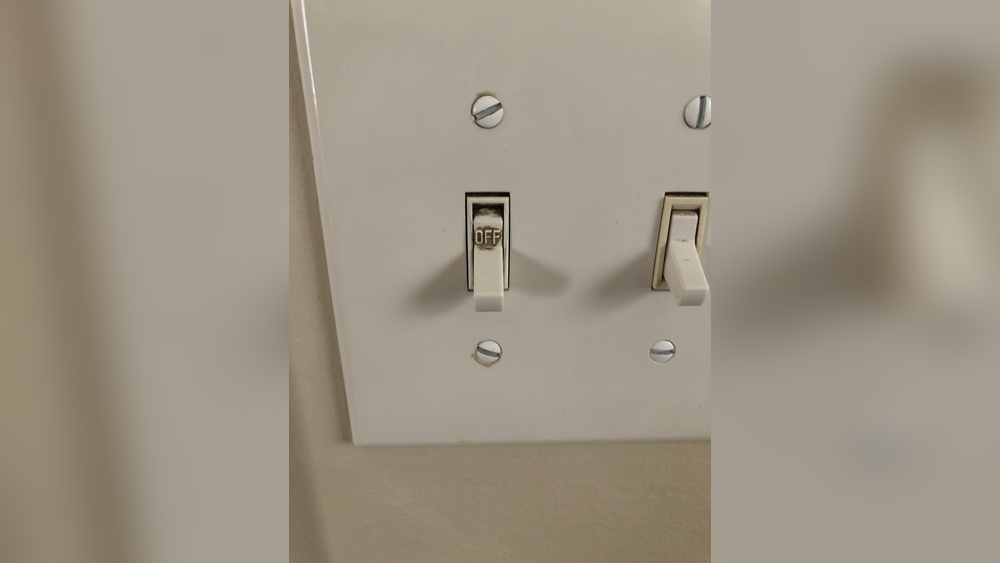
Your light switches are touched dozens of times a day, making them a hotspot for germs and bacteria. If you’ve ever wondered how to keep these small but important surfaces truly clean, you’re in the right place.
You’ll discover simple, effective ways to disinfect your light switches safely—protecting yourself and your loved ones from hidden risks. Keep reading to learn easy steps that make a big difference in your home’s hygiene.

Credit: www.youtube.com
Why Clean Light Switches Matter
Light switches are used many times a day. They are touched by many hands. This makes them a place where germs can live and spread easily. Cleaning light switches helps keep your home healthier. It stops the spread of bacteria and viruses. A clean switch means a safer environment for everyone.
Common Germ Hotspots
Light switches are often forgotten during cleaning. Many people touch them without washing hands first. This makes switches a common germ hotspot in homes and offices. Germs from hands stay on the switch surface. They can transfer to the next person who touches it. Places like kitchens, bathrooms, and entrances have the most germs on switches.
Risks Of Dirty Switches
Dirty light switches can cause illnesses. Germs on switches include viruses, bacteria, and fungi. These can cause colds, flu, and stomach problems. People with weak immune systems get sick more easily. Children and elderly are at higher risk. Regular cleaning reduces these health risks greatly. It also helps keep your family and coworkers safe.
Choosing The Right Disinfectants
Choosing the right disinfectants for light switches is important for safety and effectiveness. The wrong cleaner can damage the switch or leave harmful residues. Using safe and proper disinfectants helps keep your home clean and your switches working well.
Safe Cleaning Solutions
Choose disinfectants that kill germs but are gentle on surfaces. Soap and water mixed with a small amount of bleach works well. Alcohol-based wipes or sprays with at least 70% alcohol also clean effectively. Avoid harsh chemicals like ammonia or abrasive cleaners. These can harm the plastic or metal parts of the switch.
Avoiding Damage To Switches
Do not pour liquid directly onto the switches. Use a cloth or cotton swab lightly dampened with disinfectant. Wipe gently to avoid moisture entering the switch. Excess water can cause short circuits or rust. Always unplug power if you use strong chemicals. This protects both you and the switch from harm.
Preparation Before Cleaning
Preparing to disinfect light switches is important. It makes the cleaning process safe and effective. Taking a few simple steps before you start will help protect your home and yourself. Preparation ensures no damage to the switches and avoids accidents.
Focus on gathering the right supplies and turning off the power. Both steps are necessary for a smooth cleaning job.
Gathering Supplies
Collect everything needed before cleaning. Use a soft cloth or microfiber towel to avoid scratches. Have disinfectant wipes or a spray with at least 70% alcohol. Keep cotton swabs handy for tight spaces. Use gloves to protect your skin from chemicals. A small bowl of warm water can help with gentle cleaning. Avoid harsh chemicals that can damage switch covers.
Turning Off Power For Safety
Switch off the electricity to the light switch. This prevents electric shock during cleaning. Locate the circuit breaker and turn off the correct switch. Test the switch by pressing it to ensure no power flows. Use a non-contact voltage tester for extra safety. Never clean switches with wet hands or while power is on. Safety first. Always.

Credit: www.youtube.com
Step-by-step Cleaning Process
Cleaning light switches is important for a healthy home. Dust and germs collect on the surface. A simple, step-by-step process makes it easy. Follow these clear steps to keep switches clean and safe.
Wiping Down The Switch Plate
Start by turning off the power to the switch. Use a dry cloth to remove dust and dirt. Next, dampen a soft cloth with mild soap and water. Wipe the switch plate gently. Avoid letting water seep into the switch.
Disinfecting The Switch Surface
Choose a disinfectant safe for electronics. Spray it on a clean cloth, not directly on the switch. Wipe the entire switch surface carefully. This step kills germs and bacteria effectively. Make sure to cover all areas around the switch.
Drying And Finishing Touches
Use a dry cloth to remove moisture from the switch. Leave the switch plate open for air drying. Check the switch for any remaining dirt or spots. Turn the power back on after the surface is fully dry.
Frequency Of Cleaning Light Switches
Light switches are touched many times daily. Dirt, germs, and oils from fingers build up quickly. Regular cleaning keeps them safe and looking good. How often you clean depends on use and environment. Understanding the right frequency helps keep your home healthy.
Daily Vs. Weekly Cleaning
Daily cleaning suits homes with many people or kids. Wiping switches with a disinfectant cloth stops germs fast. It also removes oils and grime before buildup.
Weekly cleaning works well for smaller households or less busy rooms. A thorough wipe once a week keeps switches fresh. Use a mild cleaner and soft cloth for safety.
Special Situations
During flu season, increase cleaning to prevent sickness. Clean switches more often in kitchens and bathrooms. These areas get dirtier and hold more germs.
If someone is sick at home, sanitize switches daily. Use disinfectants that kill viruses and bacteria. This helps stop the spread of illness.
Additional Tips For A Germ-free Home
Keeping your light switches clean is important. But a germ-free home needs more care. Germs hide on many surfaces. Cleaning those helps keep illness away. Here are some extra tips to keep your home safe and clean.
Cleaning Other High-touch Areas
Focus on places touched often. Door handles, remote controls, and kitchen faucets collect germs fast. Wipe these with disinfectant regularly. Use a soft cloth to avoid damage. Don’t forget items like phones and keyboards. These get dirty quickly and can spread germs.
Maintaining Hand Hygiene
Clean hands stop germs from spreading. Wash hands with soap and water for 20 seconds. Do this after touching public surfaces or before eating. Use hand sanitizer when soap is not available. Teach children to wash hands well. Good hand hygiene helps protect everyone at home.

Credit: goodfellowselectrical.com.au
Frequently Asked Questions
How Often Should I Disinfect Light Switches?
Disinfect light switches at least once a week. Increase frequency during flu season or illness. Regular cleaning prevents germ buildup and reduces infection risk.
What Is The Safest Disinfectant For Light Switches?
Use alcohol-based wipes or sprays with at least 70% isopropyl alcohol. Avoid harsh chemicals that can damage switch surfaces or electrical components.
Can I Use Bleach To Disinfect Light Switches?
Bleach can be too harsh and may damage light switch covers. Opt for milder disinfectants like alcohol or commercial cleaners made for electronics.
Should I Turn Off Power Before Disinfecting Switches?
Yes, always turn off the power at the circuit breaker before cleaning. This prevents electrical shocks and protects your safety during disinfection.
Conclusion
Cleaning light switches helps stop the spread of germs. Use a soft cloth and safe disinfectant for best results. Regular cleaning keeps your home healthier and safer. Pay attention to high-touch areas every few days. Small habits make a big difference in hygiene.
Stay consistent and protect your family from illness. Simple steps lead to a cleaner, safer space. Keep your switches clean and germs away.

