Is your lamp not turning on because of a faulty light switch? It’s frustrating when a simple switch stops working, leaving your room in the dark.
But don’t worry—you don’t have to call a professional or buy a new lamp just yet. Fixing your lamp light switch can be easier than you think, and you can do it yourself in just a few steps. Keep reading, and you’ll learn how to bring your lamp back to life quickly and safely.
Your cozy, well-lit space is just a fix away!

Credit: www.youtube.com
Tools And Materials Needed
Fixing a lamp light switch requires some basic tools and materials. Having the right items makes the job easier and safer. You do not need many things, but each one plays an important role.
This section lists what you need to get started. Gather these before you begin the repair. It will save time and avoid frustration.
Safety Gear
Safety gear protects you while working with electricity. Use insulated gloves to stop electric shocks. Safety glasses keep your eyes safe from dust or small parts.
Tools
A screwdriver is essential for opening the lamp base and removing screws. A multimeter helps check if electricity flows through the switch. Needle-nose pliers help hold small wires and parts. Wire strippers prepare wires for connection.
Materials
Replacement switches match your lamp’s type and size. Electrical tape insulates wire connections to prevent shorts. Wire nuts secure wire ends safely. A small brush or cloth cleans dust from the switch area.
Safety Precautions
Fixing a lamp light switch requires careful attention to safety. Electrical work can be risky without the right precautions. Follow these safety steps to protect yourself and your home.
Turn Off The Power
Always unplug the lamp before starting any repair. Make sure no electricity flows to the switch. This step prevents shocks and accidents.
Use Proper Tools
Use insulated tools designed for electrical work. Avoid metal tools without insulation. They reduce the chance of electric shock.
Check For Damaged Wires
Inspect wires for cuts, frays, or burns. Damaged wires need replacement to avoid hazards. Handle them carefully to prevent injury.
Work In A Dry Area
Keep your workspace dry and clean. Water increases the risk of electric shock. Avoid fixing lamps near sinks or wet surfaces.
Wear Safety Gear
Wear rubber gloves and safety glasses. Gloves protect against shocks, glasses guard eyes from debris. Safety gear adds an extra layer of protection.
Identifying The Problem
Fixing a lamp light switch starts with finding the exact problem. You cannot fix what you do not understand. This section helps you identify the issue step by step. Follow these simple checks to know why your lamp is not working.
Checking The Bulb
First, check the bulb. A burnt-out bulb is the most common reason for no light. Remove the bulb from the socket carefully. Look for a broken filament or dark spots inside the bulb. Replace it with a new one to test. If the lamp lights up, the bulb was the problem.
Inspecting The Power Source
Next, check the power source. Make sure the lamp is plugged in securely. Test the outlet by plugging in another device. If the device works, the outlet is fine. If not, try a different outlet. A faulty power source can stop the lamp from turning on.
Testing The Switch
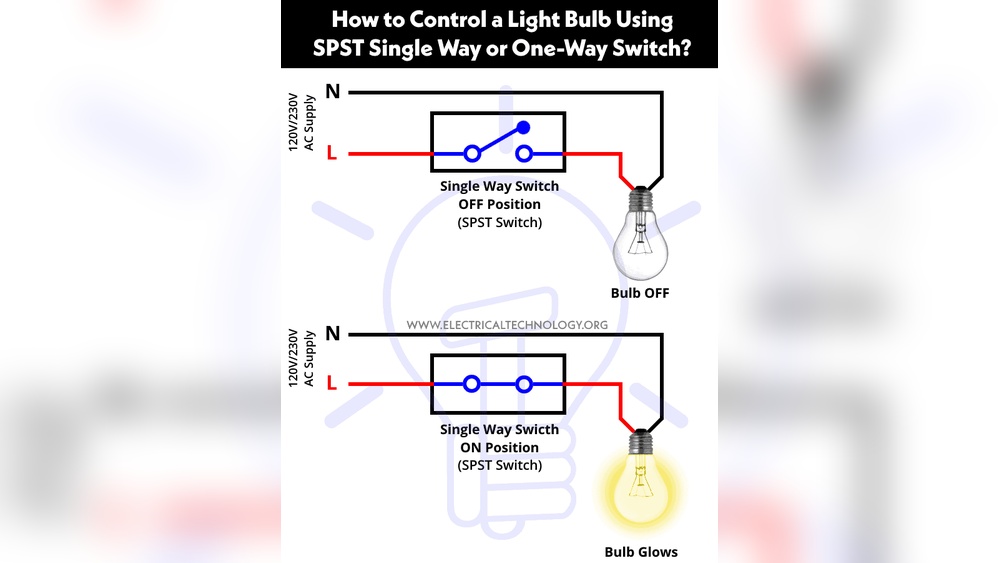
Last, test the switch. Turn the switch on and off several times. Listen for a clicking sound that shows it is working. Use a multimeter to check if the switch passes electricity. No continuity means the switch is broken. Replace the switch to fix the lamp.
Removing The Lamp Switch
Removing the lamp switch is the first step in fixing a faulty light switch. This task requires careful handling to avoid damage or electric shock. Follow these steps to safely remove the switch from your lamp.
Unplugging The Lamp
Always unplug the lamp before starting any repair work. This stops electricity from flowing and keeps you safe. Check that the lamp is not connected to any power source. Safety first.
Accessing The Switch
Remove the lampshade and light bulb to reach the switch. Look for a small nut or collar around the switch on the lamp neck. Use a wrench or pliers to loosen and remove it. Gently pull the switch out from the lamp body.
Disconnecting The Wires
Note how the wires connect to the switch. Use a screwdriver to loosen the screws holding the wires. Carefully disconnect the wires from the switch terminals. Avoid pulling the wires hard to prevent damage.
Repairing Or Replacing The Switch
Repairing or replacing a lamp light switch can restore your lamp’s function quickly. Sometimes, the switch stops working due to simple issues like loose wires or dirty contacts. Other times, a full replacement is needed to fix the problem. Understanding these steps helps save money and avoid buying a new lamp.
Fixing Loose Connections
Loose wires inside the switch cause flickering or no light at all. First, unplug the lamp and remove the switch cover. Check each wire connection carefully. Tighten any loose screws holding the wires. Make sure the wires sit firmly in their terminals. Test the switch after reassembling to see if the light works.
Cleaning The Switch Contacts
Dirt and dust can build up on the switch contacts over time. This buildup stops electricity from flowing smoothly. Unplug the lamp and open the switch housing. Use a small brush or a cotton swab with rubbing alcohol to clean the contacts. Let them dry fully before closing the switch. This simple cleaning often fixes the switch’s function.
Installing A New Switch
Sometimes, replacing the switch is the best option. Buy a new switch that fits your lamp model. Unplug the lamp and remove the old switch carefully. Note the wire positions before disconnecting them. Attach the wires to the new switch terminals in the same order. Secure all connections and close the switch cover. Test the lamp to ensure the new switch works well.

Credit: www.amazon.com
Reassembling The Lamp
Reassembling the lamp is the final step after fixing the light switch. It brings all parts back together and makes the lamp ready to use. Take your time to ensure each piece fits correctly. This step is simple but important for safety and function.
Preparing The Parts
Start by organizing all pieces in front of you. Check the switch, lamp base, and socket. Make sure nothing is broken or missing. Clean dust or dirt from parts. This helps the lamp work better.
Reattaching The Switch
Place the switch back into its slot carefully. Align wires as they were before. Tighten screws to hold the switch firmly. Avoid forcing parts to prevent damage.
Connecting The Socket And Bulb
Fit the socket onto the lamp base. Secure it using screws or clips. Screw in the light bulb gently. Avoid over-tightening to stop breakage.
Testing The Lamp
Plug the lamp into the power outlet. Turn the switch to check the light. Make sure the bulb lights up without flickering. If it works, the lamp is ready.
Testing The Repair
Testing the repair is a key step after fixing a lamp light switch. It shows if your work was successful or if more fixing is needed. Careful testing helps avoid future problems with the lamp.
Start by making sure the lamp is unplugged before checking anything. Safety first. Then, check the switch connections to see if they are tight and clean. Loose or dirty wires can cause the lamp not to work.
Check The Switch Function
Plug the lamp back in. Turn the switch on and off a few times. The light should come on without flickering or delay. If it does, the switch is likely fixed. If not, the problem may still be inside the switch.
Use A Multimeter To Test
A multimeter can help you check the switch’s electrical flow. Set it to measure continuity. Place the probes on the switch terminals. The meter should beep or show zero resistance when the switch is on. No beep means the switch still has issues.
Observe The Lamp’s Behavior
Watch the lamp for a few minutes while it is on. The light should stay steady. No flickering or dimming means the repair is good. If the lamp acts strange, test the wiring again. The problem may be in the lamp cord or bulb socket.
Tips To Prevent Future Issues
Preventing future problems with your lamp’s light switch saves time and effort. Small care steps keep the switch working well for years. Simple habits stop damage and avoid the need for repairs.
These tips help maintain your lamp switch’s condition. Follow them to enjoy steady light and fewer issues.
Keep The Switch Clean And Dry
Dust and moisture cause the switch to fail. Wipe the switch gently with a dry cloth. Avoid using water or cleaning sprays near the switch. Keep the lamp in a dry area to protect it.
Use The Correct Bulb Wattage
Using bulbs with too high wattage stresses the switch. Check the lamp’s label for the right bulb size. Choose bulbs that match the recommended wattage. This prevents overheating and extends switch life.
Avoid Frequent On-off Switching
Turning the lamp on and off repeatedly wears out the switch. Give the switch a break by not flipping it too fast. Use the switch gently to avoid loose parts. This reduces switch damage over time.
Inspect The Switch Regularly
Check the switch for any signs of wear or damage. Look for cracks, looseness, or strange noises. Fix small problems early to prevent bigger failures. Regular checks keep your lamp safe and working.
Handle The Lamp With Care
Rough handling can damage the switch and wiring. Move the lamp carefully, avoiding sharp pulls on the cord. Place it where it won’t be knocked over. Careful use helps keep the switch intact.

Credit: www.reddit.com
Frequently Asked Questions
How Do I Know If My Lamp Switch Is Faulty?
Check if the lamp does not turn on when switched. Inspect for loose connections or visible damage. A faulty switch often causes intermittent or no power flow.
Can I Fix A Lamp Switch Without Tools?
Basic fixes like tightening connections may not require tools. However, most repairs need a screwdriver and replacement parts for safety and effectiveness.
What Replacement Switch Fits Most Table Lamps?
A standard rotary or toggle switch usually fits most table lamps. Ensure you match the voltage and wiring type for compatibility and safety.
How Long Does It Take To Fix A Lamp Switch?
Fixing a lamp switch typically takes 10 to 30 minutes. Time depends on your skill level and the complexity of the lamp design.
Conclusion
Fixing a lamp light switch is simpler than it seems. You just need basic tools and careful steps. Always remember to unplug the lamp before starting. Take your time and follow the instructions closely. Small problems often cause the switch to fail.
Replacing or cleaning the switch usually solves the issue. A working lamp brings light and comfort to any room. Try fixing it yourself and save money. You can do it safely and easily with patience. Keep your lamp shining bright for many more nights.