Are you tired of coats and bags cluttering your space? Putting a coat hook on the wall is a simple way to keep things neat and within reach.
But if you’ve never done it before, the idea might seem tricky. Don’t worry—you’re about to learn an easy, step-by-step method that anyone can follow. By the end of this article, you’ll have a sturdy coat hook ready to use, making your room more organized and your daily routine smoother.
Let’s get started and make your wall work for you!

Credit: www.reddit.com
Choose The Right Hook
Choosing the right coat hook is important for a sturdy and stylish wall mount. The perfect hook holds your coats safely and fits your room’s look. Consider several factors before picking the best hook for your wall.
Types Of Coat Hooks
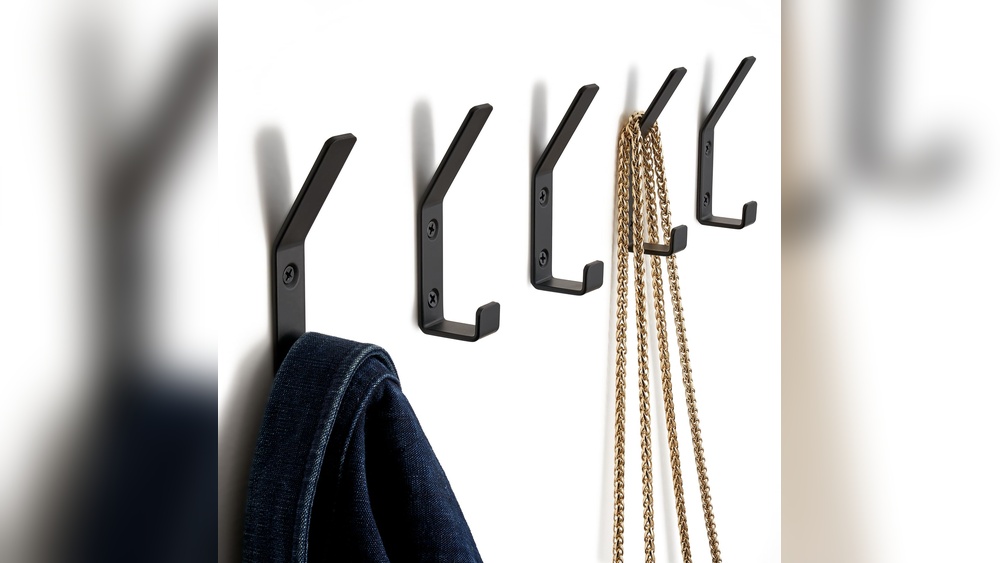
Coat hooks come in many shapes and sizes. Single hooks are simple and good for small spaces. Double hooks offer extra hanging space on one spot. Peg hooks are round and easy to use. Some hooks have a modern look, while others appear classic. Choose the type that fits your needs and space.
Material And Durability
Strong materials make hooks last longer. Metal hooks are tough and can hold heavy coats. Wood hooks add warmth but may wear out faster. Plastic hooks are light but less durable. Pick a material that suits your coat weight and room use.
Design And Style Options
Coat hooks come in many designs to match your decor. Simple hooks blend well with any room. Decorative hooks can add charm and character. Some hooks have smooth finishes, others have rustic looks. Choose a style that fits your home and personal taste.
Select The Best Location
Gathering the right tools is the first step to put a coat hook on the wall. Having everything ready makes the job easier and faster. You avoid stopping in the middle to find something. This section lists the tools and safety gear you need.
Essential Tools List
- Drill or screwdriver
- Measuring tape
- Level
- Wall anchors and screws
- Pencil for marking
- Stud finder (optional but helpful)
Safety Equipment
- Safety goggles to protect your eyes
- Gloves to protect your hands
- Dust mask to avoid breathing dust
Optional Accessories
- Hammer for wall anchors
- Step stool or ladder for high places
- Masking tape to mark drill spots
Gather Necessary Tools
Marking the mounting points is a key step in putting a coat hook on the wall. This step ensures the hook stays straight and secure. Precise marks help avoid holes in the wrong places.
Take your time to mark the spots carefully. This makes the installation smooth and the hook strong enough to hold coats.
Measuring And Leveling
Start by measuring the distance between the holes on the coat hook. Use a tape measure for accuracy. Next, decide the height you want the hook on the wall. Mark this height lightly with a pencil. Use a level to draw a straight line across the wall. This line guides where to place your marks.
Using A Pencil And Level
Use a sharp pencil to make small marks on the wall. These marks show where screws will go. Hold the hook against the wall, lining it up with the level line. Mark through the holes on the hook. Make sure the marks are clear but light to erase if needed.
Double-checking Placement
Check your marks again before drilling. Hold the hook on the wall to see if the marks match the holes. Use the level one more time to confirm the hook will be straight. Adjust marks if they look off. Accurate marks mean a strong and neat installation.

Credit: www.amazon.com
Mark The Mounting Points
Drilling holes in the wall needs careful steps to avoid accidents and damage. Safety is important for a clean, strong installation. Follow simple tips to drill holes safely for your coat hook.
Choosing Drill Bits
Select the right drill bit for your wall type. Use masonry bits for brick or concrete walls. Wood bits work best on wooden surfaces. Match the bit size to the screw or anchor size for a tight fit. This prevents loose holes and falling hooks.
Handling Different Wall Types
Know your wall before drilling. Drywall needs gentle pressure and anchors to hold weight. Brick or concrete walls require a hammer drill and special bits. Avoid drilling near pipes or electrical wires. Use a stud finder to locate safe spots for drilling.
Preventing Wall Damage
Mark the drilling spot clearly. Start with a small pilot hole to guide the drill. Drill slowly and steadily to avoid cracking or chipping. Use wall anchors for extra support and prevent holes from enlarging. Clean dust after drilling to keep the area neat.
Drill Holes Safely
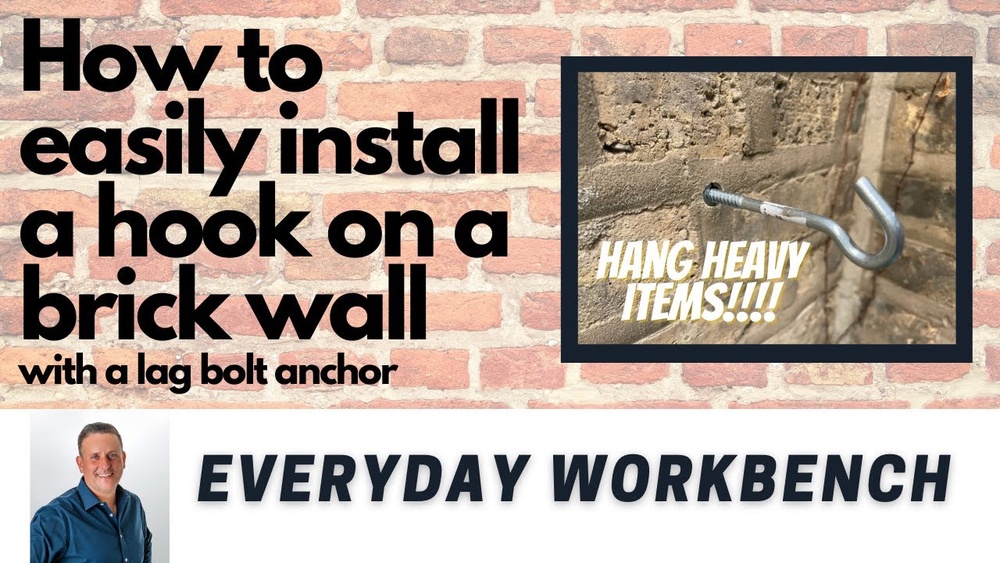
Installing wall anchors is a key step when hanging coat hooks on drywall or hollow walls. Anchors hold screws firmly in place, preventing damage and ensuring the hook stays secure. Without anchors, screws can pull out easily, especially under weight.
This section explains when to use anchors, types available, and how to install them properly. Follow these tips to make your coat hook strong and safe.
When To Use Anchors
Use wall anchors if you cannot screw directly into a wall stud. Drywall alone is not strong enough to hold heavy items. Anchors provide extra support for screws in drywall or plaster. Also use anchors in hollow walls like plasterboard or paneling. They stop screws from loosening or pulling out.
Types Of Anchors
Plastic expansion anchors are common for light loads. They expand inside the wall when you insert the screw. For heavier coats, use metal anchors or toggle bolts. Metal anchors grip the drywall better. Toggle bolts have wings that open behind the wall for strong hold. Choose anchors based on the hook’s weight and wall type.
Proper Anchor Installation
Start by drilling a hole sized to the anchor. The hole must be clean and straight. Push or tap the anchor into the hole until flush with the wall. Insert the screw slowly, allowing the anchor to expand or the toggle to open. Tighten the screw, but avoid overtightening which can damage the wall. Test the hook by gently pulling to check stability.
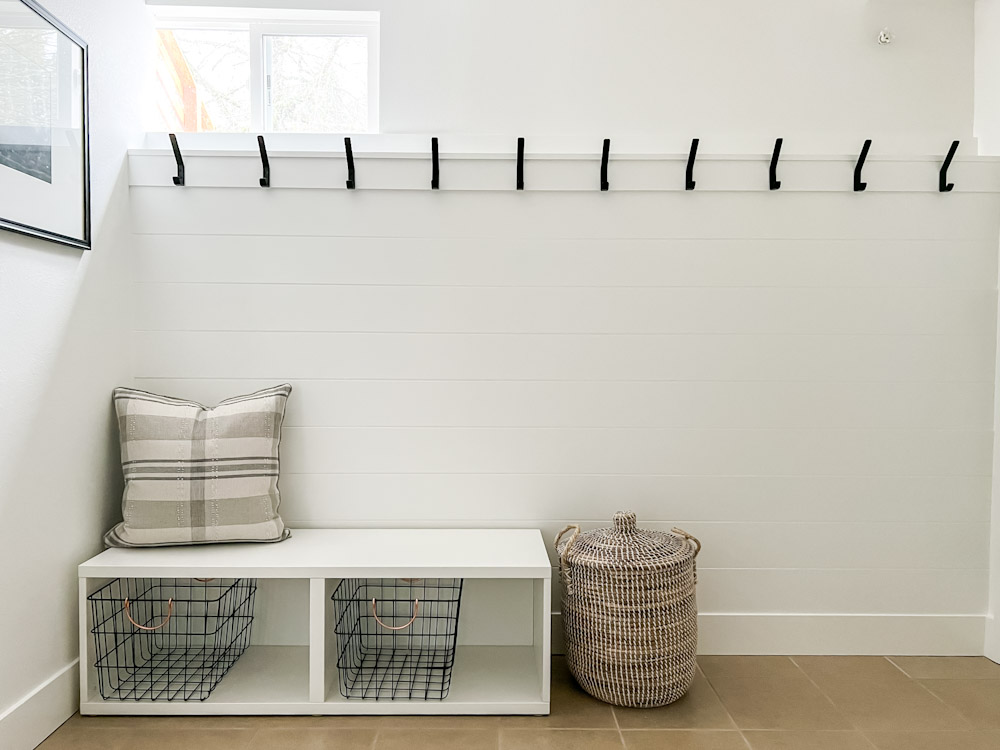
Credit: smallishhome.com
Install Wall Anchors
Attaching the coat hook to the wall is a simple step that needs care. This part ensures the hook stays firm and holds your coats safely. Follow these steps to do it right and avoid any damage or accidents.
Aligning The Hook
Place the coat hook on the marked spot on the wall. Make sure it is straight and even. Use a level tool for perfect alignment. This helps the hook look good and work well.
Screwing In Place
Use screws that match the hook and wall type. Hold the hook steady and start screwing into the wall. Tighten the screws until the hook feels secure. Avoid overtightening to prevent damage.
Ensuring Stability
Check if the hook is firmly attached by gently pulling it. If it moves, tighten the screws more. For heavy coats, use wall anchors for extra support. A stable hook lasts longer and keeps your items safe.
Attach The Coat Hook
Testing the strength of your coat hook is a key step after installation. It ensures the hook can hold the weight without falling. This step helps keep your items safe and avoids wall damage. Let’s explore how to test it properly and keep it sturdy over time.
Applying Weight Safely
Start by hanging light items first, such as a small bag or scarf. Gradually increase the weight to heavier objects. Avoid sudden or heavy loads at once. This approach prevents damage to the wall or hook. Check if the hook stays firmly attached without moving.
Making Adjustments
If the hook feels loose, tighten the screws or anchors. Use a screwdriver to secure it better. For drywall, consider stronger anchors for more support. Make sure the hook is level and straight. Test the hook again after adjustments to confirm stability.
Maintenance Tips
Regularly check the hook’s tightness to keep it secure. Clean the area around the hook to avoid dust buildup. Avoid hanging very heavy items beyond the hook’s limit. Replace worn screws or anchors promptly. Proper care extends the hook’s life and safety.
Frequently Asked Questions
How Do I Choose The Right Wall For A Coat Hook?
Select a sturdy wall, preferably drywall with studs or solid wood. Avoid weak or hollow surfaces to ensure secure mounting.
What Tools Are Needed To Install A Coat Hook?
You need a drill, screwdriver, wall anchors, screws, a level, and a pencil for accurate placement and secure fixing.
How Do I Find Studs For Mounting A Coat Hook?
Use a stud finder or tap the wall to detect a solid sound indicating studs for strong support.
Can I Install A Coat Hook On Drywall Without Studs?
Yes, use heavy-duty wall anchors designed for drywall to securely hold the weight of coats and bags.
Conclusion
Putting a coat hook on the wall is simple and quick. Choose the right spot and tools before starting. Use screws and anchors to keep the hook strong. Measure carefully to ensure it stays level. This small task can make your space more organized.
Enjoy hanging coats neatly and saving room. With a little effort, your wall looks tidy. Try it yourself and see the difference.