Are you struggling to lift your vehicle higher than your floor jack allows? Whether you’re working on tough repairs or need extra clearance, knowing how to safely raise your car beyond the usual limits can save you time and frustration.
In this guide, you’ll discover simple, effective methods to lift your vehicle higher without risking damage or injury. Keep reading to learn practical tips that put you in control and make your next project easier than ever.
Choosing The Right Jack
Choosing the right jack is key to lifting higher than a floor jack. The right tool ensures safety and ease. Picking the wrong jack can cause accidents or damage to your vehicle. Understand the types, weight limits, and build before buying. This helps you find a jack that fits your needs perfectly.
Types Of Floor Jacks
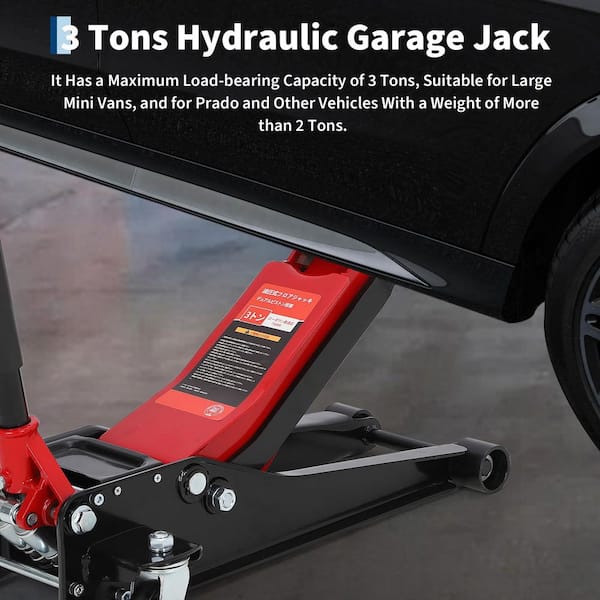
There are several types of floor jacks. Hydraulic jacks use fluid pressure to lift heavy objects smoothly. Scissor jacks work with a twisting motion and are smaller. Bottle jacks are compact and use hydraulic power too. Each type has a different lifting height and strength. Choose one based on your vehicle and space.
Weight Capacity Considerations
Check the weight capacity before selecting a jack. The jack must hold more than your vehicle’s weight. A low capacity jack can fail under pressure. Look for a jack with a capacity 20-30% higher than your vehicle. This extra margin keeps lifting safe and stable. Never overload a jack beyond its limit.
Material And Build Quality
Strong materials make jacks durable and safe. Steel is common and very sturdy. Aluminum jacks are lighter but still strong. Avoid cheap plastic parts that break easily. Look for solid construction and good welding. A well-built jack lasts longer and lifts more safely.
Preparing The Vehicle
Preparing the vehicle is the first step to lift it safely and higher than a floor jack alone can manage. Proper preparation keeps the car steady and prevents accidents. Taking time to set up correctly helps the lifting process go smoothly.
Selecting A Stable Surface
Choose a flat, hard surface for lifting the vehicle. Avoid soft ground or slopes. A concrete or asphalt driveway works best. This stability stops the jack or lift from tipping. Safety starts with a solid base.
Using Wheel Chocks
Place wheel chocks behind the tires that stay on the ground. These stop the vehicle from rolling. Use strong chocks made for cars or trucks. They add an extra layer of safety during lifting.
Locating Proper Lift Points
Find the vehicle’s lift points before raising it. Check the owner’s manual for exact spots. These points support the car’s weight safely. Placing the jack or lift here prevents damage to the vehicle.
Extending Lift Height Safely
Extending the lift height beyond a floor jack’s limit requires care and safety. Lifting a vehicle higher than usual can be risky without the right tools and techniques. The goal is to increase height while keeping the vehicle stable and secure. Follow safe methods to avoid accidents and damage. This section explains how to extend lift height safely.
Using Jack Stands For Extra Height
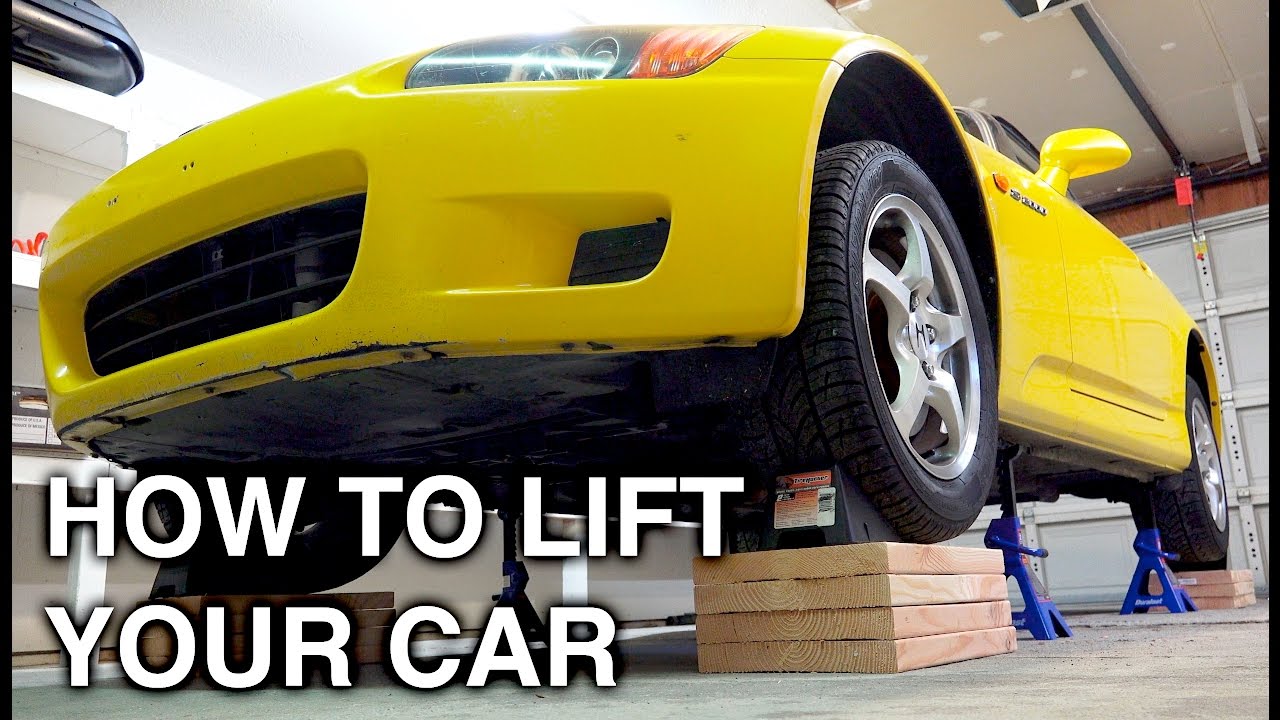
Jack stands provide extra support after lifting with a floor jack. Place the stands under strong points of the vehicle. Adjust the height of the stands to raise the car higher than the jack alone. Always lower the vehicle slowly onto the stands. Never rely on the jack only for holding the car up. Jack stands keep the vehicle steady and reduce the risk of falls.
Stacking With Caution: Blocks And Ramps
Stacking wood blocks or using ramps can add height to your lift. Use solid, flat blocks made for lifting. Place blocks carefully under the jack or vehicle frame. Avoid loose or cracked wood as it can break. Ramps offer a gradual increase in height and good stability. Check that all surfaces are level before lifting. Never stack too high or use unstable materials.
Hydraulic Extensions And Adapters
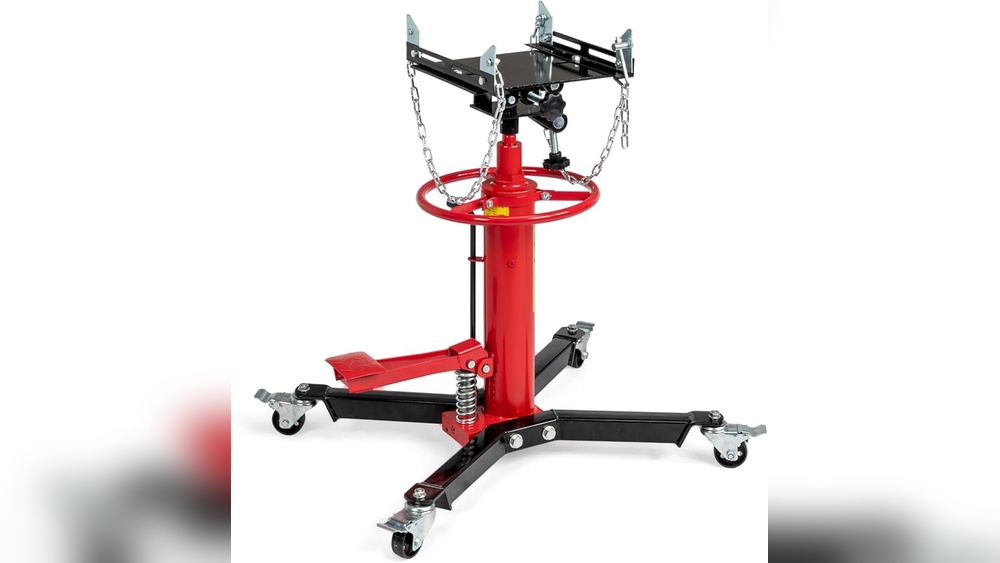
Hydraulic extensions fit onto your floor jack to increase reach. They add a few extra inches safely and steadily. Choose extensions designed for your jack model. Adapters help lift tricky parts of a vehicle. Always check the weight limit of extensions and adapters. Using these tools keeps your lift balanced and prevents slipping.

Credit: www.amazon.com
Safety Measures To Follow
Lifting a vehicle higher than a floor jack’s limit demands careful attention to safety. Neglecting safety can cause accidents and damage. Follow key safety steps to protect yourself and your vehicle.
These measures help keep the lift stable and secure. They also prevent the jack from failing or slipping. Safety is the top priority when lifting heavy objects.
Avoiding Overloading
Never lift more weight than the jack’s rated capacity. Check the jack’s label for its maximum load. Overloading can cause the jack to break or collapse. Use a jack with a higher capacity for heavier vehicles. Always distribute weight evenly to avoid tipping.
Ensuring Stability During Lift
Place the jack on a flat, hard surface before lifting. Avoid soft or uneven ground that can cause slipping. Use jack stands to support the vehicle after lifting. Do not rely only on the jack to hold the load. Make sure the vehicle is steady before working underneath it.
Regular Maintenance And Inspection
Inspect the jack for damage or wear before each use. Check for leaks, cracks, or rust on moving parts. Lubricate joints and screws regularly to keep them working smoothly. Replace any worn or damaged parts immediately. Proper maintenance extends the jack’s life and ensures safe operation.
Troubleshooting Common Issues
Troubleshooting common issues with a floor jack helps keep lifting safe and easy. Problems like not reaching full height, leaks, or uneven lifting can stop your work. Knowing how to spot and fix these problems saves time and effort. Here are some common issues and simple ways to solve them.
Jack Not Lifting To Full Height
The jack may not rise fully due to air trapped in the hydraulic system. Bleeding the jack releases the air and restores full lifting height. Check for low hydraulic fluid. Refill with the correct oil to fix this issue. Dirt or rust inside the pump can block movement. Clean or replace parts if needed for smooth operation.
Leaks And Hydraulic Problems
Leaks cause loss of pressure and weak lifting power. Inspect seals and hoses for cracks or damage. Replace any worn parts to stop leaks. Hydraulic fluid level must stay full. Low fluid causes poor performance. Use the right fluid type for your jack model. Keep the jack clean to avoid dirt entering the system.
Uneven Lifting And Tilting
Uneven lifting makes the load unsafe and unstable. Check the jack’s base and lifting arm for damage or bending. Make sure the jack is on a flat, solid surface. Uneven ground causes tilting. Lubricate all moving parts for smooth, even lifting. Replace damaged parts to maintain balance and safety.
Credit: www.homedepot.com
Credit: www.youtube.com
Frequently Asked Questions
How Can I Safely Lift Higher Than A Floor Jack Allows?
Use jack stands or a hydraulic lift to increase height safely. Always ensure the vehicle is stable before working underneath. Avoid overextending the floor jack alone as it can be dangerous.
What Tools Help Lift A Vehicle Higher Than A Floor Jack?
Hydraulic bottle jacks, ramps, and jack stands help lift a vehicle higher. Combining these tools ensures safety and stability when working on elevated vehicles.
Can I Use A Jack Extension With My Floor Jack?
Yes, jack extensions can increase lifting height but must be compatible. Always check weight limits and stability before use to avoid accidents.
Why Shouldn’t I Rely Solely On A Floor Jack For Height?
Floor jacks are designed for lifting, not holding vehicles long-term. Use jack stands for support to prevent accidents and ensure safety during repairs.
Conclusion
Lifting higher than a floor jack takes care and the right tools. Use sturdy supports and check weight limits often. Always work on flat, solid ground for safety. Take your time and follow each step carefully. Avoid rushing to prevent accidents and damage.
Remember, safety always comes first when lifting heavy objects. With the right approach, you can lift higher with confidence. Stay safe and keep practicing good habits every time you lift.