Are you looking to hang something on your brick wall but unsure how to do it without damaging the surface? Putting a hook in a brick wall might seem tricky, but with the right steps, you can do it safely and securely.
Whether it’s for a plant, a picture frame, or a decorative piece, this guide will help you get it right the first time. Keep reading, and you’ll learn simple, effective techniques that anyone can follow—even if you’ve never drilled into brick before.
Your wall will hold your items firmly, and you’ll feel confident in your DIY skills. Let’s get started!
Choosing The Right Hook
Choosing the right hook for a brick wall is important for safety and durability. The right hook holds your items firmly without damaging the wall. It depends on what you want to hang and the wall’s condition.
Different hooks serve different purposes. Weight and material affect the choice. Understanding these factors helps you pick the best hook for your needs.
Types Of Hooks For Brick Walls
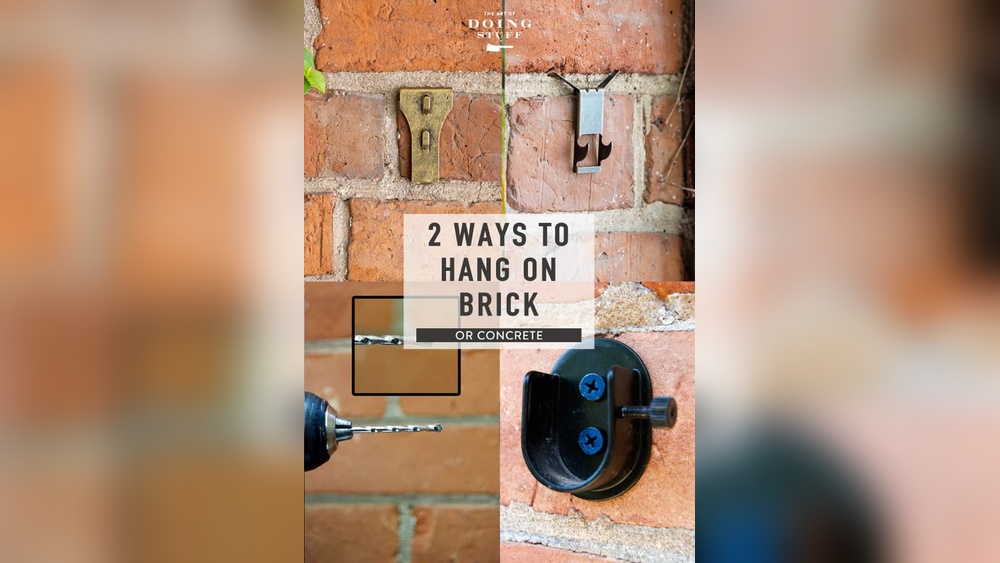
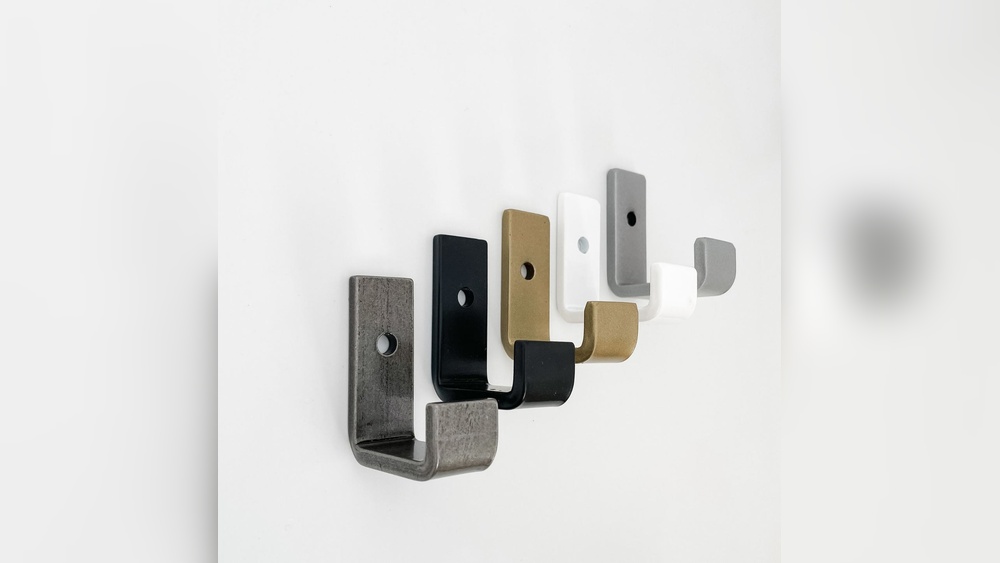
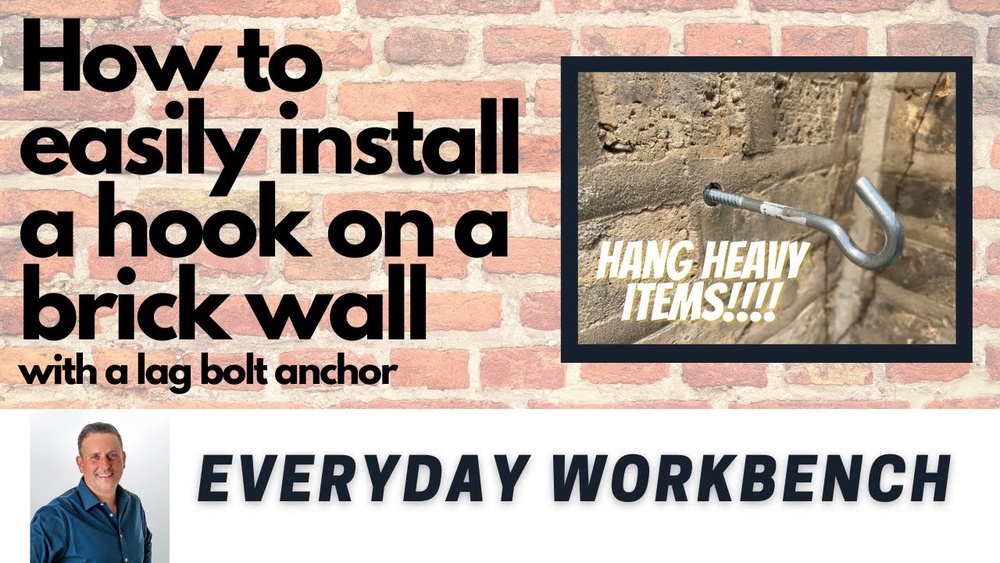
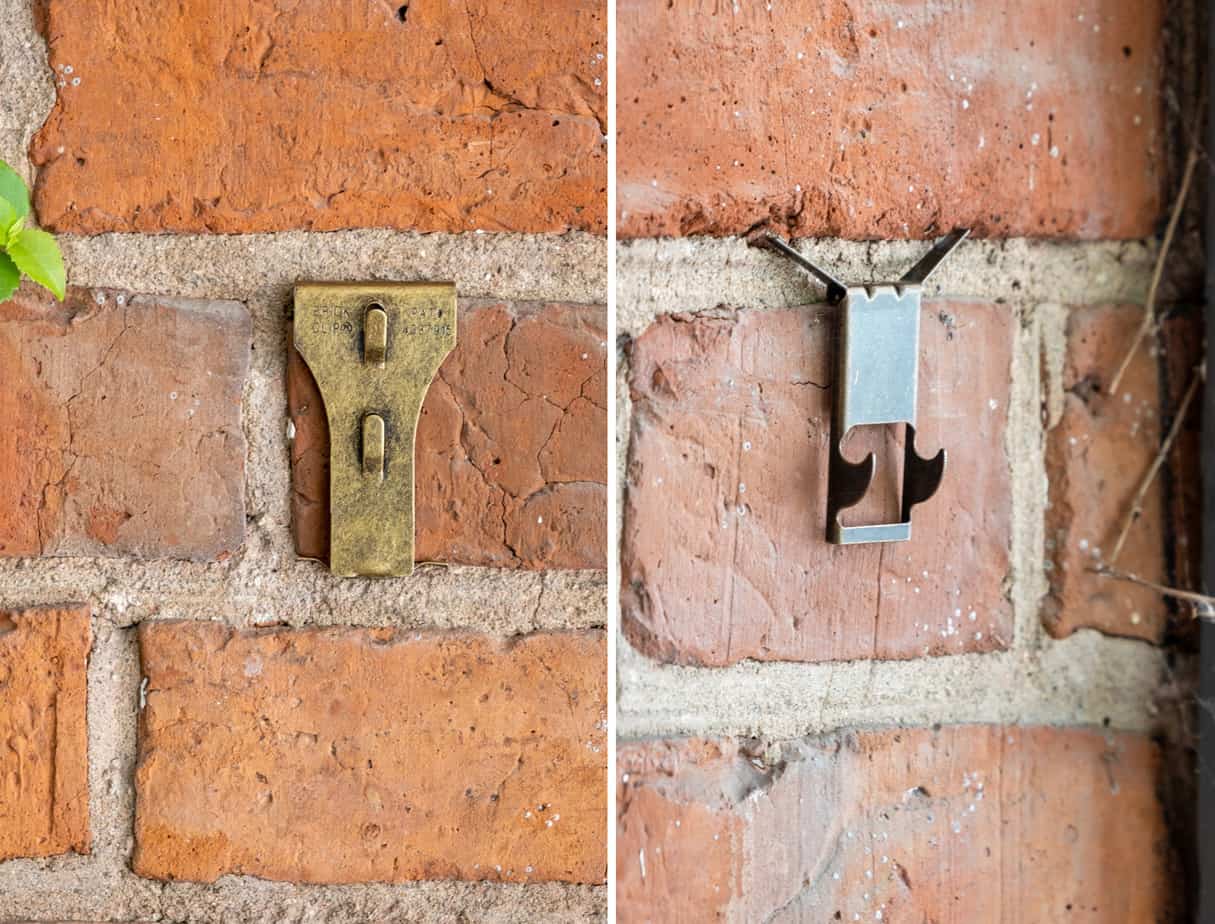
There are several types of hooks designed for brick walls. Masonry hooks have sharp ends to grip the brick. Screw-in hooks need a drilled hole and a wall plug. Adhesive hooks stick directly but hold less weight.
Choose hooks that match your project. For heavy items, use screw-in or masonry hooks. For light items, adhesive hooks can work well.
Weight Capacity Considerations
Check the weight of the item before choosing a hook. Each hook has a weight limit. Overloading causes damage to the hook and wall.
Heavier items need stronger hooks. Use hooks with a higher weight rating than your item. This ensures safety and prevents accidents.
Material And Finish Options
Hooks come in different materials like steel, brass, and plastic. Steel hooks are strong and last long. Brass hooks resist rust and look nice. Plastic hooks are for light use only.
Finish affects appearance and durability. Rust-resistant finishes protect metal hooks. Choose a finish that suits your wall and style.
Tools And Materials Needed
Putting a hook in a brick wall requires the right tools and materials. Using proper equipment makes the job easier and safer. It also ensures your hook stays strong and secure. Here are the essential tools and materials you need to prepare before starting.
Drill And Masonry Bits
A drill is necessary to make holes in the brick. Use a hammer drill for best results. Masonry bits are special drill bits made for hard surfaces like brick and stone. Choose the right size bit to match your anchor. This helps create a clean hole without cracking the brick.
Anchors And Screws
Anchors provide strong support inside the brick. Use plastic or metal anchors designed for masonry. Pick anchors that fit the screw size you plan to use. The screws hold the hook firmly in place. Make sure the screws are long enough to go deep into the anchor.
Safety Gear
Safety gear protects you while drilling. Wear safety goggles to shield your eyes from dust and debris. Use gloves to protect your hands from sharp edges. A dust mask helps avoid breathing in brick dust. Always wear sturdy shoes to keep your feet safe.
Preparing The Brick Wall
Preparing the brick wall is the first step to securely hang a hook. It sets the foundation for a strong hold. Proper preparation helps avoid damage and ensures safety. Follow these steps carefully for the best results.
Locating The Best Spot
Find a solid part of the brick, not the mortar. Mortar is softer and less reliable for holding weight. Choose a spot away from cracks or loose bricks. Look for a flat surface to keep the hook stable.
Cleaning The Surface
Remove dust, dirt, and debris from the chosen spot. Use a stiff brush or cloth to clean the area well. A clean surface helps the hook stick better. Avoid using water as it can weaken the wall.
Marking Drill Points
Use a pencil or chalk to mark where the hook will go. Make sure the marks are clear and precise. Double-check the measurements for even placement. Marking helps drill holes in the right place without mistakes.

Credit: www.picturehangsolutions.com
Drilling Into Brick
Drilling into brick requires care and the right tools. The brick is hard and can crack if you are not careful. Using the proper drill settings and technique helps to make a clean hole. This step is important before putting a hook in the wall.
Setting The Drill Correctly
Choose a drill with a hammer function. Set the drill to hammer mode for brick. Use a masonry drill bit the same size as the anchor. Make sure the drill speed is medium to avoid overheating. A slow and steady speed works best.
Drilling Technique
Start drilling at a 90-degree angle to the brick surface. Hold the drill firmly with both hands. Drill in short bursts to clear dust from the hole. Pull the drill out occasionally to remove debris. Keep the drill steady and do not push too hard.
Avoiding Damage
Do not drill too close to the edge of the brick. This can cause the brick to crack. Use a small piece of tape on the drill bit to mark the depth. Stop drilling once you reach the marked depth. Wear safety glasses to protect your eyes from dust.
Installing Anchors And Hooks
Installing anchors and hooks in a brick wall needs care and the right steps. Anchors help hold the hook firmly in place. Without anchors, hooks might not stay secure on brick surfaces.
Follow these steps carefully to make sure the hook stays strong and safe for hanging items.
Inserting Anchors Properly
Start by drilling a hole in the brick using a masonry bit. The hole size should match the anchor size.
Clean the hole from dust using a brush or air blower. Dust can stop the anchor from fitting well.
Push the anchor into the hole until it sits flush with the wall. Use a hammer gently if needed.
Securing The Hook
Place the hook into the anchor carefully. Turn the hook clockwise to tighten it.
Use a screwdriver or wrench if the hook has a screw or bolt. Tighten it until it feels secure.
Do not over-tighten. This can damage the brick or anchor.
Checking Stability
Give the hook a gentle pull to check its hold. It should not move or feel loose.
Hang a light item first to test stability. Increase weight slowly after that.
Ensure the hook stays firm over time before hanging heavy objects.
Alternative Hanging Methods
Not all brick walls need drilling or heavy tools to hang items. Alternative hanging methods offer simple and less damaging options. These methods suit light or temporary decorations. They keep your brick wall safe and intact. Here are some easy ways to hang things on brick walls without hooks.
Adhesive Hooks For Light Items
Adhesive hooks stick directly to the brick surface. They hold small frames, keys, or lightweight decor. Choose hooks with strong glue made for rough surfaces. Clean the brick with a brush before applying. Press firmly and wait for the glue to set. Avoid hanging heavy or valuable items on adhesive hooks. They work best for temporary or light use.
Using Wire Or Cable
Wire or cable can create a hanging line on brick walls. Attach the wire between two fixed points or hooks. Use bricks with natural gaps or existing anchors. The wire holds pictures, plants, or tools. It spreads weight evenly and reduces wall damage. Check wire strength before hanging heavier objects. This method suits areas where drilling is not allowed.
Temporary Solutions
Temporary solutions protect brick walls from holes and marks. Command strips and removable hooks fit this need well. They hold items securely and peel off cleanly. Another option is leaning objects against the wall. Shelves or frames on stands avoid wall damage. These solutions are perfect for renters or short-term displays. Always check weight limits to avoid accidents.
Tips For Long-lasting Hanging
Ensuring your hook stays strong and safe in a brick wall needs some care. Small steps can keep your hanging secure for a long time. These tips help protect the hook and what it holds.
Regular Inspection
Check the hook often. Look for any looseness or damage. Tighten screws or bolts if needed. Catch problems early to avoid bigger issues. Regular checks keep the hook steady and safe.
Weatherproofing Hooks
Use hooks made of rust-resistant metal. Apply a sealant or paint to protect from rain and moisture. Avoid hooks that can corrode quickly. Weatherproofing stops rust and keeps the hook strong.
Avoiding Overloading
Know the weight limit of your hook. Do not hang items that are too heavy. Spread weight across multiple hooks if needed. Overloading can cause the hook to break or the wall to crack.

Credit: www.youtube.com
Credit: www.theartofdoingstuff.com
Frequently Asked Questions
What Tools Are Needed To Put A Hook In A Brick Wall?
You need a drill with a masonry bit, wall plugs, screws, a hammer, and a hook. Safety goggles and gloves are recommended for protection.
How Do You Choose The Right Hook For Brick Walls?
Select hooks designed for masonry or heavy-duty use. Consider weight capacity and hook size to match your hanging needs.
Can I Put Hooks Anywhere On A Brick Wall?
Avoid weak or crumbly bricks. Choose solid bricks or mortar joints for secure hook placement to ensure stability.
How Do You Drill Into A Brick Wall Without Cracking It?
Use a masonry drill bit and drill slowly with steady pressure. Avoid excessive force to prevent brick damage.
Conclusion
Putting a hook in a brick wall is simple with the right steps. Start by choosing the right hook and tools. Drill carefully and use wall plugs for strong support. Tighten the hook firmly, but avoid cracking the brick. This method helps hang items safely and keeps your wall intact.
Practice patience and take your time. Soon, you will hang pictures, lights, or shelves with confidence. A strong hook means your items stay secure for a long time. Give it a try and see the difference.