Are you struggling to hang heavy items on your brick wall without worrying about them falling down? Installing brick wall anchors is the solution you need.
These small but powerful tools hold your shelves, pictures, or fixtures firmly in place, giving you peace of mind and a cleaner look. In this guide, you’ll discover simple, step-by-step instructions to install brick wall anchors like a pro—even if you’ve never done it before.
Keep reading, and you’ll gain the confidence to tackle your next project with ease and safety.

Credit: www.youtube.com
Choosing The Right Anchor
Choosing the right anchor is key for a strong hold in brick walls. The wrong anchor can cause damage or fail to support the load. Understanding the types and sizes helps you pick the best anchor for your project. This guide makes the process simple and clear.
Types Of Brick Wall Anchors
There are several types of anchors for brick walls. Expansion anchors spread inside the hole and grip tightly. Sleeve anchors use a metal sleeve to expand when tightened. Plastic anchors are lightweight and good for small loads. Tapcon screws drill directly into the brick for a firm hold. Choose the type based on the wall and what you need to fix.
Anchor Size And Load Capacity
Anchor size matters for strength and fit. Bigger anchors hold more weight but need larger holes. Small anchors suit light objects like picture frames or shelves. Check the load capacity on the package to match your project. Use anchors that can handle more than the object’s weight for safety. Proper size and capacity keep your wall secure and stable.
Tools And Materials Needed
Installing brick wall anchors requires the right tools and materials. Having these ready saves time and avoids mistakes. Prepare everything before starting for a smooth process.
Drill And Drill Bits
A power drill is essential for making holes in brick. Choose drill bits made for masonry to avoid damage. Use the correct size bit to match the anchor diameter. This ensures a tight and secure fit.
Safety Gear
Protect yourself with safety goggles to guard your eyes from dust. Wear a dust mask to avoid breathing in brick particles. Gloves help protect your hands from rough surfaces and sharp edges.
Measuring Tools
A tape measure helps mark the exact spots for drilling. A pencil or marker is useful to make clear marks on the brick. A level ensures your anchors are straight and aligned correctly.
Preparing The Wall
Preparing the wall is a key step before installing brick wall anchors. It helps ensure a strong hold and prevents damage. This stage involves finding the right spots and marking them clearly. Proper preparation saves time and effort later. Let’s break down the process into two parts.
Locating The Anchor Points
Start by deciding where the anchors will go. Choose spots on solid brick, not on mortar. Solid brick holds anchors better and is safer. Use a tape measure to space the points evenly. Keep the weight of what you hang in mind. Avoid areas with cracks or loose bricks. Check the wall surface for any signs of damage.
Marking Drill Spots
Once you find the anchor points, mark them clearly. Use a pencil or chalk for easy visibility. Hold a level to keep marks straight and aligned. Double-check the spacing between marks before drilling. Mark the exact center of each spot for accuracy. Clear any dust or dirt around the marks. This helps the drill bit start clean and steady.

Credit: www.picturehangsolutions.com
Drilling Holes
Drilling holes is the first step to install brick wall anchors. It sets the stage for a strong hold. Proper drilling ensures the anchor fits well and holds tight. Mistakes here can cause weak support or damage the brick. Follow clear steps to drill correctly and safely.
Selecting The Right Drill Bit
Use a masonry drill bit for brick walls. It has a special tip made to cut through hard bricks. Choose a bit size that matches the anchor diameter. Too small a bit makes the hole tight and hard to fit the anchor. Too large a bit causes a loose fit and weak hold.
Check the anchor package for recommended drill bit size. Use a hammer drill if available. It makes drilling easier and faster in brick. A regular drill can work but needs more effort.
Drilling Technique For Brick
Mark the exact spot on the brick to drill. Hold the drill steady and perpendicular to the wall. Start drilling slowly to avoid cracking the brick. Increase speed after the drill bit is firmly in the brick.
Drill to the depth required for the anchor length. Use tape on the drill bit as a depth guide. Pull the drill out occasionally to clear dust from the hole. This helps the bit cut better and prevents overheating.
Do not force the drill. Let the bit do the work. Take breaks if the drill gets hot. Proper technique makes a clean, strong hole for the anchor.
Installing The Anchors
Installing brick wall anchors is a key step in securing items to brick surfaces. This process ensures a strong hold and prevents damage. Proper installation helps your fixtures stay safe and stable for years.
Focus on accuracy and the right tools. This section guides you through the steps of placing anchors correctly into brick walls.
Inserting The Anchor
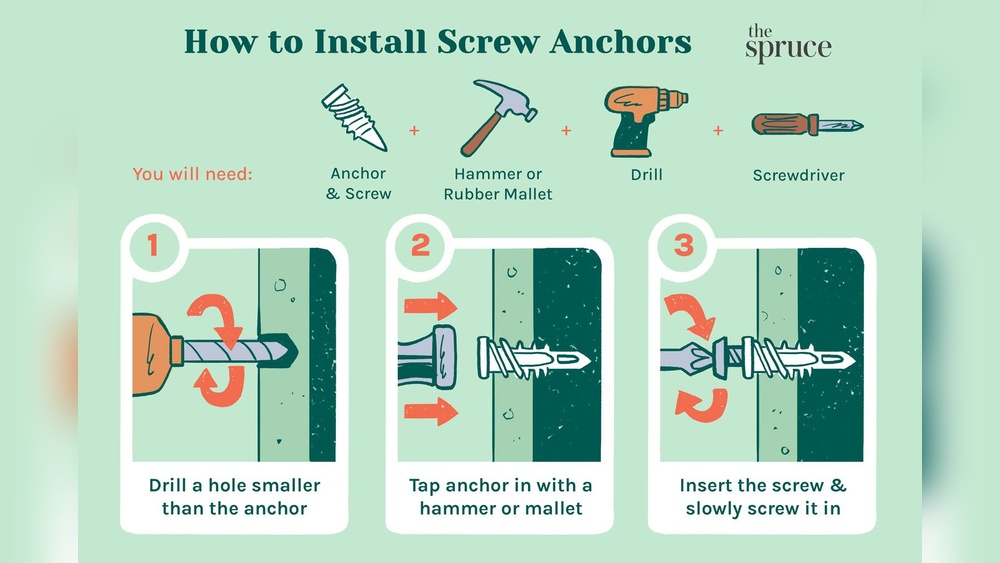
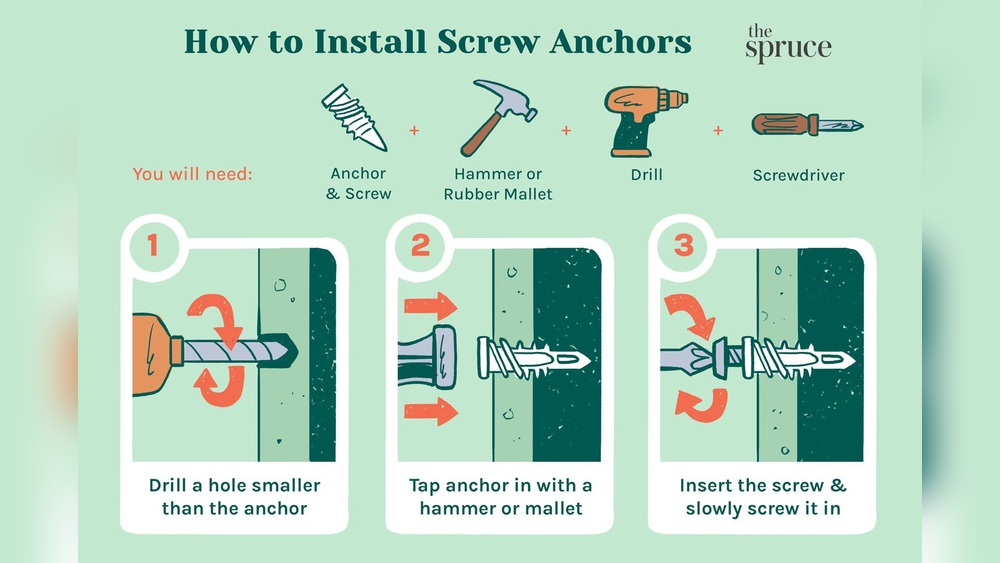
Start by choosing the correct anchor for your project. Drill a hole in the brick using a hammer drill and a masonry bit. Make sure the hole is deep enough for the anchor.
Clean out dust and debris from the hole. Use a brush or compressed air to clear it fully. Insert the anchor gently into the hole. Tap it lightly with a hammer until it sits flush with the brick surface.
Securing The Anchor In Place
After inserting, secure the anchor by tightening the screw or bolt. This expands the anchor inside the hole. The anchor grips the brick tightly and holds firmly.
Avoid overtightening to prevent damage to the brick or anchor. Test the anchor by pulling gently to confirm it is secure. This step ensures your mounted item will stay in place safely.
Attaching Fixtures
Attaching fixtures to a brick wall is the final step after installing anchors. This step ensures your items stay secure and stable on the wall. Proper attachment helps prevent damage and keeps fixtures in place. Follow these simple steps to attach your fixtures correctly.
Aligning Fixtures With Anchors
Start by holding the fixture close to the wall. Match the holes on the fixture with the installed anchors. Take your time to align everything carefully. This ensures screws fit smoothly into the anchors. Check the position twice before moving forward. Proper alignment reduces the risk of damage or loose fittings.
Tightening Screws For Stability
Insert screws into the aligned holes and anchors. Use a screwdriver to tighten screws slowly. Avoid over-tightening as it can crack the brick or strip the anchor. Tighten screws just enough to hold the fixture firmly. Test stability by gently shaking the fixture. Secure fixtures last longer and stay safe on the wall.
Safety Tips And Common Mistakes
Installing brick wall anchors requires care and attention. Following safety tips helps prevent accidents and damage. Avoiding common mistakes saves time and effort. This section covers key advice to keep your project safe and strong.
Avoiding Wall Damage
Use the right drill bit size for your anchor. Too large holes weaken the brick. Drill slowly to avoid cracks. Check for wires or pipes behind the wall. Always wear safety goggles to protect your eyes from dust and debris.
Ensuring Long-term Support
Choose anchors that fit the wall type and load. Insert anchors fully and firmly. Loose anchors can fail and cause damage. Tighten screws gently to avoid stripping. Test the anchor hold before hanging heavy items.

Credit: www.amazon.com
Frequently Asked Questions
What Tools Do I Need To Install Brick Wall Anchors?
You need a drill, masonry bit, hammer, wall anchors, screwdriver, and safety gear. These tools ensure precise and safe installation.
How Deep Should I Drill For Brick Wall Anchors?
Drill holes slightly deeper than the anchor length. This provides enough space for the anchor to fit securely.
Can I Install Brick Wall Anchors On Hollow Bricks?
Yes, use sleeve anchors or toggle bolts designed for hollow bricks. These provide a strong grip without damaging the wall.
How Do I Choose The Right Anchor Size?
Select anchors based on the weight of the object and brick thickness. Proper sizing ensures a secure and stable hold.
Conclusion
Installing brick wall anchors is simple with the right steps. Choose the correct anchor for your wall type. Drill a clean hole, then insert the anchor carefully. Tighten screws gently to avoid damage. This method keeps your items secure and stable.
Practice makes perfect, so don’t rush the process. You can now hang shelves, pictures, or other items safely. Enjoy a strong hold that lasts for years. Keep tools handy and follow safety tips always.