Choosing the right length of hollow wall anchor can make all the difference in how secure your shelves, mirrors, or fixtures will be. If you pick the wrong size, your items might not hold up, causing frustration or even damage.
But don’t worry—this guide will help you understand exactly what to look for, so you can feel confident every time you hang something on your wall. Keep reading, and you’ll discover simple tips that save you time, money, and hassle.
Types Of Hollow Wall Anchors
Choosing the right hollow wall anchor depends on the type you use. Different anchors work best for various wall materials and weights. Understanding these types helps pick the correct length and style for your project.
Each anchor type has unique features and holding power. This guide covers three common types: toggle bolts, molly bolts, and plastic anchors. Knowing their differences makes installation easier and safer.
Toggle Bolts
Toggle bolts have wings that open inside the wall. They spread the load over a wide area. This makes them strong for heavy items. The wings fold to fit through a small hole. Once inside, they spring open and grip tightly. Use toggle bolts for shelves, mirrors, or heavy frames.
Molly Bolts
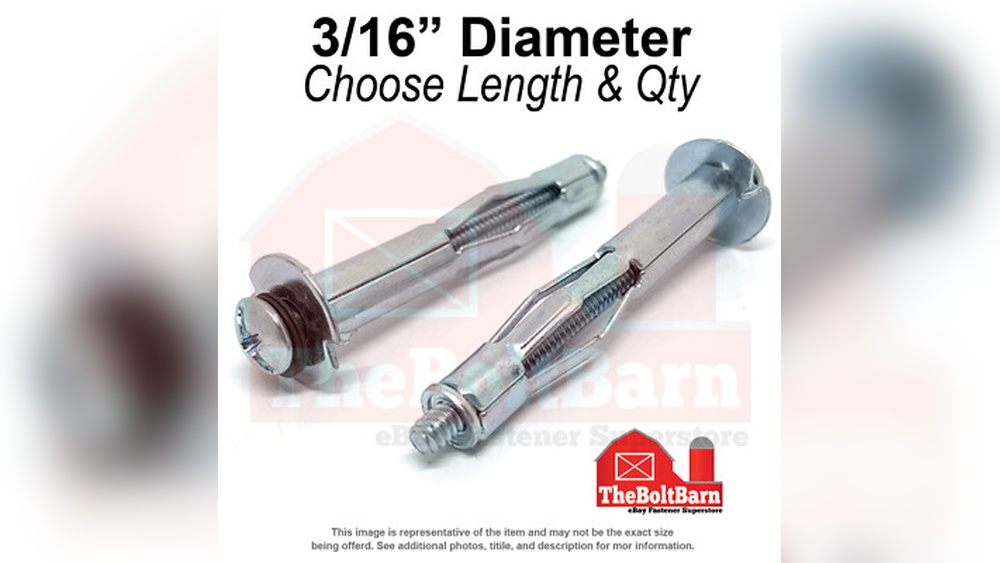
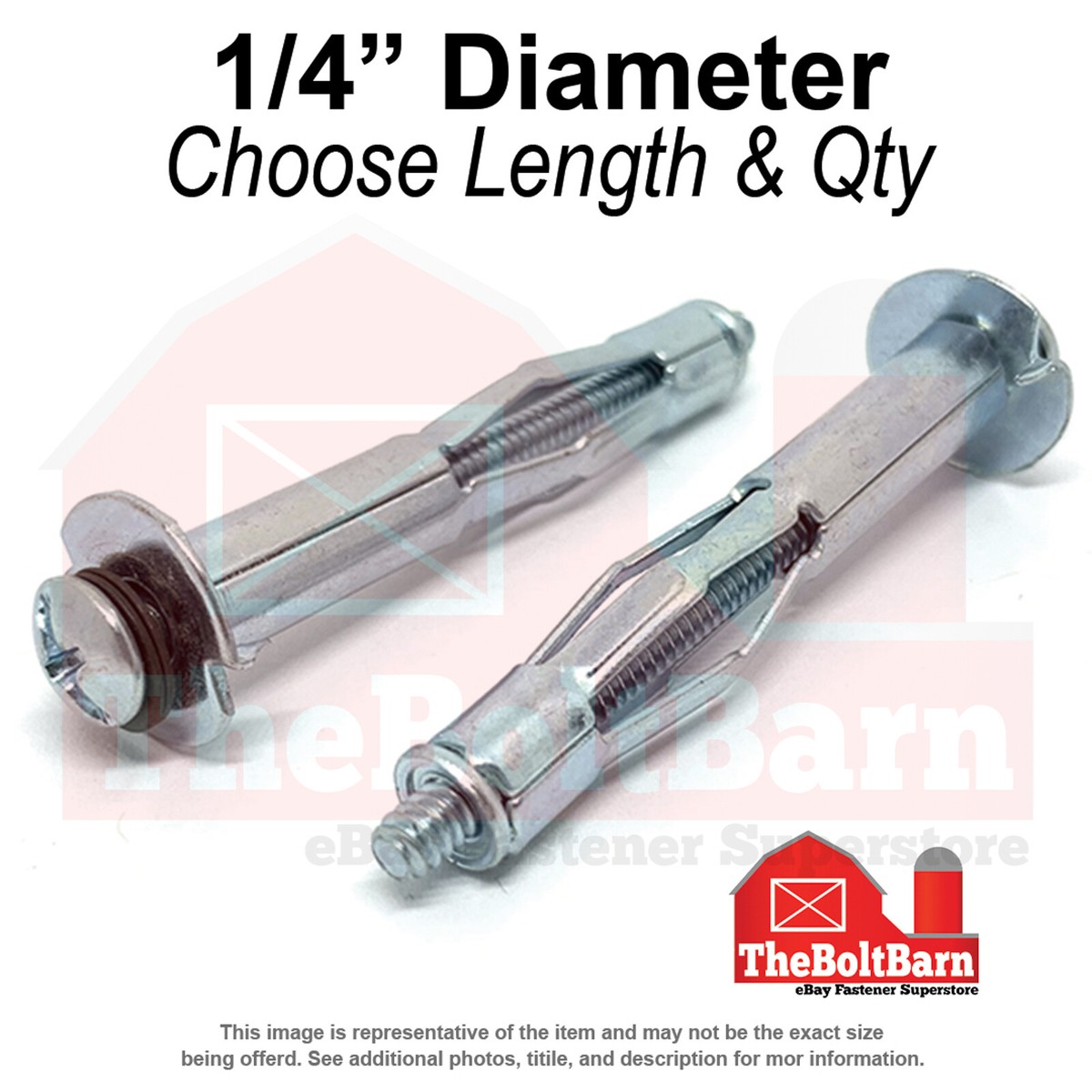
Molly bolts are metal anchors that expand inside the wall. They create a firm hold by gripping the drywall. These bolts stay in place after tightening. Molly bolts suit medium-weight objects like curtain rods or towel racks. They work well in hollow walls with thin drywall.
Plastic Anchors
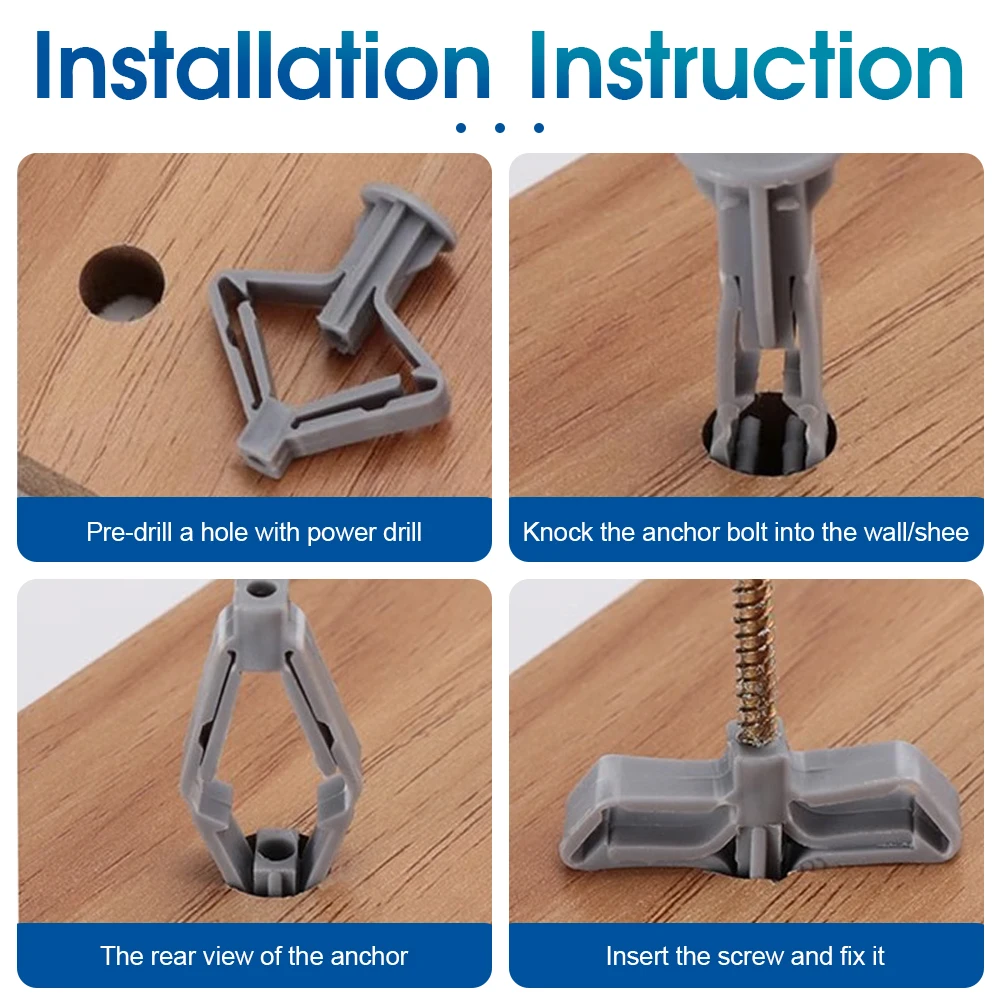
Plastic anchors are simple and easy to use. They fit into a drilled hole and expand when the screw goes in. These anchors hold light to medium-weight items. They are best for small pictures, hooks, or light fixtures. Plastic anchors are affordable and widely available.
Factors Influencing Anchor Length
Choosing the right length for a hollow wall anchor is important for safety and strength. Several factors affect the ideal anchor length. Understanding these factors helps ensure your mounted object stays secure.
Wall Thickness
Measure the wall thickness before picking an anchor. The anchor must be long enough to reach through the wall. It should also expand properly behind the wall. Thin walls need shorter anchors. Thick walls require longer ones for a firm hold.
Weight Of Mounted Object
Heavier objects demand longer anchors to support the load. Longer anchors spread the weight over a larger area inside the wall. This reduces the risk of the anchor pulling out. Lighter items can use shorter anchors safely.
Anchor Material
Anchor materials vary in strength and design. Metal anchors often need a different length than plastic ones. Consider the material’s grip and expansion type. This affects how deep the anchor must go for a strong hold.
Measuring Wall Thickness Accurately
Measuring wall thickness is key to choosing the right length of hollow wall anchor. A precise measurement ensures the anchor holds well and stays secure. Guessing can cause anchors that are too short or too long. Both can damage the wall or fail to support the load. Use simple tools and easy steps to get accurate results.
Using A Stud Finder
A stud finder helps locate the wall studs behind drywall. Some models also measure wall thickness. Move the stud finder slowly across the wall. It will show where the stud starts and ends. Check the reading for the wall’s depth. This method works best on hollow walls with studs behind.
Drill Test Method
Drill a small hole in the wall where you want to install the anchor. Use a thin drill bit to avoid big damage. Insert a thin wire or stick into the hole. Mark the wire where it touches the back of the wall. Pull it out and measure the marked length with a ruler. This gives a direct and simple measurement of wall thickness.
Credit: d365academy.net
Matching Anchor Length To Wall Type
Choosing the right length of a hollow wall anchor depends on the wall type. The anchor must fit the wall thickness well. Too short an anchor will not hold firmly. Too long an anchor may not fit properly or cause damage. Understanding the wall material helps pick the best anchor length.
Drywall
Drywall is thin and soft. It usually needs shorter anchors. Pick anchors that match the drywall thickness, often 1/2 inch or 5/8 inch. The anchor should pass through the drywall and open behind it. This provides a strong hold without extra length.
Plaster Walls
Plaster walls are thicker and harder than drywall. They need longer anchors to reach the hollow space. Choose anchors that go through plaster and into the cavity behind. This ensures better grip and stability for heavy items. Measure the plaster thickness before selecting anchor length.
Concrete Block
Concrete block walls are dense and solid. Hollow wall anchors for these walls must be longer. They need to go deep enough to grip inside the hollow block. Use anchors designed for masonry to avoid breaking the block. Correct length anchors improve strength and safety.
Weight Capacity And Anchor Size
Choosing the right length for a hollow wall anchor depends greatly on weight capacity and anchor size. These factors ensure your fixture stays secure and safe. Understanding how much weight the anchor can hold helps pick the correct size. The right anchor size supports the load without damaging the wall.
Calculating Load Requirements
Start by knowing the total weight the anchor must support. Include the object’s weight and any extra force it may face. For example, a shelf holds books, so add the weight of books too. Use this total to select an anchor that can handle more than that weight. This prevents failure and wall damage.
Safety Margins
Always add a safety margin to the load capacity. A good rule is to choose an anchor that holds at least twice the needed weight. This covers unexpected forces or weight changes. It also accounts for wall material differences. Safety margins ensure long-lasting and strong support.
Credit: www.ebay.com
Installation Tips For Hollow Wall Anchors
Installing hollow wall anchors correctly ensures strong and safe support for your items. Small mistakes can cause anchors to fail or walls to crack. Follow these simple tips for a smooth installation process.
Drilling Correct Hole Size
Choose a drill bit that matches the anchor size. The hole must be tight enough for a snug fit. Too big a hole weakens the anchor hold. Too small makes insertion hard or damages the wall.
Proper Anchor Insertion
Push the anchor fully into the hole. Use gentle pressure to avoid breaking it. The anchor should sit flush with the wall surface. Use a hammer lightly if needed, but avoid hitting too hard.
Avoiding Common Mistakes
Do not overtighten screws inside the anchor. This can cause the anchor to pull out. Avoid using anchors in damaged or crumbling walls. Check the wall condition before drilling. Always select the right anchor length for your wall thickness.
Troubleshooting Anchor Issues
Troubleshooting anchor issues is key to secure wall mounting. Incorrect anchor length or installation can cause problems. Identifying these issues early saves time and effort.
Loose Anchors
Loose anchors fail to hold weight properly. Check if the anchor spins or wiggles inside the wall. This usually means the anchor is too short or the hole is too big. Use a longer anchor to reach deeper support. Tighten the screw gently to avoid loosening the anchor.
Wall Damage Prevention
Prevent wall damage by choosing the right anchor length. Too long anchors can crack the wall inside. Avoid drilling holes larger than needed. Insert anchors carefully without forcing. Use anchors designed for hollow walls to reduce risks. Protect your walls by double checking measurements and anchor type.

Credit: www.amazon.com
Frequently Asked Questions
What Factors Determine The Length Of A Hollow Wall Anchor?
The length depends on wall thickness and load requirements. Choose an anchor long enough to pass through the wall cavity. Ensure it grips firmly behind the wall surface for stability and safety.
How To Measure Wall Thickness For Anchor Length?
Use a tape measure or drill a pilot hole to check wall depth. Accurate measurement helps select an anchor that fits snugly without excess length or being too short.
Can Wrong Anchor Length Cause Wall Damage?
Yes, too short anchors may pull out, while too long ones can damage wiring or plumbing. Proper length ensures secure hold without harming wall structures.
Is Anchor Length Different For Drywall And Plaster Walls?
Yes, plaster walls might need longer anchors due to thickness and density. Drywall anchors are typically shorter but must still fit the cavity size precisely.
Conclusion
Choosing the right length of a hollow wall anchor is key to a strong hold. Measure the wall thickness carefully before buying anchors. Match the anchor length to the wall depth for best results. Too short can cause weak support.
Too long might damage the wall inside. Use anchors designed for hollow walls, not solid ones. Proper choice helps keep shelves, mirrors, and fixtures secure. Take your time, check sizes, and install anchors correctly. Good preparation means safer, lasting fixes every time.