Are you worried about your bookshelves tipping over and causing damage or injury? Anchoring your bookshelves to the wall is one of the simplest and most effective ways to keep them stable and safe.
In this guide, you’ll learn easy, step-by-step methods to secure your shelves firmly—no special tools or skills needed. By the end, you’ll have the confidence to protect your space and your loved ones with just a few quick fixes. Keep reading to discover how to anchor your bookshelves the right way.

Credit: www.reddit.com
Choosing The Right Bookshelf
Choosing the right bookshelf is important before anchoring it to the wall. The right choice keeps your books safe and your room neat. Consider the material, design, weight, and size. These factors affect how stable and strong the bookshelf will be once fixed.
Material And Design Options
Bookshelves come in wood, metal, and plastic. Wood offers a classic look and good strength. Metal is strong and modern but can be heavy. Plastic shelves are light and easy to move but may not hold heavy books well.
Design matters too. Open shelves show off your books and items. Closed shelves protect books from dust. Choose a style that fits your room and needs.
Weight And Size Considerations
Think about the size of your bookshelf and the weight of books it will hold. Large shelves need strong wall anchors. Small shelves can use lighter anchors. Heavy books add more weight. Make sure the shelf and wall anchors can handle the load.
Measure your wall space. Pick a shelf that fits well without crowding the room. A well-sized shelf looks good and stays safe on the wall.
Tools And Materials Needed
Anchoring bookshelves to the wall requires specific tools and materials. Having the right items makes the job easier and safer. This section explains what you need before starting.
Essential Tools
A drill is necessary to make holes in the wall. Use a screwdriver to tighten screws securely. A stud finder helps locate wall studs for strong support. A level ensures the bookshelf stays straight. Measuring tape measures distances accurately. A pencil marks drill points clearly.
Types Of Wall Anchors
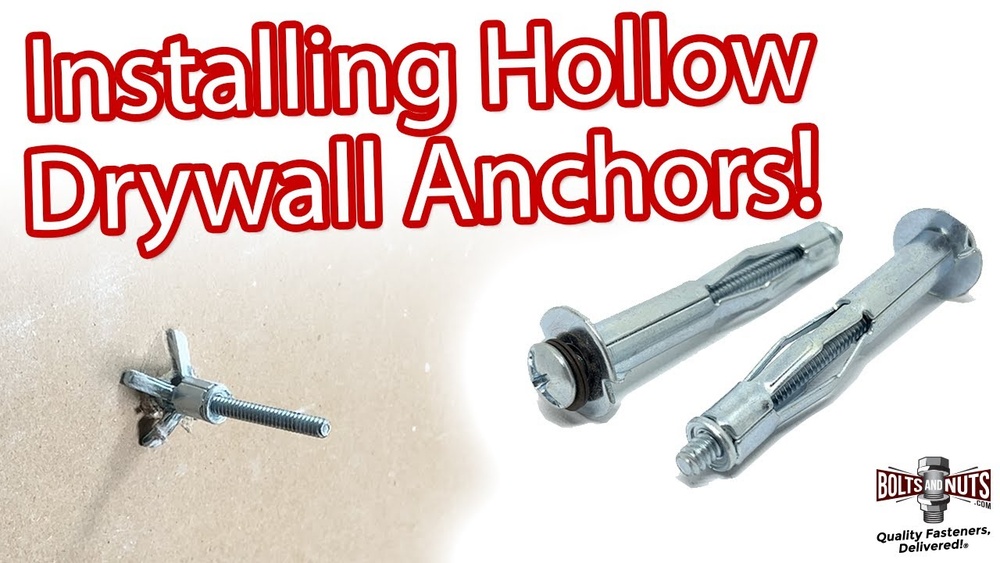
Plastic anchors work well for light loads and drywall. Metal anchors provide stronger support for medium weights. Toggle bolts are best for heavy shelves and hollow walls. Choose anchors based on wall type and shelf weight. Proper anchors prevent shelves from falling.
Safety Gear
Wear safety goggles to protect your eyes from dust. Use gloves to avoid splinters and sharp edges. Ear protection helps if using loud power tools. Keep a first aid kit nearby for minor injuries. Safety gear reduces risk and keeps you safe.
Locating Wall Studs
Locating wall studs is the first step to anchor bookshelves safely. Studs are wooden or metal supports behind drywall. Screwing into studs gives strong support. Without studs, screws may pull out easily. Finding studs helps avoid damage and keeps shelves steady.
Use tools or simple tricks to find studs. This guide shows two easy ways to locate them. Choose the method that fits your tools and skills.
Using A Stud Finder
A stud finder is a small tool that detects studs behind walls. Turn it on and place it flat on the wall. Slowly move it horizontally. The device beeps or lights up over a stud. Mark the spot with a pencil. Repeat to confirm stud edges. This method is quick and accurate. It works well on most wall types.
Manual Methods To Find Studs
Use manual ways if you lack a stud finder. Tap the wall and listen for a solid sound. A hollow sound means no stud. A dull thud indicates a stud. Look for electrical outlets or switches. They usually attach to studs. Measure 16 or 24 inches from these points. Studs often follow these spacing rules. Use a small nail to test the spot. If it hits wood, you found a stud. Mark the location carefully for anchoring shelves.
Preparing The Bookshelf And Wall
Preparing the bookshelf and wall is a key step before anchoring. It helps ensure safety and stability. Taking time to prepare makes the process smoother and prevents damage.
Start with a clean, clear workspace. Check your tools and materials. Measure carefully to avoid mistakes later. Proper preparation saves time and effort.
Marking Anchor Points
Identify the best spots on the wall to place anchors. Use a stud finder to locate wall studs. Mark these points with a pencil. These spots hold weight better than drywall alone.
Next, measure the bookshelf’s back panel. Mark matching points where the anchors will go. Double-check measurements to keep the shelf level. Accurate marks make installation easier and safer.
Clearing The Installation Area
Remove objects near the wall and shelf area. This includes furniture, decorations, and rugs. A clear space prevents accidents and provides room to work.
Clean the wall surface to remove dust and dirt. A clean wall helps anchors stick better. Also, sweep or vacuum the floor to avoid slipping.
Installing Wall Anchors
Installing wall anchors is key to securing bookshelves safely. Anchors hold screws firmly in the wall. They stop shelves from tipping or falling. The process needs care and the right tools. Follow each step to install anchors well.
Choosing Suitable Anchors For Wall Type
Different walls need different anchors. Drywall requires plastic or metal anchors. Concrete or brick walls need heavy-duty anchors. Hollow walls need toggle bolts for strong support. Check the wall material before picking anchors. Choose anchors that match your wall type and shelf weight.
Drilling And Inserting Anchors
Mark the spot where the shelf will go. Use a drill bit that matches anchor size. Drill a hole straight and clean. Push or tap the anchor into the hole gently. Make sure the anchor fits snugly without wobbling. Avoid forcing anchors, as this can damage the wall.
Securing The Bookshelf
Securing the bookshelf to the wall is crucial for safety and stability. A well-anchored bookshelf stays firm and prevents tipping. This step protects children, pets, and your belongings. Follow simple methods to make sure your bookshelf is secure.
Start by positioning the bookshelf correctly. Then, use screws and brackets to fix it to the wall. This process does not require special skills but needs care and the right tools.
Aligning The Bookshelf
Place the bookshelf against the wall where you want it. Check if it stands straight and fits well in the space. Use a level tool to ensure it is perfectly vertical. Adjust as needed to avoid any tilt. Mark the wall where the top of the bookshelf meets. These marks help place the brackets exactly.
Attaching With Screws And Brackets
Choose sturdy brackets designed for wall anchoring. Align them with the marks on the wall. Drill pilot holes in the wall for the screws. Use a stud finder to locate wall studs for a stronger hold. Attach brackets to the bookshelf first, then to the wall. Tighten screws firmly but do not over-tighten. Check the bookshelf again with the level tool. Make sure everything is secure and stable before loading books.
Safety Checks And Tips
Anchoring bookshelves to the wall is important for safety. It stops shelves from falling or tipping over. This section gives key safety checks and tips. Follow these steps to keep your home safe and your shelves steady.
Testing Stability
After anchoring, test the shelf’s stability. Gently push the bookshelf from different sides. The shelf should not wobble or move easily. Check the screws and brackets for any loose parts. Tighten them if needed. A stable shelf holds books safely and stays in place.
Preventing Tip-over Accidents
Use strong anchors made for your wall type. Secure the top of the bookshelf to the wall. Avoid placing heavy items on the top shelves. Place heavier books on lower shelves to keep balance. Keep children’s toys or items away from the shelf edge. These steps reduce the risk of tip-over accidents.

Credit: www.reddit.com
Enhancing Style And Function
Anchoring bookshelves to the wall improves both style and function. It keeps shelves steady and safe. This allows you to display books and items without worry. Wall anchoring also opens up new design possibilities. It lets you arrange shelves in creative ways. This makes your space look tidy and inviting.
Decorative Anchoring Solutions
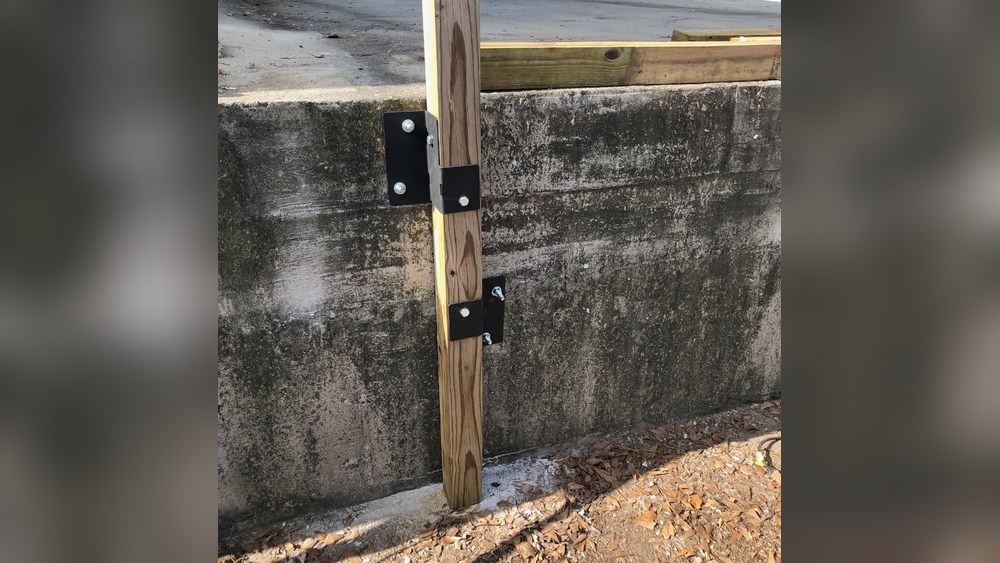
Anchors don’t have to be hidden. Decorative brackets add charm and support. Choose metal brackets with cool shapes or colors. Wooden braces can match your shelf style. These options turn anchors into part of the design. You get both safety and beauty for your shelves.
Organizing Books And Accessories
Wall-anchored shelves hold more weight safely. You can arrange books by size or color. Use baskets and boxes to store small items. Display plants or photos to add personality. Anchored shelves help keep everything neat and easy to reach. They make your room look organized and fresh.

Credit: space-plug.com
Frequently Asked Questions
How Do I Safely Anchor Bookshelves To A Wall?
To safely anchor bookshelves, locate wall studs and use heavy-duty brackets or anchors. Secure the bookshelf with screws directly into the studs for maximum stability. Avoid using only drywall anchors for heavy loads to prevent accidents and ensure long-term safety.
What Tools Are Needed To Anchor A Bookshelf?
You need a stud finder, drill, screws, wall anchors, a level, and a screwdriver. These tools help you locate studs, drill holes accurately, and securely fasten the bookshelf to the wall for safety.
Can I Anchor Bookshelves On Drywall Alone?
Anchoring solely on drywall is not recommended for heavy shelves. Use strong wall anchors designed for drywall if stud mounting is impossible. However, stud mounting remains the safest option for supporting the bookshelf’s weight.
Why Should I Anchor Bookshelves To The Wall?
Anchoring prevents bookshelves from tipping over, especially in homes with children or pets. It enhances safety and protects your books and valuables from falling. Proper anchoring also stabilizes the shelf, preventing damage to both the shelf and wall.
Conclusion
Anchoring bookshelves to the wall keeps them safe and steady. It stops tipping and protects children and pets. Use the right tools and follow simple steps carefully. Check for studs and use strong anchors for best results. Taking time to secure shelves helps avoid accidents later.
A secure bookshelf also holds your books better. Try these tips to make your shelves safe today. Safety and peace of mind are worth the effort.