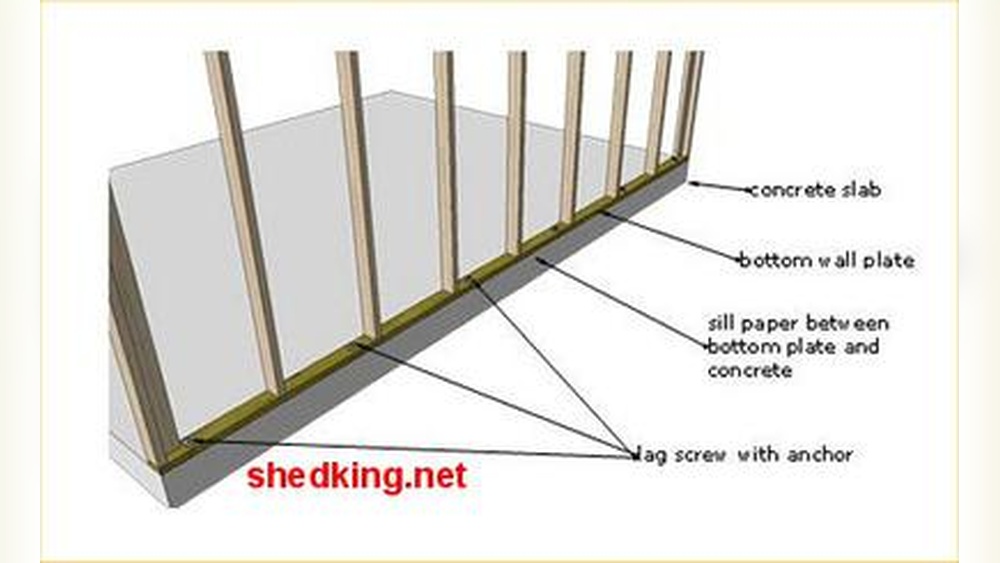
Are you struggling to securely attach a wall to concrete? Whether you’re building a new structure or reinforcing an existing one, knowing how to anchor a wall to concrete is essential for safety and stability.
In this guide, you’ll discover simple, step-by-step methods that anyone can follow—even if you’re new to DIY projects. By the end, you’ll have the confidence and knowledge to get the job done right, avoiding costly mistakes and ensuring your wall stays strong for years to come.
Keep reading to unlock the secrets to a solid, reliable wall-to-concrete connection.
Choosing The Right Anchors
Choosing the right anchors is important for a strong and safe wall connection to concrete. The anchor type affects how well the wall stays in place. This section explains the main types of anchors, how to pick based on the wall, and the load each can hold.
Types Of Concrete Anchors
Concrete anchors come in many types. Expansion anchors widen inside the hole to hold tight. Sleeve anchors have a sleeve that expands as you tighten the bolt. Wedge anchors work by pulling a wedge into the concrete. Drop-in anchors sit flush and hold with an internal plug. Each type fits different needs.
Selecting Based On Wall Material
Wall material matters when choosing anchors. For brick or block walls, use anchors that spread the load, like sleeve anchors. Solid concrete walls work well with wedge or drop-in anchors. Lightweight walls need anchors that don’t damage the material. Match the anchor to the wall for best results.
Load Capacity Considerations
Check how much weight the anchor must hold. Heavy loads need stronger anchors and bigger sizes. Light loads can use smaller anchors safely. Always pick anchors with a load rating above the expected force. This keeps the wall stable and safe over time.
:strip_icc()/drill-different-bits-64ebc069-16efbbe3a6554e48b4652decabedd69a.jpg)
Credit: www.bhg.com
Tools And Materials Needed
Anchoring a wall to concrete requires specific tools and materials. These help ensure a strong, safe connection. Having the right items makes the job easier and faster. Below are the key tools and materials needed for this task.
Drills And Bits
A hammer drill is best for drilling into concrete. It combines rotation with a hammering action. Use a carbide-tipped masonry bit for clean holes. The bit size depends on the anchor size. Keep extra bits handy for replacements.
Anchors And Fasteners
Choose anchors designed for concrete walls. Common types include wedge anchors, sleeve anchors, and concrete screws. Match the anchor size to your load needs. Use corrosion-resistant fasteners for durability. Check the package for weight limits.
Safety Gear
Wear safety glasses to protect your eyes from dust and debris. Use ear protection to reduce noise from drilling. Gloves help protect your hands from sharp edges. A dust mask prevents inhaling concrete dust. Dress in long sleeves for extra protection.
Preparing The Wall And Surface
Preparing the wall and surface is the first step to anchor a wall to concrete safely. This process ensures strong attachment and long-lasting results. You need a clean surface, clear markings, and no hidden dangers. Taking time now saves problems later.
Cleaning The Concrete
Start by removing dirt, dust, and loose debris from the concrete. Use a broom or brush to sweep the area well. For stubborn stains or grease, use a mild detergent and water. Rinse thoroughly and let it dry completely. A clean surface helps the anchor hold firmly.
Marking Anchor Points
Measure carefully to mark where you will drill the anchor holes. Use a pencil or chalk to make clear marks. Check twice to avoid mistakes. Properly spaced anchors distribute weight evenly. This step prevents weak spots and ensures stability.
Checking For Hidden Utilities
Before drilling, check for electrical wires, pipes, or gas lines inside the wall. Use a stud finder or utility detector. This avoids damage and keeps you safe. Mark safe areas to drill. Never skip this step, as it protects your home and health.

Credit: www.youtube.com
Drilling Into Concrete
Drilling into concrete is a key step to anchor a wall securely. It requires care and the right tools to make strong holes. Proper drilling helps the anchor grip the concrete tightly. Mistakes can weaken the hold or damage the surface.
Use the right drill bit and follow clear steps for the best results. The drill speed, pressure, and hole depth matter a lot. Clearing dust from the hole also improves the anchor’s strength.
Choosing Drill Speed And Pressure
Use a slow to medium drill speed. High speed can overheat the bit and crack concrete. Apply steady, firm pressure, not too hard. Let the drill do the work. Too much force can break the bit or hole.
Creating Proper Hole Depth
Measure the anchor length before drilling. Drill a hole slightly deeper than the anchor. This allows space for dust and the anchor itself. A shallow hole means a weak hold. Mark the drill bit with tape for depth guide.
Clearing Debris From Holes
Remove dust and debris after drilling each hole. Use a brush or blow air into the hole. Dust blocks the anchor from gripping well. Clean holes give a tight, strong anchor fit. Repeat cleaning to ensure no loose particles remain.
Installing The Anchors
Installing anchors into concrete walls is a key step in making sure your wall is strong and stable. The right anchor type depends on the job and the weight it must hold. This section explains how to install three common anchor types clearly and simply.
Inserting Expansion Anchors
Start by drilling a hole that matches the anchor size. Clean the hole to remove dust and debris. Insert the expansion anchor into the hole. Tap it gently with a hammer until it sits flush with the surface. Tighten the bolt or screw. The anchor expands inside the hole, locking firmly in place.
Using Sleeve And Wedge Anchors
Drill a hole slightly deeper than the anchor length. Clean the hole well. Insert the sleeve or wedge anchor fully into the hole. Tighten the nut or bolt. As you tighten, the sleeve or wedge expands against the concrete. This creates a strong hold that resists pulling forces.
Setting Chemical Anchors
Drill the hole to the correct depth and diameter. Clean the hole thoroughly with a brush and air blower. Inject the chemical adhesive into the hole, filling it about halfway. Insert the threaded rod or anchor into the hole. Twist it slowly to spread the adhesive evenly. Let the chemical cure before applying any load. This method creates a very strong, durable bond.
Securing The Wall
Securing the wall to concrete is a critical step. It ensures the wall stays strong and safe. Proper anchoring avoids shifts or damage over time. Follow these simple steps to secure your wall firmly.
Aligning Wall With Anchors
Start by positioning the wall close to the concrete surface. Match the wall’s holes with the anchor points on the concrete. Use a level to keep the wall straight. Accurate alignment prevents stress on bolts and screws later.
Tightening Bolts And Screws
Insert bolts or screws through the wall into the anchors. Use a wrench or screwdriver to tighten them firmly. Avoid over-tightening, which can crack the concrete or damage the wall. Tighten each bolt evenly to keep the wall balanced.
Checking For Stability
Push gently against the wall to test movement. The wall should not wobble or shift. Check all bolts and screws again for tightness. Stability confirms a secure and durable connection to the concrete.
Common Mistakes To Avoid
Anchoring a wall to concrete requires care and precision. Mistakes can weaken the hold and cause problems later. Avoid these common errors to ensure a strong, lasting anchor.
Overdrilling Or Undrilling
Drilling too deep can damage the concrete and reduce anchor strength. Too shallow drilling prevents the anchor from fitting properly. Measure the drill bit and depth carefully. Use a stop on the drill for consistent depth.
Using Incorrect Anchor Types
Not all anchors suit every concrete type or load. Choose anchors made for your wall and concrete. Using the wrong type leads to weak support and possible failure. Check the anchor’s instructions before buying or installing.
Ignoring Weight Limits
Each anchor has a weight limit for safety. Overloading anchors risks wall damage and accidents. Calculate the total weight of the wall and items it will hold. Use anchors rated above this weight for a safe margin.

Credit: www.youtube.com
Maintenance Tips For Longevity
Proper maintenance keeps your wall anchors strong and safe. Small efforts help avoid big problems later. Regular care extends the life of your anchors. It also protects your walls and concrete from damage. Follow these simple tips to maintain your anchors well.
Regular Inspections
Check your anchors often. Look for cracks or movement around the anchor. Inspect the wall and concrete for signs of wear. Early detection helps fix problems before they grow. Use a flashlight to see tight or dark spots clearly.
Tightening Loose Fasteners
Loose fasteners reduce the strength of your anchors. Test each fastener by gently moving it. Use a wrench or screwdriver to tighten any loose parts. Do not overtighten, or you might damage the anchor or wall. Tight anchors keep your wall stable and safe.
Addressing Corrosion
Metal anchors can rust over time, especially outdoors. Check for rust or discoloration regularly. Remove rust with a wire brush or sandpaper. Apply a rust-resistant paint or coating to protect the metal. Replace heavily corroded anchors to maintain safety and strength.
Frequently Asked Questions
What Materials Are Needed To Anchor A Wall To Concrete?
You need anchor bolts, a drill, masonry bit, hammer, measuring tape, and a wrench. Choose anchors based on wall type and load.
How Do You Drill Holes For Wall Anchors In Concrete?
Mark anchor points, use a masonry drill bit, and drill straight holes. Keep the drill steady and clean dust from holes.
What Types Of Anchors Work Best For Concrete Walls?
Sleeve anchors, wedge anchors, and expansion bolts provide strong hold. Choose based on wall thickness and load requirements.
Can I Anchor A Wall To Concrete Without Professional Help?
Yes, with proper tools and safety precautions, you can do it yourself. Follow instructions carefully for secure anchoring.
Conclusion
Anchoring a wall to concrete adds strength and safety to your structure. Use the right tools and follow each step carefully. Check your measurements twice before drilling holes. Tighten anchors firmly but avoid over-tightening. Always wear safety gear during the process.
This simple method helps your wall stay secure for years. Take your time, and you will do well. Strong walls build strong homes.

