Have you ever tried hanging something on your wall, only to have the hook fall off? It’s frustrating, right?
Keeping a hook securely in your wall can make a big difference in how your space looks and feels. Whether you want to hang a picture, a mirror, or your keys, knowing the right way to install a hook saves you time and avoids damage.
You’ll discover simple, effective tips to keep your hooks steady and strong. By the end, you’ll have the confidence to hang anything without worry. Let’s get started!
Choose The Right Hook
Choosing the right hook is key to keeping it firmly in the wall. A suitable hook prevents damage and holds your items safely. Different hooks serve different purposes. Knowing which one fits your wall and needs saves time and effort.
Types Of Wall Hooks
Wall hooks come in many forms. Some have adhesive backs for light items. Others use nails or screws for heavier loads. Plastic hooks suit smooth surfaces. Metal hooks work well for wood or drywall. Magnetic hooks are good for metal walls. Each type fits specific wall materials and weight needs.
Weight Capacity Considerations
Every hook has a weight limit. Exceeding this limit risks falling and damage. Check the package for max weight allowed. Light hooks hold a few pounds. Heavy-duty hooks can support over 50 pounds. Match the hook’s strength to the item’s weight. Safety and stability depend on this choice.
Select Suitable Wall Material
Selecting the right wall material is key to keeping a hook steady and secure. Different walls need different types of hooks and anchors. Knowing your wall type helps choose the best option. This choice protects your wall and holds the hook firmly.
Drywall Vs. Plaster Vs. Brick
Drywall is soft and easy to drill. It needs special anchors to hold hooks well. Without anchors, hooks may pull out quickly.
Plaster walls are harder and thicker. They can crack if drilled carelessly. Use wall anchors designed for plaster to avoid damage.
Brick walls are very strong and rough. They require masonry drill bits and heavy-duty anchors. Hooks hold firmly but need more work to install.
Finding Studs For Support
Studs are wooden beams inside walls. Hooks anchored in studs hold much better than in drywall alone.
Use a stud finder or tap the wall to locate studs. Studs are usually spaced 16 or 24 inches apart.
Mark the stud location before drilling. Anchoring hooks in studs gives strong, lasting support.
Use Proper Tools
Using the right tools makes hanging a hook easier and safer. Tools help create a strong hold in the wall. They keep the hook steady and prevent damage. Choosing proper tools saves time and effort. It also protects your walls from cracks or holes.
Drills And Anchors
A drill makes a clean hole for the hook. It works well on hard walls like concrete or brick. Use the drill bit size that fits the anchor. Anchors hold the hook firmly in place. They spread the weight across the wall. Plastic or metal anchors are common choices. Anchors stop the hook from pulling out easily.
Screwdrivers And Hammers
Screwdrivers help tighten screws into anchors or wood. A manual screwdriver gives more control. Electric screwdrivers speed up the process for many hooks. Hammers are good for nails or wall plugs. They push the nail or plug gently into the wall. Using the right tool prevents wall damage. It also makes the hook more secure.

Credit: www.amazon.com
Prepare The Wall Surface
Preparing the wall surface is a key step to keep a hook secure. A well-prepared wall helps the hook hold tight. It prevents damage and makes the hook last longer.
Marking The Spot
Start by choosing the exact spot for the hook. Use a pencil to make a small mark. This mark guides where to place the hook. A clear mark helps avoid mistakes.
Measure twice to ensure the spot is right. Check height and position carefully. A good mark saves time and effort later.
Cleaning The Area
Clean the wall where you marked the spot. Dust and dirt stop the hook from sticking well. Use a damp cloth to wipe the area gently.
Let the wall dry completely before fixing the hook. A clean, dry surface helps the hook hold tight. It also prevents slipping and falling.
Install The Hook Securely
Installing a hook securely in a wall ensures it holds weight safely. Choosing the right method depends on your wall type. Secure installation prevents damage and keeps items from falling. Follow simple steps to match the hook with your wall.
Using Anchors For Drywall
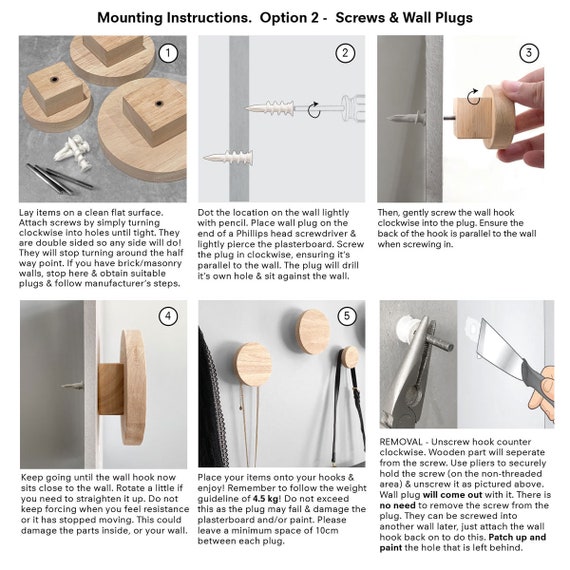
Drywall is soft and can break under weight. Use anchors to spread the load and hold the hook firmly. First, drill a small hole at the marked spot. Push the anchor into the hole until it fits flush. Then, screw the hook into the anchor slowly. The anchor expands inside the wall for a strong grip.
Screwing Into Studs
Studs are wooden frames behind drywall. Screwing directly into studs offers the strongest support. Use a stud finder to locate the stud behind the wall. Mark the spot where you want the hook. Drill a pilot hole to avoid splitting the wood. Screw the hook into the hole until tight. This method holds heavy items safely.
Hammering For Brick Or Concrete
Brick and concrete walls need special care. Use a masonry drill bit to make a hole. Insert a wall plug or anchor made for masonry. Tap the plug gently with a hammer until flush with the wall. Screw the hook into the plug firmly. This method keeps hooks secure on hard surfaces.
Test The Hook’s Strength
Testing the hook’s strength is important to keep it secure on the wall. It helps avoid accidents and damage to your items. This step ensures the hook can hold the weight you plan to hang. A simple test can save you from future problems. Follow these easy methods to check and improve your hook’s hold.
Gradual Weight Testing
Start by hanging a light object on the hook. Increase the weight little by little. Watch closely for any signs of slipping or loosening. This slow process helps find the hook’s limit safely. Stop adding weight as soon as the hook feels unstable. This way, you know the maximum weight it can hold.
Adjusting For Stability
If the hook moves or feels loose, tighten it carefully. Use a screwdriver or the proper tool to secure it firmly. Check the wall material and choose the right anchor if needed. Replace weak hooks or anchors with stronger ones. Keep testing until the hook stays stable under the desired weight.
Maintain Hook Durability
Maintaining the durability of a hook in a wall is essential for safety and long-term use. A strong hook holds items securely and prevents accidents. Simple care steps can extend the life of your hook and keep it reliable. Pay attention to its condition and usage to avoid damage.
Regular Inspections
Check the hook often for signs of wear or damage. Look for rust, bending, or loose screws. Early detection helps fix small problems before they get worse. Tighten screws or replace parts as needed. Clean the hook to stop dirt buildup that can weaken it.
Avoiding Overloading
Do not hang items heavier than the hook’s limit. Overloading strains the hook and the wall. This can cause the hook to bend or pull out. Know the weight limit and respect it. Use multiple hooks for heavy items to share the load evenly.

Credit: www.picturehangsolutions.com
Credit: www.etsy.com
Frequently Asked Questions
How Do I Choose The Right Hook For A Wall?
Select a hook based on wall type and item weight. Use drywall anchors for heavy items and adhesive hooks for light objects. Match hook size to item size for secure holding.
What Tools Are Needed To Install A Wall Hook?
Common tools include a drill, screwdriver, level, and pencil. Anchors and screws may be required. Proper tools ensure a secure and level installation.
How Can I Avoid Damaging The Wall When Hanging Hooks?
Use wall anchors or adhesive hooks to reduce damage. Avoid hammering nails directly into drywall. Always check for wires or pipes behind the wall before drilling.
Can I Hang Heavy Items On A Regular Wall Hook?
Regular hooks support light to medium weights only. For heavy items, use heavy-duty hooks with anchors. Ensure the wall material can support the added weight safely.
Conclusion
Keeping a hook firmly in a wall is simple with the right steps. Choose the correct hook and wall type first. Use proper tools to drill or screw in the hook. Tighten it well to avoid loosening over time. Check the hook’s strength before hanging heavy items.
Small efforts make a big difference in safety. Follow these tips to keep your hooks secure and reliable. Enjoy a neat and organized space without worries.