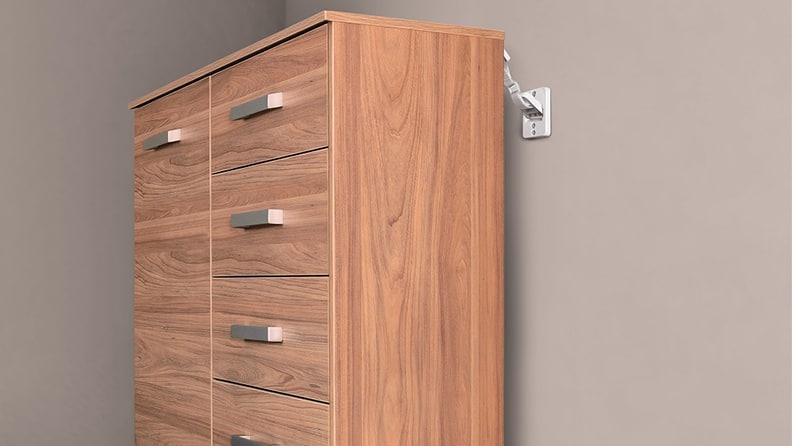
Your dresser holds more than just clothes—it holds memories, style, and sometimes a bit of chaos if it tips over. Anchoring your solid dresser to the wall isn’t just about safety; it’s about peace of mind.
Imagine never worrying about it wobbling or falling, especially if you have kids or pets around. In this guide, you’ll discover simple, effective steps to secure your dresser firmly. By the end, you’ll know exactly how to keep your furniture stable and your home safe.
Ready to make your space safer and more secure? Let’s dive in.
Credit: www.lowes.com
Choose The Right Anchors
Choosing the right anchors is key to safely securing a solid dresser to the wall. The right anchors hold the weight and keep the dresser stable. Using the wrong anchors can lead to accidents or damage. This guide explains how to pick anchors based on wall types and anchor styles.
Types Of Wall Anchors
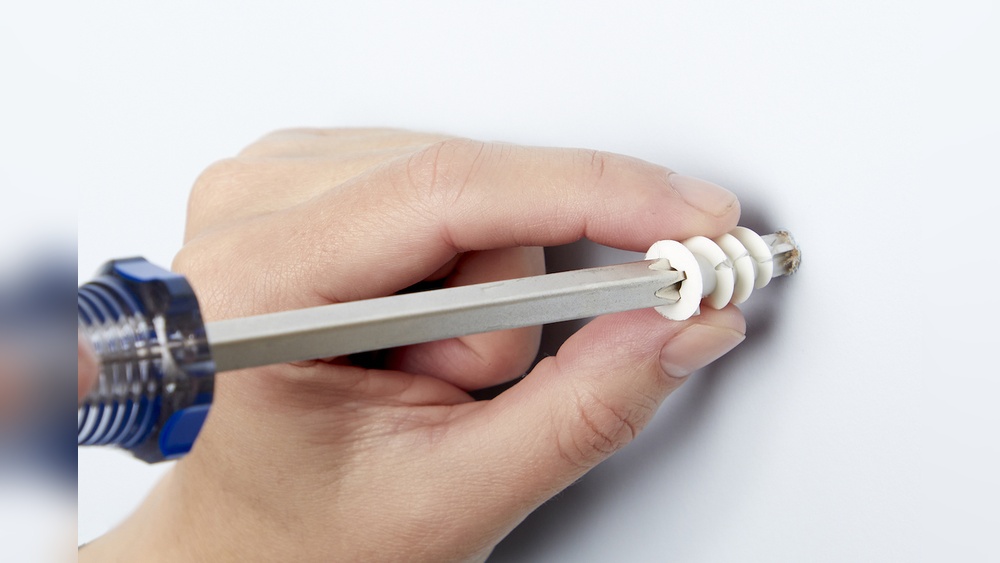
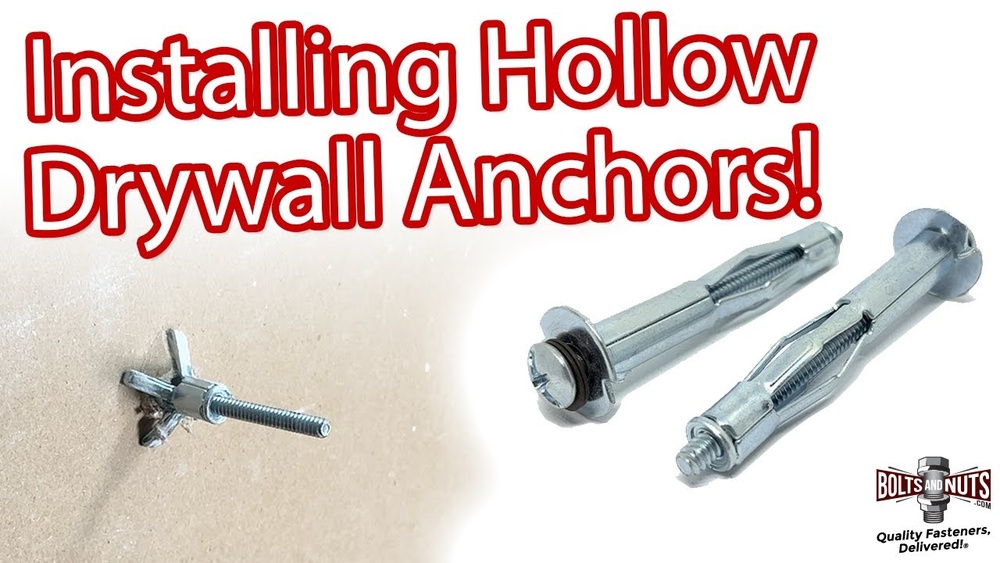
Wall anchors come in several types. Plastic expansion anchors expand inside the wall for light loads. Molly bolts have metal sleeves that open behind the wall for medium strength. Toggle bolts use metal wings to spread the load over a larger area. Self-drilling anchors screw directly into drywall and hold moderate weight. Each type has a different strength and use.
Matching Anchors To Wall Material
Different walls need different anchors. Drywall alone is weak, so use toggle bolts or molly bolts for heavy dressers. For plaster walls, molly bolts work best because they grip tightly. Concrete or brick walls require masonry anchors or sleeve anchors. Wood studs are the strongest support. Screwing directly into studs holds the most weight without special anchors.
Gather Necessary Tools
Gathering the right tools is the first step to safely anchor a solid dresser to the wall. Having everything ready saves time and avoids frustration. It also helps ensure the job is done correctly and securely.
Before starting, check each tool to confirm it works well. Using proper tools makes the task easier and safer. This section lists all necessary equipment and safety gear.
Tools Checklist
- Stud finder to locate wall studs
- Drill with screwdriver bits
- Measuring tape for accuracy
- Level to keep the dresser straight
- Wall anchors or brackets
- Screwdriver for tightening screws
- Pencil to mark drill spots
Safety Gear
- Protective gloves to avoid hand injuries
- Safety goggles to protect your eyes
- Dust mask if drilling creates dust
- Closed-toe shoes for foot protection
Locate Wall Studs
Locating wall studs is a key step in anchoring a solid dresser to the wall. Studs provide strong support, making your dresser stable and safe. Without finding studs, the dresser may tip over or damage the wall. This section explains how to find studs easily.
Using A Stud Finder
A stud finder is a small tool that detects wood or metal behind the wall. Turn it on and move it slowly across the wall surface. The device will beep or light up when it finds a stud. Mark the spot with a pencil. Repeat this process to find multiple studs along the wall.
Stud finders work best on drywall and plaster walls. They save time and effort compared to guessing. Make sure to use fresh batteries for accurate results. Some models show the edges of studs, helping you find the center for drilling.
Alternative Methods
If you do not have a stud finder, try other ways to find studs. Tap the wall with your knuckles and listen for a solid sound. A hollow sound means no stud, while a dull sound means a stud is behind the wall. This method needs practice but can be effective.
Look for electrical outlets and light switches on the wall. Studs usually run next to these fixtures. You can remove the cover plate and peek inside to locate the stud edge. Use a thin nail or screwdriver to probe the wall at marked points.
Measure 16 or 24 inches from a corner or door frame. Studs often follow these standard spacing patterns. Mark these spots and test them with tapping or probing. Combining these methods helps you find the strongest points for anchoring your dresser safely.
Prepare The Dresser
Preparing the dresser is the first step to secure it safely to the wall. This step makes sure the dresser stays steady and does not tip over. Taking time to prepare the dresser can prevent accidents and protect your furniture.
Attach Brackets To Furniture
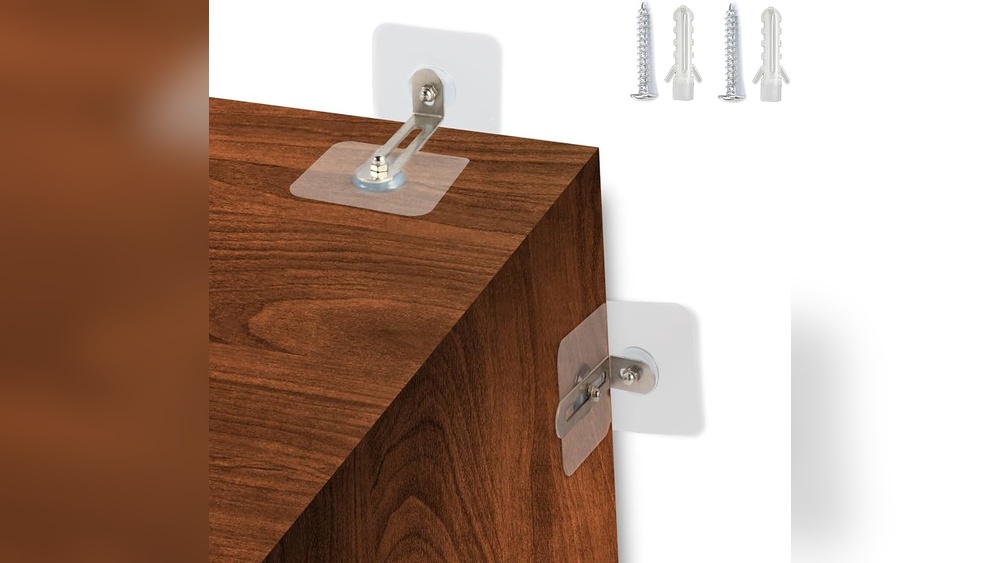
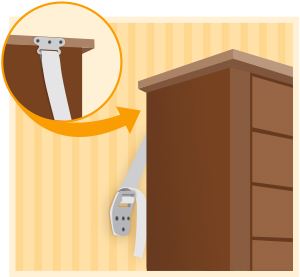
Start by choosing the right brackets for your dresser. Use metal brackets made for furniture safety. Place the brackets on the back of the dresser near the top. Use screws to fix the brackets tightly. Make sure the screws are strong enough to hold the weight.
Positioning For Stability
Place the dresser where you want it against the wall. Check if it stands flat on the floor without rocking. Adjust the position so the dresser is stable. The brackets should align with wall studs for a strong hold. This setup keeps the dresser from tipping forward.
Mark And Drill Holes
Marking and drilling holes is a key step to secure your dresser to the wall. It ensures the anchor points are correct and strong. Careful marking helps avoid mistakes that might damage the wall or dresser. Drilling with the right tools and technique creates clean holes for wall anchors or screws. This process keeps your dresser steady and safe.
Measuring And Marking
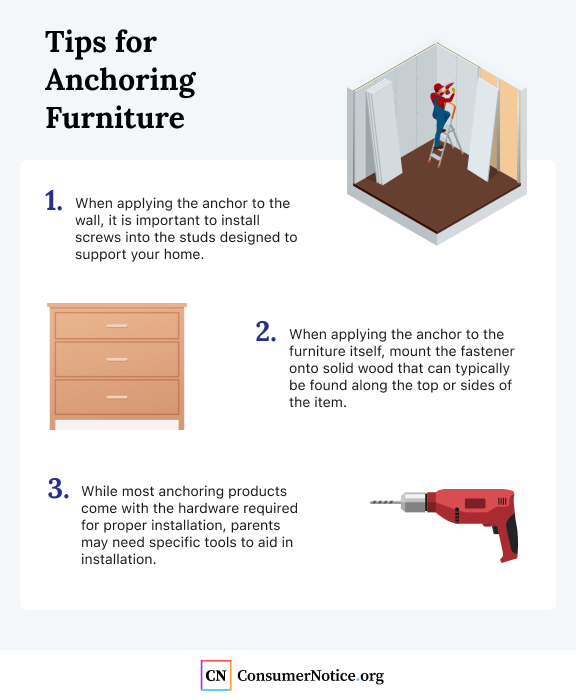
Start by measuring the height of the dresser and the wall space. Use a pencil to mark the spots where the brackets will attach. Check that marks line up with wall studs for better support. Use a level tool to keep marks straight and even. Double-check all marks before drilling to avoid errors.
Drilling Tips
Choose a drill bit that matches the size of your wall anchors. Drill slowly and steadily to avoid cracking the wall. Keep the drill straight to make clean, precise holes. Use a vacuum or brush to clear dust from holes. Test the fit of anchors or screws before final installation.
Credit: www.childproofingexperts.com
Install Anchors And Brackets
Installing anchors and brackets is a key step to keep your dresser safe and steady. This process stops the dresser from tipping over and causing accidents. Proper installation protects both your furniture and your family.
Follow clear steps to fix the anchors firmly in the wall. Then attach brackets that connect the dresser to the anchors. This ensures a strong hold and peace of mind.
Securing Anchors To Wall
First, choose the right anchors for your wall type. Drywall anchors work for plasterboard walls. Use toggle bolts or screws for studs.
Mark the spots on the wall behind the dresser. Drill small holes at the marks. Insert the anchors into the holes. Push or screw them in until flush with the wall.
Check that anchors sit tight. Loose anchors will not hold the dresser safely.
Connecting Dresser To Wall
Locate the brackets that came with your dresser or buy universal ones. Attach brackets to the dresser’s top or back using screws.
Lift the dresser close to the wall. Align the brackets with the wall anchors. Fasten the brackets to the anchors with screws.
Give the dresser a gentle shake. It should stay firmly in place without wobbling.
Test Stability
Testing the stability of your dresser after anchoring is crucial. It ensures safety and prevents accidents. A stable dresser stays firmly in place, even when bumped or pulled. Take your time to check the firmness before using the dresser fully.
Checking For Movement
Push the dresser gently from different sides. Try to move it back and forth and side to side. Notice any wobbling or shifting. A solid dresser should not move easily. Listen for any sounds like creaking or cracking. These may indicate loose anchors or screws.
Adjusting If Needed
Find loose spots or weak points. Tighten screws or bolts as needed. Add extra anchors if the dresser still moves. Use a level to check if the dresser stands straight. Adjust the anchor points to improve balance. Repeat the movement test after adjustments. Keep testing until the dresser feels secure and steady.
Credit: www.consumernotice.org
Safety Tips And Maintenance
Anchoring a dresser to the wall keeps your home safe from accidents. Proper safety and maintenance ensure the dresser stays secure over time. This section covers key tips to keep your furniture stable and hazard-free.
Regular Inspections
Check the dresser anchor every few months. Look for loose screws or damaged brackets. Tighten any parts that feel weak or shaky. Make sure the wall anchors hold firmly in place. If the dresser moves even slightly, fix it right away. Regular checks prevent small problems from becoming big risks.
Preventing Future Hazards
Keep children away from climbing on dressers. Teach them about the dangers of tipping furniture. Avoid placing heavy items on top that can fall off. Use proper anchors designed for your wall type. Replace worn or broken parts immediately. These actions stop accidents before they start and keep your home safer.
Frequently Asked Questions
How Do I Secure A Dresser To A Wall Safely?
Use wall anchors and brackets designed for furniture safety. Locate wall studs first. Attach brackets firmly to both dresser and wall for stability.
What Tools Are Needed To Anchor A Dresser?
You will need a drill, stud finder, wall anchors, screws, brackets, and a screwdriver. These tools ensure a secure and stable dresser installation.
Can I Anchor A Dresser Without Studs?
Yes, use heavy-duty wall anchors if studs are unavailable. Choose anchors rated for the dresser’s weight to prevent accidents or damage.
Why Is Anchoring A Dresser Important?
Anchoring prevents tipping accidents, especially in homes with children. It enhances safety by stabilizing heavy furniture during earthquakes or sudden movements.
Conclusion
Anchoring a dresser to the wall keeps it steady and safe. It prevents tipping and protects children and pets. Use strong anchors and check the wall type first. Measure carefully and follow simple steps for best results. A secure dresser means peace of mind in your home.
Taking time to anchor well makes a big difference. Keep your space safe and organized with this easy task. Solid support helps avoid accidents and damage. Simple tools and care go a long way.