Have you ever worried that your medicine cabinet might fall off the wall? Keeping it securely anchored isn’t just about neatness—it’s about safety for you and your family.
If you want to avoid accidents and protect your valuable items, learning how to anchor your medicine cabinet properly is a must. In this guide, you’ll discover simple, step-by-step instructions that anyone can follow. By the end, you’ll feel confident that your cabinet is firmly fixed and safe.
Ready to make your bathroom safer and more organized? Let’s get started!
Tools And Materials Needed
Securing a medicine cabinet to the wall requires the right tools and materials. This ensures safety and stability for your cabinet. Using proper equipment also makes the installation process easier and faster.
Essential Tools
- Drill – for making holes in the wall
- Screwdriver – to drive screws into anchors
- Stud Finder – to locate wall studs
- Level – to keep the cabinet straight
- Measuring Tape – for accurate placement
- Pencil – to mark drill points
- Hammer – to tap in wall anchors
Required Materials
- Medicine cabinet – the item to install
- Wall anchors – for drywall support
- Screws – to secure the cabinet
- Mounting brackets (if included) – for extra support
- Safety goggles – protect your eyes while drilling
Credit: www.homedepot.com
Choosing The Right Location
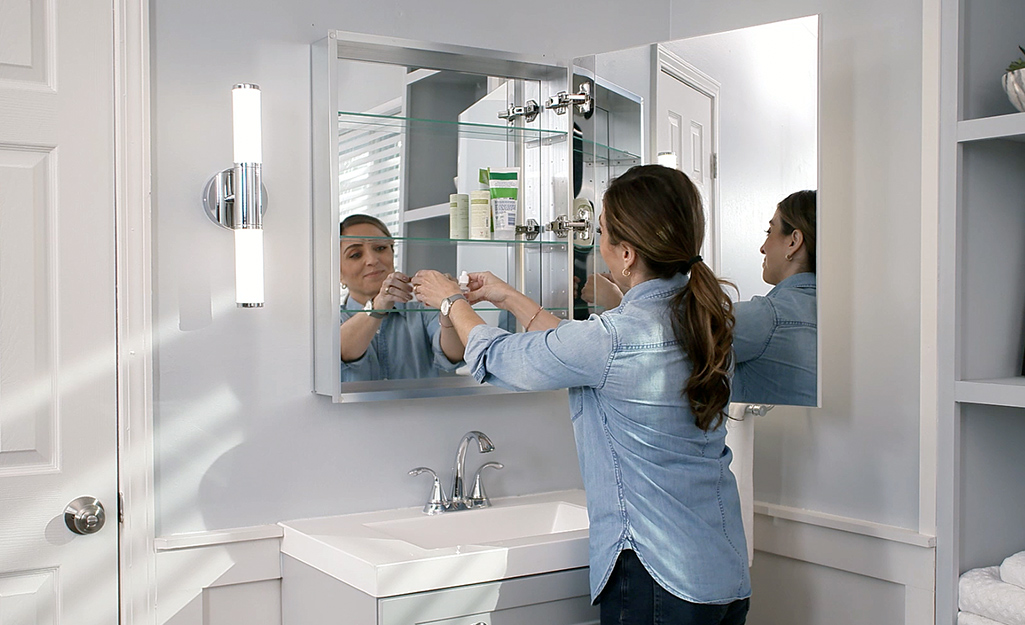
Choosing the right location for your medicine cabinet is key to safe and easy use. The right spot keeps the cabinet stable and easy to reach. It also helps protect your wall and keeps your bathroom neat. Think about where the cabinet will fit best before starting the installation.
Finding Wall Studs
Wall studs give your cabinet strong support. Use a stud finder to locate these wooden beams behind your wall. Mark the stud positions with a pencil. Anchoring the cabinet into studs prevents it from falling or damaging the wall. Avoid drywall alone, as it cannot hold the cabinet’s weight.
Considering Height And Accessibility
Set the cabinet at a height everyone can use easily. Place it near the sink or mirror for convenience. Keep in mind children and older adults who may need access. Avoid spots too high or too low. A good height helps you grab medicine quickly and keeps the bathroom organized.
Preparing The Wall
Preparing the wall is the first step to safely anchor a medicine cabinet. It ensures the cabinet stays secure and prevents accidents. Take time to prepare properly. This makes the installation easier and more reliable.
Marking Anchor Points
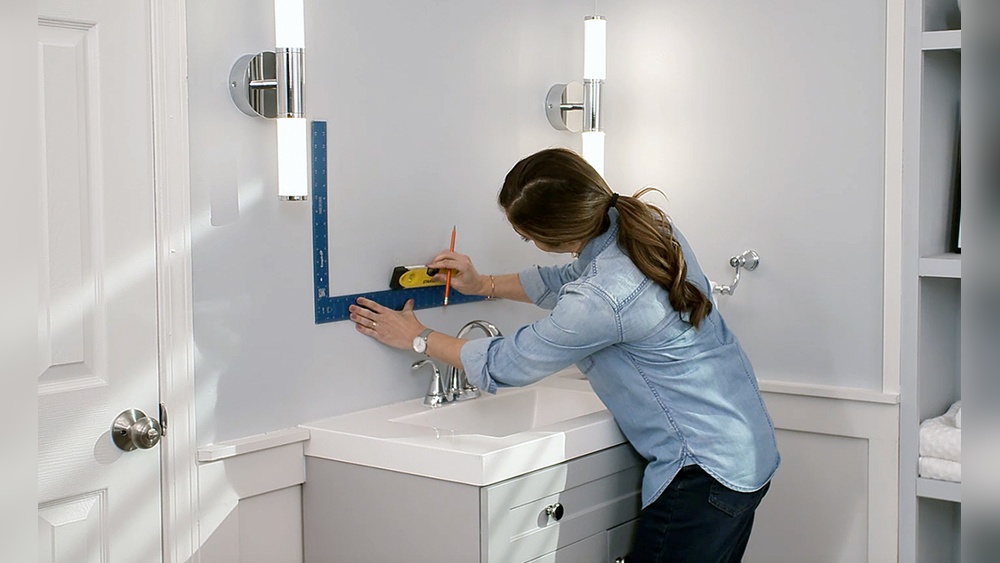
Start by holding the cabinet against the wall. Use a pencil to mark the spots for anchors. These points should line up with the cabinet’s mounting holes. Double-check the height and level before marking. Accurate marks help keep the cabinet straight and stable.
Drilling Pilot Holes
Choose the right drill bit for your wall type. Drill small pilot holes at the marked points. These holes guide the anchors and prevent wall damage. Drill carefully to keep holes straight. Clean out dust from holes before inserting anchors. Proper pilot holes make anchoring easier and stronger.

Credit: www.amazon.com
Selecting Anchors
Choosing the right anchors is key to securing a medicine cabinet safely. The anchor must hold the cabinet’s weight without slipping or damaging the wall. Different walls need different types of anchors. Understanding which anchor fits your wall type ensures a strong and lasting hold.
Types Of Wall Anchors
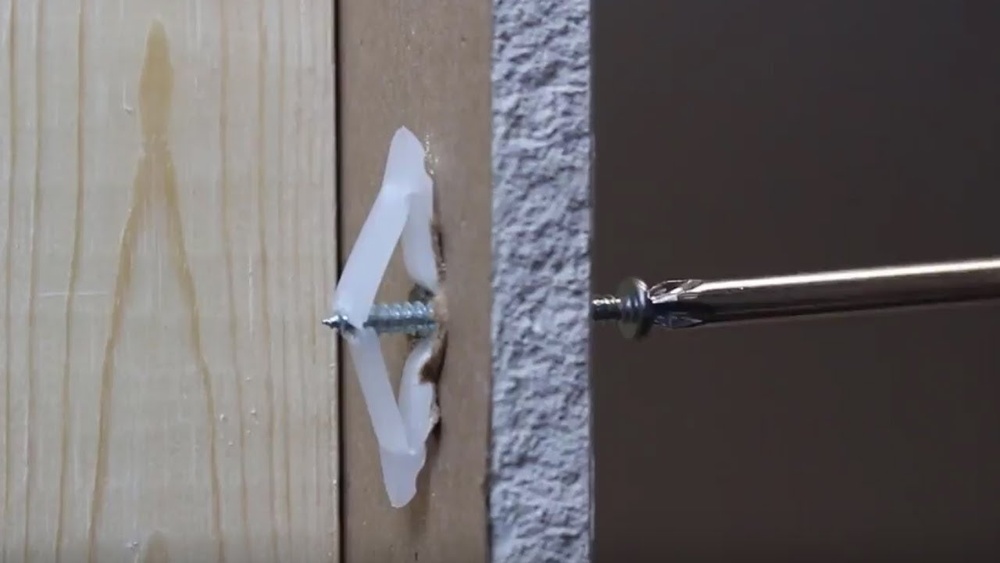
There are several common wall anchors. Plastic expansion anchors are good for light loads. Metal anchors, like toggle bolts, hold heavier weights. Molly bolts expand inside the wall for extra strength. Self-drilling anchors are easy to install and work well in drywall. Each type has unique features for specific uses.
Matching Anchors To Wall Type
Drywall needs anchors that spread the load evenly. Plastic anchors work for small items on drywall. Heavy cabinets require metal toggle bolts in drywall. For plaster walls, use molly bolts to avoid cracks. Concrete or brick walls need masonry anchors. Pick the right anchor to match your wall for safe installation.
Mounting The Cabinet
Mounting a medicine cabinet on the wall ensures safety and convenience. A well-mounted cabinet stays firm and holds your items securely. Follow clear steps to position and attach the cabinet properly. This section explains how to mount the cabinet correctly for lasting support.
Aligning The Cabinet
Start by choosing the right height for easy reach. Use a level to check the cabinet’s position. Mark the wall through the cabinet’s mounting holes. This keeps the cabinet straight and balanced. Double-check the marks before drilling any holes. Proper alignment prevents tilting or falling later.
Securing With Screws And Anchors
Pick screws and anchors suitable for your wall type. For drywall, use strong wall anchors to hold weight. Drill holes on the marked spots carefully. Insert anchors into the holes for firm grip. Place the cabinet back and drive screws through mounting holes. Tighten screws until the cabinet feels stable. Avoid over-tightening to prevent damage. This step locks the cabinet firmly in place.
Final Adjustments
Final adjustments make sure your medicine cabinet is safe and looks good. These steps help secure the cabinet firmly and improve its appearance. Taking time here prevents future problems like wobbling or damage. Follow these simple checks and finishing touches for a strong, neat installation.
Checking Stability
Push the cabinet gently from different sides. It should not move or shake. Test the door to open and close smoothly. Make sure all screws are tight. Tighten any loose screws with a screwdriver. Check if the cabinet is level using a spirit level. Adjust the screws if the cabinet tilts. Stability keeps your cabinet safe and lasts longer.
Sealing And Finishing Touches
Fill any gaps between the cabinet and the wall with caulk. This stops dust and moisture from entering. Use a smooth tool or finger to even out the caulk. Wipe off any extra caulk before it dries. Paint or touch up around the cabinet for a clean look. Clean the cabinet surface to remove dust and fingerprints. These small steps improve the cabinet’s look and protection.

Credit: www.amazon.com
Frequently Asked Questions
What Tools Are Needed To Anchor A Medicine Cabinet?
You need a drill, level, screwdriver, anchors, screws, and a stud finder. These tools ensure a secure and safe installation.
How Do I Find Studs For Medicine Cabinet Anchoring?
Use a stud finder to locate studs behind the wall. Mark the stud positions for accurate cabinet anchoring.
What Type Of Anchors Work Best For Medicine Cabinets?
Toggle bolts or heavy-duty wall anchors are ideal. They provide strong support for the cabinet’s weight.
Can I Anchor A Medicine Cabinet On Drywall Only?
Yes, but use heavy-duty anchors designed for drywall. Avoid overloading to prevent damage or cabinet falling.
Conclusion
Anchoring a medicine cabinet to the wall keeps it safe and steady. Choose the right tools and follow each step carefully. Check the wall type before drilling to avoid damage. Secure the cabinet tightly to prevent accidents. Take your time; rushing can cause mistakes.
A well-anchored cabinet lasts longer and protects your family. Simple steps make a big difference in safety. Now, your medicine cabinet stands firm and reliable.