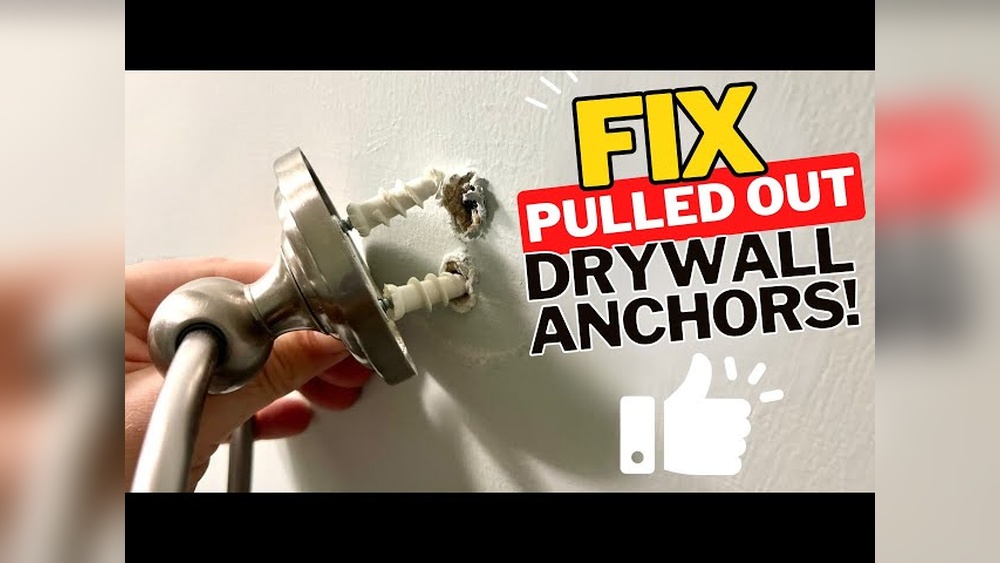
Are you tired of nails slipping out of your drywall or pictures falling off the wall? Installing a wall anchor can be the simple fix you need.
It’s a small tool that makes a big difference, giving your shelves, hooks, and frames the strong support they deserve. In this guide, you’ll learn exactly how to install a wall anchor in drywall quickly and securely. Follow these easy steps, and you’ll feel confident tackling your next home project like a pro.
Keep reading—you’re just moments away from mastering a skill that will save you time and frustration.

Credit: www.picturehangsolutions.com
Choosing The Right Wall Anchor
Choosing the right wall anchor is important for a strong hold. The wrong anchor can cause damage or fail to support your items. Different anchors work best for different wall types and weights. Knowing the options helps you pick the best one for your project.
Types Of Wall Anchors
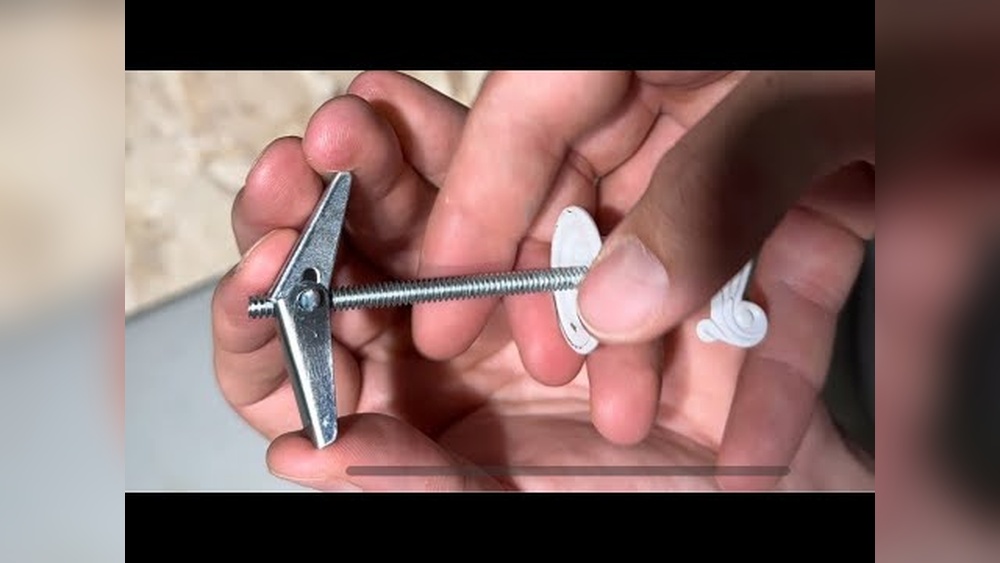
Plastic expansion anchors are common for light loads. They expand inside the drywall to hold tight. Metal anchors, like molly bolts, offer stronger support. These spread inside the wall for a firm grip. Toggle bolts have wings that open behind the wall. They hold heavy objects securely. Self-drilling anchors screw directly into drywall. They are easy to install and work well for medium weights.
Selecting Based On Weight And Wall Type
Light items like picture frames need simple plastic anchors. Medium weights, such as shelves, require metal or self-drilling anchors. Heavy objects like large mirrors or TVs need toggle bolts. Drywall alone is fragile, so anchors must fit well. For walls with studs, use anchors that also reach the stud. This adds extra strength. Match the anchor size to the screw and item weight for safety.
Tools And Materials Needed
Before installing a wall anchor in drywall, gather all necessary tools and materials. This preparation makes the job faster and easier. Having the right items ensures the anchor holds firmly and safely.
Essential Tools
Start with a power drill or a screwdriver. These help create the hole for the anchor. Use a drill bit that matches the anchor size. A hammer can be useful to tap the anchor into place. A tape measure helps find the exact spot on the wall. A pencil is needed to mark the spot clearly. A level ensures your installation is straight. Finally, keep the wall anchors and screws ready.
Safety Gear
Wear safety goggles to protect your eyes from dust and debris. Gloves keep your hands safe from sharp edges. A dust mask helps avoid breathing in dust particles. Ear protection is important if using loud power tools. Prepare your work area by clearing obstacles for safety. Good lighting helps see details clearly and avoid mistakes.
Preparing The Drywall Surface
Preparing the drywall surface is the first step to install wall anchors properly. A clean and well-marked surface ensures strong support. Taking time to prepare helps avoid mistakes and damage. It also makes the installation process easier and faster.
Locating Studs And Marking Spots
Studs provide the best support for heavy items. Use a stud finder to locate them behind the drywall. Mark the spots clearly with a pencil. Avoid placing anchors directly on studs for light loads. For heavier items, anchors near studs work best. Mark exact points where the anchors will go. Double-check measurements to keep everything level and balanced.
Cleaning The Area
Remove dust and dirt from the marked area. Use a dry cloth or a small brush to clean the drywall. A clean surface helps the anchor hold better. Avoid using water or wet cloths as they can damage drywall. Ensure the area is dry before drilling or inserting anchors. Clean preparation creates a strong base for the anchor.
Drilling The Hole
Drilling the hole is the key step when installing a wall anchor in drywall. It creates space for the anchor to fit snugly. A clean, precise hole ensures the anchor holds strong. Take care during this step to avoid damage to the wall or anchor.
Choosing The Right Drill Bit
Select a drill bit that matches the anchor size exactly. Too large, the anchor will be loose. Too small, the anchor may not fit or could break. Use a standard twist drill bit for most plastic anchors. For metal anchors, choose a bit made for metal drilling. Check the anchor package for recommended bit size to avoid mistakes.
Drilling Techniques
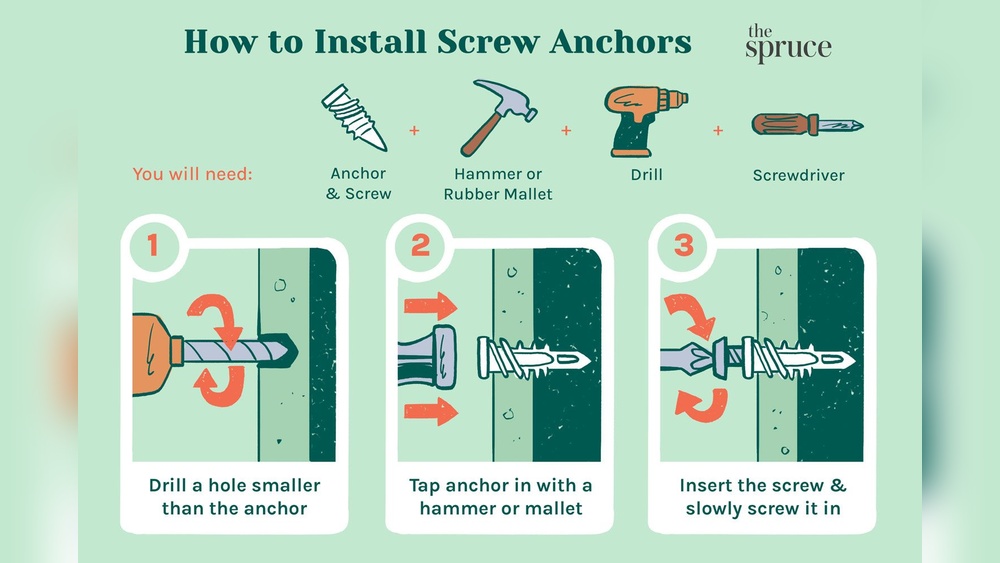
Mark the spot clearly before drilling. Hold the drill steady and perpendicular to the wall. Start drilling slowly to avoid cracking the drywall. Increase speed gradually once the bit bites into the wall. Drill only as deep as the anchor length. Remove dust from the hole before inserting the anchor. This helps the anchor grip better and prevents slipping.
Inserting The Wall Anchor
Inserting the wall anchor into drywall is a key step for a strong hold. This step ensures the anchor stays firmly in place. Proper insertion prevents damage and keeps your item secure.
Types Of Insertion Methods
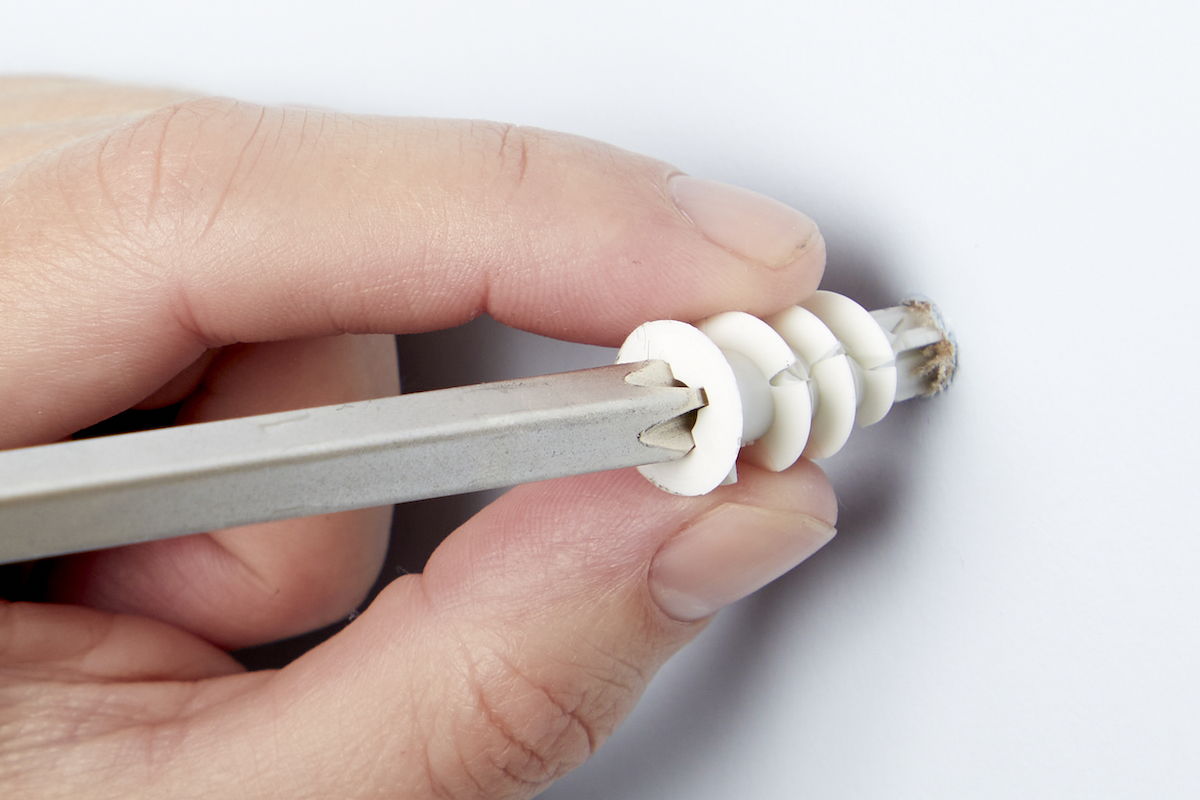
There are several ways to insert wall anchors. Some anchors push in directly, while others need a pre-drilled hole. Screw anchors require turning with a screwdriver. Expansion anchors need to be tapped gently with a hammer. Choose the method that fits your anchor type and drywall condition.
Ensuring A Secure Fit
Push or screw the anchor until it is flush with the wall. Avoid forcing it too hard to stop drywall damage. Check if the anchor feels tight and does not wiggle. A loose anchor reduces holding power and risks falling. Use the right tool for steady pressure and control.
Attaching The Fixture
Attaching the fixture to drywall anchors is a key step. It ensures the item stays secure and stable on the wall. Proper attachment prevents damage to both the fixture and drywall. Follow simple steps to align and tighten the fixture correctly.
Aligning The Fixture
Place the fixture over the anchor holes carefully. Make sure the holes in the fixture line up with the wall anchors. Check the fixture’s position before you start tightening. A small misalignment can cause the fixture to hang unevenly. Hold the fixture steady to avoid shifting during the next step.
Tightening Screws Properly
Insert screws into the wall anchors through the fixture holes. Use a screwdriver or drill with a low setting. Tighten screws slowly and evenly. Do not overtighten, as this can damage the drywall or strip the anchor. Stop tightening when the fixture feels firm and does not wobble.
Testing The Installation
Testing the installation of a wall anchor in drywall is a crucial step. It ensures the anchor holds firmly and the mounted object is secure. Skipping this step may cause damage or accidents later.
Checking Stability
Start by gently pulling the anchor or attached object. Feel for any movement or looseness. A secure anchor should not wiggle or shift. Try pressing or pushing on the object from different angles. Check if the drywall around the anchor stays intact. Tighten the screw slightly if needed, but avoid over-tightening. The goal is firm, stable support without damaging the wall.
Troubleshooting Common Issues
If the anchor feels loose, it may not have gripped the drywall well. Remove the anchor carefully and inspect the hole size. A hole too large reduces grip strength. Use a larger anchor or a different type for better hold. Crumbling drywall around the anchor means damage occurred. Try moving to a new spot or using a toggle bolt. If the screw spins freely, the anchor may be stripped. Replace with a fresh anchor and avoid reusing old holes. Testing helps catch these problems early.

Credit: www.wikihow.com
Tips For Long-lasting Support
Installing wall anchors in drywall is just the first step. To keep your items safe and secure, follow these tips. Long-lasting support depends on how you use and care for the anchors. Small actions can make a big difference.
Avoiding Overloading
Every wall anchor has a weight limit. Do not hang items heavier than the anchor can hold. Heavy objects can pull anchors loose or damage drywall. Use multiple anchors for heavier items. Spread the weight evenly to avoid stress on one point.
Regular Maintenance
Check your anchors regularly for any signs of wear or loosening. Tighten screws if they feel loose. Look for cracks or holes around the anchor. Repair damaged drywall to keep anchors strong. Regular care helps prevent accidents and keeps anchors reliable over time.
Credit: www.bobvila.com
Frequently Asked Questions
What Types Of Wall Anchors Work Best For Drywall?
Plastic expansion anchors and toggle bolts work best for drywall. Plastic anchors are ideal for lightweight items. Toggle bolts provide strong support for heavier objects. Choose based on the weight and size of the item you’re hanging.
How Do I Prepare Drywall For Wall Anchor Installation?
Start by marking the exact spot on the drywall. Use a drill bit slightly smaller than the anchor. Drill a clean hole without damaging the drywall. Remove dust before inserting the anchor for a secure fit.
Can I Install Wall Anchors Without A Drill?
Yes, some anchors like self-drilling drywall anchors don’t require a drill. You can screw them directly into the drywall using a screwdriver. However, a drill makes the process faster and more precise for most anchor types.
How Much Weight Can Drywall Anchors Support?
Weight capacity varies by anchor type. Plastic anchors usually support up to 20 pounds. Toggle bolts can hold 50 pounds or more. Always check the manufacturer’s weight rating before installation to ensure safety.
Conclusion
Installing a wall anchor in drywall is simple and useful. It helps hold items safely and keeps walls strong. Follow each step with care to avoid mistakes. Use the right tools to make the job easier. Take your time and check your work as you go.
This way, your anchors will stay secure for a long time. Now, you can hang shelves, pictures, or mirrors with confidence. Practice a few times, and you will get better quickly. Safe and steady walls make your home look neat.