Have you ever wondered what makes your furniture sturdy or your car parts stay in place? The answer lies in fastening tools.
These tools are the unsung heroes behind almost every construction, repair, or DIY project you take on. Understanding what fastening tools are and how they work can save you time, money, and frustration. You’ll discover the essential types of fastening tools and how they can make your projects easier and more reliable.
Keep reading—you might just find the perfect tool you didn’t know you needed.
Credit: www.rowleycompany.com
Types Of Fastening Tools
Fastening tools are essential in construction, woodworking, and repairs. They help join materials securely. Different projects need different types of fastening tools. Choosing the right tool makes work easier and faster. Here are the main types of fastening tools you should know about.
Handheld Fasteners
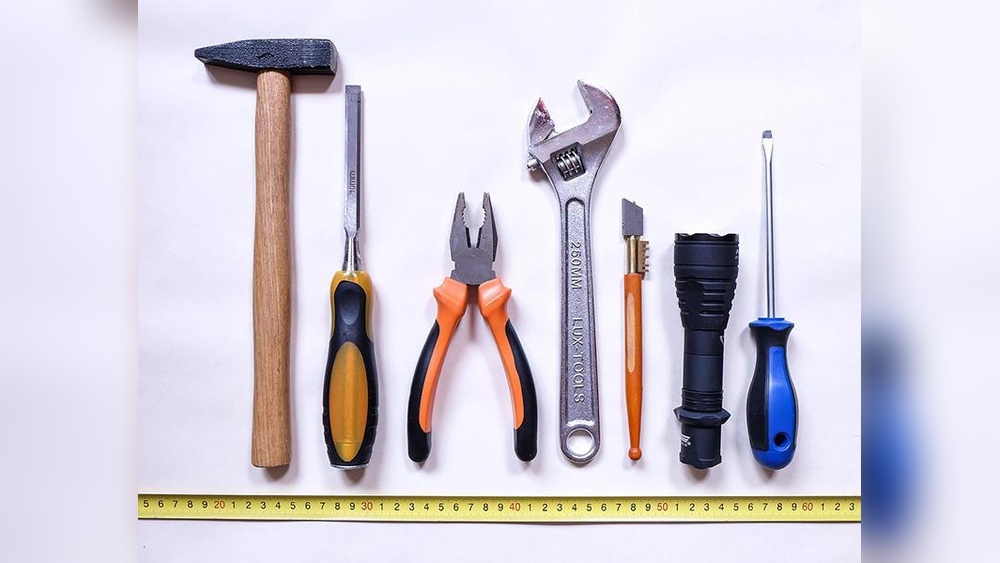
Handheld fasteners are simple tools you operate by hand. Examples include hammers, screwdrivers, and pliers. They are best for small jobs or tight spaces. These tools offer control and precision. They do not need power or batteries to work.
Power Fasteners
Power fasteners use electricity or air pressure to work. Nail guns, electric screwdrivers, and impact drivers are common types. They speed up fastening tasks and reduce effort. These tools are ideal for large projects or repetitive work. They provide strong and consistent fastening results.
Specialized Fastening Tools
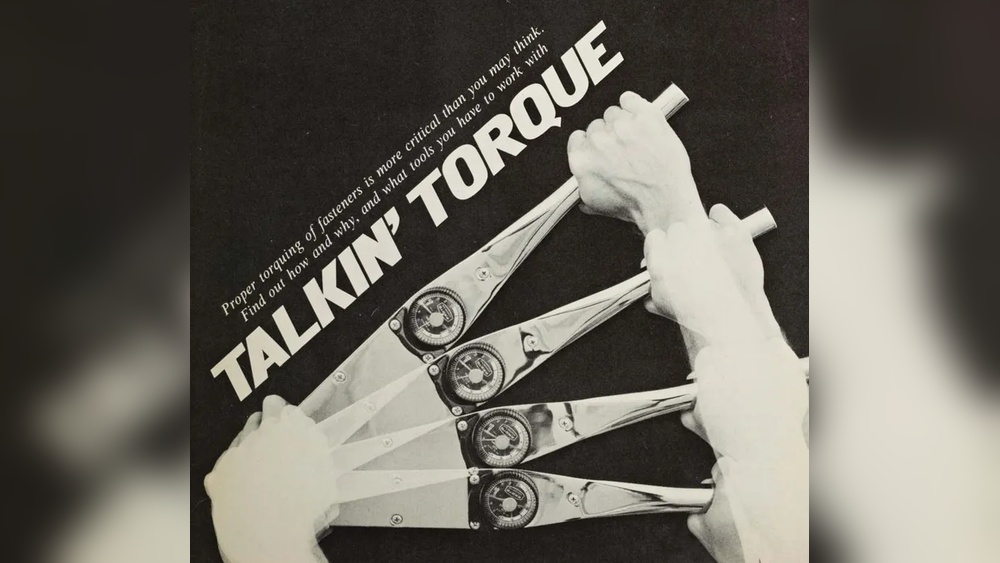
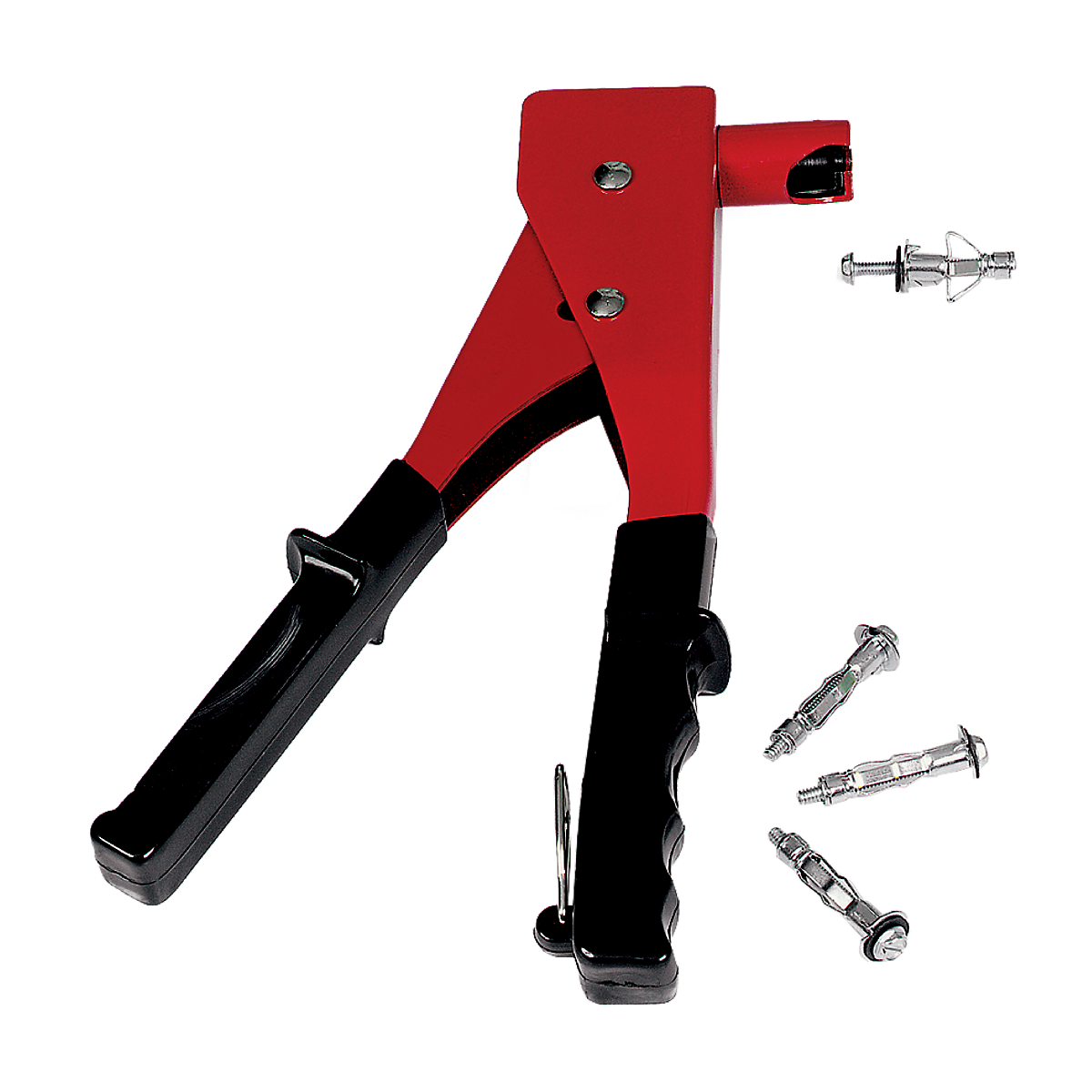
Specialized fastening tools serve specific needs. Rivet guns, staple guns, and torque wrenches fall into this group. They handle unique materials or fasteners. These tools improve accuracy and safety in certain jobs. Using the right specialized tool ensures lasting connections.
Common Fasteners And Their Uses
Fastening tools use different fasteners to join materials. Each fastener has a specific purpose. Knowing common fasteners helps choose the right one for each job.
Fasteners differ in shape, size, and strength. Some hold wood together, while others secure metal parts. Choosing the right fastener ensures a strong and lasting connection.
Nails And Staples
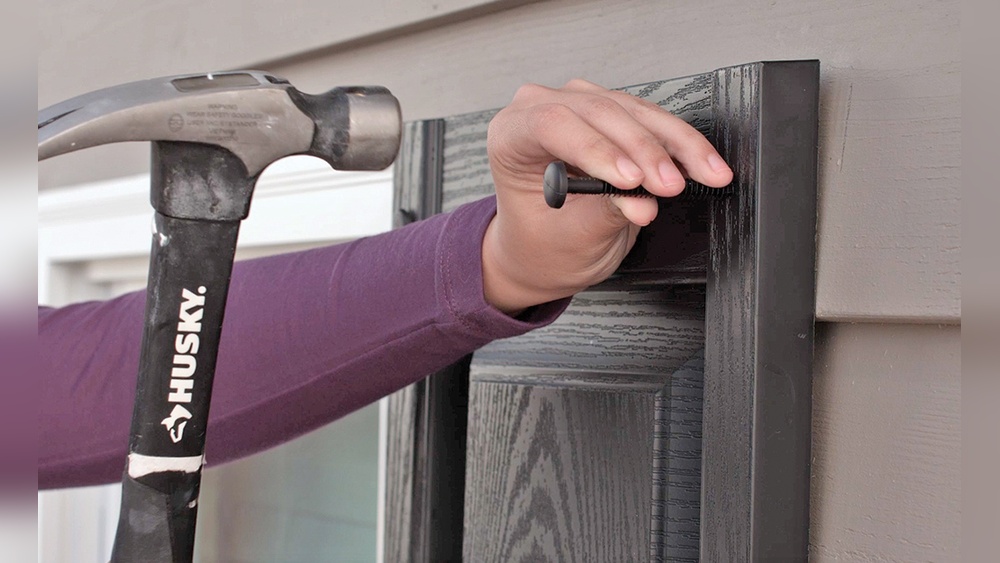
Nails are thin metal pins with a flat head. They work well for wood projects. Nails are easy to drive in with a hammer. Staples are U-shaped metal pieces. They hold thin materials like fabric or paper. Staples are fast and secure for light tasks.
Screws And Bolts
Screws have a spiral thread around the shaft. They hold materials tightly by digging into the surface. Screws need a screwdriver to install. Bolts are thicker and use nuts to hold parts. Bolts are best for heavy-duty connections. They provide strong, adjustable fastening.
Rivets And Anchors
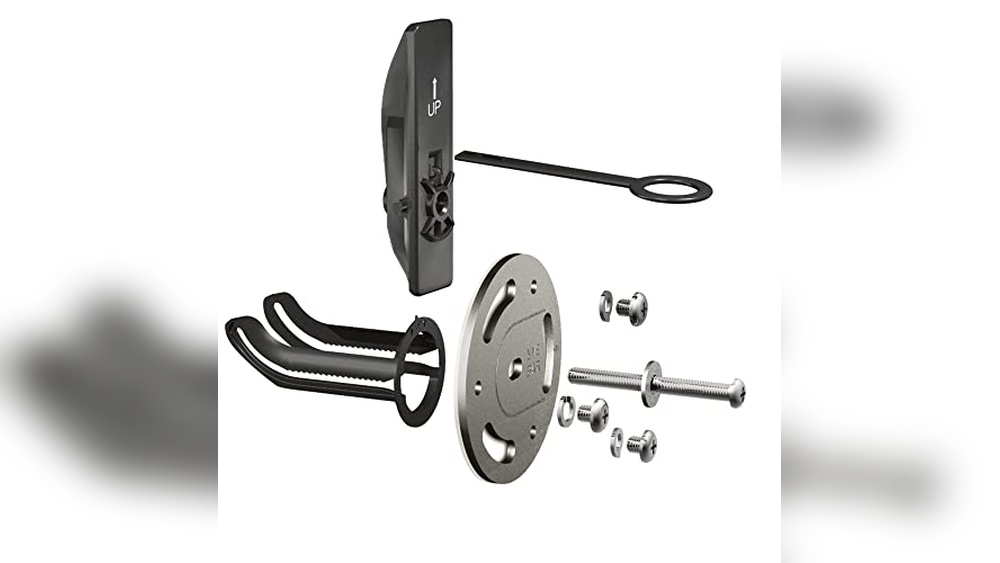
Rivets join materials by expanding inside a hole. They create permanent, strong bonds. Rivets are common in metalwork and aircraft. Anchors hold fasteners in walls or concrete. They expand to grip the base material. Anchors help fix shelves, hooks, and fixtures securely.
Choosing The Right Fastening Tool
Choosing the right fastening tool is essential for any project. The right tool saves time and ensures a strong hold. It also makes the work safer and easier. Different projects need different tools. Understanding key factors helps pick the best one.
Material And Project Type
The type of material affects the fastening tool choice. Wood, metal, or plastic all need different fasteners. Some tools work better with certain materials. For example, a nail gun suits wood, while a rivet tool fits metal. Consider the project size and detail too. Small crafts need precise tools. Large construction requires heavy-duty options.
Tool Compatibility
Check if the tool fits your fasteners. Some tools only accept specific sizes or brands. Using the wrong fastener can cause damage or failure. Compatibility ensures smooth work and better results. Also, think about power source. Cordless tools offer more freedom. Electric or pneumatic tools might be more powerful.
Safety Features
Safety is key when using fastening tools. Look for tools with safety locks or guards. These prevent accidental firing and injuries. Comfortable grips reduce hand strain during long use. Some tools have indicators for low power or jams. Choose a tool that protects you and your team.

Credit: www.amazon.com
Maintenance Tips For Fastening Tools
Maintaining fastening tools is key to keeping them reliable and safe. Proper care extends their life and ensures better performance. Follow simple steps to maintain your tools effectively.
Cleaning And Storage
Clean tools after each use to remove dirt and grease. Use a cloth or brush for hard-to-reach areas. Avoid water on metal parts to prevent rust.
Store tools in a dry place. Use a toolbox or hang them on a rack. Keep them organized to avoid damage and loss.
Regular Inspection
Check tools regularly for wear and damage. Look for cracks, loose parts, or rust. Early detection helps prevent accidents and costly repairs.
Test the tool’s function before use. Ensure moving parts work smoothly. Replace any worn or broken parts immediately.
Sharpening And Repairs
Keep cutting edges sharp for better efficiency. Use a file or sharpening stone as needed. Dull tools can cause poor results and injuries.
Repair damaged parts quickly. Tighten loose screws and replace broken components. Proper repairs keep tools safe and ready for work.
Essential Fastening Tools For Beginners
Starting with fastening tools is key for any beginner in DIY or repairs. These tools help join materials firmly and safely. Choosing the right tools makes projects easier and faster.
Understanding basic tools first sets a strong foundation. Power tools add speed and strength. Accessories make tasks more versatile and efficient.
Basic Handheld Tools
Handheld tools are simple and essential for fastening tasks. Screwdrivers come in flathead and Phillips types. A hammer is useful for nails and light tapping. Pliers help grip, twist, and cut wires or nails. Wrenches tighten and loosen bolts. These tools require no power and are easy to use.
Affordable Power Tools
Power tools save time and effort. A cordless drill is great for drilling holes and driving screws. It offers speed control and better grip. An electric screwdriver is lighter and perfect for small jobs. These tools run on batteries and fit many fastening needs. They are affordable and user-friendly for beginners.
Multipurpose Accessories
Accessories expand tool uses and improve results. Drill bits come in various sizes for different materials. Screwdriver bits fit many screw heads. Anchors help secure screws in drywall or masonry. Measuring tapes and levels ensure accuracy. These add-ons make fastening tasks more precise and versatile.
Advanced Fastening Tools For Pros
Advanced fastening tools are built for professionals who need power and precision. These tools make tough jobs easier and faster. They help deliver strong, reliable connections every time. Professionals trust these tools for quality and durability.
Cordless Nailers
Cordless nailers run on batteries, giving full freedom of movement. No cords to tangle or limit your reach. They are lightweight but pack enough power for wood, drywall, and framing. Fast loading and quick firing save time on the job. Perfect for tight spaces and fast tasks.
Heavy-duty Staplers
Heavy-duty staplers handle thick materials like upholstery and packaging. They use strong staples to hold materials firmly in place. Built to work through tough jobs without jamming. Ergonomic designs reduce hand strain during long use. Ideal for professionals who need strength and reliability.
Precision Screwdrivers
Precision screwdrivers are small but very accurate. Designed for delicate tasks like electronics and fine woodwork. They provide control and steady torque for tiny screws. Many come with interchangeable tips for different screw types. Essential for jobs that need careful, detailed fastening.
Safety Tips While Using Fastening Tools
Using fastening tools can be risky without proper safety steps. These tools work with nails, screws, or staples, often at high speed. Taking safety seriously helps prevent injuries and keeps work smooth.
Protective Gear
Always wear safety glasses to protect your eyes. Gloves can protect your hands from cuts and pinches. Ear protection is important if the tool is loud. Wear sturdy shoes to avoid foot injuries.
Proper Handling
Hold the tool firmly and keep your fingers away from the fastener path. Check the tool before use to ensure it works well. Follow the manufacturer’s instructions carefully. Never point the tool at yourself or others.
Work Area Preparation
Clear the area of clutter and obstacles. Make sure the surface is stable and clean. Keep children and pets away from the work zone. Good lighting helps you see clearly and work safely.

Credit: www.amazon.com
Frequently Asked Questions
What Are Fastening Tools Used For?
Fastening tools join materials like wood, metal, or plastic securely. They enable quick assembly and strong holds in construction and repair.
Which Types Of Fastening Tools Are Common?
Common fastening tools include screwdrivers, nail guns, staplers, and wrenches. Each tool suits specific fasteners like screws, nails, or bolts.
How Do Fastening Tools Improve Work Efficiency?
Fastening tools speed up assembly by providing quick and reliable fastening. They reduce manual effort and ensure consistent fastening quality every time.
Can Fastening Tools Be Used For Diy Projects?
Yes, fastening tools are ideal for DIY projects. They help beginners and experts attach materials easily and create sturdy results.
Conclusion
Fastening tools hold materials tightly and safely together. They help in building, fixing, and creating many things. Knowing different types of fastening tools improves your work quality. These tools make tasks easier and faster. Choosing the right tool saves time and effort.
Practice using them to gain confidence and skill. Fastening tools are important for both beginners and experts. Keep learning about their uses and benefits. This knowledge supports better results in any project.