Have you ever wondered what keeps your clothes securely in place? Fastenings in textiles are the small but mighty heroes behind every zipper, button, or hook you use daily.
They do more than just hold fabric together—they impact your comfort, style, and even how long your garment lasts. By understanding fastenings, you can make smarter choices when buying or caring for your clothes. Keep reading to discover the secrets behind these essential textile components and how they affect your wardrobe every day.
Credit: www.velcro.com
Fastenings In Textiles
Fastenings in textiles are small but essential parts of clothing. They hold pieces of fabric together. Fastenings help us wear and remove clothes easily. They come in many types, such as buttons, zippers, hooks, and snaps. Each type has a unique role in making garments functional and stylish.
Role In Garment Construction
Fastenings join different parts of a garment. They keep clothes secure and fit well. Without fastenings, many clothes would be hard to wear. They also shape the garment by controlling how it opens and closes. Tailors use fastenings to add strength to seams. Some fastenings are sewn onto fabric, while others are clipped or glued. This makes construction faster and more efficient.
Impact On Functionality And Design
Fastenings affect how clothes work every day. A zipper makes a jacket easy to put on and take off. Buttons allow adjustable fitting and style variation. Fastenings can add decoration, like shiny metal snaps or colorful buttons. Designers choose fastenings to match the garment’s look and purpose. Some fastenings are hidden for a clean finish. Others stand out as a bold design element.
Credit: www.thecreativecurator.com
Common Types Of Fastenings
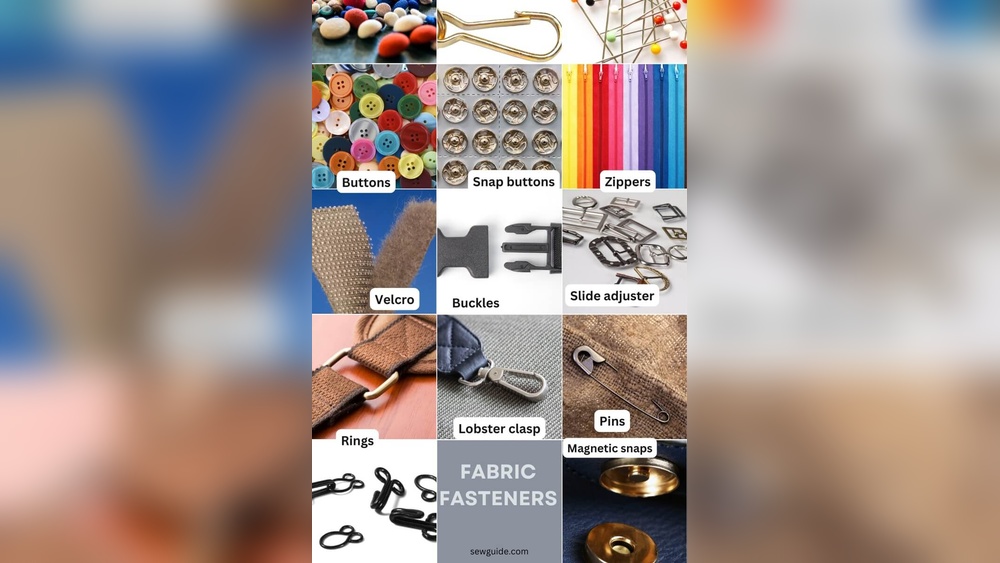
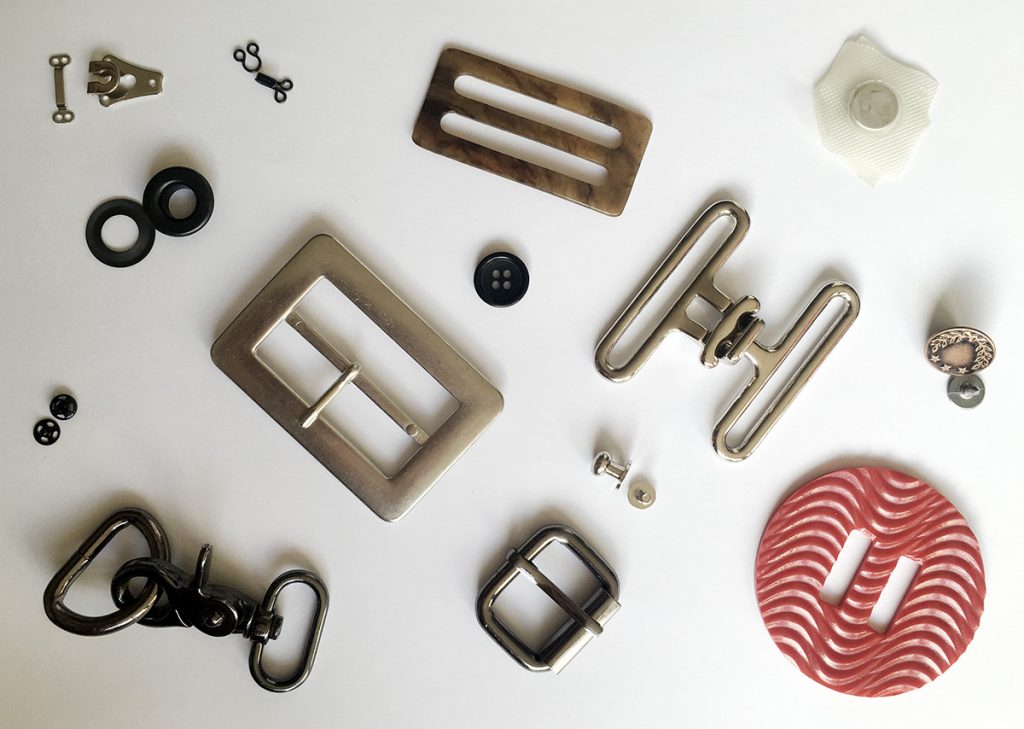
Fastenings in textiles hold fabrics together. They provide both function and style. Different fastenings suit different garments and uses. Some are easy to use, while others offer a secure fit. Below are common types of fastenings found in clothing and accessories.
Buttons
Buttons are small disks sewn onto fabric. They pass through buttonholes to close clothes. Buttons come in many shapes, sizes, and materials. They add decoration and help with fit. Often found on shirts, coats, and pants.
Zippers
Zippers consist of two rows of teeth that lock together. A slider moves up and down to open or close. They are fast and secure. Used in jackets, jeans, and bags. Zippers can be metal or plastic.
Hooks And Eyes
Hooks and eyes are small metal fasteners. The hook catches onto the eye to close fabric edges. They are discreet and strong. Common in bras, skirts, and dresses. Useful for tight or hidden closures.
Snaps
Snaps are two-part fasteners that click together. They are easy to open and close quickly. Used in baby clothes, jackets, and sportswear. Snaps come in metal or plastic options. They hold fabric securely without sewing holes.
Velcro
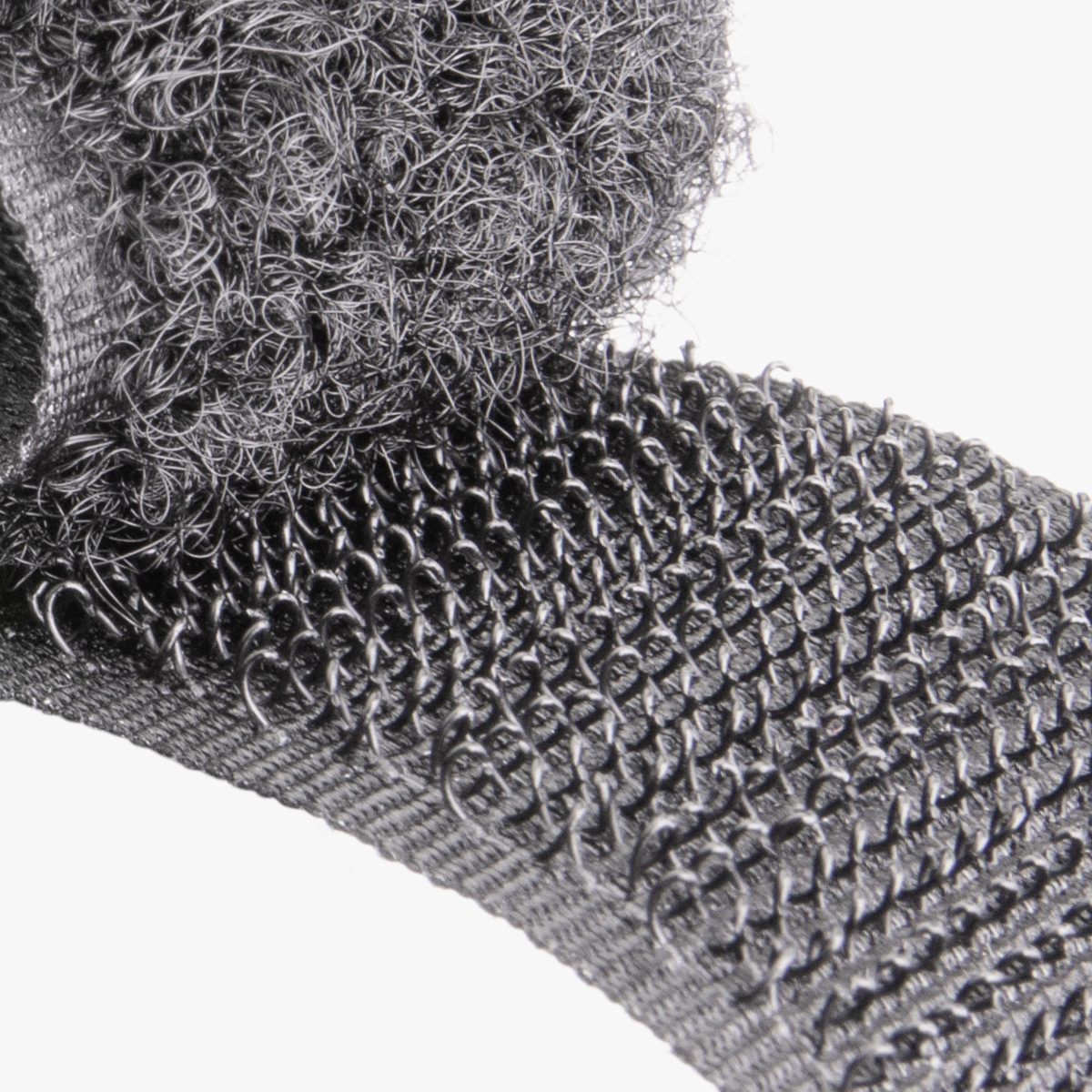
Velcro has two strips: hooks and loops. Pressed together, they stick firmly. Easy to fasten and unfasten. Ideal for shoes, bags, and children’s clothes. Velcro is adjustable and reusable.
Toggles
Toggles are long buttons passed through loops. Made from wood, plastic, or horn. They add a rustic or vintage look. Found on coats and duffle bags. Toggles are easy to use with gloves.
Materials Used In Fastenings
Fastenings in textiles need strong and suitable materials. These materials decide how well a fastening works and how long it lasts. Different materials offer different benefits like strength, flexibility, and appearance. Choosing the right material is important for the type of textile and its use.
Metal Fastenings
Metal fastenings are very strong and durable. They are often used in heavy clothing and bags. Common metals include brass, steel, and aluminum. Metal fastenings resist wear and tear well. They give a sturdy feel and can hold heavy fabrics tightly. These fastenings can also be polished for a shiny look.
Plastic Fastenings
Plastic fastenings are light and flexible. They come in many colors and shapes. These fastenings are common in sportswear and children’s clothes. Plastic does not rust or corrode. It is also cheaper to produce. Plastic fastenings are easy to use and gentle on delicate fabrics.
Natural Materials
Natural materials like wood, bone, and shell are used for fastenings. They offer a unique and organic look. These fastenings are often found in handmade or traditional clothing. Natural materials are biodegradable and eco-friendly. They can add texture and charm to the textile.
Choosing The Right Fastening
Choosing the right fastening is crucial for any textile project. The fastening must suit the fabric and the purpose. The wrong choice can cause discomfort or wear out quickly. Careful selection improves the garment’s look and function.
Considerations For Fabric Type
Different fabrics need different fastenings. Heavy fabrics like denim work well with metal buttons or zippers. Light fabrics need delicate fastenings like snaps or hook-and-loop tape. Stretchy fabrics require flexible fastenings that move with the fabric. Always match the fastening to the fabric’s weight and texture.
Durability Needs
Think about how long the fastening should last. Daily wear demands strong and durable fastenings. For occasional use, lighter fastenings may be enough. Fastenings on children’s clothes must be sturdy and safe. Check the fastening’s quality to avoid early damage.
Aesthetic Preferences
Fastenings also add style to textiles. Buttons come in many shapes, colors, and materials. Zippers can be hidden or decorative. Choose fastenings that match the garment’s look. A good fastening blends function with fashion.
Fastening Techniques
Fastening techniques are essential in textiles for joining fabric pieces. They help keep clothes and other textile items secure and functional. Different methods suit various fabrics and uses. These techniques can be manual or machine-based. Understanding common fastening methods improves garment making and repairs.
Sewing Methods
Sewing is the oldest and most common fastening technique. It uses needle and thread to join fabric parts. Hand sewing is simple and flexible for small tasks. Machine sewing is faster and creates stronger seams. Different stitches, like running stitch or backstitch, serve various purposes. Sewing allows precise control over the fabric connection.
Attachment Tools
Attachment tools include buttons, zippers, hooks, and snaps. Buttons attach by sewing through holes or shanks. Zippers use interlocking teeth to open and close. Hooks and eyes fasten with small metal parts that catch. Snaps press together for quick fastening. These tools add convenience and style to textile products.
Innovations In Fastenings
Fastenings in textiles have evolved a lot over the years. New technologies make them easier to use and more useful. These innovations help clothes fit better and work smarter. Fastenings now do more than just hold fabric together. They add comfort and style too.
Magnetic Fasteners
Magnetic fasteners use small magnets to close garments. They are easy to open and close with one hand. People with limited hand strength find them helpful. These fasteners work quietly, without snaps or zippers sound. They stay strong but also come apart easily when pulled. Magnetic fasteners suit many types of clothing and accessories.
Smart Textiles And Fastenings
Smart textiles include fabrics with built-in technology. Fastenings in smart textiles can respond to touch or temperature. Some fasteners adjust tightness automatically for better fit. Others can light up or change color. These fastenings improve user experience and add new features. Smart fastenings are part of wearable technology trends.
Care And Maintenance
Fastenings in textiles need regular care to last longer. Proper maintenance keeps buttons, zippers, and hooks working well. It also protects fabric from damage. Small efforts extend the life of your clothes and accessories.
Cleaning Tips
Remove fastenings before washing if possible. Hand wash delicate items to avoid stress on fastenings. Use mild detergent and cold water for best results. For zippers, close them to prevent snagging. Avoid bleach as it weakens metal and plastic parts. Let fastenings dry completely before storing.
Repairing Fastenings
Replace missing buttons quickly to avoid losing more. Use a needle and strong thread to sew buttons firmly. For broken zippers, try fixing the slider or teeth with pliers. Hooks and eyes can be reattached with a needle and thread. Repair fastenings early to keep clothes functional and looking neat.

Credit: study.com
Frequently Asked Questions
What Are Fastenings In Textiles?
Fastenings are devices or methods used to join textile materials. They secure fabrics together in clothing or other textile products. Examples include buttons, zippers, hooks, and Velcro. Fastenings enhance garment functionality and style by allowing easy wearing and removal.
Why Are Fastenings Important In Textile Products?
Fastenings provide convenience, fit, and security in garments. They help adjust clothing size and ensure comfort. Without fastenings, many textile products would be difficult to wear or use. They also contribute to the garment’s overall aesthetic appeal.
What Types Of Fastenings Are Commonly Used?
Common fastenings include buttons, zippers, snaps, hooks, and Velcro. Each type serves different fabric types and garment functions. Buttons offer traditional style, zippers provide quick closure, and Velcro offers adjustable fastening. The choice depends on fabric and design requirements.
How Do Fastenings Affect Garment Design?
Fastenings influence both functionality and fashion in garments. Designers select fastenings to match fabric texture and style. Fastenings can add decorative elements or remain discreet. Proper fastening choice improves garment usability and enhances visual appeal.
Conclusion
Fastenings hold textiles together and make clothing functional. They come in many types like buttons, zippers, and hooks. Each fastening suits different fabrics and uses. Choosing the right fastening improves comfort and style. Understanding fastenings helps in sewing and repairing clothes.
These small parts play a big role in daily wear. Remember, simple fastenings can make a big difference. Keep exploring fastenings to enhance your textile projects.